
Your Travel Partner
SINCE 1989
Your Travel Partner
SINCE 1989
Most first-time itineraries skip straight past Bikaner for Jaipur or Udaipur, and that's precisely what makes it worth the detour. Founded in 1488 by Rao Bika, this red sandstone city sits deep in the Thar Desert and has held onto a version of Rajasthan that feels less rehearsed for visitors — and considerably more real.
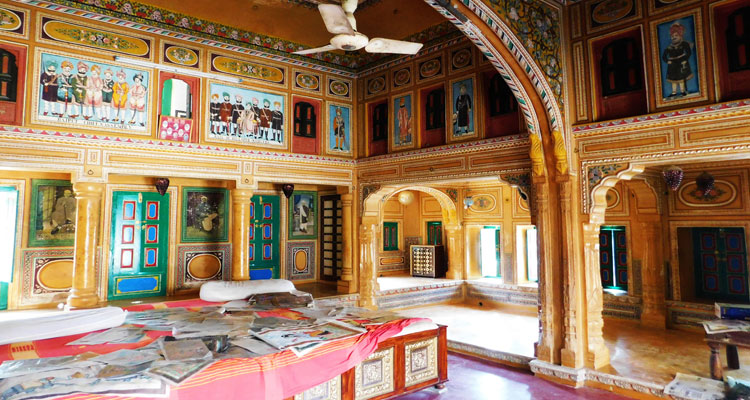
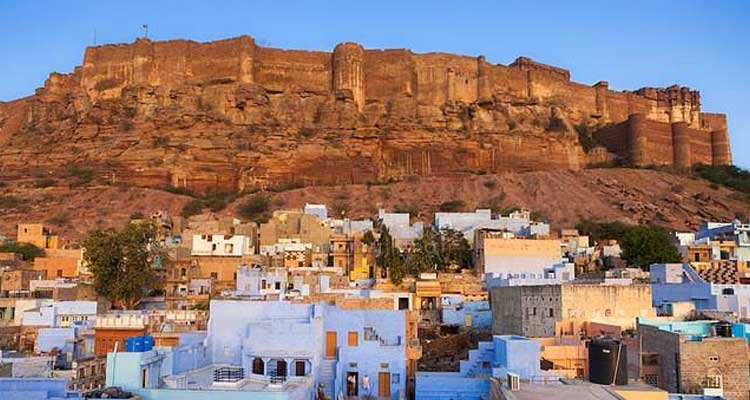
Junagarh Fort is the detail most people don't expect: unlike Amber or Mehrangarh, it was never built on a hill, and it was never once conquered. Inside, mirror work, gold detailing, and courtyards shift character depending on which ruler added to them. A few streets away, the Rampuria Havelis — built by merchant families in the 1800s — still stand with their carved balconies largely untouched.
Read More +
14 Nights / 15 Days
Delhi – Agra – Fatehpur Sikri – Abhaneri – Jaipur – Pushkar – Jodhpur – Jaisalmer – Sam Sand Dunes – Bikaner – Mandawa – Delhi
16 Nights / 17 Days
Delhi – Mandawa – Bikaner – Jodhpur – Ranakpur – Kumbhalgarh – Udaipur – Chittorgarh – Bundi – Kota – Ranthambore – Jaipur – Delhi
14 Nights / 15 Days
Delhi – Agra – Fatehpur Sikri – Jaipur – Mandawa – Bikaner – Jaisalmer – Sam Sand Dunes – Jodhpur – Ranakpur – Udaipur – Mumbai
12 Nights 13 Days
Delhi-Agra-Jaipur-Mandawa-Bikaner-Jaisalmer-Pokhran-Jodhpur
18 Nights / 19 Days
Delhi-Agra-Jaipur-Pushkar-Udaipur-Jodhpur-Jaisalmer-Bikaner-Mandawa-Delhi
11 Nights / 12 Days
Delhi – Mandawa – Bikaner – Jaisalmer – Jodhpur – Ranakpur – Udaipur – Ajmer – Pushkar – Jaipur – Fatehpur Sikri – Agra – Delhi
10 Nights / 11 Days
Jaipur – Mandawa – Bikaner – Jaisalmer – Jodhpur – Ranakpur – Udaipur
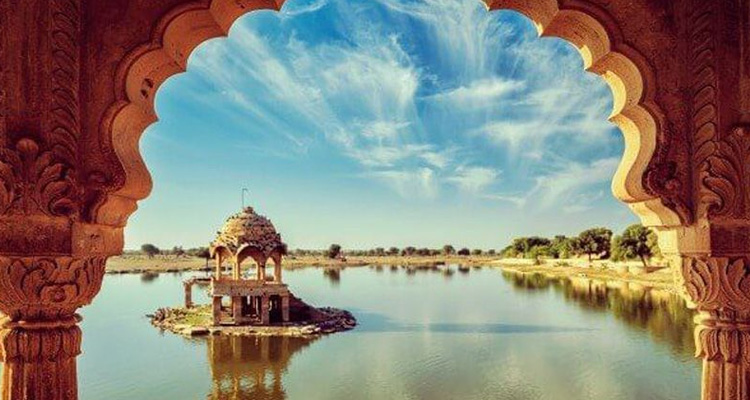
07 Nights / 08 Days
Jaipur – Ranthambore – Bundi – Chittorgarh – Udaipur
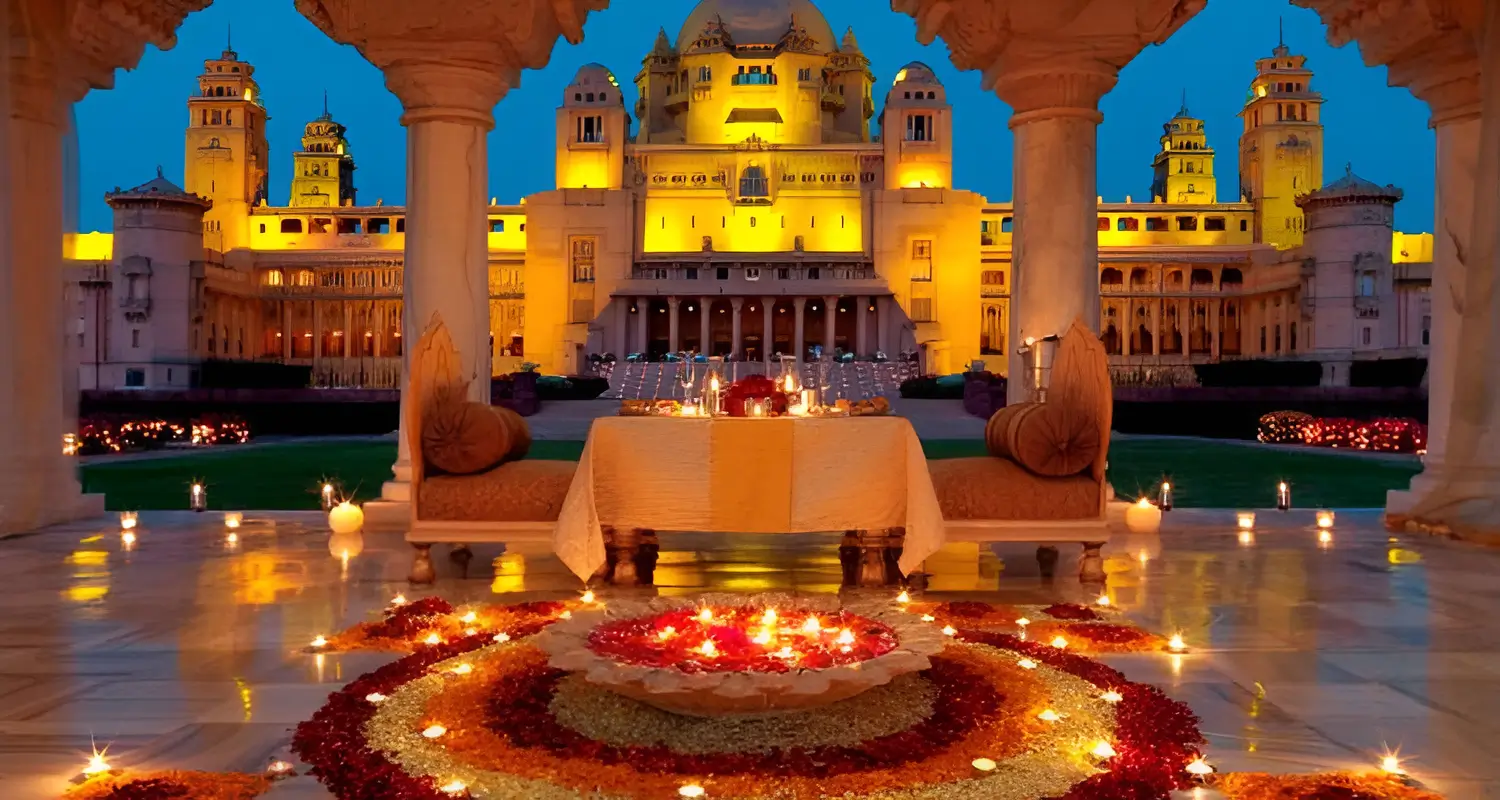
09 Nights / 10 Days
Delhi – Samode – Jaipur – Jodhpur – Narlai – Ranakpur – Udaipur
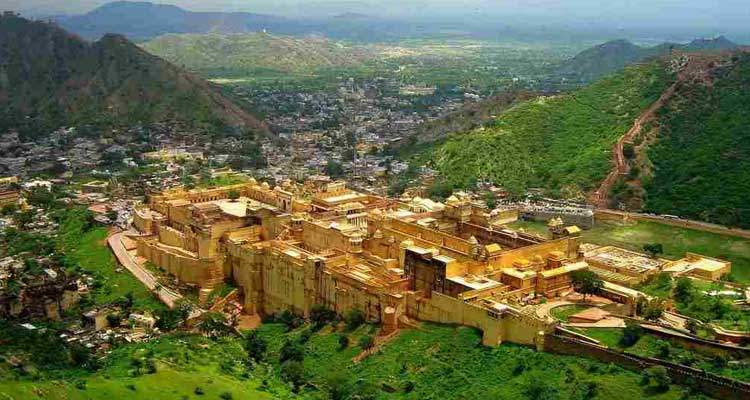
07 Nights / 08 Days
Delhi – Jaipur – Jodhpur – Jaisalmer – Sam Sand Dunes – Jaisalmer
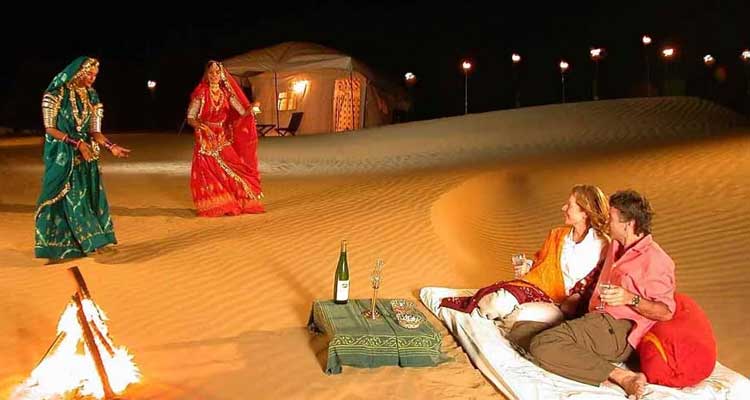
08 Nights / 09 Days
Jaipur – Pushkar – Udaipur – Ranakpur – Jodhpur
08 Nights / 09 Days
Jaipur – Ranthambore – Pushkar – Udaipur
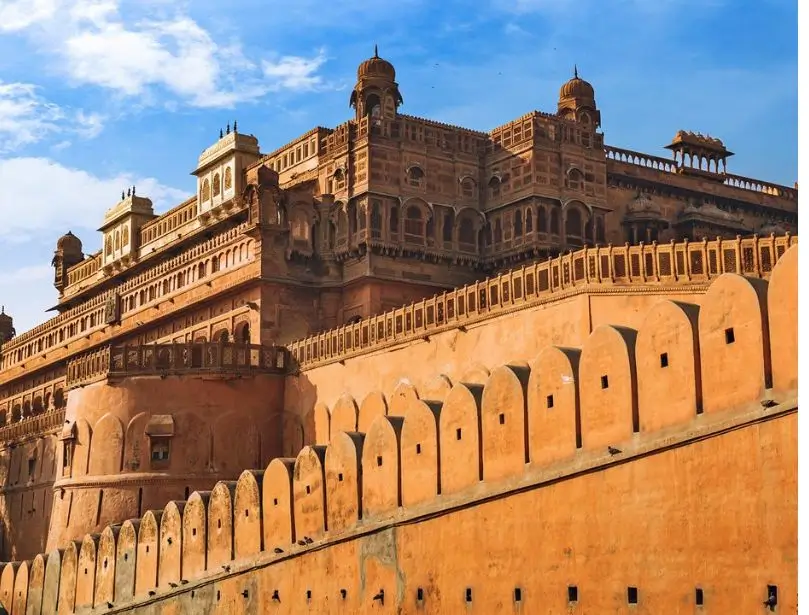
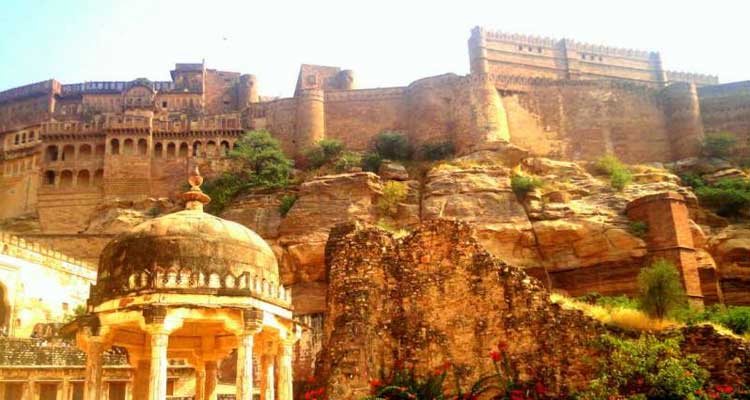
Junagarh Fort is the crown jewel of Bikaner and one of Rajasthan's most impressive fortresses. Unlike most Rajput forts, which were built on hilltops, Junagarh Fort was constructed on the desert plains and has never been conquered in battle. Built in the late 16th century by Raja Rai Singh, the fort showcases a remarkable blend of Rajput, Mughal, and Gujarati architectural influences. Inside the fort, visitors can explore magnificent palaces, richly decorated courtyards, audience halls, royal apartments, museums, and beautifully preserved interiors adorned with mirror work, frescoes, gold detailing, and intricate carvings. The fort offers a fascinating insight into the grandeur and sophistication of Bikaner's royal heritage.
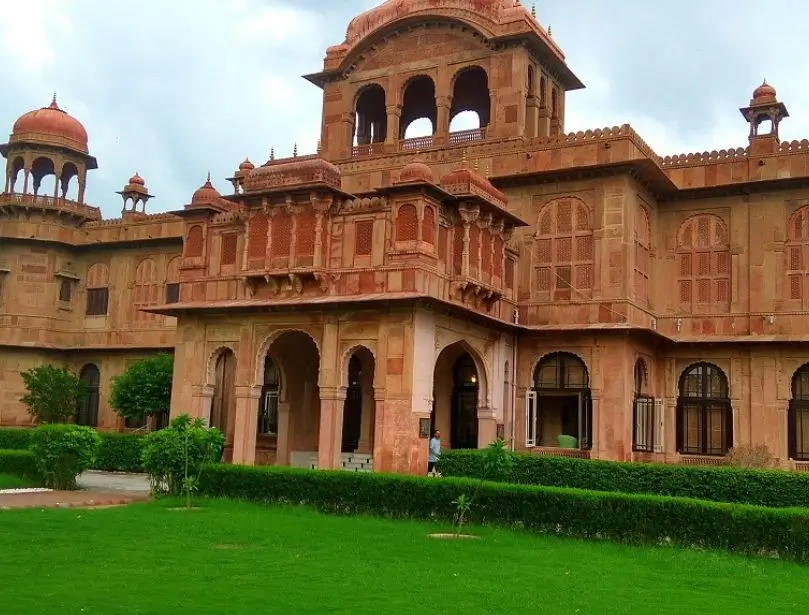
Lalgarh Palace is one of Bikaner's most elegant architectural landmarks and a stunning example of Indo-Saracenic design. Built by Maharaja Ganga Singh in memory of his father Maharaja Lal Singh, the palace combines Rajput, Mughal, and European architectural styles to create a truly unique structure. Today, part of the palace functions as a luxury heritage hotel while other sections house museums and royal collections. Visitors can admire its beautifully carved red sandstone facades, royal galleries, and impressive architecture that reflects the refined lifestyle of Bikaner's royal family.
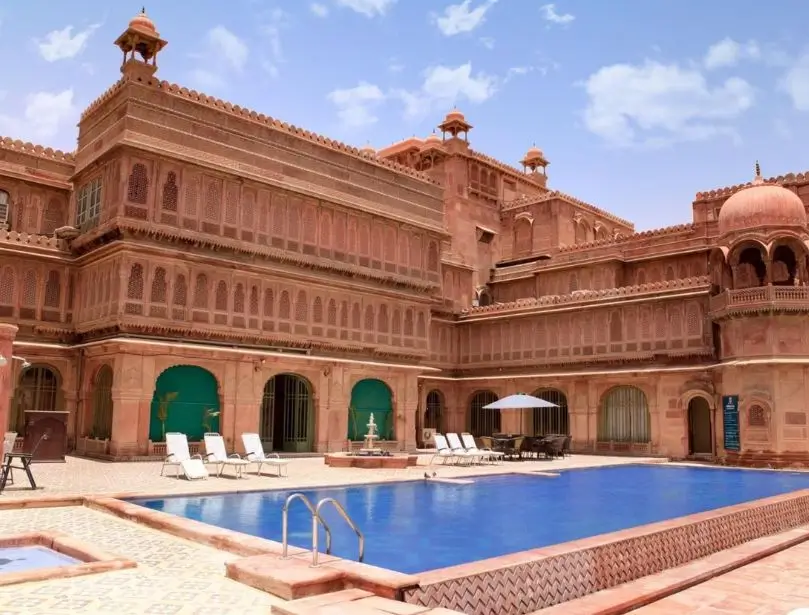
Originally part of the Lalgarh Palace complex, Laxmi Niwas Palace is one of Rajasthan's finest heritage hotels. Constructed under the patronage of Maharaja Ganga Singh, the palace is renowned for its grand interiors, lavish banquet halls, ornate ceilings, and royal décor. The palace offers visitors an opportunity to experience the opulence of Rajasthan's princely era. Its magnificent architecture and luxurious atmosphere make it a highlight for travelers interested in royal heritage and luxury hospitality.
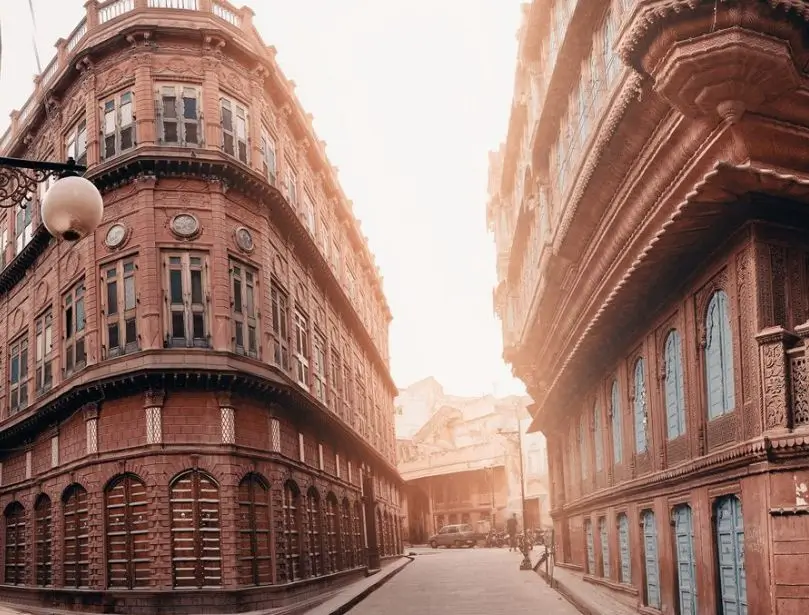
The Rampuria Havelis are among the finest examples of merchant architecture in Rajasthan. Built by wealthy trading families during the 19th century, these magnificent mansions are renowned for their intricate carvings, decorative balconies, elaborate facades, and beautiful red sandstone construction. Walking through the narrow streets surrounding the havelis feels like stepping back in time. The architectural elegance and artistic detailing make them some of the most photographed heritage structures in Bikaner.
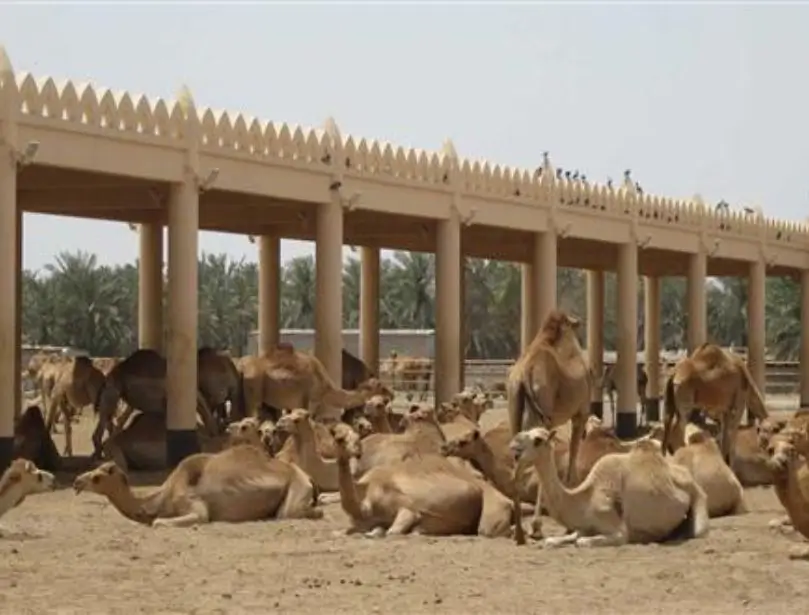
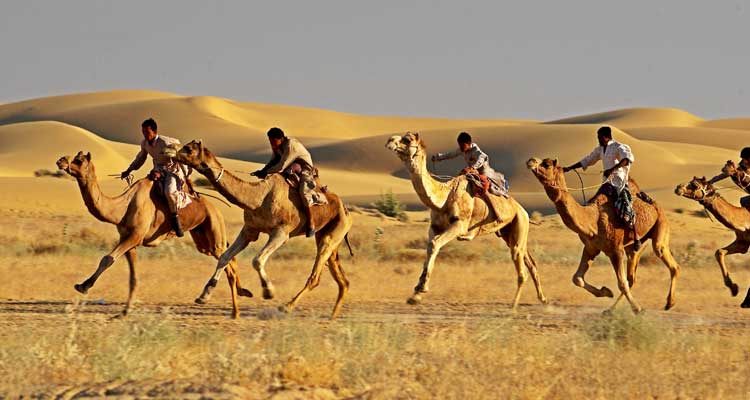
Often referred to as the Camel Breeding Farm, the National Research Centre on Camel is one of Bikaner's most unique attractions. Established to promote camel conservation and research, the center provides valuable insights into Rajasthan's centuries-old relationship with these remarkable desert animals. Visitors can learn about different camel breeds, observe breeding programs, enjoy camel rides, and even sample camel milk products. The attraction offers a fascinating cultural and educational experience unique to the region.
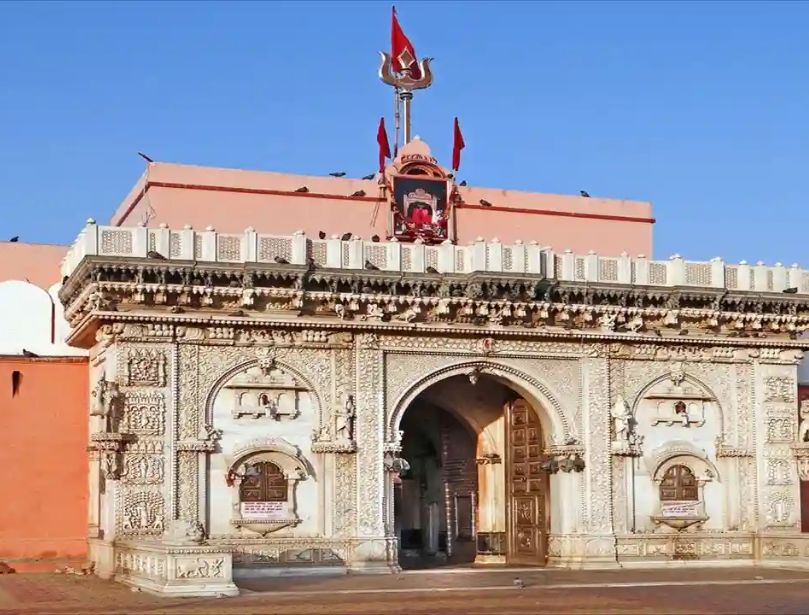
Located in the nearby town of Deshnok, Karni Mata Temple is one of Rajasthan's most unusual and famous religious sites. Dedicated to Karni Mata, a revered spiritual figure, the temple is known worldwide for its thousands of freely roaming rats that are considered sacred by devotees. The temple's marble architecture, silver gates, and unique traditions attract pilgrims and curious travelers alike. Despite its unusual reputation, the temple remains one of the most important spiritual destinations in Rajasthan.
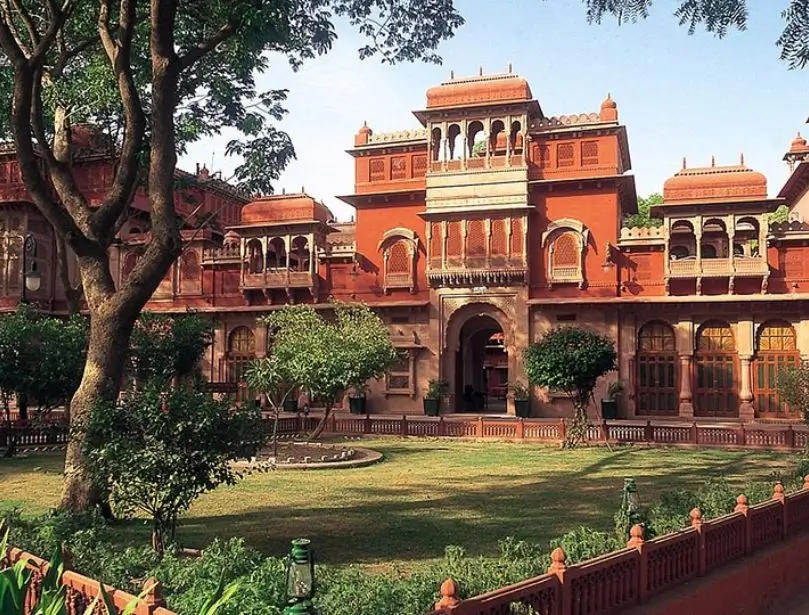
Situated on the banks of Gajner Lake, Gajner Palace was once the hunting retreat of the Bikaner royal family. Surrounded by forests, wetlands, and wildlife, the palace offers a peaceful escape from the city while showcasing elegant Rajput architecture and royal heritage. Today, the palace functions as a luxury heritage property and is popular among travelers seeking a combination of history, nature, and luxury. The scenic surroundings make it one of the most picturesque destinations near Bikaner.
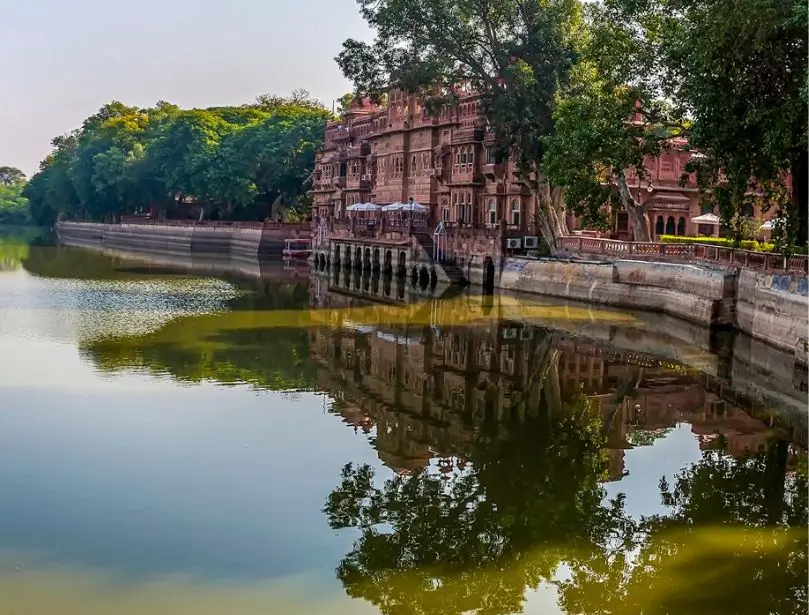
Adjacent to Gajner Palace, Gajner Wildlife Sanctuary is home to a variety of wildlife including blackbucks, nilgai, chinkara, wild boars, and numerous bird species. The sanctuary provides an excellent opportunity to experience Rajasthan's desert ecosystem in a tranquil setting. Nature enthusiasts and photographers particularly enjoy the area's beautiful landscapes and abundant birdlife, especially during the winter migration season.
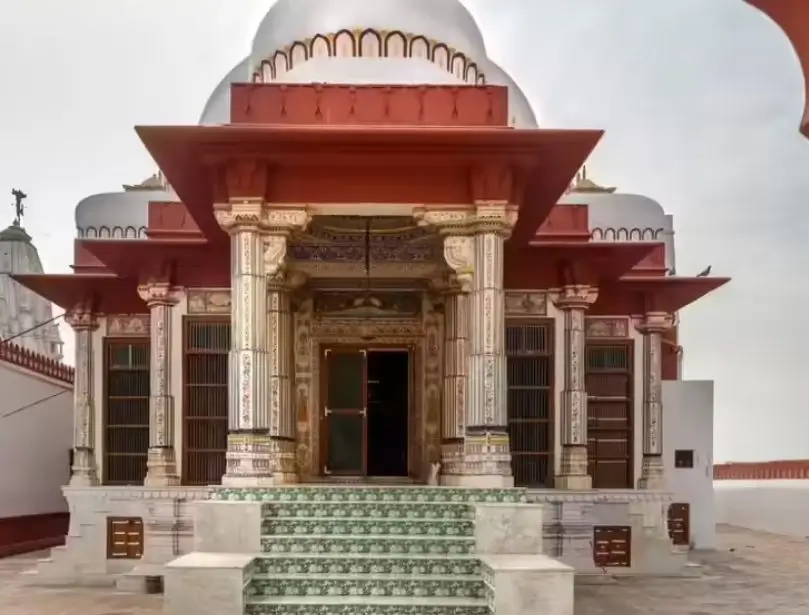
Bhandasar Jain Temple is one of the most beautiful religious monuments in Bikaner and is renowned for its exquisite paintings, intricate carvings, and vibrant frescoes. Dedicated to the fifth Jain Tirthankara, Sumatinath, the temple dates back to the 15th century. The richly decorated interiors showcase remarkable craftsmanship and artistic excellence. The temple remains an important spiritual site while also attracting visitors interested in architecture and heritage.
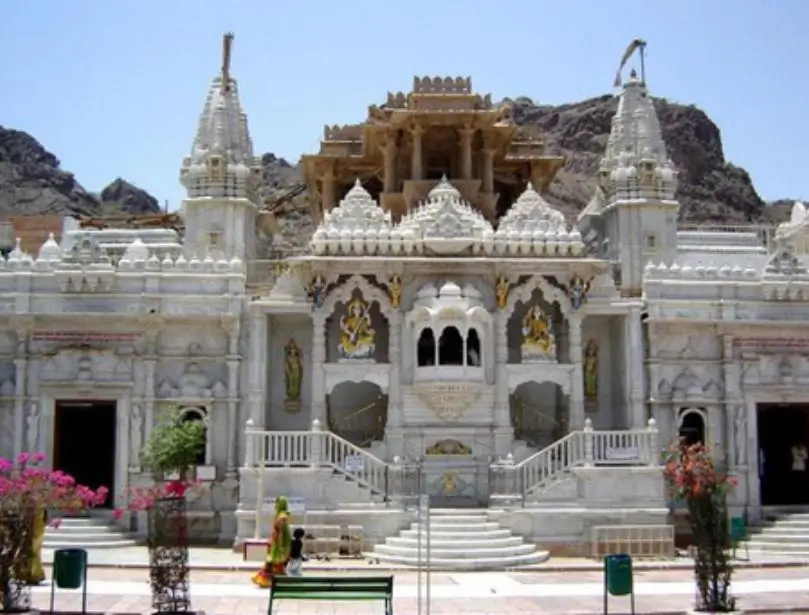
One of the oldest temples in Bikaner, Shri Laxminath Temple is dedicated to Lord Vishnu and Goddess Lakshmi. Built by Rao Bika, the founder of Bikaner, the temple has played a significant role in the city's religious and cultural history. The beautifully decorated sanctum, intricate carvings, and peaceful atmosphere make it a popular destination for both devotees and tourists exploring Bikaner's heritage.
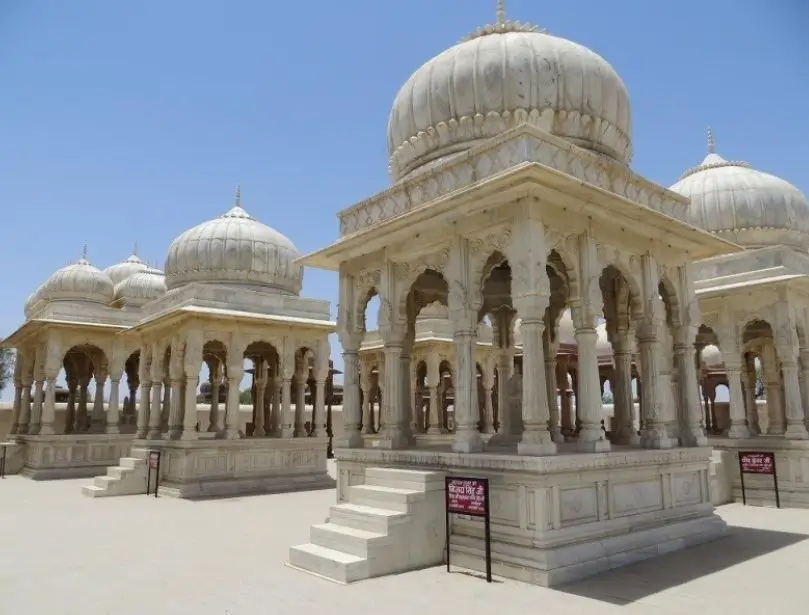
Devi Kund Sagar is a royal cremation ground that houses magnificent cenotaphs dedicated to the rulers of Bikaner. Built from marble and sandstone, these beautifully crafted memorials feature intricate carvings, decorative domes, and artistic detailing that reflect the grandeur of the royal family. The peaceful setting and historical significance make Devi Kund Sagar one of the most important heritage sites in the region. It offers visitors a deeper understanding of Bikaner's royal legacy.
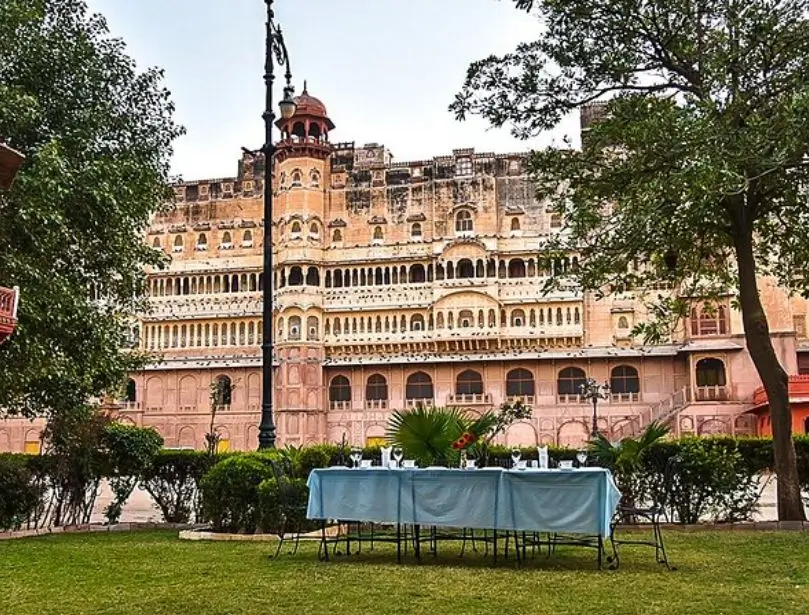
Located within Junagarh Fort, Prachina Museum showcases an impressive collection of royal costumes, textiles, photographs, accessories, and artifacts related to the Bikaner royal family. The museum provides a fascinating glimpse into the lifestyle, traditions, and ceremonial practices of Rajasthan's princely era. Visitors can explore beautifully preserved exhibits that help bring the history of Bikaner and its rulers to life.
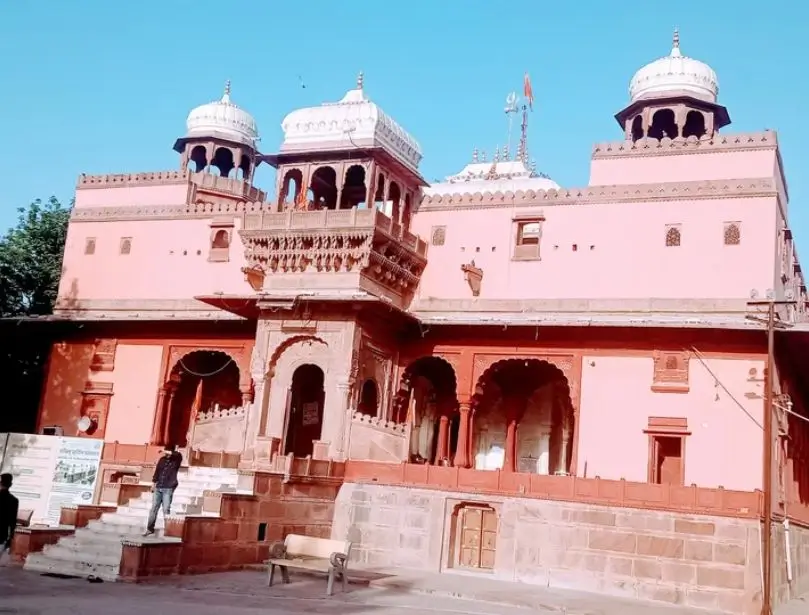
Built by Maharaja Dungar Singh in memory of his father, Shiv Bari Temple is an important religious landmark dedicated to Lord Shiva. The temple is known for its beautiful architecture, peaceful surroundings, and impressive black marble Shiva lingam. Its elegant design and spiritual atmosphere make it a worthwhile stop for visitors interested in Bikaner's religious heritage and architecture.