Check out our most popular experience

Fair & Festival

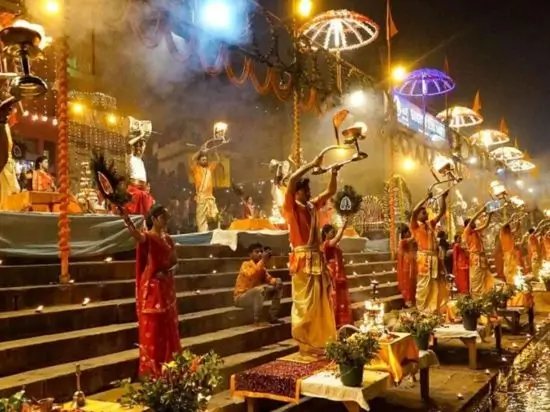
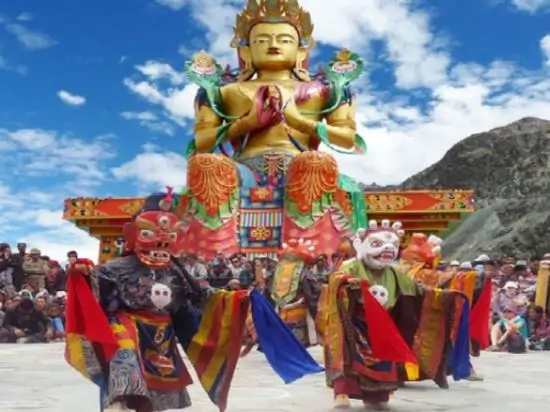
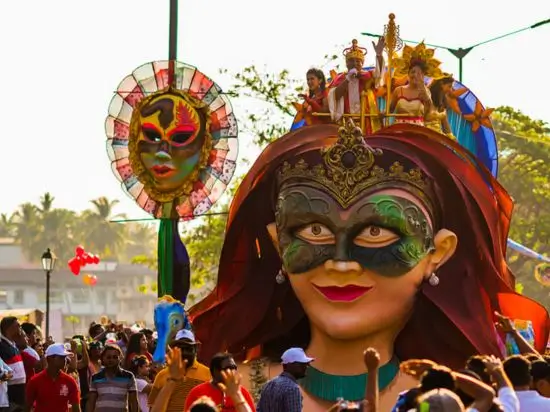
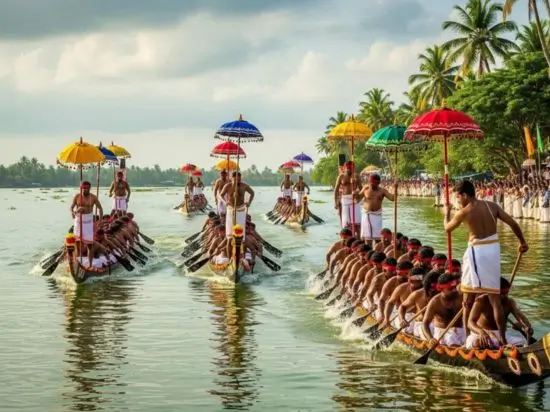
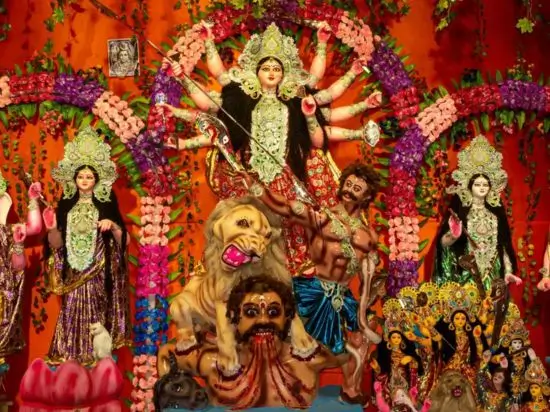
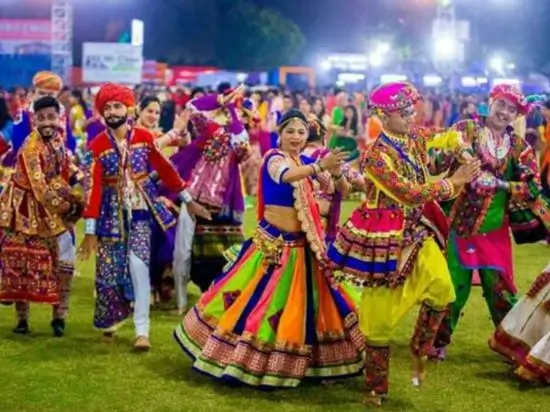
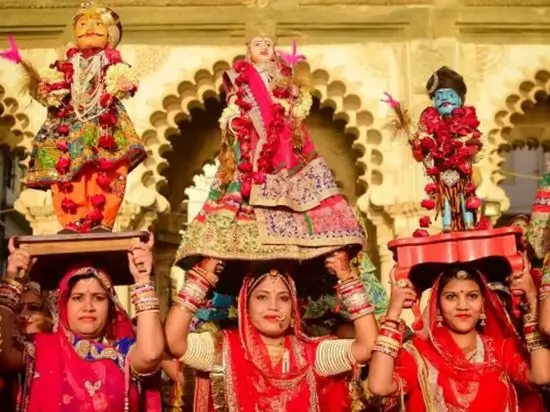
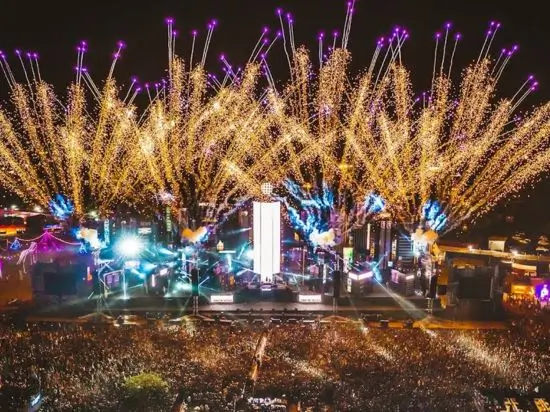
There’s a saying that’s repeated often enough about India to have become something of a cliché, but it happens to be true: there’s always a festival happening somewhere. Across twelve months, every region, religion, and community in India marks its own occasions - some quiet and deeply personal, others so large they reshape entire towns for days at a time. For travellers, this means that almost any time of year you choose to visit, there’s a reasonable chance something is being celebrated somewhere along your route - and with a little planning, that “somewhere” can become part of the itinerary itself, rather than something you simply hear about after the fact.

Why Festivals Change the Way You Experience India

Sightseeing tells you what a place looks like. Festivals tell you what it feels like - and the difference is often considerable. A fort or a temple, however impressive, is largely the same whether you visit on a Tuesday in June or during a major festival. But the streets around it, the markets, the way people move through public space, the food being prepared and shared - all of that changes dramatically when a festival is underway.
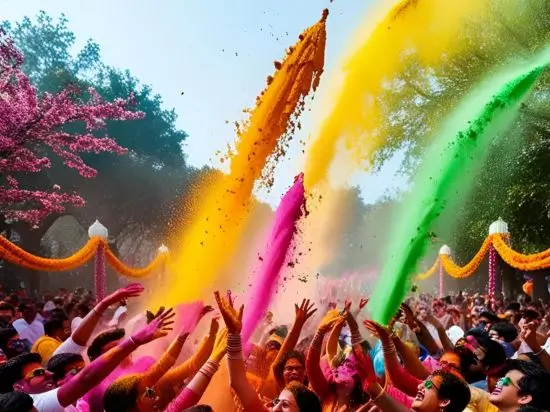
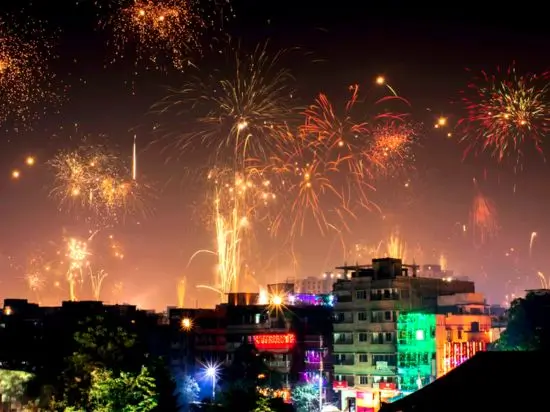
This is part of why festivals tend to feature so prominently in the memories travellers bring home from India. It’s one thing to see the Pink City of Jaipur on an ordinary afternoon. It’s quite another to see it lit up for Diwali, or to be standing in its streets during Holi, covered in colour alongside people who, an hour earlier, were complete strangers.

The Range of Festivals Across India

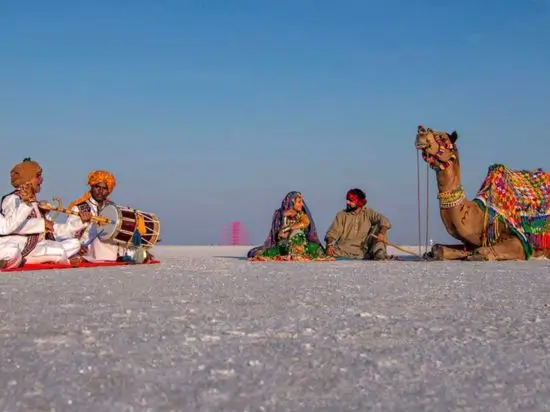
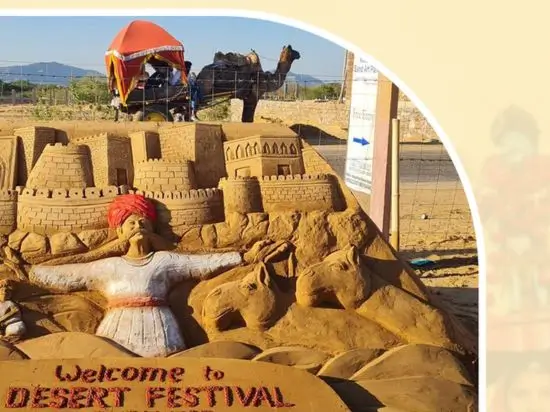
What’s striking about India’s festival calendar is its sheer range - not just in scale, but in character. At one end, there are festivals built around a single, intense day: Holi’s colour-throwing, or the finale of the Jaisalmer Desert Festival against the Sam Sand Dunes at sunset. At the other end, there are festivals that unfold across weeks or months - Rann Utsav’s white desert “Tent City” runs for roughly four months each winter, while Diwali itself is technically a five-day festival, even if the main day is what most people picture.
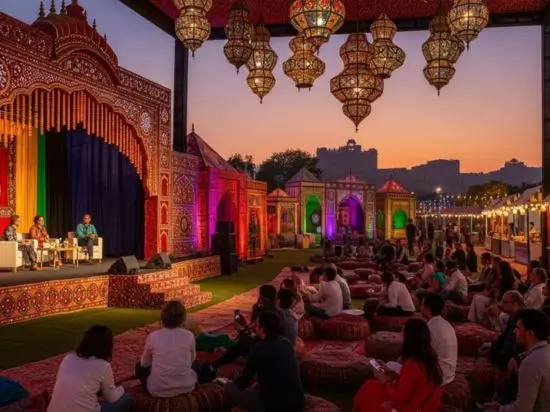
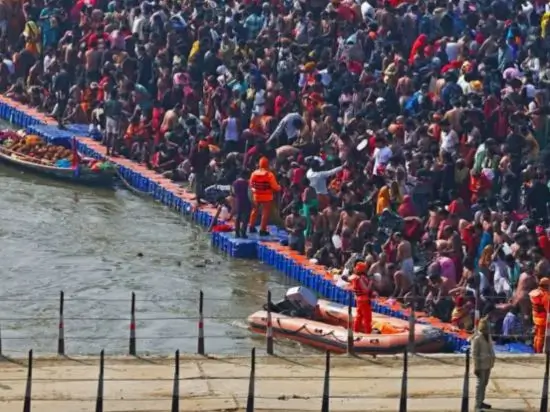
Some festivals are explicitly religious, rooted in stories and rituals that stretch back centuries - the Kumbh Mela, for instance, draws on mythology connected to the churning of the cosmic ocean, and remains fundamentally a pilgrimage rather than a tourist event, even as it draws visitors from around the world. Others are more cultural than religious - the Jaipur Literature Festival, for example, is a contemporary event with no religious dimension at all, yet it’s become one of Rajasthan’s most distinctive annual gatherings.
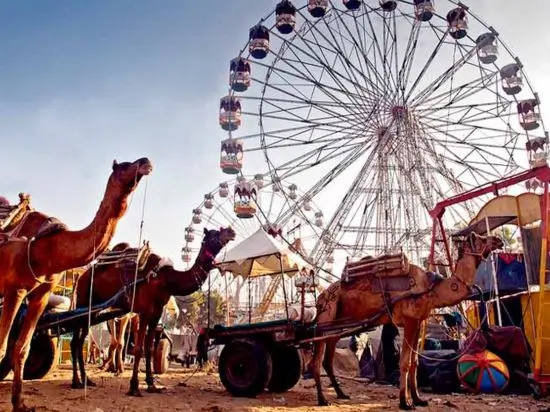
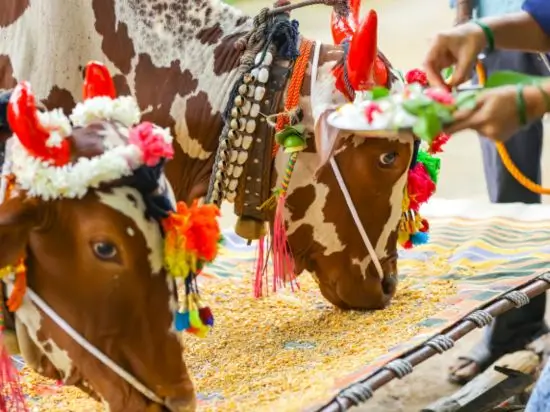
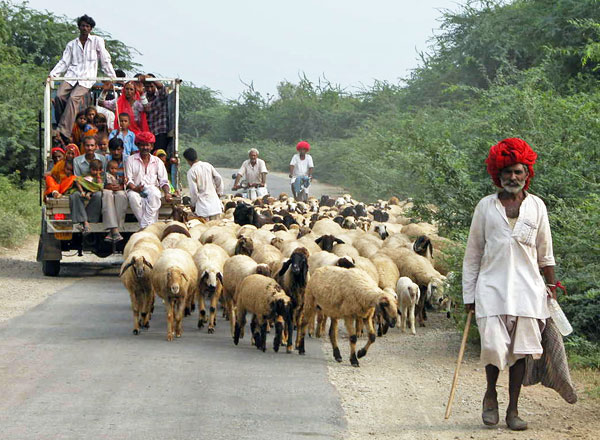
And then there are the fairs that sit somewhere in between - genuinely practical events, like the livestock fairs of Pushkar and Nagaur, which began as trading gatherings for rural communities and have, in some cases, developed substantial cultural programmes around that original purpose, while in other cases remaining close to their working origins.

Choosing the Right Festival for Your Trip

Not every festival suits every traveller, and that’s worth saying plainly. Some - Holi, for instance, or the finale of the Desert Festival - are relatively accessible and tend to work well even for travellers who haven’t built a trip specifically around festivals before. Others - the Kumbh Mela being the clearest example - involve a scale of crowds and a level of logistical complexity that suits travellers specifically drawn to that intensity, rather than those looking for a comfortable addition to a broader itinerary.
Location matters too. Some festivals are concentrated in places already on most itineraries - Diwali in Jaipur, or the Jaipur Literature Festival, both fit naturally into a Rajasthan or Golden Triangle trip. Others require more of a detour - Rann Utsav in Gujarat, or Onam in Kerala, sit at some distance from the more commonly travelled routes, meaning a festival like this might shape the broader structure of a trip rather than simply being added to one.

Timing: The Calendar Behind the Calendar

One thing that often surprises first-time visitors is how many of India’s festivals don’t fall on fixed dates each year. Many follow the Hindu lunar calendar, which means dates shift annually - sometimes by days, sometimes by weeks. Holi, Diwali, and several of the fairs and festivals covered on this site all fall into this category, which is why it’s worth checking specific dates for the year you’re planning to travel, rather than assuming a festival will fall on the same date as the previous year.
For festivals that run across extended periods - Rann Utsav’s multi-month season, for instance - this matters less, since there’s a wide window to choose from. But for single-day or short-duration festivals, getting the dates right is genuinely important, both for experiencing the festival itself and because accommodation in festival destinations tends to fill up quickly around these periods.

Building a Festival Into Your Itinerary

The most common approach travellers take is to identify a festival that genuinely interests them, then build the broader itinerary around those dates - rather than the other way around. If Holi is the priority, for instance, a Golden Triangle itinerary might be timed so that the Jaipur leg coincides with the festival. If the Pushkar Camel Fair is the draw, a Rajasthan itinerary might be structured to include Pushkar during fair week, with Jaipur, Udaipur, or Jodhpur filling out the rest of the trip.
This approach - festival first, itinerary second - tends to produce more satisfying trips than trying to retrofit a festival into an already-fixed schedule, particularly for festivals with narrow date windows or significant accommodation demand.

What You’ll Find on the Pages That Follow

Each festival covered in detail on this site includes current and upcoming dates, what the festival actually involves, practical considerations for visiting, and how it might fit into a broader itinerary. Some - like Holi, Diwali, and the Pushkar Camel Fair - are among India’s most recognisable festivals internationally. Others - like the Nagaur Cattle Fair - remain genuinely under-visited, offering a different kind of experience for travellers specifically looking for that.
Whichever festival catches your interest, the underlying idea is the same: festivals offer a way into India that’s different from sightseeing alone - immersive, sometimes intense, occasionally chaotic, and very often the part of a trip that travellers talk about longest afterwards.

Plan a Festival-Centred Trip to India

If there’s a particular festival you’d like to experience - whether it’s one of the major events covered here or something more specific you’ve heard about - get in touch with your travel dates and interests. A private itinerary can be built around the festival of your choice, with the practical details of timing, accommodation, and the rest of your journey arranged around it.
 

Traveller Enquiry

Excellent 4.83 Based on 430 reviews

Sidney J
24 Nov 2023
5/5
 

I was very impressed with the services provided by Travel Plan for my short trip to Jaipur. They arranged a great guide (Mr. Kamlendra) and driver (Mr. Ajit) who took as to see the main sites and were flexible based on our interests. The car they provide is excellent and clean. The guide was knowledgeable and answered all of our many questions and, of course, knew the best places to take pictures for us! Travel Plan also booked the leopard safari for us - unfortunately we didn't see any leopards but that's all up to luck anyway. It was still a nice experience, showing the natural side of Jaipur. Make sure to bring warm clothing as it is in the early morning when it is cold. All in all, these guys are a top class tour operator and I would trust them for any travel arrangements in Rajasthan. They aren't expensive but also not cheap - you get a high level of service for a reasonable price. Do it!

 ...Read More
Rosalynde J
28 Oct 2019
5/5
 

Having used Travel Plan on a previous occasion we contacted them again when planning our return visit to Jaipur. All our arrangements were honoured and as expected punctual. The cars were spotlessly clean with good safe drivers and of course AC. From meeting us at the airport to final drop off we were completely satisfied and can wholeheartedly recommend this company. We will be back!

 ...Read More
DEVENDRA
10 Oct 2019
5/5
 

Very nice tour with travel plan. They provide good tour Guides, hotels and the car also. And Enjoy the food also at recommended restaurant.

 ...Read More
Tony
22 Aug 2019
5/5
 

We all friends travelled through Travel Plan India to Ranakpur & had wonderful time as Travel Plan India booked us at nice beautiful Orchard which was away from city & no noise pollution with clean swimming pool.staff was very friendly,food quality & service was excellent.Orchard really worth for outing with friends & family
We will recommend Travel Plan India to our friends

 ...Read More
Justine B
12 Jul 2019
5/5
 

Vinod was really nice with us, recommending good place to eat, explaining us the story of the place. He took us the all afternoon to visit the palaces. We totally recommend him.

 ...Read More
Kaushal R
31 May 2018
5/5
 

Hi myself my wife and two teenage kids planned a trip to Jaipur through Travel Plan. We just let them know what we want and left everything on them and we were not disappointed. Their selection of guides, car,driver, monuments,restaurants and different activities like city tour and walking tour was exceptionally managed.
Thank you Travel Plan and their team.

 ...Read More
GD R
25 Apr 2018
5/5
 

we have enjoyed the view of the city from Nahargarh fort at Sunset by travel plan india.
wax museum is anazing.

 ...Read More

Need Help in Buying?

Request a Call Back Or Call Us+91-9119154546 WhatsappTalk to Experts

Faq's

Find the answers to all of our most frequently asked questions

It depends on your interests and travel style - some festivals, like Holi or the Jaisalmer Desert Festival, are relatively accessible, while others, like the Kumbh Mela, involve significant crowds and suit travellers specifically drawn to that scale.

Many do, particularly those following the Hindu lunar calendar, such as Holi and Diwali. Confirming dates for your specific travel year is important.

Yes - this is a common and often more satisfying approach than trying to fit a festival into an already-fixed itinerary.

Holi, Diwali, and the Pushkar Camel Fair are among the more accessible options, often combining well with a Golden Triangle or Rajasthan itinerary.

Yes - for festivals like Holi, many travellers choose hotel-based celebrations as a calmer alternative to street festivities, particularly with children.

Earlier than usual - festival periods often see increased demand, sometimes significantly, in the destinations where they’re held.

Many have religious origins, but the calendar also includes cultural events (like the Jaipur Literature Festival) and originally practical gatherings (like livestock fairs) that have developed broader cultural significance over time.

In some cases, yes, particularly if their dates and locations align - for example, Diwali and the Pushkar Camel Fair both fall within a similar autumn/winter window in Rajasthan.

For festivals with dates confirmed closer to the time, we can help plan a flexible itinerary and confirm exact timing as it’s announced.

Many are, particularly hotel-based or shorter events. Larger gatherings like the Kumbh Mela are generally less suited to young children given the scale and crowds.

This varies - some festivals (like JLF) are free to attend, while accommodation costs in festival destinations may be higher due to demand.

Share your travel dates and which festival interests you, and a private itinerary can be built around it, with the rest of your trip planned to complement the experience.