Your Travel Partner
SINCE 1989
Your Travel Partner
SINCE 1989
For every well-known festival on a list like this, there’s usually at least one entry that most visitors to India have never heard of - and the Nagaur Cattle Fair is very much that entry. Held in the town of Nagaur, roughly midway between Jodhpur and Bikaner, this fair is, by most measures, one of the largest livestock gatherings in Asia - and yet it remains almost entirely off the radar for international tourism, attended overwhelmingly by traders, herders,
and local visitors rather than photographers and travel groups.
That obscurity is precisely what makes it interesting to a particular kind of traveller - one looking for an experience that feels genuinely unmediated by tourism, rather than one that’s been shaped, however gently, around visitor expectations.
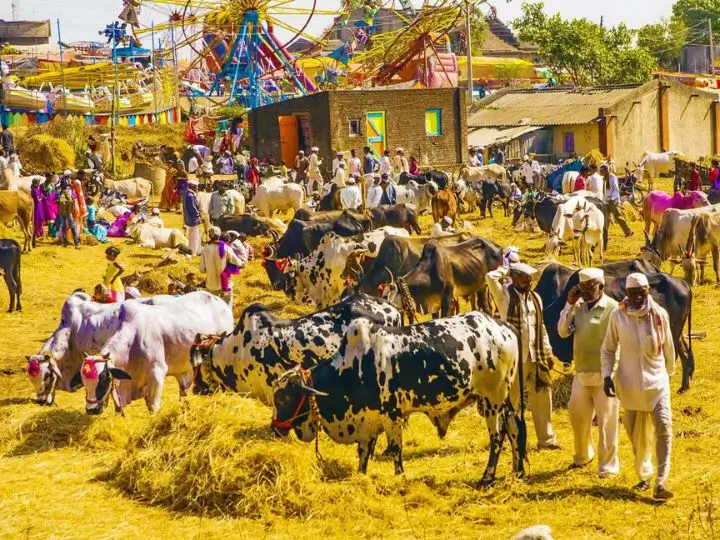
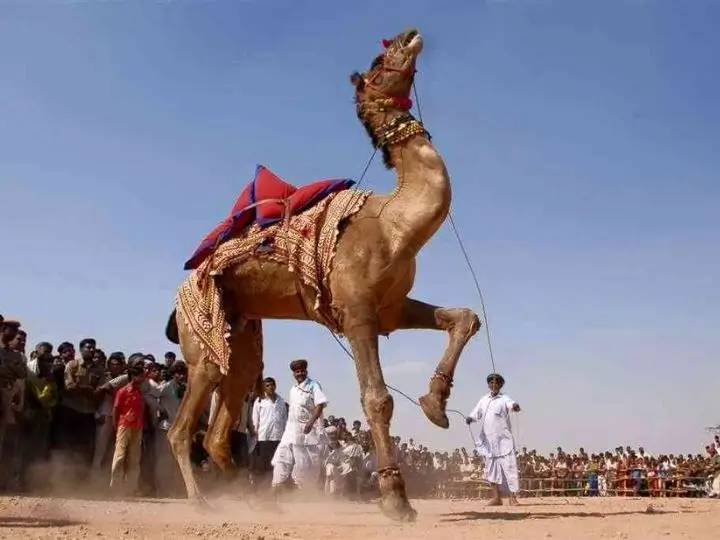
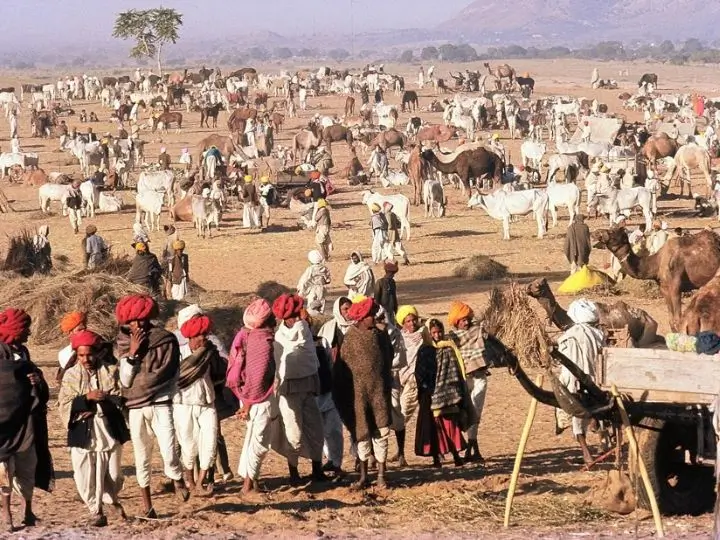
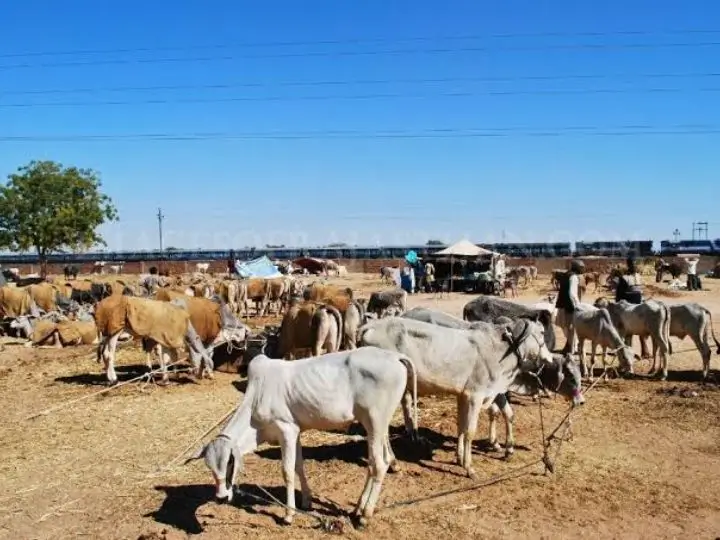
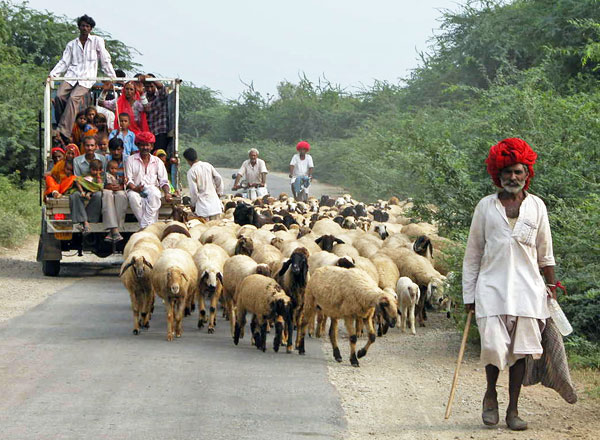
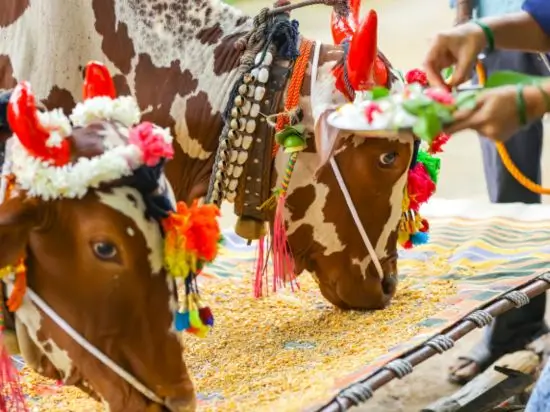
At its core, Nagaur is a trading fair - tens of thousands of cattle, camels, horses, and other livestock are brought in by herders and traders from across Rajasthan and beyond, filling the open grounds around the town for several days. The scale is genuinely difficult to convey - rows upon rows of animals, decorated and groomed by their owners, with trading, negotiation, and the general business of a working livestock market unfolding across the site.
Unlike Pushkar, which has developed a substantial cultural programme alongside its trading activity specifically with visitors in mind, Nagaur remains closer to its original character - the cultural elements that do exist (music, some competitions) feel more like an extension of the trading community’s own celebrations than a programme designed for outside audiences.
Part of the reason Nagaur remains under-visited is simply logistics - it’s not on the main tourist circuit, sitting between Jodhpur and Bikaner rather than directly on the route most itineraries follow. Accommodation options in the town itself are limited and fairly basic by international standards, with most visitors who do attend either staying in Jodhpur or Bikaner and visiting Nagaur as a day trip, or making more rudimentary arrangements for an overnight stay closer to the fairgrounds.
There’s also, frankly, less to “do” for a typical tourist in the way that festivals like Pushkar or the Desert Festival have built around their core events - no grand finale, no organised competitions designed for an audience, no infrastructure specifically aimed at visitors. What Nagaur offers instead is something more raw: a genuinely enormous trading event, continuing much as it likely has for generations, with visitors essentially observers of something that exists for entirely different reasons than their presence.
For travellers who do make the journey, the experience tends to be described in similar terms - a sense of scale that’s hard to anticipate, and an atmosphere that feels considerably more “real” than more curated festival experiences. Walking through the fairgrounds means walking among thousands of animals and the people who’ve travelled, sometimes considerable distances, to trade them - conversations happening in local dialects, animals being groomed and displayed, and the general texture of rural Rajasthani life on full display.
For photographers, this rawness is often the appeal - faces, animals, and scenes that feel less posed, less aware of being photographed, than at festivals where visitors and cameras are an expected part of the landscape.
It’s worth being direct about something here: Nagaur isn’t a comfortable festival in the way that, say, a heritage hotel’s Holi celebration is comfortable. Facilities are basic, the fairgrounds are dusty and crowded with animals (which comes with everything that implies), and there’s little in the way of curated visitor experience. This isn’t a criticism of the fair itself - it’s simply not designed around visitor comfort, because visitors were never really the point.
For travellers genuinely seeking an “off the beaten path” Rajasthan experience - a phrase that gets used loosely but rarely delivered on - Nagaur is one of the few entries on this list where that description is genuinely accurate. But it’s worth going in with realistic expectations, ideally as part of a day trip from a more comfortable base, rather than expecting an organised, visitor-friendly event.
Nagaur itself has its own fort - Nagaur Fort, sometimes called Ahhichatragarh - which, while less visited than Jodhpur’s Mehrangarh or Jaisalmer’s Sonar Quila, is a genuinely impressive structure with its own history and architecture, including notable frescoes and water systems that reflect considerable engineering sophistication for its time.
For travellers basing themselves in Jodhpur or Bikaner and visiting Nagaur for the fair, both cities offer considerably more in terms of accommodation, dining, and additional sightseeing - Jodhpur’s Mehrangarh Fort and blue old city, or Bikaner’s own fort and its distinctive culinary traditions, can easily fill the rest of a visit built around a Nagaur day trip.
Nagaur isn’t unique in this respect - Rajasthan has a number of similar livestock fairs across the state, in towns that see even fewer international visitors than Nagaur does. The Mallinath Cattle Fair in Tilwara, for instance, is sometimes mentioned by travellers seeking an even less-visited alternative, though information about these smaller fairs tends to be harder to come by, and logistics correspondingly more involved.
For most international travellers, Nagaur represents a reasonable middle ground - significant enough in scale to be genuinely worth the detour, while still being identifiable enough (with the right local knowledge) to plan around.
It’s worth being honest: Nagaur isn’t for every traveller, and that’s fine. For visitors whose priority is comfort, organised experiences, and a degree of polish - the kind of experience that festivals like the Desert Festival or even Pushkar (at least in its later, more curated days) offer - Nagaur is likely to feel, at best, interesting but uncomfortable, and at worst, simply confusing without the right context.
But for travellers who’ve already experienced Rajasthan’s more visited sights and festivals, and who are specifically looking for something that feels less shaped around tourism - even at the cost of some comfort - Nagaur offers exactly that. It’s the kind of place that tends to be remembered not for its polish, but for its scale and its rawness.
Given the lack of dedicated visitor infrastructure, visiting Nagaur generally works best with local knowledge - someone who knows the timing of the fair for that particular year (since dates shift annually based on the lunar calendar), the practicalities of getting to the fairgrounds, and how to navigate a site that’s fundamentally a working trading event rather than a tourist attraction.
A day trip from Jodhpur or Bikaner, with private transport and a guide familiar with the fair, tends to be the most practical approach - allowing visitors to experience the scale and atmosphere of Nagaur while returning to more comfortable accommodation afterwards.
For travellers building an itinerary through western Rajasthan - Jodhpur, Bikaner, and potentially onward to Jaisalmer - a detour to Nagaur, timed to coincide with the fair, can add a genuinely distinctive element to the trip. It works best as an addition to, rather than the centrepiece of, a broader itinerary - a few hours or a day spent somewhere most visitors never go, set within a trip that also covers the region’s more established sights.
If you’re interested in an authentic, less-visited side of Rajasthan, we can include a visit to the Nagaur Cattle Fair as part of a private western Rajasthan itinerary - typically as a day trip from Jodhpur or Bikaner, with a guide familiar with the fair’s timing and layout. Given that dates shift annually, share your travel dates and we’ll confirm timing and build a tour around this fair alongside the region’s more established destinations.
Find the answers to all of our most frequently asked questions
Typically in late January or early February, though exact dates shift annually based on the Hindu lunar calendar.
Nagaur is considerably less visited by international tourists and has minimal organised cultural programming compared to Pushkar’s more developed visitor experience.
It’s better suited to travellers who’ve already experienced Rajasthan’s main sights and are looking for something more off the beaten path.
Most visitors stay in Jodhpur or Bikaner and visit Nagaur as a day trip, given limited accommodation options in Nagaur itself.
It’s a working livestock fair with basic facilities - genuinely “raw” rather than designed around visitor comfort.
Nagaur Fort (Ahhichatragarh), known for its frescoes and historic water systems, is worth visiting alongside the fair.
Yes - many photographers are drawn to its unposed, authentic atmosphere compared to more visitor-oriented festivals.
Nagaur sits roughly midway between Jodhpur and Bikaner, making it accessible as a day trip from either city.
Yes - the Mallinath Cattle Fair in Tilwara is sometimes mentioned as an even less-visited alternative, though logistics are more involved.
Tens of thousands of cattle, camels, and horses, with significant dust and the general conditions of a working livestock market.
Yes - it works well as a detour from either city for travellers exploring western Rajasthan.
Share your travel dates, and we can confirm the fair’s timing for that year and arrange a day trip with a guide familiar with the event.