Your Travel Partner
SINCE 1989
Your Travel Partner
SINCE 1989
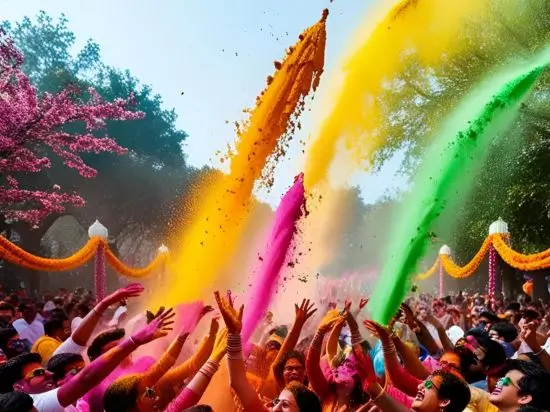
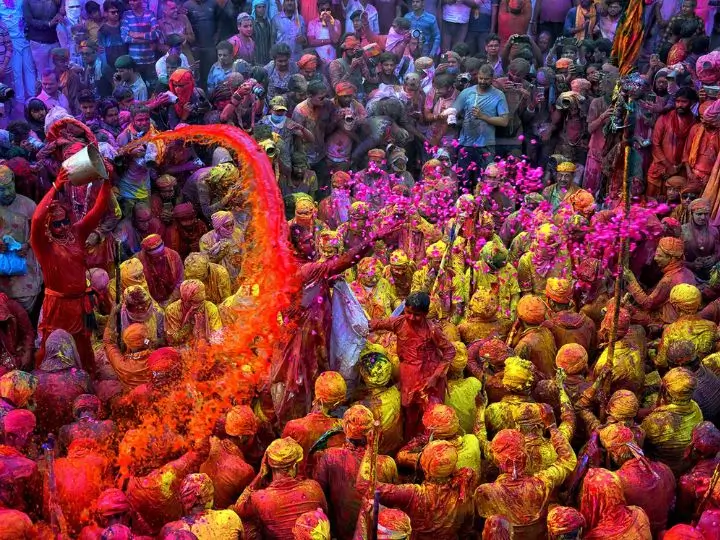
There’s a moment, somewhere in the late morning of Holi, when the streets of an Indian town stop looking like streets at all. Colour is everywhere - on walls, on clothes, in the air itself, hanging in clouds of pink and yellow and green as people throw handfuls of powder at anyone within reach. Strangers become friends for the day. Music plays from every direction. And somewhere underneath all the noise and colour, there’s a genuinely old story being retold - one about the arrival of spring, and about good eventually winning out over evil.
For travellers planning a trip to India, Holi occupies a strange position. It’s one of the most photographed, most talked-about festivals in the world, and also one of the most misunderstood. Some arrive expecting chaos and leave saying it was the highlight of their entire trip. Others find the crowds and intensity overwhelming if they haven’t planned around it properly. The difference, more often than not, comes down to where you experience it, and how the rest of your trip is built around those few days.
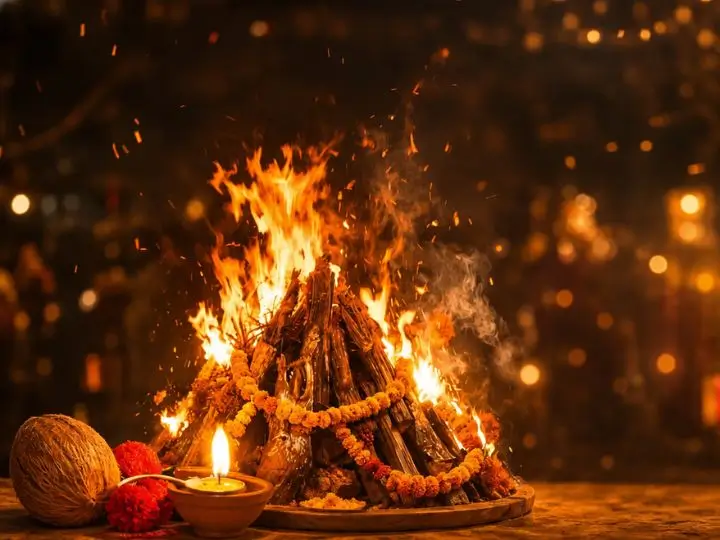
Holi marks the end of winter and the start of spring, and it’s celebrated over two days. The first evening is Holika Dahan - bonfires are lit after sunset across towns and villages, based on an old story about a demoness named Holika and her defeat. It’s a quieter, more ritual-focused evening, often overlooked by visitors who arrive only for the main event.
The second day is what most people picture when they think of Holi - the throwing of coloured powder (gulal) and coloured water, accompanied by music, dancing, and a general suspension of normal social formality. Strangers greet each other with colour. Sweets are shared. In many places, the day carries on well into the afternoon before everyone, thoroughly covered in colour, heads off to wash up and continue celebrating in a cleaner state.
Not all Holi celebrations are the same, and this matters more than most first-time visitors realise. Mathura and Vrindavan, in Uttar Pradesh, are considered the spiritual heartland of Holi - this is where the legends of Krishna and Radha are set, and the celebrations here stretch across more than a week, with specific days dedicated to different rituals. Lathmar Holi in the nearby town of Barsana, where women playfully chase men with sticks, has become particularly well known among international visitors.
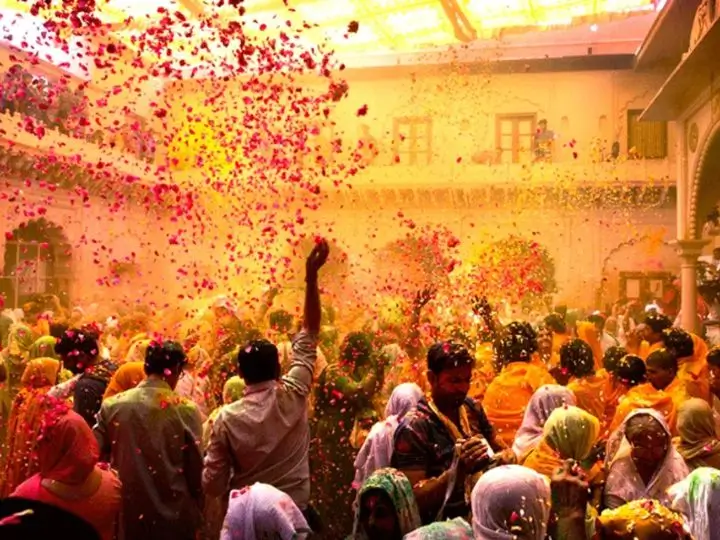
Jaipur offers a different kind of Holi experience - still vibrant, but generally more manageable for first-time visitors, often combined with cultural events, music, and a slightly more curated atmosphere within heritage properties and palace grounds. For travellers who want to experience Holi’s energy without diving into the most intense crowds of Mathura, Jaipur is often a more comfortable starting point.
Delhi sees Holi celebrated widely, though as a sprawling capital city, the experience varies enormously by neighbourhood - some areas host organised, family-friendly events, while others see more spontaneous street celebrations.
Because Holi falls in March, it sits at a particularly good point in the travel calendar - winter’s chill has eased in North India, but the punishing summer heat hasn’t yet arrived. This makes it a genuinely practical time to combine Holi with a broader Golden Triangle tour covering Delhi, Agra, and Jaipur, timing the itinerary so that Holi itself falls during the Jaipur leg, or as a dedicated stop in Mathura and Vrindavan if the full festival experience is the priority.
A few practical things are worth knowing before travelling for Holi. Clothes that can be sacrificed - or at least won’t be missed - are essential, since the colours used can stain fabric permanently, even with washing. Many travellers bring an old white kurta specifically for the occasion, partly because white shows the colours most dramatically, and partly because it doesn’t matter if it’s ruined afterwards.
Skin and hair protection also matters more than people expect. A layer of coconut or mustard oil applied beforehand makes the colours considerably easier to wash off afterwards, and protects skin from some of the harsher synthetic colours that are unfortunately still used in places, despite a broader move toward natural, plant-based colours in recent years.
Holi is, by its nature, a crowded and physically immersive festival. For travellers who want to participate fully - getting covered in colour, dancing in the streets, being part of the chaos - that’s exactly the appeal. But it’s not for everyone, and there’s no obligation to dive into the most intense version of the celebration to have a meaningful Holi experience.
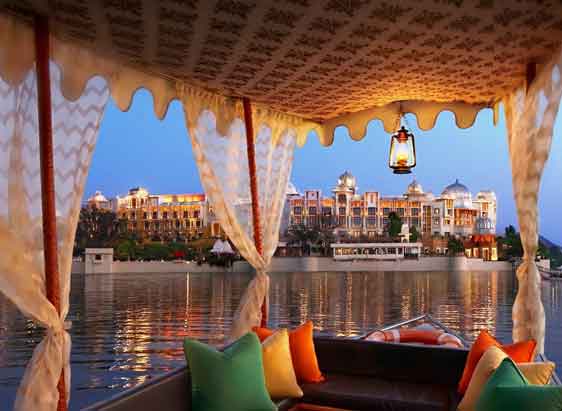
Many heritage hotels and resorts, particularly in Jaipur and other parts of Rajasthan, host their own Holi celebrations within private grounds - colour, music, and food, but in a more contained environment. This works well for families with young children, older travellers, or anyone who’d rather watch from a slight distance before deciding how involved they want to get.
For those who do want the full street experience, having a private guide who knows the area well makes a genuine difference - not just for safety and orientation in crowded streets, but for understanding what’s happening and why, since much of Holi’s meaning is rooted in stories and rituals that aren’t always obvious to an outside observer.
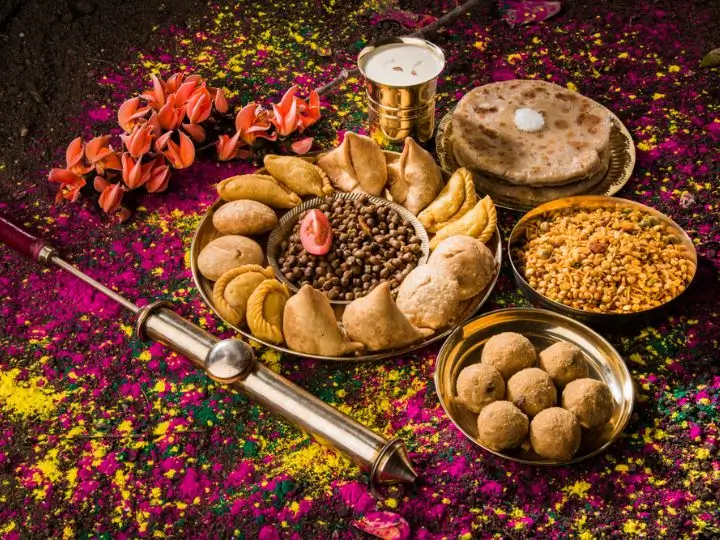
It’s easy to think of Holi purely as the colour-throwing event, but there’s considerably more to it for travellers willing to look a little closer. The food associated with Holi is itself worth experiencing - gujiya (a sweet stuffed pastry), thandai (a spiced milk drink, sometimes with a more potent variation involving bhang), and a range of regional snacks that appear specifically around this time of year and not really at any other point in the calendar.
There’s also a social dimension that’s easy to underestimate. Holi is one of the few occasions where social hierarchies in India loosen considerably for a day - employers and employees, strangers and neighbours, all participate on relatively equal terms, covered in the same colours. For travellers, this often translates into genuinely warm interactions with local people that might not happen as naturally at other times of year.
For travellers whose schedules allow it, timing a trip to India around Holi adds a dimension that’s hard to replicate at any other point in the year. It’s not just an event to watch - it’s something that pulls you in, whether you’re fully participating in the streets or experiencing a quieter version within a hotel courtyard.
Given how specific the dates are each year - and how quickly accommodation in places like Jaipur and Mathura can fill up around this period - planning ahead matters more for Holi than for most other times of year. An itinerary built around Holi typically works best when the festival days are treated as a centrepiece, with the days before and after structured to allow for both anticipation and recovery - because by the end of Holi, most people are, quite literally, covered head to toe in colour, and need a bit of time before continuing on to the next stop.
If Holi is the centrepiece you’re hoping to build your India trip around, we can put together a private itinerary that times your visit to coincide with the festival - whether that means a Golden Triangle tour through Delhi, Agra, and Jaipur with Holi falling during your Jaipur stay, or a more focused journey into Mathura and Vrindavan for the full traditional experience. Get in touch with your preferred travel dates, and we’ll help shape a trip around this festival, with the practical details - accommodation, transport, and timing - taken care of.
Find the answers to all of our most frequently asked questions
Holi 2027 falls on Monday, 22 March, with Holika Dahan (the bonfire ritual) the evening before, on 21 March.
Mathura and Vrindavan are considered the spiritual heart of Holi celebrations, while Jaipur offers a vibrant but somewhat more manageable experience for first-time visitors.
Yes, though it’s an intense, crowd-based festival. Many travellers choose to experience Holi within hotel grounds for a calmer alternative to street celebrations.
Old or inexpensive clothing that you don’t mind staining permanently - white is traditional and shows the colours most vividly.
They can, particularly with synthetic colours. Applying oil to skin and hair beforehand makes the colours considerably easier to remove afterwards.
The main celebration is two days - Holika Dahan and the main colour-throwing day - though in places like Mathura and Vrindavan, related celebrations can extend over a week or more.
Yes - March timing works well with a Delhi-Agra-Jaipur itinerary, with Holi typically falling during the Jaipur portion of the trip.
Yes, particularly hotel-based celebrations, which tend to be calmer and more controlled than street festivities.
Gujiya (a sweet pastry) and thandai (a spiced milk drink) are particularly associated with Holi, alongside various regional snacks.
Yes - accommodation in popular Holi destinations like Jaipur, Mathura, and Vrindavan can fill up quickly around the festival dates.
No - regional variations are significant, from the elaborate, days-long celebrations of Braj (Mathura/Vrindavan) to more localised events elsewhere.
Share your preferred travel dates, and an itinerary can be built with Holi as the centrepiece, factoring in accommodation availability and festival timing.