Your Travel Partner
SINCE 1989
Your Travel Partner
SINCE 1989
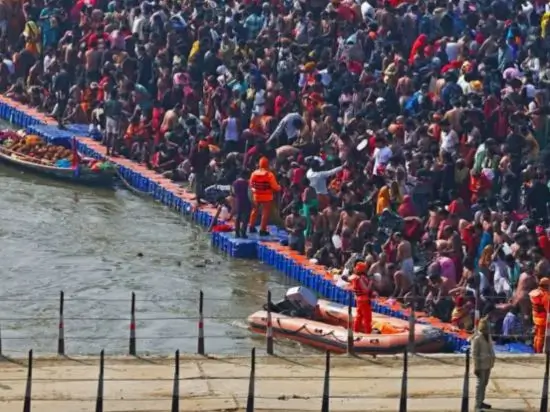
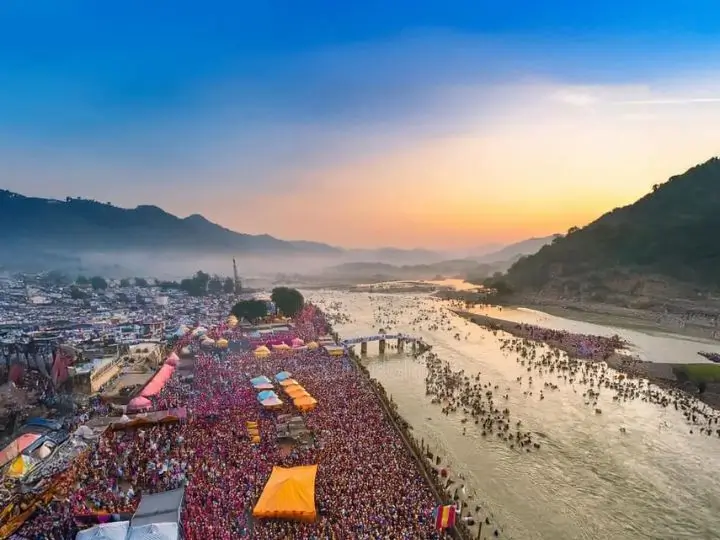
There are crowds, and then there’s the Kumbh Mela. Held on a rotating basis at four sacred sites across India - Prayagraj, Haridwar, Nashik, and Ujjain - the Kumbh Mela is, by most measures, the largest peaceful gathering of human beings anywhere on earth. The 2025 edition in Prayagraj is estimated to have drawn well over 100 million people across its duration - a scale that’s genuinely difficult to process even when you’re standing in the middle of it.
For travellers, the Kumbh Mela occupies a unique position among India’s festivals. It’s not really a “tourist” event in the conventional sense - it’s a vast religious pilgrimage, rooted in Hindu mythology and astrology, where the central act is a ritual bath in a sacred river believed to wash away sins. But its scale, its visual intensity, and the sheer concentration of spiritual practice on display have made it a significant draw for travellers from around the world, even those without a personal religious connection to the event.
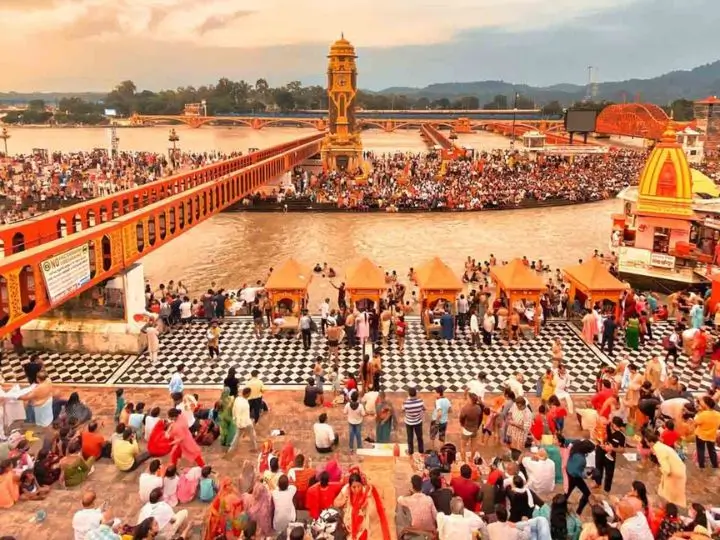
The Kumbh Mela’s origins trace back to a story from Hindu mythology - the Samudra Manthan, or churning of the cosmic ocean, during which drops of amrita (the nectar of immortality) are said to have fallen at four locations on earth. These four locations - Prayagraj (at the confluence of the Ganges, Yamuna, and the mythical Saraswati), Haridwar (on the Ganges), Nashik (on the Godavari), and Ujjain (on the Shipra) - are where the Kumbh Mela is held, on a rotating schedule determined by specific planetary positions.
This astrological basis is why Kumbh Mela dates aren’t simply annual - each location hosts the full Kumbh roughly every twelve years, with smaller “Ardh” (half) Kumbhs occurring at six-year intervals in some locations. The 2027 editions - an Ardh Kumbh in Haridwar and a Simhastha Kumbh in Nashik/Ujjain - both fall within this broader cycle.
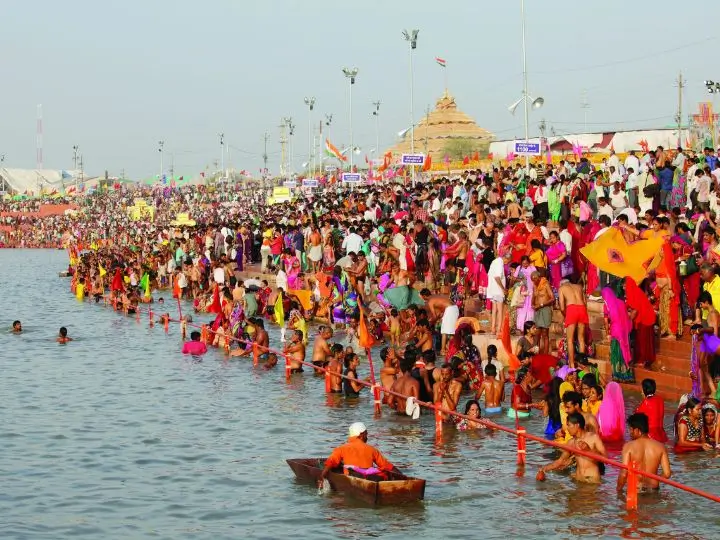
At its core, the Kumbh Mela is about the ritual bath - pilgrims entering the sacred river at auspicious times (determined astrologically) believed to offer particular spiritual benefit. On the most significant bathing days - known as Shahi Snan or Amrit Snan, the “royal” or “nectar” baths - the scale reaches its peak, with millions of people entering the water within a relatively short window.
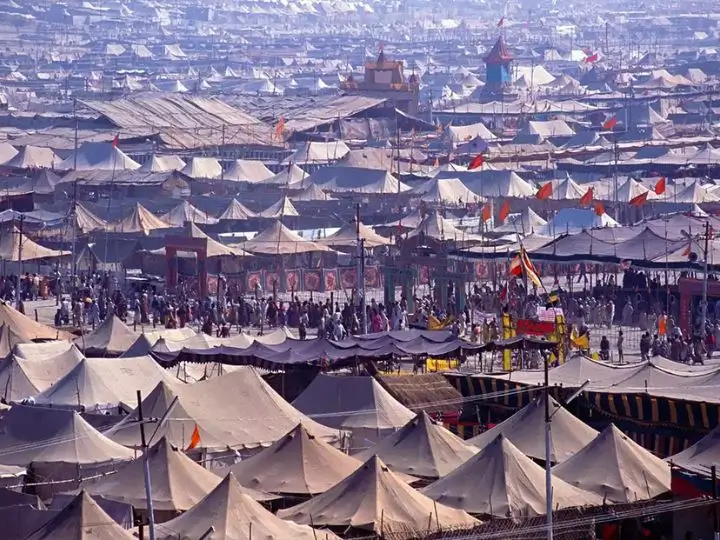
Beyond the bathing itself, the Kumbh becomes a temporary city - vast tent encampments housing pilgrims, ascetics, and religious organisations, stretching across riverside areas for the duration of the event. Akharas - monastic orders with histories stretching back centuries - establish camps, and processions of sadhus (holy men), including the striking Naga Sadhus (ash-covered ascetics who renounce conventional clothing as part of their spiritual practice), form some of the most visually arresting sights of the entire event.
Throughout the Mela’s duration, religious discourses, devotional singing, and community meals (often serving enormous numbers of people through volunteer-run kitchens) take place continuously, creating an atmosphere that’s part religious gathering, part temporary city, and part something that doesn’t have an easy comparison anywhere else.
For many visitors, the Naga Sadhus are among the most striking sights of the Kumbh - ascetics who live largely outside conventional society, often spending much of the year in remote locations, who emerge at the Kumbh in significant numbers, their bodies covered in ash, often carrying tridents and other symbolic items associated with their orders.
Photographing and interacting with Naga Sadhus during the Kumbh is possible and, with respectful approach, often welcomed - many are accustomed to visitor interest during the Mela and can be approached for photographs or brief conversation, though as with any religious context, a degree of sensitivity and respect goes a long way.
It’s worth being genuinely direct about what attending the Kumbh Mela involves: it is, by a significant margin, the most crowded event most travellers will ever experience. On peak bathing days, movement through certain areas can be slow, security presence is substantial (given the scale, this is a necessity rather than an inconvenience), and the sheer density of people - particularly near the riverbanks during auspicious bathing windows - is something that has to be experienced to be fully understood.
This isn’t necessarily a deterrent - many travellers describe the experience as genuinely transformative precisely because of its scale, a sense of being part of something that connects to traditions stretching back centuries, multiplied across an almost incomprehensible number of people sharing the same intention. But it’s not a comfortable, leisurely festival in the way that, say, the Jaisalmer Desert Festival is, and travellers should approach it with that understanding.
For travellers without a personal pilgrimage purpose, the most practical approach to the Kumbh Mela tends to involve a combination of observation and limited participation - visiting during the Mela’s duration but perhaps not specifically on the most extreme peak bathing days, when crowd density is at its absolute maximum, while still experiencing the broader atmosphere of the temporary tent city, the processions, and the general scale of the gathering.
Accommodation during the Kumbh ranges enormously - from extremely basic arrangements (the vast majority of pilgrims) to organised camps offering considerably more comfort, including some operators who set up tented accommodation specifically aimed at visitors wanting a more managed experience of the event, with private facilities and a degree of separation from the most intense crowd areas.
Given the scale of the Kumbh Mela, logistics around it are genuinely significant - transport infrastructure is typically expanded considerably for the event, but even so, getting to and around the Mela area requires considerably more planning than most festivals on this list. Accommodation, if not arranged well in advance, can be extremely difficult to secure, particularly anything beyond the most basic options.
For travellers genuinely interested in experiencing the Kumbh Mela, working with operators who have specific experience managing visits to this event - rather than treating it as simply another festival on an itinerary - makes a substantial difference, given how different the logistics are compared to anything else in India’s festival calendar.
Honestly, no - and that’s worth saying plainly. The combination of extreme crowds, basic facilities in many areas, and the sheer intensity of the experience means the Kumbh Mela suits travellers who are specifically drawn to it, often for reasons connected to spirituality, anthropology, photography, or simply a desire to witness something on a scale that exists nowhere else - rather than travellers looking for a comfortable cultural add-on to a broader itinerary.
For those who are drawn to it, though, the Kumbh Mela offers something that, by most accounts, genuinely can’t be replicated anywhere else - not just in India, but anywhere in the world.
If you’re interested in experiencing the Kumbh Mela, we can help plan a visit around the 2027 editions in Haridwar or Nashik/Ujjain, including accommodation arrangements suited to the scale of the event and guidance on timing relative to the most significant bathing days. Given the logistics involved, early planning is particularly important for this event. Share your interest and preferred location, and we’ll discuss how a visit might be structured.
Find the answers to all of our most frequently asked questions
The Ardh Kumbh in Haridwar runs from 14 January to 20 April 2027, and the Simhastha Kumbh in Nashik/Ujjain runs from 17 July to 17 August 2027.
A massive Hindu pilgrimage and religious gathering, held on a rotating basis at four sacred riverside sites, centred on ritual bathing believed to offer spiritual benefit.
Extremely - the 2025 Prayagraj edition drew well over 100 million attendees across its duration, making it the largest gathering of its kind in the world.
The most auspicious “royal” or “nectar” bathing days, when crowd density reaches its absolute peak.
Ascetic holy men, often covered in ash, who emerge at the Kumbh Mela in significant numbers as part of their religious practice.
Yes, generally - many are accustomed to visitor interest during the Mela, though a respectful approach is important.
No - the scale, crowds, and basic facilities in many areas mean it suits travellers specifically drawn to its intensity rather than those seeking a comfortable add-on experience.
Many visitors choose to attend during the Mela’s broader duration rather than the most extreme peak days, to experience the atmosphere with somewhat more manageable crowds.
Options range from very basic pilgrim accommodation to organised camps offering more comfort, though all require advance booking given demand.
Considerably further ahead than other festivals - logistics and accommodation for an event of this scale require substantial advance planning.
Fundamentally for pilgrims - tourism exists alongside the religious purpose, and visitors should approach the event with that context in mind.
Share your interest in the 2027 Haridwar or Nashik/Ujjain editions, and we can discuss how a visit, including accommodation suited to the event’s scale, might be structured.