
Your Travel Partner
SINCE 1989
Your Travel Partner
SINCE 1989
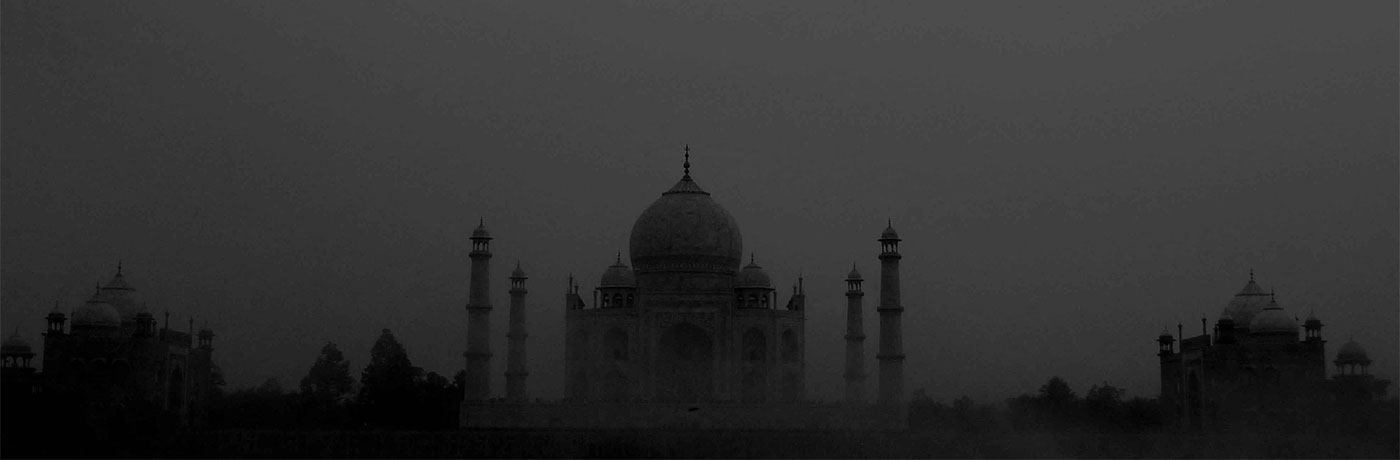
Delhi – Agra – Ranthambore – Jaipur – Pushkar – Udaipur – Ranakpur – Jodhpur – Jaisalmer – Bikaner – Mandawa – Delhi
Few Rajasthan journeys combine Mughal architecture, wildlife country, pilgrimage traditions, lake palaces and the Thar Desert within a route compact enough to remain practical yet broad enough to show the state's geographical variety. The Rajasthan Tour Package 15 Nights 16 Days follows exactly this progression, beginning in Delhi before travelling to Agra, Ranthambore, Jaipur, Pushkar, Udaipur, Ranakpur, Jodhpur, Jaisalmer, Bikaner and Mandawa.
The opening sector links Delhi and Agra, placing the Taj Mahal near the beginning of the journey rather than treating it as an extension at the end. Agra's Mughal architecture creates an immediate contrast with the Rajput forts and palaces that dominate the later Rajasthan route.
From Agra, the journey changes character completely at Ranthambore. Two nights are allocated around the national park, providing time for a scheduled wildlife safari subject to official permits and park operations. The experience introduces dry forest, rocky terrain and wildlife habitat between the architectural sightseeing of Agra and Jaipur.
Ranthambore is widely associated with Bengal tigers, but the park is a natural ecosystem rather than a controlled wildlife attraction. A safari may encounter deer, antelope, monkeys, crocodiles, birds and other species, while tiger sightings can never be guaranteed. The value of the visit lies in entering the habitat itself and experiencing the landscape under regulated park conditions.
Two nights in Jaipur return the journey to royal Rajasthan. Amber Fort represents the earlier hill-based royal seat, while City Palace, Jantar Mantar, Hawa Mahal and the historic bazaars belong to the later planned capital. The city creates a strong architectural transition after Ranthambore's natural environment.
An overnight in Pushkar introduces pilgrimage traditions centred on the sacred lake and Brahma Temple. The route then continues into Mewar for two nights in Udaipur, where City Palace, Lake Pichola, historic temples and the Aravalli setting replace the drier landscapes experienced farther north.
Between Udaipur and Jodhpur, Ranakpur provides an important religious-architecture stop. Its intricately carved Jain temple demonstrates the extraordinary possibilities of marble craftsmanship before the route enters Marwar.
Two nights in Jodhpur allow time for Mehrangarh Fort and the Blue City, followed by two nights in Jaisalmer, where golden sandstone and historic trading heritage define the urban landscape. The journey through western Rajasthan then turns towards Bikaner and finally Mandawa.
Bikaner contributes Junagarh Fort and another chapter of desert royal history, while Mandawa ends the Rajasthan circuit through the frescoed merchant havelis of Shekhawati. The final road journey returns to Delhi.
For travellers searching for a 16 days Rajasthan tour with Taj Mahal and Ranthambore, the itinerary is particularly varied. Within one journey, travellers move from Mughal marble to wildlife habitat, from Jaipur's royal architecture to Pushkar's sacred ghats, and from Udaipur's lakes to Jaisalmer's desert environment.
Arrive in Delhi at the international airport, domestic terminal, railway station or another confirmed meeting location. Meet the representative or private driver and transfer to the selected hotel for the first overnight stay.
The schedule remains flexible on the opening day because arrival times can vary. Travellers reaching Delhi after a long international flight should have sufficient time for hotel check-in and rest instead of beginning the journey with an unnecessarily demanding sightseeing programme.
When arrival time allows, take a short orientation through selected areas of New Delhi. Broad avenues, government architecture and major public landmarks provide an introduction to the capital before the journey moves into the historic Mughal environment of Agra.
An additional monument, neighbourhood or market can be visited according to the confirmed schedule and available daylight. The objective is to provide context without attempting to compress a complete Delhi tour into the arrival afternoon.
Return to the hotel and rest. The following morning begins the first road sector towards Agra and one of the journey's defining architectural landmarks.
Overnight stay in Delhi.
After breakfast, check out and begin travelling towards Agra. The drive moves from India's capital into the heart of the former Mughal imperial landscape and introduces a very different architectural language from the Rajasthan monuments that follow.
Arrive in Agra and check into the selected hotel. Depending on the confirmed schedule and official opening timings, proceed to the Taj Mahal with sufficient time to appreciate the complex rather than treating it as a quick photographic stop.
Enter through the monumental gateway and approach the white marble mausoleum through the formal garden. The carefully controlled symmetry, water channels, calligraphy, marble inlay and subsidiary structures all contribute to the architectural impact of the monument.
The Taj Mahal was commissioned by Emperor Shah Jahan in memory of Mumtaz Mahal. Beyond its familiar story, the monument represents a highly refined stage of Mughal architecture in which landscape planning, craftsmanship and proportion work together as a unified composition.
If time permits within the confirmed programme, additional Agra sightseeing can be arranged around the principal visit. Return to the hotel after the day's sightseeing.
Overnight stay in Agra.
After breakfast, leave Agra and begin the road journey towards Ranthambore. The day's transfer marks one of the sharpest changes in the itinerary, moving away from imperial architecture towards the natural landscapes of southeastern Rajasthan.
As the journey progresses, dense urban areas gradually give way to smaller settlements and more open countryside. Approaching Ranthambore, the terrain begins to reflect the dry forest and rocky environment associated with the national park region.
Arrive and check into the selected wildlife resort or hotel for a two-night stay. After several days centred on cities and monuments, the quieter surroundings provide a very different travel atmosphere.
Use the remainder of the day to rest and prepare for the scheduled safari. Exact safari timing, vehicle type, entry zone and reporting point depend on official park allocation and the confirmed permit.
Enjoy the evening at the accommodation. Wildlife activities begin according to the official schedule rather than a flexible city-sightseeing timetable, so guests should be prepared for the assigned reporting time.
Overnight stay in Ranthambore.
Begin according to the reporting time assigned for the scheduled Ranthambore wildlife safari. Entry into the national park is controlled through official permits, and the safari route depends on the zone allocated by the relevant authorities.
Travel through dry deciduous forest, rocky ridges, open areas and seasonal water bodies that together create Ranthambore's distinctive habitat. The landscape itself is an important part of the experience and changes noticeably according to season.
Ranthambore is particularly famous for its Bengal tiger population, but tiger sightings are not guaranteed. Wild animals move naturally across a large habitat, and no responsible itinerary can promise the appearance of a particular species during a specific safari.
Depending on luck, season and assigned zone, visitors may encounter deer, antelope, monkeys, crocodiles, wild boar, numerous bird species and other wildlife. Maintaining silence, following guide instructions and respecting park regulations help preserve the quality of the safari.
Return to the accommodation after the scheduled wildlife activity and spend the remaining time at leisure. Any additional safari should be considered separate unless specifically included and remains dependent on permit availability.
Overnight stay in Ranthambore.
After breakfast, leave Ranthambore and travel towards Jaipur. The journey changes the focus once again, moving from protected wildlife habitat to the architectural and commercial heritage of Rajasthan's capital.
Arrive in Jaipur and check into the selected hotel for a two-night stay. After refreshing, begin with an introductory exploration of the historic Pink City rather than attempting the complete monument circuit immediately.
Head towards Hawa Mahal, whose distinctive façade overlooks an active market street. The building remains one of Jaipur's most recognisable landmarks and provides an immediate introduction to the visual identity of the old city.
Continue through selected traditional bazaars. Jewellery, gemstones, textiles, block-printed fabrics and handicrafts remain closely associated with Jaipur's commercial heritage, while the planned streets distinguish the city from older organically developed settlements.
Return to the hotel after the evening orientation. Amber Fort and Jaipur's principal royal landmarks are reserved for the following day.
Overnight stay in Jaipur.
Begin the day at Amber Fort, situated among the hills outside Jaipur. Before the foundation of the present city, Amber served as the principal royal seat, making the fortress an essential part of understanding the region's political history.
Enter through the historic gateways and explore the major courtyards and accessible palace sections. The architecture gradually changes from defensive structures to more elaborate royal spaces with balconies, carved details and former ceremonial rooms.
Return towards Jaipur and pause near Jal Mahal for exterior views where local stopping conditions permit. The palace's position within Man Sagar Lake creates a distinctive visual contrast with Amber's elevated hill setting.
Continue to City Palace and nearby Jantar Mantar. City Palace represents the royal heart of Jaipur's later planned capital, while Jantar Mantar contains monumental astronomical instruments associated with Maharaja Sawai Jai Singh II.
Complete the day around Hawa Mahal and the old-city markets before returning to the hotel. The second night ensures Jaipur's major heritage is not combined with another road transfer.
Overnight stay in Jaipur.
Leave Jaipur after breakfast and travel towards Pushkar. The comparatively short transfer creates a welcome change of pace after Jaipur's large forts, palaces and busy market streets.
Arrive in Pushkar and check into the selected hotel. The town is centred on religious traditions rather than royal architecture, giving this stage of the itinerary a distinctly different character.
Proceed towards Pushkar Lake and walk through appropriate sections of the surrounding ghats. Religious ceremonies and personal rituals continue around the lake, so visitors should follow local guidance concerning footwear, photography and behaviour.
Visit the Brahma Temple according to current opening schedules and religious regulations. The temple is central to Pushkar's spiritual identity and makes the town one of the most distinctive pilgrimage stops on the Rajasthan route.
Spend the evening exploring the compact streets and market areas at a relaxed pace. After the wildlife and royal heritage of the preceding days, Pushkar provides a quieter spiritual interlude before the route turns towards Udaipur.
Overnight stay in Pushkar.
After breakfast, leave Pushkar and begin the longer road journey towards Udaipur. The route travels south towards Mewar, gradually introducing a different geographical environment from Jaipur, Pushkar and Ranthambore.
As the journey progresses, the influence of the Aravalli hills becomes more apparent. The changing terrain prepares the transition towards a city whose historical identity is closely linked with lakes, hills and palace architecture.
Arrive in Udaipur and check into the selected hotel for a two-night stay. After several days of frequent movement, the schedule allows the remainder of the arrival day to remain relatively relaxed.
If sufficient time remains, take an introductory walk around an appropriate part of the old city or head towards the surroundings of Lake Pichola. The combination of water, historic façades and surrounding hills immediately distinguishes Udaipur from the previous destinations.
Keep City Palace, Jagdish Temple and the principal Mewar sightseeing for the following day. Enjoy the evening at leisure before beginning the full Udaipur heritage programme.
Overnight stay in Udaipur.
Begin the morning at Udaipur City Palace, the immense royal complex rising above Lake Pichola. Built and expanded by successive rulers of Mewar, the palace is not a single uniform structure but a collection of courtyards, gateways, terraces, balconies and former royal chambers developed over different periods.
Walk through the accessible palace sections while observing the transition between ceremonial spaces and more intimate royal areas. Decorative windows, stone balconies, mirror work and ornamental interiors reveal the craftsmanship associated with the Mewar court, while elevated viewpoints provide broad perspectives across the old city and surrounding hills.
Continue to Jagdish Temple, located within the historic quarter close to City Palace. The temple remains an active place of worship, so visitors should follow applicable rules concerning footwear, photography and respectful behaviour. The surrounding lanes also provide an opportunity to see traditional shops and the compact architectural character of old Udaipur.
Later, visit Saheliyon Ki Bari, where fountains, pavilions and landscaped gardens create a calmer atmosphere after the extensive palace complex. The garden represents another aspect of Udaipur's close historical relationship with water and planned royal spaces.
Spend the evening around Lake Pichola or another suitable waterfront location. Optional boating can be arranged separately according to weather, operating schedules and the confirmed package.
Overnight stay in Udaipur.
After breakfast, leave Udaipur and travel through the Aravalli region towards Ranakpur. The day's journey combines one of Rajasthan's most important Jain religious sites with the transition from Mewar into Marwar.
Stop at the celebrated Ranakpur Jain Temple, renowned for its extensive marble architecture. Compared with the massive forts and palaces visited elsewhere on the itinerary, Ranakpur creates its impact through intricate carving, structural repetition and extraordinary detail.
Explore the sections open to visitors and observe the numerous pillars, carved ceilings and domed spaces. Light entering the marble interior continually changes the appearance of the architectural details, making the temple rewarding to examine slowly rather than as a brief roadside stop.
As an active religious complex, Ranakpur follows specific rules regarding clothing, footwear, photography and belongings. Current temple regulations and worship requirements should always be respected during the visit.
Continue towards Jodhpur after completing the temple visit. Arrive and check into the selected hotel for a two-night stay. Spend the evening at leisure after the journey through the Aravallis.
Overnight stay in Jodhpur.
Begin with Mehrangarh Fort, the enormous fortress dominating Jodhpur from its rocky escarpment. Its commanding position and massive walls make it one of the most impressive examples of defensive architecture on the entire Rajasthan circuit.
Pass through the historic gateways before reaching the internal palace areas. Behind the fort's formidable exterior are courtyards, balconies, carved stone screens and former royal chambers that demonstrate the contrast between military strength and courtly refinement.
From the elevated sections, look across the densely built Blue City below. The panorama provides an excellent perspective on how historic Jodhpur developed around the fortress and how closely Mehrangarh remains connected with the city's visual identity.
Continue to Jaswant Thada, the marble memorial situated close to the fort. Its lighter architecture and quieter setting create a marked contrast with Mehrangarh's immense stone walls.
Later, explore the area around Clock Tower and Sardar Market, where traditional shops, spices, textiles and local commerce fill the old-city streets. Return to the hotel after completing the day's Marwar heritage sightseeing.
Overnight stay in Jodhpur.
Leave Jodhpur after breakfast and begin travelling west towards Jaisalmer. The journey moves progressively deeper into Rajasthan's desert region, and the changing landscape becomes an important part of the day's experience.
Vegetation becomes sparser as the route advances, while settlements appear at greater intervals. These surroundings provide useful geographical context for understanding how communities historically adapted to the limited water resources and demanding climate of western Rajasthan.
As Jaisalmer approaches, golden-yellow sandstone becomes increasingly prominent in the built environment. The elevated outline of Jaisalmer Fort appears above the city, providing the first view of the architectural character that has given Jaisalmer its Golden City identity.
Check into the selected hotel for a two-night stay. Keeping the main sightseeing programme for the following morning avoids rushing through the fort after the longer road transfer.
If arrival time permits, enjoy a short walk through a nearby market or historic street. The warm sandstone architecture becomes particularly atmospheric as the daylight softens towards evening.
Overnight stay in Jaisalmer.
Begin at Jaisalmer Fort, one of Rajasthan's most distinctive historic settlements. Unlike many forts that function primarily as monuments, Jaisalmer Fort continues to contain residences, temples, shops and everyday activity within its defensive walls.
Walk through the narrow lanes and explore the accessible heritage areas. Golden sandstone is used across fortifications, houses, balconies and religious buildings, producing an unusually consistent architectural character.
Visit the historic Jain temples within the fort according to current opening hours and religious regulations. Their intricately carved interiors demonstrate exceptional stone craftsmanship and provide a very different architectural experience from the fortress walls surrounding them.
Continue into the lower city to visit selected merchant havelis. Elaborate sandstone façades, carved balconies and decorative screens reflect the wealth accumulated by trading families when Jaisalmer occupied an important position on historic commercial routes.
Spend the later afternoon exploring the old city at a comfortable pace. The second night in Jaisalmer provides enough time to appreciate its trading history, religious architecture and living heritage rather than treating it simply as a gateway to the desert.
Overnight stay in Jaisalmer.
After breakfast, leave Jaisalmer and begin the longer drive towards Bikaner. This road sector crosses a substantial portion of Rajasthan's western desert region and connects two historically important cities of the Thar.
The journey offers extensive views of arid terrain and smaller settlements. Instead of seeing the desert only as a sightseeing attraction, the long drive reveals the scale of the environment in which western Rajasthan's fortified towns and trading communities developed.
Arrive in Bikaner and check into the selected hotel. Depending on arrival time and official opening hours, proceed towards Junagarh Fort, the city's principal royal landmark.
Junagarh differs from many famous Rajasthan forts because it stands on comparatively level ground rather than occupying a dramatic hilltop. Strong defensive walls protect a series of courtyards, balconies, ceremonial spaces and former royal apartments within.
After the visit, return to the hotel and relax following the road journey. The following morning leaves the desert belt and moves towards the painted merchant towns of Shekhawati.
Overnight stay in Bikaner.
After breakfast, check out and travel towards Mandawa in the Shekhawati region. The architectural theme changes noticeably today, moving away from royal forts and desert cities towards the elaborate residences created by prosperous merchant families.
Arrive in Mandawa and check into the selected hotel or heritage property. Later, begin exploring selected streets containing historic painted havelis, whose decorated façades give Shekhawati its distinctive visual identity.
Observe carved gateways, balconies, courtyard layouts and surviving frescoes. The paintings found across historic residences may contain religious subjects, decorative motifs, scenes from everyday life and imagery reflecting changing contact with the wider world.
The condition and accessibility of individual havelis vary, and not every historic building functions as a formal visitor attraction. Exploring Mandawa is therefore as much about understanding the character of the streets and settlement as entering individual properties.
Spend the final Rajasthan evening at leisure. Mandawa provides an appropriate closing destination because it returns the journey to architecture shaped by merchants and trade rather than another royal palace complex.
Overnight stay in Mandawa.
Enjoy breakfast before leaving Mandawa for Delhi. The final drive completes a broad circuit that has combined several very different landscapes and historical traditions within sixteen days.
The journey began with Delhi and the Mughal architecture of Agra before changing completely in Ranthambore, where the itinerary entered a protected wildlife landscape. The safari introduced Rajasthan through forest, rocky terrain and natural habitat rather than through monuments alone.
Jaipur and Pushkar then presented two contrasting sides of Rajasthan: the carefully planned royal capital and a sacred pilgrimage town. Udaipur and Ranakpur added the palace heritage of Mewar and the intricacy of Jain marble architecture before the route crossed into Marwar.
Jodhpur's Mehrangarh Fort and Jaisalmer's golden architecture led the journey into western Rajasthan, while Bikaner and Mandawa completed the route through another royal stronghold and the frescoed merchant heritage of Shekhawati.
On arrival in Delhi, transfer to the airport, railway station, hotel or another confirmed location according to onward travel arrangements, completing the Rajasthan Tour Package 15 Nights 16 Days – Taj Mahal, Tiger Safari & Desert.

11 Nights / 12 Days
Delhi – Agra – Jaipur – Pushkar – Jodhpur – Udaipur – Delhi

06 Nights / 07 Days
Jaipur – Pushkar – Jodhpur – Jaisalmer

06 Nights / 07 Days
Jodhpur – Osian – Jaisalmer – Sam Sand Dunes – Bikaner – Delhi
12 Nights / 13 Days
Delhi - Jaipur - Jodhpur - Jaisalmer - Udaipur - Delhi


