
Your Travel Partner
SINCE 1989
Your Travel Partner
SINCE 1989
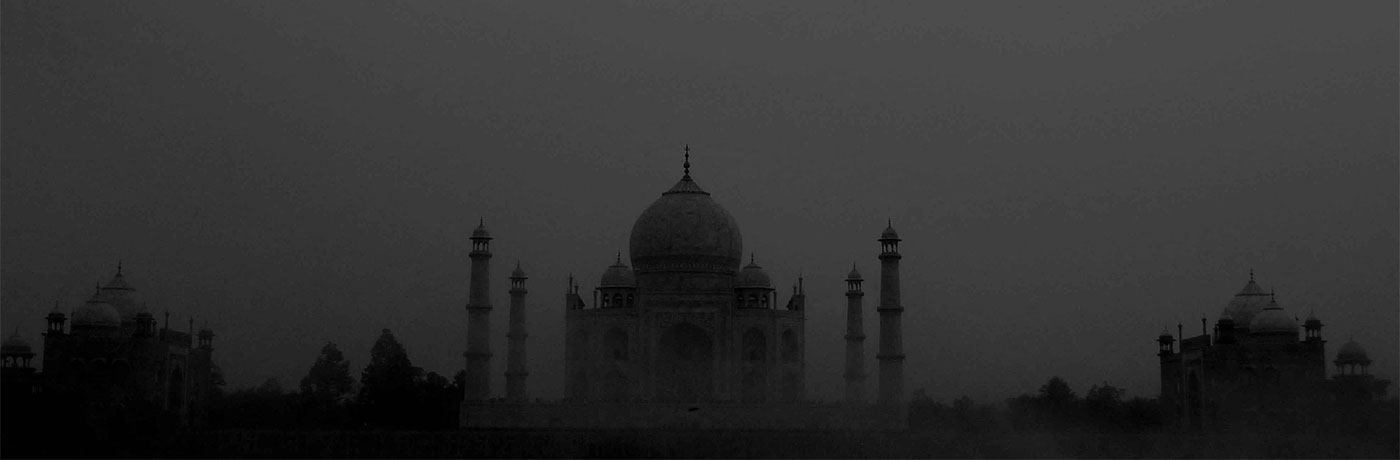
Delhi – Samode – Jaipur – Pushkar – Bikaner – Jaisalmer – Jodhpur – Kumbhalgarh – Ghanerao – Ranakpur – Udaipur – Chittorgarh – Bundi – Ranthambore – Agra – Varanasi – Delhi
Twenty-one days allow Rajasthan to be understood beyond a checklist of famous forts. The Rajasthan Tour Package 20 Nights 21 Days is designed around contrasts: metropolitan Delhi and village-oriented Samode, Jaipur's royal avenues and Pushkar's sacred ghats, the desert architecture of Bikaner and Jaisalmer, the imposing strongholds of Marwar and Mewar, the quieter heritage of Ghanerao and Bundi, Ranthambore's wildlife landscape, the Mughal grandeur of the Taj Mahal and finally the spiritual atmosphere of Varanasi.
The journey first moves from Delhi to Samode, deliberately placing a smaller heritage destination before Jaipur. Samode offers an opportunity to see a more intimate side of Rajasthan, where historic architecture and the surrounding settlement create a very different first impression from the state's larger cities. Village-oriented walking or local exploration, where included and locally appropriate, gives this section its distinctive character.
Two nights in Jaipur follow. Amber Fort, City Palace, Jantar Mantar and Hawa Mahal introduce the architectural ambitions of the Kachwaha rulers, while the old bazaars preserve the city's longstanding association with jewellery, textiles, block printing and traditional crafts.
Pushkar changes the focus from royal heritage to pilgrimage traditions. Its sacred lake, ghats and Brahma Temple create a spiritual interval before the journey begins moving farther into Rajasthan's desert belt.
The route then crosses Bikaner and Jaisalmer, two cities shaped by the geography and historic trade networks of western Rajasthan. Junagarh Fort demonstrates Bikaner's royal heritage, while two nights in Jaisalmer provide time for its inhabited fort, Jain temples and elaborately carved merchant havelis.
From the desert, the journey reaches Jodhpur, where Mehrangarh Fort dominates the Blue City. Two nights provide a stronger understanding of Marwar before the route moves south towards Kumbhalgarh and the Aravalli region.
An overnight at Kumbhalgarh brings the traveller into one of Mewar's great fortified landscapes. The following stay at Ghanerao adds a quieter heritage dimension and prevents the route from becoming a sequence of only major tourism centres.
Ranakpur is visited while continuing towards Udaipur, where three nights allow the pace to become considerably more relaxed. City Palace, Lake Pichola, Jagdish Temple and the surrounding Mewar landscape can be experienced without compressing the destination into a single sightseeing day.
Later, the itinerary travels through Chittorgarh to Bundi before reaching Ranthambore. Chittorgarh represents the monumental military history of Mewar, while Bundi introduces a smaller town of palaces, stepwells and old streets.
A night at Ranthambore adds the wildlife component. Any scheduled safari is subject to official permits, park operations and allocated zones, and tiger sightings can never be guaranteed because wildlife movement is entirely natural.
The final stages extend the journey beyond Rajasthan. Agra introduces the Taj Mahal and Mughal architecture, after which two nights in Varanasi provide a completely different conclusion through the ghats, Ganges, temples and living spiritual traditions of one of India's most significant pilgrimage cities.
For travellers looking for a 21 days Rajasthan tour with Taj Mahal and Varanasi, this itinerary offers considerably more depth than a standard Rajasthan circuit. Large royal capitals are balanced with smaller settlements, desert landscapes with Aravalli hills, architectural sightseeing with wildlife, and Rajasthan's Rajput heritage with the Mughal and spiritual traditions encountered towards the end.
Arrive in Delhi at the international airport, domestic terminal, railway station or another confirmed meeting location. Meet the representative or private driver and transfer to the selected hotel for the first overnight stay of this extensive journey.
Because international and domestic arrival times vary considerably, the first day remains intentionally flexible. Guests arriving after a long flight can use the afternoon or evening to rest, while earlier arrivals may begin with a short orientation through selected parts of the capital.
Where the schedule permits, drive through parts of New Delhi to gain an initial sense of the capital's broad avenues, prominent public architecture and contrasting neighbourhoods. A selected landmark or market can be added when sufficient time remains within the confirmed programme.
The objective of the opening day is not to compress Delhi into a hurried city tour. This itinerary covers twenty-one days and a substantial geographical area, so maintaining a comfortable beginning helps establish a more balanced travel rhythm.
Return to the hotel and rest. The following morning leaves the capital for Samode, where the character changes quickly from metropolitan India to a smaller Rajasthan heritage setting.
Overnight stay in Delhi.
After breakfast, leave Delhi and travel towards Samode. Rather than heading directly to Jaipur, the itinerary begins its Rajasthan section with a smaller settlement where heritage architecture and local surroundings create a more intimate introduction to the state.
Arrive in Samode and check into the selected heritage accommodation or hotel. The pace here is intentionally different from the larger cities that follow, giving travellers time to appreciate the destination without a long list of major monuments.
Explore appropriate sections of Samode village on foot with local guidance where such an activity forms part of the confirmed programme. Traditional streets, homes, small businesses and everyday village activity provide a perspective that differs from sightseeing within Rajasthan's formal palace complexes.
Visit or view the principal heritage architecture according to access arrangements. Decorative interiors, courtyards and traditional design elements reflect the historical importance of Samode and its relationship with the wider Jaipur region.
Spend the evening at leisure in the quieter surroundings. This first Rajasthan overnight establishes one of the central themes of the itinerary: alternating major royal centres with smaller places that reveal different aspects of regional life.
Overnight stay in Samode.
Enjoy breakfast before leaving Samode for Jaipur. The relatively short transfer makes the contrast particularly noticeable: the quieter scale of Samode gives way to Rajasthan's busy capital and one of India's best-known historic urban centres.
Arrive in Jaipur and check into the selected hotel for a two-night stay. After refreshing, begin with an introductory exploration of the historic Pink City rather than immediately attempting the complete fort and palace circuit.
Head towards Hawa Mahal, whose distinctive façade faces an active market street. The building provides a recognisable introduction to Jaipur's architecture while its surroundings demonstrate how closely the city's royal heritage remains integrated with contemporary commercial life.
Continue through selected old-city bazaars. Jewellery, gemstones, textiles, traditional printing and handicrafts remain important parts of Jaipur's identity, while the broad and comparatively organised streets reflect the principles used in planning the historic capital.
Return to the hotel after the orientation. Amber Fort, City Palace and Jantar Mantar are reserved for the following day's more detailed sightseeing programme.
Overnight stay in Jaipur.
Begin at Amber Fort, positioned among the hills outside central Jaipur. Before the establishment of the present city, Amber served as an important royal seat, and the fortified palace remains fundamental to understanding the history of Jaipur's ruling dynasty.
Pass through the historic gateways and enter the principal courtyards. The architecture gradually changes from defensive structures into elegant palace areas, where balconies, carved surfaces and former ceremonial spaces demonstrate the refinement of the royal complex.
Return towards Jaipur and pause near Jal Mahal for exterior views where local stopping conditions permit. Its position within Man Sagar Lake provides a visual contrast with Amber's hilltop setting.
Continue to City Palace, situated within the planned historic centre, and then visit nearby Jantar Mantar. The large astronomical instruments demonstrate the scientific interests of Maharaja Sawai Jai Singh II and distinguish Jaipur from the other royal capitals on the route.
Complete the afternoon around Hawa Mahal and the historic bazaars. With no road transfer scheduled today, the major monuments can be explored at a more comfortable pace.
Overnight stay in Jaipur.
After breakfast, leave Jaipur and travel towards Pushkar. The relatively short journey leads from Rajasthan's largest royal city into one of its most recognised pilgrimage towns.
Arrive and check into the selected hotel. Pushkar's atmosphere is shaped less by monumental royal architecture and more by religious traditions centred on its sacred lake, temples and ghats.
Walk towards Pushkar Lake and explore appropriate sections of the surrounding ghats. Religious ceremonies and personal rituals continue throughout the area, and visitors should respect local guidance concerning footwear, photography and behaviour.
Visit the Brahma Temple according to current opening schedules and religious regulations. Its significance within Pushkar's pilgrimage tradition makes it an essential cultural stop rather than simply another architectural monument.
Spend the evening wandering through the market lanes or relaxing around the town. The overnight stay allows Pushkar to be experienced after the busiest daytime period and creates a spiritual interval before the route moves towards Bikaner and the desert belt.
Overnight stay in Pushkar.
Leave Pushkar after breakfast and travel towards Bikaner. As the journey moves farther northwest, the landscape gradually becomes drier and the environmental character of Rajasthan's desert region becomes increasingly apparent.
The road journey itself helps place Bikaner geographically within the itinerary. The greener and hillier surroundings experienced around parts of central Rajasthan begin giving way to more open terrain, sparse vegetation and settlements adapted to a drier climate.
Arrive in Bikaner and check into the selected hotel. Depending on arrival time and official opening schedules, proceed towards Junagarh Fort, the city's principal royal monument.
Unlike many of Rajasthan's celebrated forts, Junagarh stands on relatively level terrain. Its strong defensive walls contain a collection of courtyards, balconies, ceremonial rooms and former royal apartments, revealing an architectural character quite different from Jaipur's hilltop Amber Fort.
Return to the hotel after sightseeing. Bikaner serves as the opening chapter of the desert section before the route continues deeper into western Rajasthan towards Jaisalmer.
Overnight stay in Bikaner.
After breakfast, leave Bikaner and begin the longer drive towards Jaisalmer. This journey crosses a substantial portion of western Rajasthan and gives travellers a clearer sense of the scale of the Thar landscape.
As the road progresses, settlements become more widely spaced and vegetation increasingly sparse. The changing surroundings help explain how climate, water availability and historic trading routes influenced the development of the towns and communities of western Rajasthan.
Approaching Jaisalmer, golden-yellow sandstone becomes increasingly visible in the built environment. The elevated silhouette of Jaisalmer Fort eventually appears above the city, announcing one of the most distinctive destinations on the entire itinerary.
Arrive and check into the selected hotel for a two-night stay. The main sightseeing programme is deliberately reserved for the following day so that the fort and lower city's historic architecture can be explored without rushing after the road journey.
If daylight remains, take a short walk through an appropriate market or heritage street. The sandstone façades become particularly atmospheric in softer evening light, offering an excellent first impression of the Golden City.
Overnight stay in Jaisalmer.
Begin the day at Jaisalmer Fort, one of Rajasthan's most unusual historic fortifications. Rather than functioning solely as a preserved monument, the fort remains inhabited, with homes, temples, shops and active lanes continuing within its defensive walls.
Walk through the narrow passages and explore the accessible heritage areas. The consistent use of golden sandstone across fortifications, residential buildings, balconies and religious structures gives Jaisalmer its unmistakable architectural identity.
Visit the historic Jain temples within the fort according to current opening hours and religious regulations. Their carved interiors display exceptional craftsmanship and create a delicate architectural contrast with the massive defensive structures surrounding them.
Continue into the lower city to visit selected merchant havelis. Intricately carved façades, projecting balconies and stone screens reflect the prosperity of trading families whose commercial networks played an important role in Jaisalmer's historical development.
Spend the later afternoon exploring the old city at a comfortable pace. The second overnight ensures that Jaisalmer is understood as a historic trading settlement and living desert city rather than simply a brief stop on the road through western Rajasthan.
Overnight stay in Jaisalmer.
After breakfast, leave Jaisalmer and begin the journey towards Jodhpur. The drive gradually moves away from the deeper Thar landscape while remaining within western Rajasthan, providing another opportunity to observe how settlements and vegetation change across the desert region.
Jaisalmer and Jodhpur developed under different historical circumstances, and the transition between them is visible in their architecture. Jaisalmer's identity is dominated by golden sandstone and merchant heritage, whereas Jodhpur is defined by the immense rocky presence of Mehrangarh Fort and the densely built neighbourhoods of the old city below it.
Arrive in Jodhpur and check into the selected hotel for a two-night stay. The additional night allows the city to be explored without combining its major monuments with a long road transfer.
Later, take an introductory walk around Clock Tower and Sardar Market. The area remains an active commercial centre filled with shops selling spices, textiles, handicrafts and everyday goods, providing a lively first impression of the old city.
Return to the hotel after the market visit. Mehrangarh Fort and the principal Marwar heritage landmarks are reserved for the following day.
Overnight stay in Jodhpur.
Begin the morning at Mehrangarh Fort, rising dramatically above Jodhpur from a rocky escarpment. Its enormous walls and commanding position make it one of the most powerful architectural statements encountered anywhere on this three-week journey.
Pass through the historic gateways and continue into the former palace sections. Behind the formidable fortifications are elegant courtyards, carved stone screens, balconies and royal chambers that reveal the refined court culture once protected inside.
Reach the elevated viewpoints and look across the Blue City. The tightly packed neighbourhoods stretching below Mehrangarh demonstrate the close relationship between the royal fortress and the historic settlement that grew around it.
Continue to Jaswant Thada, the marble memorial situated near the fort. Its pale stone, delicate architectural details and comparatively peaceful surroundings create an effective visual contrast with Mehrangarh's immense defensive structure.
Spend the later afternoon exploring selected streets of the old city or returning to the market district. The second Jodhpur night allows the day's sightseeing to remain focused on the city's history rather than the next transfer.
Overnight stay in Jodhpur.
Leave Jodhpur after breakfast and travel towards Kumbhalgarh. The route gradually exchanges the open landscapes of Marwar for the increasingly rugged terrain of the Aravalli region.
Arrive in Kumbhalgarh and check into the selected hotel. The destination feels markedly different from Jodhpur because its historical importance is closely connected with an isolated defensive position rather than a large urban settlement.
Proceed to Kumbhalgarh Fort according to current opening hours. The fortress occupies an imposing position among the hills and represents one of the most significant fortified landscapes associated with Mewar.
Explore the accessible gateways, defensive walls, palace areas and temples distributed throughout the complex. Elevated viewpoints help demonstrate why the surrounding terrain was so important to the strategic character of the fortress.
Return to the hotel after sightseeing. Staying overnight gives Kumbhalgarh a proper place within the itinerary instead of reducing this major Mewar stronghold to a brief roadside visit.
Overnight stay in Kumbhalgarh.
After breakfast, leave Kumbhalgarh and continue towards Ghanerao. This relatively short stage is intentionally different from the major city-to-city transfers elsewhere in the itinerary and provides time to appreciate the smaller settlements of the Aravalli region.
Arrive and check into the selected heritage accommodation or hotel. Ghanerao's appeal lies in its quieter setting and historical character rather than a long checklist of monumental attractions.
Where locally appropriate and included in the confirmed programme, spend time walking through the settlement or surrounding areas. Traditional houses, local religious sites and everyday village activity provide a closer perspective on regional life.
The experience complements the earlier stay in Samode while remaining geographically and culturally distinct. By including smaller destinations such as Ghanerao, the journey avoids presenting Rajasthan only through its royal capitals.
Spend the evening at leisure at the heritage property or within the surrounding area according to local arrangements.
Overnight stay in Ghanerao.
After breakfast, leave Ghanerao and travel towards Ranakpur, one of Rajasthan's most celebrated Jain pilgrimage centres. The journey remains within the Aravalli landscape and provides a natural connection between the smaller heritage settlements and Udaipur.
Visit the magnificent Ranakpur Jain Temple according to current opening schedules. The extensive marble structure is known for its numerous pillars, carved ceilings, domes and exceptionally detailed stone craftsmanship.
Walk through the sections open to visitors and observe how changing natural light alters the appearance of the marble interior. The architectural experience differs considerably from the defensive scale of Kumbhalgarh and Mehrangarh encountered earlier.
Ranakpur remains an active religious complex, so current rules regarding clothing, footwear, photography and belongings must be respected. After the temple visit, continue through the Aravalli region towards Udaipur.
Arrive in Udaipur and check into the selected hotel for a generous three-night stay. Spend the evening at leisure after the day's journey.
Overnight stay in Udaipur.
Begin at Udaipur City Palace, the vast royal complex overlooking Lake Pichola. Developed by successive rulers of Mewar, the palace contains interconnected courtyards, gateways, terraces, balconies and former royal apartments representing different periods of construction.
Walk through the accessible sections and observe carved windows, decorative interiors and carefully positioned viewpoints. The palace's elevated location creates extensive views across the lake, historic neighbourhoods and surrounding Aravalli hills.
Continue to Jagdish Temple, situated within the old quarter close to City Palace. As it remains an active place of worship, visitors should respect current requirements concerning footwear, photography and behaviour.
Later, visit Saheliyon Ki Bari, where fountains, garden spaces and pavilions offer a quieter environment after the extensive palace complex. The garden also reflects the importance of water within Udaipur's historical landscape.
Spend the evening near Lake Pichola. Optional boating may be arranged separately according to weather, operating schedules and the confirmed booking.
Overnight stay in Udaipur.
The third day allocated to Udaipur deliberately reduces the pace of the itinerary. After nearly two weeks of travelling through Delhi, desert Rajasthan and the Aravalli region, this additional night provides valuable time to experience the city beyond its headline monuments.
Use the morning for additional heritage sightseeing according to the confirmed programme. Selected museums, gardens, viewpoints or historic neighbourhoods can be incorporated without repeating the principal attractions covered the previous day.
Spend time walking through suitable sections of the old city, where narrow lanes contain traditional shops, workshops, temples and residential buildings. This closer street-level perspective complements the grand royal history encountered inside City Palace.
The afternoon can remain relatively relaxed. Travellers may use the time for handicraft shopping, photography, an optional lake activity or simply enjoying the atmosphere around the waterfront.
By allowing three nights in Udaipur, the itinerary creates a genuine pause before the route turns towards Chittorgarh, Bundi and Ranthambore.
Overnight stay in Udaipur.
After breakfast, leave Udaipur and travel towards Chittorgarh. Today's route links two very different historical landscapes: the monumental fortified heritage of Mewar and the smaller-scale architectural character of Bundi.
Stop at Chittorgarh Fort, an enormous complex spread across an elevated plateau. Pass through the historic gateways and explore selected palace remains, towers, temples and water structures according to available time and current access conditions.
The scale of Chittorgarh provides a dramatic contrast with Udaipur. Whereas the latter developed around lakes and palace architecture, Chittorgarh communicates its history through defensive geography, fortifications and structures spread across a vast hilltop area.
Continue towards Bundi after completing the visit. Arrive and check into the selected hotel for the night. The town's narrow streets and palace-dominated skyline create a much more intimate atmosphere after the enormous Chittorgarh complex.
Spend the evening at leisure or take a short orientation through the old quarter if time permits. Overnight stay in Bundi.
Begin the morning with sightseeing in Bundi. Explore the principal palace and fort area according to current access, appreciating how the structures rise above the compact historic settlement.
Continue to a notable stepwell where included in the confirmed programme. These structures demonstrate how practical water-management needs produced highly distinctive architectural forms in Rajasthan.
After completing the sightseeing, leave Bundi and travel towards Ranthambore. The journey introduces another major change in the itinerary, moving from historic architecture into the dry forest environment surrounding the national park.
Arrive and check into the selected wildlife resort or hotel. If the confirmed schedule includes a safari during the available park session, reporting and entry will follow the assigned permit, vehicle and zone. Otherwise, the wildlife activity will be organised according to the final operational schedule.
Ranthambore is famous for Bengal tigers, but tiger sightings are never guaranteed. Wildlife movement is entirely natural, and safari experiences vary according to season, weather, allocated zone and chance.
Overnight stay in Ranthambore.
egin according to the confirmed safari schedule if the Ranthambore wildlife safari is assigned for this morning. Enter the park under official regulations and travel only within the allocated zone and authorised route.
The national park contains dry forest, rocky ridges, open spaces and water bodies that support a broad ecosystem. Depending on natural conditions, visitors may encounter deer, antelope, monkeys, crocodiles, birdlife and other species. A tiger encounter is possible but can never be promised.
After completing the scheduled activity, return to the accommodation, check out and begin the road journey towards Agra. The transfer marks a dramatic transition from wildlife habitat to one of India's most celebrated centres of Mughal architecture.
Arrive in Agra and check into the selected hotel. Depending on arrival time, the evening may remain free or include an appropriate orientation according to the confirmed programme.
Rest after the day's safari and road journey. The Taj Mahal is reserved for the following morning when sufficient time can be given to the monument.
Overnight stay in Agra.
Begin with a visit to the Taj Mahal according to official opening schedules. Approach through the monumental gateway and formal garden, where the carefully controlled symmetry gradually reveals the white marble mausoleum.
Spend time observing the marble inlay, calligraphy, decorative stonework and architectural proportions. Commissioned by Emperor Shah Jahan in memory of Mumtaz Mahal, the complex represents one of the finest expressions of Mughal architecture.
Continue with additional Agra heritage according to the confirmed schedule and available time. The day then transitions towards Varanasi, with the exact mode and timing of onward transportation determined by the final travel arrangements.
The journey to Varanasi creates perhaps the strongest cultural transition of the entire itinerary. After weeks of forts, palaces, desert towns and wildlife landscapes, the focus changes to the living religious traditions associated with the Ganges.
Arrive in Varanasi and transfer to the selected hotel for a two-night stay. Rest according to arrival time and prepare for the following day's exploration.
Overnight stay in Varanasi.
Begin the day according to the confirmed sightseeing schedule in Varanasi, one of India's most significant pilgrimage cities. The city's importance is not defined by a single monument but by the relationship between temples, neighbourhoods, rituals and the River Ganges.
Where included and operationally suitable, an early-morning boat ride may provide a distinctive perspective on the ghats as the city begins its day. Such an activity remains subject to river conditions, weather and local regulations.
Later, explore selected historic areas and important religious sites with appropriate local guidance. The old city contains narrow lanes, active temples, markets and residential areas, requiring patience and respect for ongoing religious activity.
Towards evening, proceed to an appropriate ghat to witness the Ganges Aarti. The ceremony brings together lamps, devotional rituals, chanting and large gatherings along the riverfront and is one of the defining cultural experiences of a Varanasi stay.
Return to the hotel after the evening programme. The final night in Varanasi creates a spiritually distinctive ending to a journey that began with Delhi and crossed the royal, desert and wildlife landscapes of Rajasthan.
Overnight stay in Varanasi.
Enjoy breakfast at the hotel and use the remaining time according to the confirmed departure schedule. Transfer for the onward journey from Varanasi to Delhi by the transportation arrangement specified in the final booking.
Over twenty-one days, the route has moved through several different versions of northern India. Samode and Ghanerao introduced smaller heritage settlements, while Jaipur, Jodhpur and Udaipur presented the architecture and political history of major Rajput capitals.
Pushkar added pilgrimage traditions, Bikaner and Jaisalmer brought the journey into the desert, and Kumbhalgarh and Chittorgarh revealed the monumental fortified history of Mewar. Ranakpur demonstrated the refinement of Jain marble craftsmanship, while Bundi contributed the quieter heritage of the Hadoti region.
Ranthambore replaced architecture with forest and wildlife, followed by another complete change at Agra through the white marble grandeur of the Taj Mahal. Varanasi then concluded the cultural progression beside the Ganges through ghats, religious traditions and the evening Aarti.
Upon reaching Delhi, continue to the airport, hotel or another confirmed location according to onward travel arrangements, completing the Rajasthan Tour Package 20 Nights 21 Days – Village Trek, Taj Mahal & Varanasi.
09 Nights / 10 Days
Delhi – Samode – Jaipur – Jodhpur – Narlai – Ranakpur – Udaipur

08 Nights / 09 Days
Delhi – Jaipur – Abhaneri – Fatehpur Sikri – Agra – Orchha – Khajuraho – Varanasi – Delhi
09 Nights / 10 Days
Delhi - Agra - Ranthambore - Jaipur - Varanasi - Delhi


