Your Travel Partner
SINCE 1989
Your Travel Partner
SINCE 1989
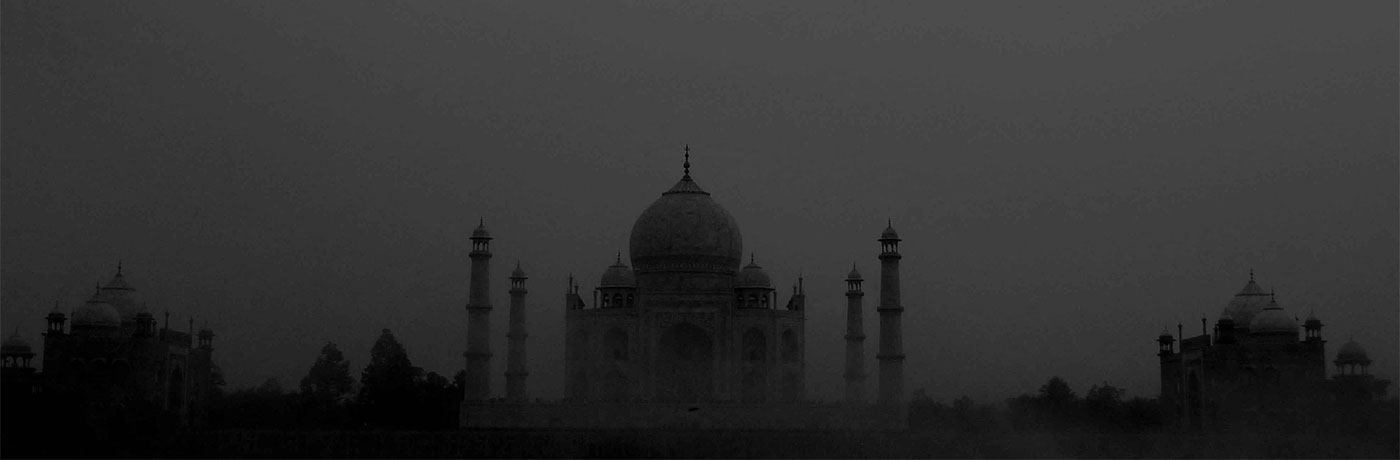
Delhi – Agra – Jaipur – Pushkar – Udaipur – Ranakpur – Jodhpur – Jaisalmer – Sam Sand Dunes – Bikaner – Mandawa – Delhi
Twenty days provide something that shorter Rajasthan itineraries rarely allow: time to understand the individual character of each destination instead of simply moving between famous monuments. The Rajasthan Tour Package 19 Nights 20 Days begins in Delhi, includes the Mughal heritage of Agra and then crosses Rajasthan through Jaipur, Pushkar, Udaipur, Ranakpur, Jodhpur, Jaisalmer, the Sam Sand Dunes, Bikaner and Mandawa before returning to Delhi. The route combines imperial cities, Rajput capitals, pilgrimage traditions, Jain architecture, desert settlements and Shekhawati's painted havelis within one continuous circuit.
The opening two nights in Delhi introduce layers of history that developed under different dynasties and political eras. Old Delhi presents dense historic neighbourhoods, Mughal landmarks and traditional commercial streets, while New Delhi is characterised by broad avenues, monumental government architecture and important twentieth-century landmarks. Beginning here provides valuable historical context before the journey moves towards Agra and Rajasthan.
Two nights in Agra prevent the Taj Mahal from becoming a hurried day trip. The city represents one of the strongest concentrations of Mughal architecture on the route, with the Taj Mahal and Agra Fort providing different perspectives on imperial design. The longer stay also creates a more comfortable transition between Delhi and Jaipur.
Three nights are allocated to Jaipur, allowing the Rajasthan portion of the journey to begin at a measured pace. Amber Fort, City Palace, Jantar Mantar and Hawa Mahal form the major architectural framework, while the old bazaars reveal Jaipur's continuing traditions in textiles, jewellery, gemstones and handicrafts. The additional time makes it possible to see the capital as a living city rather than only a collection of monuments.
The route then shifts from royal Jaipur to the pilgrimage atmosphere of Pushkar. Two nights allow travellers to appreciate the sacred lake, ghats, Brahma Temple and compact streets without reducing the town to a short stop between larger cities. Pushkar's religious identity and smaller scale provide an important contrast after Delhi, Agra and Jaipur.
From Pushkar, the journey travels south towards Udaipur, where three nights create one of the most relaxed sections of the tour. City Palace rises above Lake Pichola, while Jagdish Temple, historic neighbourhoods, gardens and the wider lake landscape introduce the royal heritage of Mewar. The additional night allows the destination to be experienced beyond a single sightseeing circuit.
The next stage passes through Ranakpur, where intricately carved Jain marble architecture marks another major shift in style. The road then reaches Jodhpur, dominated by Mehrangarh Fort and the blue-painted neighbourhoods of the historic city. Two nights provide sufficient time to appreciate both the royal stronghold and the urban landscape beneath it.
Farther west lies Jaisalmer, where golden sandstone, historic merchant havelis and an inhabited fort reveal how architecture adapted to the Thar Desert. Two nights in the city are followed by an overnight experience at Sam Sand Dunes, separating Jaisalmer's urban desert heritage from the open dune landscape.
The return journey crosses Bikaner and Mandawa. Bikaner's Junagarh Fort adds another royal stronghold to the route, while Mandawa finishes the Rajasthan circuit through the frescoed merchant architecture of Shekhawati. These northern destinations ensure that the journey does not simply retrace the same road back to Delhi.
For travellers looking for a complete Rajasthan tour package with Agra, the strength of this itinerary lies in its pacing as much as its destination list. Major cities receive multiple nights, long road sectors are balanced with slower stays, and Rajasthan is presented through several historical and geographical regions rather than a single stereotypical image of forts and desert.
Arrive in Delhi at the international airport, domestic airport, railway station or another confirmed arrival point. Meet the representative or private driver and transfer to the selected hotel. With two nights allocated to the capital, the first day is intentionally designed around arrival and orientation rather than a demanding sightseeing programme.
After completing check-in, take time to rest from the journey. Delhi can feel intense on first arrival, and beginning gradually allows travellers to adjust before exploring its historic neighbourhoods and major monuments.
If the arrival schedule permits, take a short orientation drive through an appropriate part of New Delhi. The broad avenues, landscaped areas and monumental government district provide an immediate contrast with the dense historic streets that will be encountered in Old Delhi.
Depending on available daylight, a gentle visit to a nearby market, neighbourhood or public area can also be considered. No essential monument needs to be forced into the first afternoon because a full sightseeing programme is scheduled for the following day.
Return to the hotel and prepare for the first complete sightseeing day of the Delhi Agra Rajasthan tour.
Overnight stay in Delhi.
Begin the day in Old Delhi, where the dense street pattern preserves the atmosphere of the former Mughal capital of Shahjahanabad. The contrast with the broad avenues of New Delhi makes this one of the most revealing days of the entire journey.
Visit the area around Jama Masjid, one of the major Mughal-era religious landmarks of the old city, subject to current visitor access and prayer timings. From here, continue through selected streets around Chandni Chowk, where markets, religious sites, food businesses and historic commercial activity coexist within a tightly packed urban environment.
Drive past or visit other scheduled Old Delhi landmarks according to the confirmed sightseeing plan before moving towards New Delhi. The transition between the two parts of the capital illustrates how dramatically Delhi changed under different periods of rule.
Continue through the ceremonial areas of New Delhi, seeing landmarks such as India Gate and the principal government avenues from permitted public areas. Visit selected historical monuments such as Humayun's Tomb or Qutub Minar according to the final programme and available timings.
Return to the hotel after a day that establishes the wider historical background for the Mughal and Rajput architecture encountered later in Agra and Rajasthan.
Overnight stay in Delhi.
After breakfast, check out from the Delhi hotel and begin the road journey towards Agra. The transfer moves the itinerary from India's modern capital towards one of the most important centres of Mughal architectural history.
On arrival, check into the selected hotel for a two-night stay. The additional night means Agra does not have to be approached as a hurried stop where several major monuments are compressed into only a few hours.
Later, visit Agra Fort, subject to the confirmed sightseeing schedule. The massive red sandstone fortification contains gateways, courtyards and former imperial spaces that reflect different phases of Mughal rule.
As you move through the accessible sections, notice how the fort functioned as much more than a defensive structure. It was also an imperial residence and administrative centre, with architecture ranging from formidable outer walls to more refined palace spaces.
Return to the hotel after sightseeing. Keeping the Taj Mahal for the following day allows sufficient time for India's most famous monument without combining it with the drive from Delhi.
Overnight stay in Agra.
Begin the day with the Taj Mahal, subject to its official opening schedule. Approaching through the monumental gateway gradually reveals the mausoleum beyond the formal garden, allowing the symmetry of the complex to become apparent before reaching the main marble structure.
Take sufficient time to appreciate the monument beyond its familiar distant silhouette. Marble inlay work, calligraphy, geometric planning, gardens and subsidiary buildings all contribute to the architectural composition.
The Taj Mahal was commissioned by Mughal emperor Shah Jahan in memory of Mumtaz Mahal, but its significance extends beyond its famous association with love. It also represents a highly refined stage of Mughal architectural design, craftsmanship and landscape planning.
After the principal visit, continue with other scheduled Agra sightseeing according to the confirmed itinerary and available time. Travellers may also use part of the day to observe local craft traditions historically associated with decorative stonework.
Return to the hotel for a second night in Agra. The slower two-night arrangement provides a more balanced experience before the route enters Rajasthan the following day.
Overnight stay in Agra.
After breakfast, leave Agra and travel towards Jaipur. The journey marks the transition from the Mughal architectural environment of Agra to the Rajput royal heritage that will dominate much of the Rajasthan circuit.
Arrive in Jaipur and check into the selected hotel for a three-night stay. This extended stay gives the itinerary enough flexibility to separate Jaipur's major monuments from its markets and everyday urban character.
After refreshing, begin with an orientation around the historic walled city if arrival time permits. Jaipur was established as a planned capital, and its organised street network distinguishes it from the more organically developed lanes encountered in Old Delhi.
Head towards Hawa Mahal, whose distinctive façade overlooks one of the old city's active commercial streets. The building's position demonstrates how royal architecture was integrated into the urban fabric rather than isolated from it.
Spend the evening browsing selected traditional bazaars or simply observing the Pink City's atmosphere before returning to the hotel.
Overnight stay in Jaipur.
Begin the morning with Amber Fort, situated among the hills outside central Jaipur. Before the establishment of Jaipur, Amber served as the principal seat of the Kachwaha rulers, making it essential to understanding the dynasty's earlier political history.
Enter through the fort's gateways and move across its major courtyards. The architecture changes gradually from defensive spaces into more elaborate palace sections, where balconies, carved details and ceremonial areas reveal the lifestyle of the royal court.
Return towards Jaipur and pause near Jal Mahal where local stopping regulations permit. Its location within Man Sagar Lake creates a striking contrast with Amber's elevated defensive setting.
Continue to City Palace in the historic centre. The palace represents the later royal environment established within the planned city. Nearby, visit Jantar Mantar, where monumental instruments demonstrate the astronomical interests of Jaipur's founder, Maharaja Sawai Jai Singh II.
Complete the sightseeing around Hawa Mahal and the surrounding market streets before returning to the hotel.
Overnight stay in Jaipur.
The third day in Jaipur gives the itinerary breathing space after several days of major monument sightseeing. Rather than repeating the previous day's circuit, use the morning to explore additional aspects of Jaipur according to individual interests and the confirmed programme.
Travellers interested in architecture may visit another scheduled heritage site, while those interested in traditional crafts can spend more time understanding Jaipur's long-established connections with textiles, block printing, jewellery, gemstones and handicrafts.
The historic bazaars are particularly valuable when explored without rushing. Behind the busiest commercial streets are smaller lanes containing workshops, religious buildings, traditional façades and neighbourhood activity that reveal a different side of Jaipur.
The additional time can also be used for a relaxed café stop, local shopping or simply returning to a preferred area of the old city. Any specialised workshop visit or private activity should be considered included only when specifically confirmed in the package.
Return to the hotel after a more flexible day. The three-night stay gives Jaipur a depth that is difficult to achieve in faster Rajasthan itineraries.
Overnight stay in Jaipur.
After breakfast, leave Jaipur and travel towards Pushkar. The relatively manageable transfer creates a clear change of atmosphere as the journey moves from Rajasthan's busy capital to one of its best-known pilgrimage towns.
Arrive in Pushkar and check into the selected hotel for a two-night stay. Having an additional night here allows the sacred town to be experienced at a gentler pace rather than as a brief lunch stop on the road to another city.
Proceed towards Pushkar Lake, the spiritual centre of the town. Numerous ghats surround the water, and religious rituals continue to form part of daily life. Visitors should follow local guidance regarding footwear, photography and respectful conduct around worship areas.
Continue to the Brahma Temple according to current opening hours and temple regulations. Pushkar's religious importance is closely connected with Lord Brahma, making the temple one of the town's principal pilgrimage landmarks.
Spend the evening walking through Pushkar's compact streets and market areas. The quieter scale of the town provides a marked contrast with Delhi, Agra and Jaipur and begins a new phase of the journey before the route turns towards Udaipur and southern Rajasthan.
Overnight stay in Pushkar.
Begin the second morning in Pushkar at a slower pace. Unlike Jaipur, where sightseeing revolves around large forts and formal royal monuments, Pushkar is best understood through its sacred geography, narrow streets, temples and the daily religious activity surrounding the lake. The additional night gives travellers time to appreciate these elements without immediately packing for another transfer.
Spend time around Pushkar Lake, walking through appropriate sections of the ghats while observing the rituals taking place around the water. The lake is central to Pushkar's religious identity, and visitors should treat the area as an active pilgrimage site rather than simply a sightseeing attraction. Local guidance regarding footwear, photography and access to particular sections should always be followed.
Continue through the older streets around the pilgrimage centre, where temples, traditional shops, small residences and businesses occupy a compact urban area. This part of Pushkar is particularly interesting because religious life and everyday commerce exist side by side rather than in separate districts.
Travellers may revisit the Brahma Temple or spend additional time exploring other accessible religious areas according to interest and the confirmed programme. Temple schedules can vary, and respectful clothing and conduct remain important throughout all sacred sites.
Use the evening for an unhurried walk through the town or return to the lake surroundings before sunset. The second Pushkar night creates a deliberate pause between the architectural intensity of Jaipur and the longer journey towards southern Rajasthan.
Overnight stay in Pushkar.
After breakfast, leave Pushkar and begin travelling south towards Udaipur. This longer road sector connects central Rajasthan with the former capital of Mewar and gradually introduces a noticeable change in landscape.
The surroundings become more varied as the journey progresses towards the Aravalli region. Compared with the drier areas around Pushkar, the approach to Udaipur introduces increasingly hilly terrain and a landscape historically shaped by lakes, valleys and fortified settlements.
Arrive in Udaipur and check into the selected hotel for a three-night stay. Allocating three nights here is one of the strengths of this twenty-day itinerary because it prevents the City of Lakes from becoming a hurried one-day sightseeing stop.
After the journey, keep the first evening relatively relaxed. If time permits, head towards a suitable lakefront area and take an introductory walk through the historic surroundings near Lake Pichola.
The illuminated palace façades and reflections across the water provide a very different atmosphere from the pilgrimage streets of Pushkar. Return to the hotel and rest before the following day's detailed Mewar sightseeing.
Overnight stay in Udaipur.
Begin the day at Udaipur City Palace, the enormous royal complex overlooking Lake Pichola. Developed over generations of Mewar rulers, the palace reflects centuries of architectural additions rather than the vision of a single period.
Pass through the gateways and explore the accessible courtyards, terraces and former royal chambers. Decorative balconies, stonework, windows and interior details reveal how the complex developed while retaining its commanding position above the historic city.
From elevated sections of City Palace, look across Lake Pichola, the surrounding hills and the dense old-city neighbourhoods. These views demonstrate how strongly Udaipur's identity is connected with its natural setting.
Continue to Jagdish Temple, situated within the historic quarter near City Palace. The temple remains an active religious site, and the surrounding lanes contain traditional shops, craft businesses and historic buildings that provide a closer look at everyday life within the old city.
Later, visit Saheliyon Ki Bari, where fountains, pavilions and landscaped gardens provide a quieter contrast with the extensive palace complex. Spend the evening near the lakefront. Optional boating can be arranged separately subject to weather, water conditions, operating schedules and confirmed inclusions.
Overnight stay in Udaipur.
The third day in Udaipur provides room to appreciate the city beyond its principal monuments. After breakfast, begin with a relaxed exploration based on individual interests and the sightseeing arrangements confirmed for the package.
Spend additional time within the old city, where narrow lanes connect temples, traditional residences, workshops, cafés and small shops. Udaipur has long-standing craft traditions, and the historic neighbourhoods provide opportunities to see textiles, miniature-style artwork and locally produced decorative objects without turning the day into a fixed shopping programme.
Travellers interested in the wider lake landscape can spend time around another accessible waterfront or viewpoint. Udaipur's lakes are not simply scenic additions; they form an important part of the city's historical geography and help explain its markedly different atmosphere from Jaipur, Jodhpur and the desert cities farther west.
The lighter schedule also allows travellers to rest after the first half of the twenty-day journey. A longer itinerary benefits from occasional days where every hour is not assigned to a monument, particularly before the route begins moving through Ranakpur, Jodhpur and the Thar region.
Spend the final Udaipur evening at leisure. The following morning leaves Mewar's lake capital and travels through one of Rajasthan's most important Jain temple complexes before entering Marwar.
Overnight stay in Udaipur.
Leave Udaipur after breakfast and travel through the Aravalli region towards Ranakpur. The route provides attractive changes in terrain and forms a natural cultural connection between Udaipur and Jodhpur.
Stop at the celebrated Ranakpur Jain Temple, renowned for its extensive marble architecture and extraordinary carved details. The temple presents a striking contrast with the large royal palaces visited during the previous days.
Inside the permitted sections, observe the numerous carved pillars, elaborate ceilings and domed spaces. The repetition of architectural elements creates a complex interior while detailed craftsmanship rewards closer observation.
Ranakpur remains an active religious site. Visitors should follow current rules concerning footwear, clothing, photography and restricted belongings, and access to particular sections may depend on worship schedules and local regulations.
After the visit, continue towards Jodhpur. Arrive and check into the selected hotel for a two-night stay. Depending on arrival time, enjoy a short evening orientation around the old city or relax at the hotel.
Overnight stay in Jodhpur.
Begin with Mehrangarh Fort, whose immense walls rise dramatically from the rocky escarpment above Jodhpur. The fortress is one of the strongest visual expressions of Marwar's former royal power and dominates the city from almost every direction.
Enter through the historic defensive gateways and proceed towards the former palace sections. Within the massive outer walls, courtyards, balconies, carved stone screens and decorated chambers reveal the sophisticated royal environment protected by the fortress.
Reach the elevated viewpoints and look across the historic Blue City below. The densely built neighbourhoods create a memorable contrast with the rugged stone of Mehrangarh and help demonstrate how Jodhpur developed around its royal stronghold.
Continue to Jaswant Thada, the marble memorial located close to the fort. Its lighter architecture and quieter surroundings provide a visual and atmospheric counterpoint to Mehrangarh.
Spend the later afternoon around Clock Tower and Sardar Market, where spices, textiles, handicrafts and local commerce bring the journey back into the everyday life of the city.
Overnight stay in Jodhpur.
After breakfast, leave Jodhpur and travel west towards Jaisalmer. The road moves progressively deeper into the Thar region, and the changing environment becomes an important part of the day's experience.
As the distance from Jodhpur increases, vegetation becomes sparser and settlements appear farther apart. The arid landscape helps explain the historical importance of water management and trade connections for communities that developed across western Rajasthan.
Approaching Jaisalmer, golden-yellow sandstone begins to dominate the built environment. Jaisalmer Fort rises above the surrounding city, creating the distinctive silhouette for which the Golden City is known.
Check into the selected hotel for a two-night stay. After the longer drive, the remainder of the day can be kept relaxed rather than attempting the main heritage circuit immediately.
If daylight permits, enjoy a short orientation through a nearby market or historic street and observe how the sandstone architecture changes appearance as the evening light softens.
Overnight stay in Jaisalmer.
Begin the morning at Jaisalmer Fort, an unusual fortified settlement that continues to contain homes, temples, shops and active lanes within its walls. Its living character distinguishes it from many Rajasthan forts experienced primarily as preserved monuments.
Walk through the narrow streets and explore the accessible historical areas. Golden sandstone is used extensively across walls, residences, balconies and religious structures, creating a remarkably unified architectural environment.
Visit the historic Jain temples according to current timings and access regulations. Intricate stone carving covers many interior surfaces, demonstrating a level of craftsmanship that contrasts with the heavy defensive appearance of the surrounding fortifications.
Continue into the lower city to see selected merchant havelis. Elaborately carved façades and projecting balconies reflect the wealth accumulated by trading families when Jaisalmer occupied an important position on regional commercial routes.
Spend the later afternoon exploring the old city without rushing. The following day moves from Jaisalmer's urban desert heritage into the open dune environment of Sam, so this full day remains dedicated to the historic city itself.
Overnight stay in Jaisalmer.
After breakfast, enjoy any remaining scheduled time in Jaisalmer before travelling towards the Sam Sand Dunes. The relatively short road journey creates a clear transition from a fortified desert city to a more open landscape.
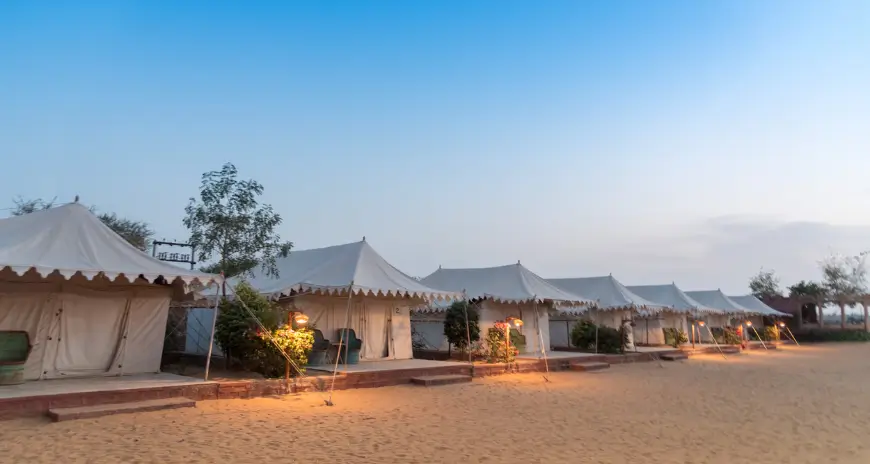
Arrive at the confirmed desert camp or accommodation and complete check-in. The exact facilities, tent category and meal arrangements depend on the selected package and should follow the final booking rather than being assumed as standard.
Later, head towards an appropriate dune area to experience the changing light across the Thar landscape. A camel ride or other desert activity may be arranged when specifically included in the confirmed package and should be operated responsibly with attention to animal welfare and weather conditions.
Sunset is often the visual focus of the Sam area, but the wider appeal comes from leaving the dense architecture of Jaisalmer behind and spending time in a more open desert environment. Conditions can vary considerably according to season, wind and visitor numbers.
Return to the camp after the dune visit. Dinner or a cultural programme is included only when stated in the confirmed accommodation plan.
Overnight stay at Sam Sand Dunes.
Wake in the desert surroundings and enjoy breakfast before beginning the longer journey towards Bikaner. The route crosses a substantial section of western Rajasthan and gradually leaves the Jaisalmer region behind.
The drive provides another opportunity to observe the scale of the Thar landscape. Small settlements, dry terrain and changing roadside environments reinforce how geography influenced settlement patterns throughout this part of Rajasthan.
Arrive in Bikaner and check into the selected hotel. According to arrival time and official opening hours, proceed towards Junagarh Fort, the city's principal royal monument.
Unlike many major Rajasthan forts constructed on hilltops, Junagarh stands on comparatively level ground. Its formidable exterior encloses courtyards and palace sections containing decorative architectural details and former ceremonial spaces.
After the visit, return to the hotel and relax following the long road journey.
Overnight stay in Bikaner.
After breakfast, leave Bikaner and travel towards Mandawa in the Shekhawati region. The day's journey gradually shifts the historical focus from royal fortifications towards the merchant heritage of northern Rajasthan.
Arrive in Mandawa and check into the selected hotel or heritage property. Later, begin exploring selected streets containing the town's historic painted havelis.
Look beyond the façades to understand the architecture of these former merchant residences. Decorative gateways, internal courtyards, projecting balconies and fresco-covered surfaces reflect the prosperity of trading families who maintained commercial links far beyond their hometowns.
The painted themes found across Shekhawati developed over different periods, and the condition of individual havelis varies considerably. Access should therefore follow current local arrangements rather than assuming every historic residence is open to visitors.
Spend the final Rajasthan evening within Mandawa's quieter surroundings. After weeks of imperial cities, royal capitals and desert landscapes, Shekhawati provides a fitting final chapter based on merchant architecture and smaller-town heritage.
Overnight stay in Mandawa.
After breakfast, check out from the Mandawa hotel and begin the road journey back towards Delhi. The route completes the large circuit through northern India without requiring travellers to retrace the western Rajasthan journey through the same major cities.
The twenty-day itinerary has moved through several distinct historical traditions. Delhi introduced multiple periods of imperial and modern history, while Agra brought the journey into the architectural world of the Mughals through the Taj Mahal and Agra Fort.
Rajasthan then unfolded gradually rather than through a single type of landscape. Jaipur represented a planned royal capital, Pushkar introduced pilgrimage traditions, Udaipur brought the lakes and palaces of Mewar, and Ranakpur demonstrated the intricacy of Jain marble architecture.
Jodhpur and Jaisalmer shifted the journey into Marwar and the Thar region, followed by an overnight experience near the Sam Sand Dunes. Bikaner contributed another important royal centre before Mandawa closed the Rajasthan section through the painted merchant havelis of Shekhawati.
On arrival in Delhi, transfer to the airport, railway station, hotel or another confirmed location according to the onward travel arrangements, completing the Rajasthan Tour Package 19 Nights 20 Days – Complete Rajasthan with Agra.

05 Nights / 06 Days
Jaipur – Jodhpur – Ranakpur – Udaipur
10 Nights / 11 Days
Delhi - Agra - Jaipur - Jodhpur - Udaipur - Delhi
12 Nights / 13 Days
Delhi - Jaipur - Jodhpur - Jaisalmer - Udaipur - Delhi