Your Travel Partner
SINCE 1989
Your Travel Partner
SINCE 1989
Delhi – Agra – Bharatpur – Ranthambore – Jaipur – Pushkar – Udaipur – Ranakpur – Jodhpur – Jaisalmer
A well-planned Rajasthan journey does not need to begin and end with the same type of experience. The Rajasthan Tour Package 12 Nights 13 Days moves through a carefully changing sequence of Mughal architecture, wetlands, wildlife habitat, Rajput capitals, sacred Pushkar, the lake landscapes of Mewar, Jain marble architecture, Marwar's imposing fortress and the golden sandstone heritage of Jaisalmer. Beginning in Delhi and finishing in the Thar gives the itinerary a clear sense of progression rather than creating a repetitive circuit.
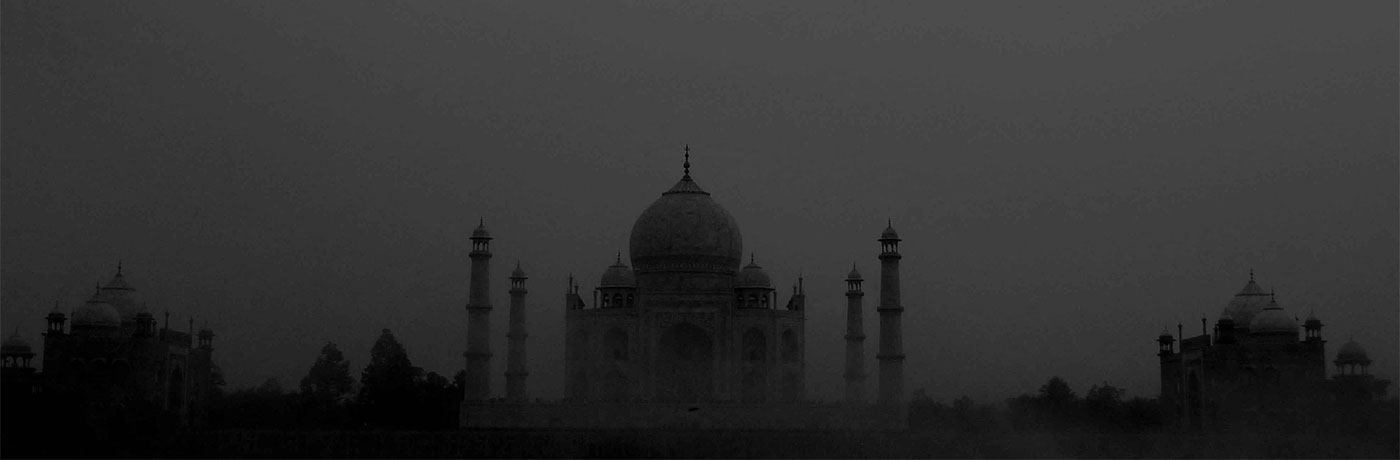
The first night is spent in Agra, bringing the Taj Mahal into the opening stage of the holiday. Its white marble architecture and formal Mughal planning create a striking starting point before Rajasthan's sandstone forts, painted city streets and desert landscapes begin to dominate the route.
The journey from Agra towards Ranthambore includes Bharatpur as an en-route stop. The region is closely associated with Keoladeo National Park and its wetland ecosystem. Where the confirmed programme includes a park visit, travellers can encounter a completely different environment from the architectural heritage of Agra before continuing into Rajasthan.
Two nights at Ranthambore provide time for a scheduled wildlife safari subject to official permits and park operations. The reserve combines dry forest, rocky ridges, water bodies and historic ruins, creating an unusual landscape where Rajasthan's natural and cultural history overlap.
Ranthambore is strongly associated with Bengal tigers, but wild animals move freely within their habitat and tiger sightings are never guaranteed. The safari should be valued as an opportunity to enter a protected ecosystem where deer, antelope, monkeys, crocodiles, birds and other wildlife may also be encountered.
The route then reaches Jaipur for two nights. Amber Fort introduces the earlier hill-based royal seat, while City Palace, Jantar Mantar, Hawa Mahal and the historic bazaars represent the later planned capital. After the forests of Ranthambore, Jaipur returns the journey to large-scale royal architecture and active urban heritage.
An overnight stay in Pushkar adds another change of atmosphere. The sacred lake, ghats and Brahma Temple are connected with pilgrimage traditions rather than royal power, giving the itinerary a spiritual interval before it moves south towards Udaipur.
Two nights in Udaipur introduce Mewar through City Palace, Lake Pichola, Jagdish Temple and the surrounding Aravalli landscape. From there, the road towards Jodhpur includes Ranakpur Jain Temple, whose intricately carved marble interior creates one of the strongest architectural contrasts of the entire journey.
Two nights in Jodhpur bring Mehrangarh Fort and the Blue City into focus before the route turns west for its final destination. Jaisalmer then completes the itinerary through a living fort, Jain temples, merchant havelis and the golden sandstone architecture associated with Rajasthan's deeper desert region.
For travellers searching for a 13 days Rajasthan tour package, this route provides an unusually broad range of settings without trying to cover every city in the state. The Taj Mahal, wildlife, sacred towns, lakes, forts and the Thar Desert appear as connected stages of one journey, with two-night stays reserved for several of the most important destinations.
Meet the representative or private driver at the confirmed location in Delhi and begin travelling towards Agra. Delhi functions as the starting point of the itinerary rather than an overnight destination, allowing the first night to be spent directly in the Mughal heritage city.
On arrival in Agra, check into the selected hotel and refresh. The sightseeing sequence can be adjusted according to the arrival time and official monument schedules so that the city's principal landmarks are not unnecessarily rushed.
Proceed to the Taj Mahal when timing permits. Entering through the monumental gateway gradually reveals the white marble mausoleum beyond the formal garden, creating the carefully controlled visual approach for which the complex is renowned.
Spend sufficient time observing the marble inlay, calligraphy, geometric ornamentation, garden planning and subsidiary buildings. Commissioned by Emperor Shah Jahan in memory of Mumtaz Mahal, the Taj Mahal represents one of the most refined architectural achievements of the Mughal period.
If the arrival schedule does not allow a comfortable Taj Mahal visit, the sequence can be adjusted within the confirmed operational plan. Return to the hotel after sightseeing.
Overnight stay in Agra.
After breakfast, leave Agra and begin travelling towards Rajasthan. The route includes Bharatpur as an en-route stop, creating a natural transition between Agra's architectural heritage and the wildlife landscapes encountered at Ranthambore.
Where the confirmed programme includes Keoladeo National Park, enter according to official timings and local arrangements. The park contains wetlands, woodland and open habitat that support varied birdlife depending on season, water levels and natural conditions.
The Bharatpur experience differs fundamentally from conventional monument sightseeing. Bird and wildlife observations cannot be predetermined, so the value lies in moving through the ecosystem and seeing whichever species are naturally present during the visit.
Continue afterwards towards Ranthambore. As the journey progresses, the landscape changes again, approaching the dry forest, rocky terrain and wildlife habitat associated with the national park region.
Arrive and check into the selected wildlife resort or hotel for a two-night stay. Spend the evening at leisure and prepare for the scheduled safari according to the assigned reporting time.
Overnight stay in Ranthambore.
Begin according to the assigned reporting time for the scheduled Ranthambore wildlife safari. Entry is controlled through official permits, and the exact zone, vehicle and route depend on allocations made under current park regulations.
Travel through a landscape of dry deciduous forest, rocky formations, open areas and seasonal water bodies. Historic structures visible in parts of the reserve give Ranthambore a distinctive character where wildlife habitat and traces of Rajasthan's past occupy the same landscape.
The national park is internationally known for Bengal tigers, but no tiger sighting can be guaranteed. Wildlife movement depends on natural behaviour, season, weather and chance, and responsible safari planning never promises the appearance of a particular animal.
Depending on conditions, visitors may encounter deer, antelope, monkeys, wild boar, crocodiles and a variety of birdlife. Following instructions from authorised naturalists, guides and park staff is essential throughout the safari.
Return to the accommodation after the scheduled activity. The remaining time can be used for rest, while any additional safari requires a separate permit and should be considered included only when specifically confirmed.
Overnight stay in Ranthambore.
After breakfast, leave Ranthambore and travel towards Jaipur. The transfer changes the character of the journey dramatically, replacing wildlife habitat with Rajasthan's largest concentration of planned royal architecture and traditional urban commerce.
Arrive in Jaipur and check into the selected hotel for a two-night stay. After refreshing, begin with a comfortable orientation through the historic walled city rather than attempting every major monument immediately after the drive.
Head towards Hawa Mahal, whose multi-windowed façade rises directly beside one of the old city's active market streets. The setting shows how Jaipur's royal architecture remains closely integrated with its commercial districts.
Continue through selected bazaars associated with jewellery, gemstones, textiles, block printing and handicrafts. The organised street pattern reflects the planning principles used when Jaipur was established as a new royal capital.
Return to the hotel after the introductory walk or drive. Amber Fort and the principal Pink City monuments are reserved for the following day's full sightseeing programme.
Overnight stay in Jaipur.
Begin the morning at Amber Fort, situated among the hills outside central Jaipur. Before Jaipur was founded, Amber served as the principal royal seat, and its fortified location provides important context for understanding the dynasty's earlier history.
Enter through the historic gateways and explore the major courtyards and accessible palace sections. The complex gradually shifts from powerful defensive architecture into more refined royal spaces decorated with balconies, carved surfaces and ceremonial details.
Return towards Jaipur and pause near Jal Mahal for exterior views where local stopping conditions allow. The palace within Man Sagar Lake creates a memorable visual transition between Amber and the historic city.
Continue to City Palace, the royal centre of the later planned capital, followed by nearby Jantar Mantar. Its monumental astronomical instruments reflect Maharaja Sawai Jai Singh II's interest in scientific observation and distinguish Jaipur from Rajasthan's other royal cities.
Complete the day around Hawa Mahal and the surrounding old-city markets. With a second night in Jaipur, there is no need to combine the sightseeing with an onward road transfer.
Overnight stay in Jaipur
Leave Jaipur after breakfast and travel towards Pushkar. The shorter transfer introduces a very different side of Rajasthan after the monumental forts, palaces and planned streets of the state capital.
Arrive in Pushkar and check into the selected hotel. The town is organised around a sacred landscape rather than a royal fortress, and religious traditions remain central to its identity.
Proceed towards Pushkar Lake, where numerous ghats surround the water. Walk through appropriate public sections while respecting ongoing worship and local rules regarding footwear, photography and behaviour.
Continue to the Brahma Temple according to current opening schedules and religious regulations. The temple's association with Lord Brahma makes it one of the most significant landmarks in Pushkar's pilgrimage tradition.
Spend the evening exploring the compact market streets and quieter lanes around the town. Pushkar provides an effective pause between Jaipur's busy urban environment and the longer road journey towards Udaipur.
Overnight stay in Pushkar.
After breakfast, leave Pushkar and begin the longer journey towards Udaipur. The route turns south through Rajasthan and gradually approaches the landscapes historically associated with Mewar.
The scenery changes as the influence of the Aravalli hills becomes increasingly visible. This shift in geography prepares the transition from the relatively dry surroundings of Pushkar to a city strongly identified with lakes and elevated terrain.
Arrive in Udaipur and check into the selected hotel for a two-night stay. After the road journey, the remainder of the afternoon is deliberately kept lighter.
If sufficient time remains, take an introductory walk through an appropriate section of the historic city or spend time near Lake Pichola. Palace façades, ghats, old neighbourhoods and the surrounding hills immediately distinguish Udaipur from Jaipur and Pushkar.
Reserve City Palace and the principal sightseeing programme for the following day. Enjoy the evening at leisure in the City of Lakes.
Overnight stay in Udaipur.
Begin at Udaipur City Palace, the extensive royal complex overlooking Lake Pichola. Constructed and expanded over generations, the palace contains a network of gateways, courtyards, terraces and former royal chambers rather than a single uniform building.
Walk through the accessible areas and observe decorative windows, carved balconies, interior ornamentation and elevated viewpoints. From several sections, views extend across Lake Pichola, the historic city and the surrounding Aravalli hills.
Continue to Jagdish Temple, situated within the old quarter near City Palace. The temple remains active, so visitors should observe current religious-site regulations while exploring the surrounding historic streets.
Later, visit Saheliyon Ki Bari, whose fountains, garden spaces and pavilions create a calmer contrast to the scale and complexity of City Palace. The use of water throughout the garden reflects one of the defining elements of Udaipur's historical landscape.
Spend the evening around Lake Pichola or another suitable waterfront area. Optional boating can be arranged separately subject to weather, operating conditions and the confirmed package.
Overnight stay in Udaipur.
After breakfast, check out from the Udaipur hotel and begin travelling towards Ranakpur. Leaving the lake landscapes of Mewar behind, the road passes through the Aravalli region and provides a scenic transition towards the historically distinct territory of Marwar.
Stop at the renowned Ranakpur Jain Temple, one of Rajasthan's most remarkable examples of marble religious architecture. The temple presents an entirely different architectural character from Udaipur City Palace, Jaipur's forts and the Mughal monuments experienced earlier in the journey.
Enter the permitted areas and spend time examining the intricately carved pillars, ceilings, domes and sculptural details. The extensive use of marble and the repetition of finely worked structural elements create an interior that rewards careful observation rather than a hurried visit.
Ranakpur remains an active Jain religious complex, and current rules concerning footwear, clothing, photography and restricted belongings should be respected. Access to specific sections can also vary according to religious schedules and local management requirements.
Continue towards Jodhpur after the temple visit. Arrive and check into the selected hotel for a two-night stay. If sufficient time remains, enjoy a short orientation around the old city or relax at the hotel before the following day's detailed Marwar sightseeing.
Overnight stay in Jodhpur.
Begin the morning at Mehrangarh Fort, the enormous stronghold rising from a rocky escarpment above Jodhpur. Its elevated position and massive walls create one of the most dramatic fortress settings encountered during the thirteen-day journey.
Pass through the historic gateways and continue into the former palace sections. Behind the formidable defensive walls are elegant courtyards, carved stone screens, balconies and royal chambers that reveal the sophisticated court culture of Marwar.
Reach the elevated viewpoints overlooking the Blue City. From above, Jodhpur's tightly packed historic neighbourhoods spread beneath the fortress, creating a clear visual relationship between the royal stronghold and the settlement that developed around it.
Continue to Jaswant Thada, the marble memorial situated close to Mehrangarh. Its pale stonework and quieter setting create a distinct contrast with the rugged scale of the fort.
Later, spend time around Clock Tower and Sardar Market, where traditional shops, spices, textiles, handicrafts and local commerce animate the old-city streets. Return to the hotel after completing the day's heritage exploration.
Overnight stay in Jodhpur.
After breakfast, leave Jodhpur and begin travelling west towards Jaisalmer. This final major road sector takes the itinerary deeper into the Thar region and introduces increasingly arid landscapes as the distance from Jodhpur grows.
Observe the gradual changes along the road. Vegetation becomes sparser, settlements are separated by greater distances and the environment begins to demonstrate the geographical conditions that shaped life, architecture and trade across western Rajasthan.
As Jaisalmer approaches, golden-yellow sandstone becomes increasingly prominent. The elevated silhouette of Jaisalmer Fort rises above the city, immediately distinguishing the destination from Jodhpur's rocky Mehrangarh and Udaipur's lakefront palaces.
Check into the selected hotel for a two-night stay. The first evening is intentionally lighter so that the fort, Jain temples and historic merchant havelis can be explored properly the following day.
If daylight permits, take a short walk through an appropriate market or heritage street and observe how the sandstone architecture changes colour as the evening light softens.
Overnight stay in Jaisalmer.
Begin with Jaisalmer Fort, the architectural centrepiece of the Golden City. Unlike many historic forts functioning mainly as preserved monuments, Jaisalmer Fort continues to contain homes, temples, shops and everyday activity within its walls.
Walk through the narrow fortified lanes and explore the accessible heritage sections. Golden sandstone dominates the architecture, creating visual continuity across defensive structures, residential buildings, balconies and religious spaces.
Visit the Jain temples within the fort according to current visitor timings and religious regulations. Their richly carved stone interiors demonstrate a remarkable level of craftsmanship and add an important religious dimension to Jaisalmer's historical identity.
Continue into the lower city to see selected historic merchant havelis. Elaborate façades, projecting balconies and carved screens reflect the prosperity of trading families whose commercial connections contributed significantly to the development of Jaisalmer.
Spend the later afternoon exploring the old city at a comfortable pace. This full sightseeing day allows Jaisalmer to be appreciated as a historic trading centre and living desert city rather than simply as a final overnight destination.
Overnight stay in Jaisalmer.
Enjoy breakfast at the hotel and use the final morning according to the confirmed flight, train or onward travel schedule. Travellers with a later departure may have time for a relaxed market visit, additional photography or a final walk through an accessible part of Jaisalmer.
The thirteen-day journey began with the Mughal heritage of Agra, where the white marble Taj Mahal provided an architectural starting point entirely different from the sandstone cities that followed.
Bharatpur and Ranthambore then shifted the journey into natural landscapes. Wetland habitat around Bharatpur was followed by the dry forest and wildlife environment of Ranthambore, creating a substantial contrast with conventional Rajasthan monument tours.
Jaipur introduced the grand architecture of the Rajput capitals through Amber Fort, City Palace and Jantar Mantar, while Pushkar brought the journey into a sacred landscape centred on its lake, ghats and Brahma Temple. Udaipur followed with Mewar's distinctive combination of palaces, lakes and Aravalli scenery.
Ranakpur's intricately carved marble temple created another architectural transition before the route entered Marwar through Jodhpur. Mehrangarh Fort and the Blue City then led naturally towards the final desert destination, where Jaisalmer's golden sandstone completes the progression into western Rajasthan.
Check out and transfer to Jaisalmer Airport, railway station or another confirmed departure point, completing the Rajasthan Tour Package 12 Nights 13 Days – Agra, Ranthambore, Udaipur & Jaisalmer.
09 Nights / 10 Days
Delhi - Agra - Abhaneri - Jaipur - Varanasi - Delhi
10 Nights / 11 Days
Delhi - Agra - Jaipur - Jodhpur - Udaipur - Delhi
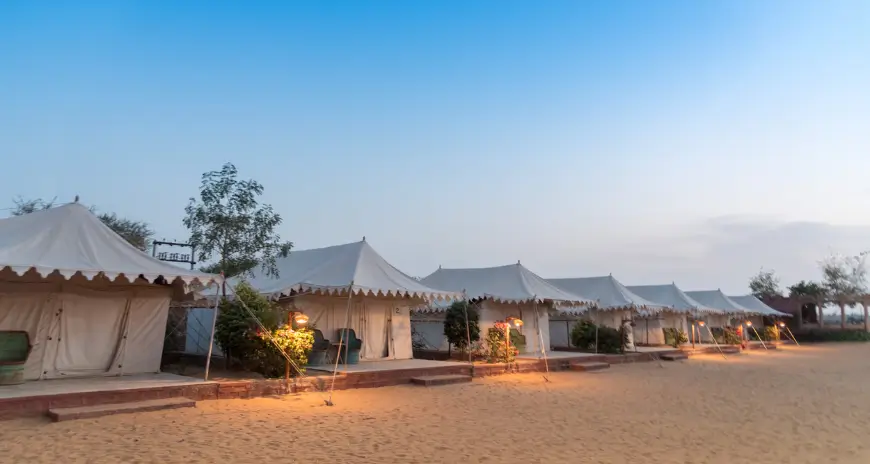
12 Nights / 13 Days
Delhi - Jaipur - Jodhpur - Jaisalmer - Udaipur - Delhi