
Your Travel Partner
SINCE 1989
Your Travel Partner
SINCE 1989
Delhi – Agra – Bharatpur – Ranthambore – Bundi – Chittorgarh – Udaipur – Kumbhalgarh – Jodhpur – Jaipur
Rajasthan reveals a very different personality when its great forts and palaces are combined with wetlands, wildlife reserves and smaller historic towns. The Rajasthan Tour Package 14 Nights 15 Days follows that more varied approach. Beginning in Delhi, it moves through Agra and Bharatpur before entering Rajasthan's wildlife country at Ranthambore, then continues through Bundi, Chittorgarh, Udaipur, Kumbhalgarh, Jodhpur and Jaipur.
The first major destination is Agra, where Mughal architecture provides a powerful opening through the Taj Mahal and the city's imperial heritage. Instead of travelling directly from Agra to Jaipur, however, this itinerary turns towards Bharatpur and introduces a completely different environment.
Bharatpur is associated internationally with Keoladeo National Park, a celebrated wetland and bird habitat. An overnight stay gives travellers an opportunity to experience the landscape at a more suitable pace rather than treating Bharatpur as merely a roadside stop between Agra and Rajasthan.
From Bharatpur, the route moves towards Ranthambore for two nights. Here dry forest, rocky ridges, lakes and historic ruins create one of Rajasthan's most distinctive wildlife landscapes. A scheduled safari provides the opportunity to enter the national park under official regulations.
Although Ranthambore is famous for Bengal tigers, wildlife remains unpredictable. Tiger sightings are never guaranteed, and a meaningful safari should be appreciated for the complete ecosystem, which can include deer, antelope, monkeys, crocodiles, birdlife and other species depending on the season and allocated zone.
After the wildlife section, Bundi introduces a quieter architectural experience. The historic town is known for its palace, fort setting, stepwells and traditional streets, making it an excellent counterpoint to Rajasthan's larger tourism centres.
The next overnight is at Chittorgarh, allowing the enormous hill fort to receive more time than a short en-route visit. Chittorgarh's fortifications, palace remains, towers, temples and water structures represent one of the most historically significant landscapes associated with Mewar.
Two nights in Udaipur then shift the mood from a vast fortified plateau to a royal capital shaped by lakes and hills. City Palace, Lake Pichola, Jagdish Temple and the old city form the architectural heart of the stay.
The journey continues to Kumbhalgarh, another great Mewar stronghold but with a very different setting from Chittorgarh. Surrounded by the Aravalli landscape, the fortress adds a more remote defensive chapter before the itinerary enters Marwar.
Two nights in Jodhpur bring Mehrangarh Fort and the Blue City into focus, while the final two nights in Jaipur complete the journey through Amber Fort, City Palace, Jantar Mantar, Hawa Mahal and the Pink City's historic markets.
For travellers looking for a 15 days Rajasthan tour package, the route stands apart because wildlife and natural landscapes are woven directly into the heritage circuit. Mughal Agra, Bharatpur's wetlands, Ranthambore's forests, Bundi's quieter streets and the great Rajput centres of Mewar, Marwar and Jaipur create a journey with continuous changes in setting and character.
Arrive in Delhi at the international airport, domestic terminal, railway station or another confirmed meeting point. Meet the representative or private driver and transfer to the selected hotel for the opening night.
Because arrival times vary, the first day's programme remains deliberately flexible. Travellers arriving after a long journey can check in and rest, while those reaching Delhi earlier can use the available time for a short introduction to the capital.
Where timing permits, take an orientation drive through selected parts of New Delhi. Broad avenues, prominent public buildings and major landmarks provide a visual introduction before the route moves towards the Mughal city of Agra.
A selected monument, neighbourhood or market can be included according to the confirmed schedule, but the arrival day should not become an unnecessarily compressed sightseeing programme. The following two weeks contain a wide variety of destinations and experiences.
Return to the hotel and rest before the first road journey.
Overnight stay in Delh.
After breakfast, leave Delhi and travel towards Agra. The journey moves from India's contemporary capital towards one of the most important centres of Mughal architectural history.
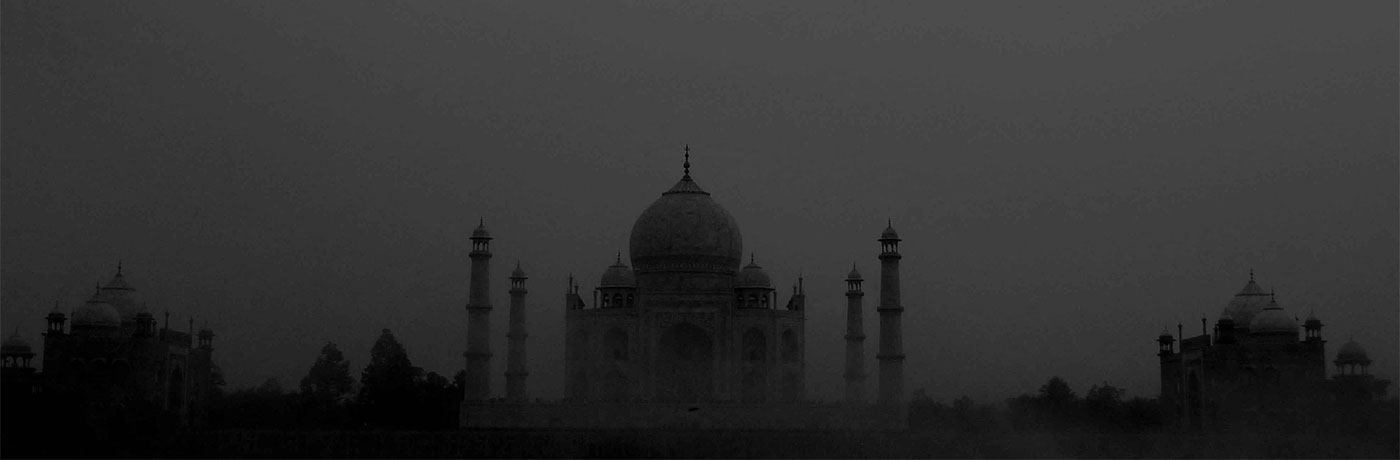
Arrive in Agra and check into the selected hotel. According to the confirmed schedule and official opening hours, proceed to the Taj Mahal, allowing sufficient time to experience the monument beyond its familiar photographic viewpoints.
Enter through the monumental gateway and walk through the formal garden towards the white marble mausoleum. Symmetry, water channels, calligraphy, marble inlay and carefully proportioned subsidiary structures all contribute to the composition of the complex.
Commissioned by Emperor Shah Jahan in memory of Mumtaz Mahal, the Taj Mahal represents one of the most refined achievements of Mughal architecture. Observing the craftsmanship at closer range reveals details that are easily overlooked when the monument is viewed only from the main garden axis.
If the schedule permits, include additional Agra heritage according to the confirmed programme. Return to the hotel after sightseeing and prepare to move from Mughal architecture into the natural environment of Bharatpur.
Overnight stay in Agra.
Leave Agra after breakfast and travel towards Bharatpur. The relatively manageable transfer creates a dramatic change in focus, moving from monumental Mughal architecture to one of northern India's best-known wetland environments.
Arrive and check into the selected hotel. Later, proceed towards Keoladeo National Park according to the confirmed programme, official opening times and applicable entry arrangements.
The park's wetland habitats, woodland sections and open areas support a wide variety of resident and migratory birdlife depending on season and water conditions. Rather than expecting a fixed species checklist, the visit should be approached as an opportunity to observe a functioning natural ecosystem.
Explore the permitted areas using the locally authorised mode arranged for the visit. Bird activity varies by season and time of day, while sightings depend entirely on natural conditions. Binoculars can be particularly useful for travellers interested in birdwatching.
Return to the hotel after the nature experience. Bharatpur's overnight stay creates a deliberate environmental pause between Agra's monuments and the wildlife landscape of Ranthambore.
Overnight stay in Bharatpur.
After breakfast, leave Bharatpur and begin travelling towards Ranthambore. The route continues the nature-focused section of the itinerary but shifts from a wetland ecosystem to dry forest, rocky terrain and the wildlife habitat surrounding Ranthambore National Park.
Arrive and check into the selected wildlife resort or hotel for a two-night stay. The surroundings provide a marked contrast with the urban destinations experienced during the opening days.
Use the remainder of the afternoon to rest and prepare for the scheduled safari. Wildlife excursions operate according to official reporting times, allocated zones, authorised vehicles and permit conditions rather than the flexible timing of conventional city sightseeing.
The national park is widely known for Bengal tigers, but no wildlife itinerary can responsibly guarantee a sighting. The safari should instead be understood as an opportunity to enter a protected habitat and observe the broader ecosystem.
Spend the evening at the accommodation and prepare according to the confirmed safari reporting schedule. Overnight stay in Ranthambore.
Begin the day according to the assigned reporting time for the Ranthambore wildlife safari. The safari operates under official park regulations, and the exact zone and route depend on the permit allocated by the relevant authorities.
Travel through a landscape of dry forest, rocky ridges, open clearings and seasonal water bodies. Historic ruins scattered through parts of the reserve give Ranthambore an unusual visual character where cultural remains and natural habitat coexist.
Wildlife encounters vary with season, weather, movement patterns and chance. Deer, antelope, monkeys, wild boar, crocodiles and numerous bird species may be encountered, while tiger sightings cannot be promised or guaranteed.
Follow all instructions given by authorised guides and park staff. Maintaining appropriate noise levels, remaining inside the designated safari vehicle and avoiding disturbance to wildlife are essential parts of responsible park visitation.
Return to the accommodation after the scheduled safari. Spend the remainder of the day at leisure. Any additional safari requires a separate confirmed permit and should not be assumed to form part of the standard package. Overnight stay in Ranthambore.
After breakfast, leave Ranthambore and travel towards Bundi. After two nights centred on wildlife, the itinerary returns to architecture, but in a town with a noticeably different character from Jaipur, Udaipur or Jodhpur.
Arrive and check into the selected hotel. Bundi's historic quarter sits beneath its fort and palace complex, with narrow streets and older residential areas creating an intimate urban landscape.
Proceed towards the Bundi Palace and fort area according to current access conditions. The elevated architecture above the town provides impressive perspectives while revealing the historical importance of Bundi within the Hadoti region.
Continue to one of Bundi's notable stepwells where included in the confirmed sightseeing programme. Stepwells demonstrate how architecture was developed around the practical requirement of accessing and managing water in Rajasthan's climate.
Spend the evening walking through appropriate sections of the old town. Bundi's smaller scale and comparatively relaxed environment make it an important change of pace before the monumental fort landscape of Chittorgarh.
Overnight stay in Bundi.
Leave Bundi after breakfast and travel towards Chittorgarh. The journey shifts from the intimate architecture of Bundi to one of Rajasthan's largest and most historically significant fortified landscapes.
Arrive and check into the selected hotel. Unlike itineraries that treat Chittorgarh only as an en-route stop, an overnight stay provides more flexibility for exploring the fort without immediately continuing to another city.
Proceed to Chittorgarh Fort, positioned across an extensive elevated plateau. The complex contains multiple gateways, palace remains, temples, towers and water structures spread over a large area.
Explore selected major sections according to available time and official access. The fort is deeply connected with the political history and traditions of Mewar, and its scale communicates the strategic importance of the stronghold far more effectively than a brief exterior stop.
As the sightseeing concludes, return to the hotel for the night. The following morning continues from Chittorgarh towards Udaipur, linking two very different centres of Mewar history. Overnight stay in Chittorgarh.
After breakfast, leave Chittorgarh and travel towards Udaipur. Although both destinations are strongly associated with Mewar, their physical settings and architectural personalities are remarkably different.
Chittorgarh is defined by its vast fortified plateau, whereas Udaipur developed within a landscape of lakes and Aravalli hills. The road journey therefore creates both a historical connection and a visible geographical transition.
Arrive in Udaipur and check into the selected hotel for a two-night stay. After refreshing, begin with a gentle orientation rather than immediately attempting the complete palace circuit.
Walk through an appropriate section of the old city or spend time near Lake Pichola. Palace façades, ghats, temples and densely built historic neighbourhoods create an atmosphere very different from the open scale of Chittorgarh Fort.
Keep City Palace, Jagdish Temple and the principal Udaipur sightseeing for the following day. Spend the evening at leisure in the City of Lakes.
Overnight stay in Udaipur.
Begin the morning at Udaipur City Palace, the enormous royal complex positioned above Lake Pichola. Developed by successive rulers of Mewar, the palace contains interconnected courtyards, gateways, terraces and former royal chambers that reflect several phases of construction rather than a single architectural period.
Walk through the accessible palace areas and observe carved balconies, ornamental windows, decorative interiors and carefully positioned viewpoints. From the elevated sections, the old city, Lake Pichola and the surrounding Aravalli hills come together in a panorama that explains why Udaipur's landscape is so closely tied to its royal architecture.
Continue towards Jagdish Temple, located within the historic quarter close to City Palace. The temple remains an active religious site, and visitors should respect current rules concerning footwear, photography and appropriate conduct. The surrounding lanes contain traditional shops, residential buildings and craft businesses that reveal another side of the old city.
Later, visit Saheliyon Ki Bari, whose fountains, pavilions and landscaped gardens provide a quieter contrast to the extensive palace complex. The use of water throughout the garden reflects the broader importance of lakes and water systems in Udaipur's historical development.
Spend the evening near Lake Pichola or another suitable waterfront area. Optional boating can be arranged separately subject to weather, operating schedules and the confirmed booking.
Overnight stay in Udaipur.
After breakfast, leave Udaipur and travel through the Aravalli hills towards Kumbhalgarh. The comparatively shorter road sector allows the day to focus on one of Mewar's most imposing defensive landscapes.
Arrive in Kumbhalgarh and check into the selected hotel. Unlike Udaipur, where royal architecture is closely associated with lakes and an active urban environment, Kumbhalgarh is defined by rugged hills, defensive walls and a more isolated setting.
Proceed to Kumbhalgarh Fort according to current opening hours. The fortress occupies a commanding position within the Aravalli landscape and was designed around the strategic advantages offered by the surrounding terrain.
Pass through the fortified gateways and explore selected sections of the complex. Palaces, temples, walls and elevated viewpoints are distributed across a substantial area, and the surrounding hills form an inseparable part of the experience.
Return to the hotel after the visit. Spending the night at Kumbhalgarh rather than treating it as a hurried excursion allows the fort and its landscape to form a complete stage of the journey between Udaipur and Jodhpur.
Overnight stay in Kumbhalgarh.
Enjoy breakfast before leaving Kumbhalgarh and travelling towards Jodhpur. The route gradually moves away from the Aravalli stronghold and into the historically distinct region of Marwar.
The changing scenery forms an important part of the drive. Kumbhalgarh's rugged hill environment gives way to increasingly open and drier terrain as the journey approaches Jodhpur.
Arrive in the Blue City and check into the selected hotel for a two-night stay. Mehrangarh Fort rises dramatically above the urban landscape and immediately establishes the architectural character of the destination.
After refreshing, head towards Clock Tower and Sardar Market for an introductory walk. Traditional shops selling spices, textiles, handicrafts and everyday goods occupy the busy streets, while surrounding lanes lead into older neighbourhoods.
Keep Mehrangarh Fort and the principal royal sightseeing for the following morning. Spend the evening exploring the market surroundings or relaxing at the hotel.
Overnight stay in Jodhpur.
Begin with Mehrangarh Fort, whose immense walls rise directly from the rocky escarpment overlooking Jodhpur. The fortress represents one of the strongest architectural expressions of Marwar's former royal power.
Enter through the historic gateways and continue into the palace areas protected within the fortifications. Courtyards, carved stone screens, balconies and former royal chambers reveal a sophisticated residential environment behind the formidable defensive exterior.
From the elevated viewpoints, look across the densely built Blue City. The panorama shows the close historical relationship between the fortress and the urban settlement below, while the blue-painted neighbourhoods create one of Rajasthan's most recognisable cityscapes.
Continue to Jaswant Thada, the marble memorial situated close to Mehrangarh. Its pale stonework and quieter surroundings offer a visual counterpoint to the rugged mass and darker stone of the fortress.
Spend the later afternoon exploring selected old-city streets or returning to the market district. With no onward road transfer scheduled today, Jodhpur can be experienced at a comfortable pace.
Overnight stay in Jodhpur.
After breakfast, check out from the Jodhpur hotel and begin the journey towards Jaipur. This longer road sector connects two of Rajasthan's most important former royal capitals, each with a distinctly different architectural identity.
As the journey moves east, the landscapes of Marwar gradually give way to the surroundings of Jaipur. The drive also marks the final major destination change of the fifteen-day itinerary.
Arrive in Jaipur and check into the selected hotel for a two-night stay. After refreshing, begin with a relaxed orientation through the historic walled city rather than attempting the complete monument circuit after the drive.
Head towards Hawa Mahal, whose distinctive façade faces one of the Pink City's active market streets. Continue through selected bazaars associated with jewellery, gemstones, textiles, block printing and traditional handicrafts.
Return to the hotel after the introductory exploration. Amber Fort, City Palace and Jantar Mantar are reserved for the final full sightseeing day.
Overnight stay in Jaipur.
Begin the morning at Amber Fort, situated among the hills outside central Jaipur. Amber served as the earlier seat of the Kachwaha rulers before the foundation of Jaipur, making it essential to understanding the development of the royal capital.
Pass through the historic gateways and enter the principal courtyards. The complex gradually transitions from defensive architecture into more refined palace spaces containing balconies, ornamental surfaces and former ceremonial areas.
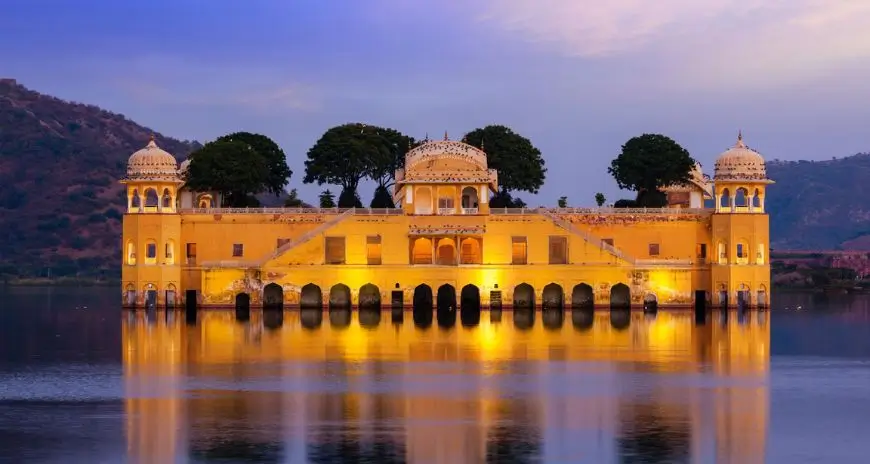
Return towards Jaipur and pause near Jal Mahal for exterior views where local traffic and stopping regulations permit. The palace's setting within Man Sagar Lake provides a distinctive visual contrast with Amber's elevated position.
Continue to City Palace, situated within the planned historic centre, followed by nearby Jantar Mantar. The monumental astronomical instruments demonstrate the scientific interests of Maharaja Sawai Jai Singh II and add an unusual dimension to Jaipur's royal heritage.
Spend the remaining afternoon around Hawa Mahal and the old bazaars. This final full sightseeing day brings together Jaipur's earlier hill-fort history and the architecture of its later planned capital.
Overnight stay in Jaipur.
Enjoy breakfast at the hotel and use the final morning according to the confirmed departure schedule. Travellers with a later flight or train may have time for a relaxed market visit, local shopping or additional leisure before check-out.
The fifteen-day journey began with the Mughal architecture of Agra before moving into the wetlands of Bharatpur. Keoladeo introduced a natural environment completely different from the monuments that opened the itinerary.
Ranthambore then shifted the focus towards dry forest and wildlife habitat, while Bundi returned the route to heritage through a smaller historic town known for palace architecture and stepwells. Chittorgarh followed with one of Rajasthan's great fortified landscapes.
Udaipur and Kumbhalgarh presented two contrasting chapters of Mewar heritage—one centred on a lake capital and the other on a remote Aravalli fortress. Jodhpur then introduced the powerful architecture of Marwar through Mehrangarh and the Blue City.
Jaipur forms the final destination through Amber Fort, City Palace, Jantar Mantar, Hawa Mahal and its traditional markets, completing a route that combines wildlife, wetlands, forts, palaces, historic towns and Rajasthan's major royal capitals.
Check out and transfer to Jaipur Airport, railway station or another confirmed departure point according to onward travel arrangements, completing the Rajasthan Tour Package 14 Nights 15 Days – Bharatpur, Ranthambore, Bundi & Udaipur.

06 Nights / 07 Days
Jodhpur – Osian – Jaisalmer – Sam Sand Dunes – Bikaner – Delhi

09 Nights / 10 Days
Delhi - Agra - Ranthambore - Jaipur - Udaipur - Delhi
10 Nights / 11 Days
Delhi - Agra - Jaipur - Jodhpur - Udaipur - Delhi
13 Nights / 14 Days
Delhi - Mandawa - Bikaner - Jaisalmer - Jodhpur - Udaipur - Jaipur - Agra


