Your Travel Partner
SINCE 1989
Your Travel Partner
SINCE 1989
A 2 week India trip cost for two people depends heavily on how the fourteen days are arranged. A couple travelling by private car through Delhi, Agra and Rajasthan will have a very different budget from travellers combining Delhi, Jaipur, Varanasi, Mumbai and Kerala with several domestic flights. Hotel standards make another substantial difference, particularly when the trip moves from comfortable four-star properties into five-star hotels, heritage properties and India's famous palace hotels.
For two international travellers who want a comfortable private holiday rather than backpacker-level arrangements, approximately $4,000–$5,500 for two people is a sensible starting range for fourteen days on the ground. Couples wanting better four-star hotels, selected heritage stays, an upgraded private vehicle and private guides should consider approximately $5,500–$8,000. A genuine luxury journey using five-star hotels, palace properties and premium services can easily cost $9,000–$16,000+ for two people.
International airfare should normally sit outside these figures because the price varies enormously according to the country of origin, airline, cabin and travel dates.
India can certainly be visited for much less. However, a traveller researching how much two weeks in India costs should distinguish between the minimum amount required to travel and the realistic price of a well-managed private holiday. A couple flying thousands of miles to India may prefer to spend more on a comfortable vehicle, well-located hotels and dependable services rather than save a relatively small amount and spend fourteen days dealing with inconvenient accommodation and transportation.
A two-week trip is long enough to see India properly, but it is also long enough for poor logistics to become exhausting. Budget and route therefore need to work together.
Fourteen days usually means thirteen or fourteen hotel nights depending on international flight timings. During that period, a couple will require accommodation, transportation, meals, sightseeing and numerous smaller services. If the journey crosses distant parts of India, domestic flights or trains must also be added.
The following table gives a realistic higher-side budget for two international travellers sharing one room.
| Expense | Comfortable Trip | Premium Trip | Luxury Trip |
|---|---|---|---|
| Hotels | $1,500–$2,100 | $2,200–$3,500 | $5,000–$9,000+ |
| Private Transport | $1,200–$1,600 | $1,500–$2,000 | $2,500–$5,000+ |
| Meals | $750–$1,050 | $1,000–$1,500 | $1,600–$3,000+ |
| Guides & Sightseeing | $400–$650 | $600–$900 | $1,000–$2,000+ |
| Domestic Flights/Trains | $300–$700 | $500–$900 | $800–$1,500+ |
| Tips & Miscellaneous | $250–$400 | $350–$600 | $600–$1,000+ |
Not every journey requires every amount shown above. A road-focused Rajasthan holiday, for example, may require no domestic flights after arriving in Delhi. A trip combining North and South India may require two or three flights and therefore have a larger transport budget.
There can also be overlap between categories. A complete private India tour package may already include hotels, breakfast, private vehicle, fuel, tolls, parking, driver expenses, airport transfers and local guides. In that situation, travellers should not add those expenses twice.
A sensible couple should therefore begin with the total travel style they want and then examine the components. For a comfortable private holiday, $300–$400 per day for two people is a useful benchmark. At the premium level, $400–$575 per day provides considerably more choice. Luxury India travel can begin around $650–$900 per day for two people and rise dramatically from there.
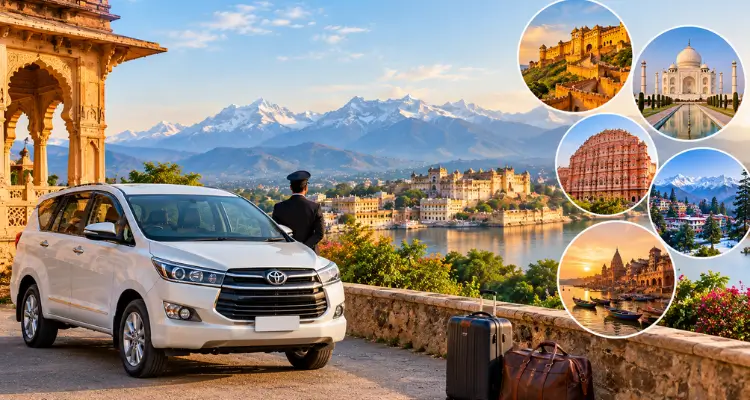
From royal palace stays to private cultural tours and personalised experiences, explore India's finest destinations with a bespoke luxury itinerary and dedicated chauffeur-driven travel.
Accommodation is often the largest variable in a two-week India travel budget. The difference between paying $110 and $450 per night becomes substantial when multiplied across almost two weeks.
For a good comfortable room suitable for international visitors, approximately $100–$150 per night is a practical budget in many major tourist destinations. This can provide air conditioning, a private bathroom, breakfast, professional reception and a location suitable for sightseeing, although standards and prices vary significantly by city.
A couple spending thirteen nights at an average of $120 would pay approximately $1,560 for accommodation. Increasing the average to $180 raises the total to approximately $2,340. At $300 per night, thirteen nights cost $3,900 before transportation, meals or sightseeing have been added.
Premium four-star, boutique and heritage accommodation can commonly require $160–$275 per room per night. In Rajasthan, historic havelis and heritage properties can make the journey much more distinctive than using the same type of modern hotel in every city.
Five-star accommodation may cost approximately $275–$550 per night in many situations. India's leading palace hotels, suites and high-end resorts can move far beyond this level, with individual nights reaching $600–$1,200+.
Season matters. Popular Rajasthan destinations can be considerably more expensive during peak winter periods. Christmas and New Year can produce especially high rates, minimum-stay requirements and mandatory festive dinner charges at some properties.
A sensible premium strategy does not necessarily require an expensive hotel every night. A couple could use excellent four-star and heritage hotels throughout most of the journey, then spend one or two nights at a landmark palace property. This keeps the overall India holiday cost for two people controlled while still providing a high-end experience.
Location deserves equal attention. Saving $30 on a hotel that adds an hour of driving every day is rarely good value on a fourteen-day trip. A central or well-positioned hotel can save time and make evenings considerably easier.
A private car with driver in India can account for a substantial portion of a fourteen-day budget, but it is also one of the services that most directly affects the comfort of the trip.
For two travellers, a good tourist sedan can be budgeted at roughly $70–$90 per day for suitable routes, while an Innova or Innova Crysta category vehicle can reasonably fall around $90–$125 per day on a premium tourist-service basis. Longer routes, unusually high mileage and one-way operations can increase the price.
Over fourteen days, a couple can therefore allow approximately $1,200–$1,700 for good private road transportation. A premium vehicle, additional airport services or a more demanding route may raise this to approximately $1,800–$2,200.
For a couple carrying two large international suitcases plus hand luggage, an Innova Crysta with driver is often worth considering even though a sedan costs less. The additional space becomes particularly noticeable on long Rajasthan road days.
The quotation should state whether fuel, highway tolls, parking, state taxes and driver expenses are included. A low rate that excludes several of these items cannot be compared directly with an all-inclusive quotation.
A private vehicle is particularly practical for Delhi, Agra, Jaipur and much of Rajasthan. It enables direct hotel pickups and drops, avoids repeatedly carrying luggage through railway stations and permits appropriate stops between cities.
The same vehicle should not automatically be used for every part of India. Driving from Delhi to Mumbai simply because a private car is available would consume too much holiday time for most two-week visitors. The strongest itinerary uses road transportation where geography makes sense and flights or selected trains where distances become excessive.
India offers an enormous range of food prices. A couple could eat extremely cheaply, but that is not necessarily the right budget benchmark for international visitors who value restaurant quality, cleanliness and comfortable surroundings.
If hotel breakfast is included, approximately $50–$80 per day for two people is a reasonable allowance for lunch, dinner, non-alcoholic drinks, coffee and snacks at good restaurants. Across fourteen days, this creates a food budget of approximately $700–$1,120.
Travellers regularly eating at premium hotel restaurants, upscale independent restaurants and fine-dining establishments should allow approximately $90–$150 per day for two people, bringing the fourteen-day amount to roughly $1,260–$2,100.
Alcohol can materially change the bill, particularly in luxury hotels where imported wine and spirits can be expensive. These costs should sit outside a basic food estimate for travellers who drink regularly.
Breakfast-inclusive accommodation often provides the best balance for a private tour. The couple can eat lunch according to the sightseeing schedule and select dinner according to appetite rather than being required to return to the hotel for every prepaid meal.
On long driving days, a good driver can stop at established highway restaurants. In major cities such as Delhi, Jaipur, Jodhpur and Udaipur, travellers have far more dining choices.
The cheapest restaurant should never be the objective simply because India is considered an inexpensive destination. Food is a daily part of a fourteen-day journey, and budgeting enough for comfortable meals makes the trip considerably easier.
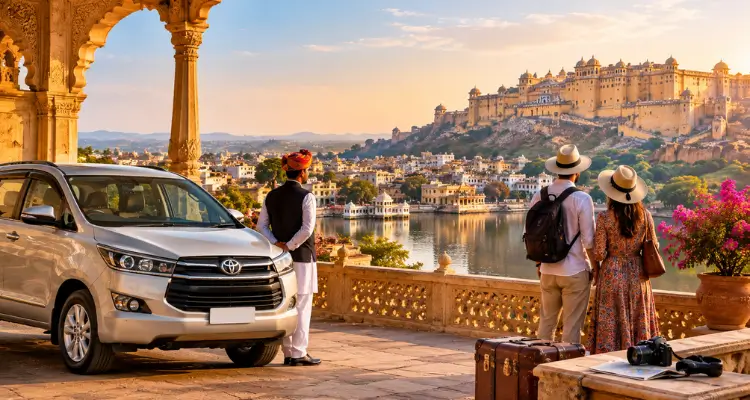
Discover India with a personalized private tour featuring luxury 5-star hotels, private transfers, and unforgettable experiences. Get a customized itinerary tailored to your travel style and budget.
The route determines whether domestic transportation becomes a small expense or a major one. A two-week private India tour restricted to Delhi, Agra and Rajasthan can be operated primarily by road. Adding Varanasi, Mumbai or South India changes the economics.
For budgeting purposes, domestic economy flights can reasonably be estimated at around $80–$180 per person per flight when booked at sensible times. Last-minute fares, premium schedules and additional checked baggage can increase the amount.
If a couple takes two domestic flights during the trip, approximately $320–$720 is a sensible airfare allowance. Three flights could push the amount towards $500–$1,000+ depending on sectors and baggage.
Trains can be cheaper and are practical on selected routes. However, travellers should compare time as well as price. A train that saves $100 but consumes most of a day may not be a sensible choice on a fourteen-day holiday.
A private package may also require transfers between hotels and airports or railway stations. These services should be included when calculating the true transportation cost.
International flights are a separate issue. A couple flying from London, New York, Sydney or another overseas city can encounter dramatically different fares. For this reason, international airfare should usually be added only after the ground budget has been established.
India's monuments are one of the main reasons international travellers come to the country, so sightseeing should have a proper budget rather than being treated as an afterthought.
Private local guides can cost approximately $50–$100 per day in major tourist cities, with specialist or foreign-language services potentially costing more. A couple using guides in Delhi, Agra, Jaipur, Jodhpur and Udaipur could therefore spend several hundred dollars over two weeks.
Entrance tickets should also be allowed for separately unless the package explicitly includes them. The exact total depends on the route because each city contains a different mix of ticketed monuments, museums and privately operated attractions.
A reasonable sightseeing allowance for two people over fourteen days is approximately $300–$600 for a substantial itinerary. Adding special activities can increase this quickly.
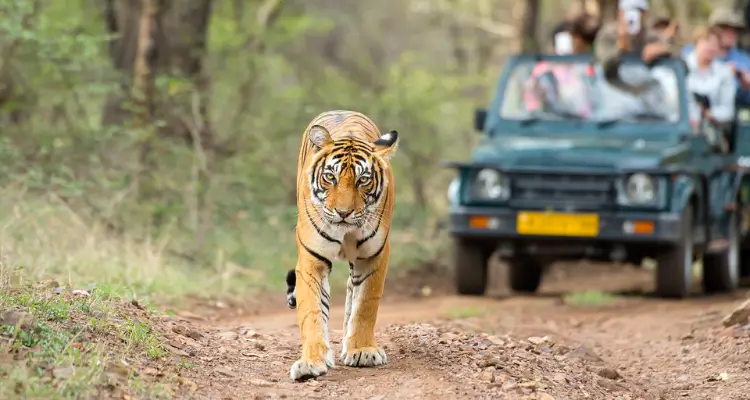
A Ranthambore safari, for example, requires a completely different budget from an ordinary city monument. Cooking sessions, private cultural performances, special dinners, boat rides and other premium experiences should also be priced independently.
The useful question is not “Are sightseeing tours included?” but “Which entrance fees and activities are included in the quoted amount?” Transportation to a monument does not necessarily include its admission ticket.
What Does a Two-Week Golden Triangle and Rajasthan Trip Cost?
For first-time visitors, combining Delhi, Agra and Rajasthan is one of the most practical uses of fourteen days. Most of the route can be covered with the same private vehicle, reducing the need for repeated flights.
A comfortable 14-day India tour for two people through this region can reasonably cost around $4,000–$5,500 including good hotels, breakfast, a private car and driver, airport transfers and substantial sightseeing arrangements.
A premium version with better four-star hotels, selected heritage stays, an Innova Crysta and private guides can cost approximately $5,500–$8,000 for two people.
At the luxury level, a couple using five-star properties and palace hotels should be prepared for approximately $9,000–$16,000+.
The route has to remain sensible. Trying to fit Delhi, Agra, Jaipur, Jodhpur, Udaipur, Jaisalmer, Varanasi and Mumbai into the same fourteen days may technically be possible, but the couple will spend too much time changing hotels, driving or flying.
A better two-week journey usually concentrates on a connected region and allows enough time to see each destination properly.
Extra Costs That Are Easy to Forget
Visa costs are often absent from tour quotations because they depend on nationality. India's official e-Visa portal states that fees are country-specific, and eligible travellers apply and pay online. The government also warns that it does not authorize intermediaries to charge an emergency or express e-Visa fee. Current official tourist e-Visa fees differ by nationality and visa duration, so travellers should check their own applicable amount rather than using another traveller's figure.
Travel insurance is another personal expense and should be purchased according to the traveller's circumstances and coverage requirements.
Tipping also needs a modest allowance. For two weeks, approximately $200–$350 can provide a comfortable discretionary gratuity budget covering a private driver, local guides and hotel staff, although actual tipping remains voluntary and service-dependent.
Laundry, minibar purchases, alcoholic drinks, spa treatments and personal shopping are generally excluded from package prices.
Shopping deserves particular attention in Rajasthan because textiles, jewellery, carpets, handicrafts and artwork can easily become a substantial expense. It is better to treat shopping as completely separate from the holiday budget.
A contingency allowance of approximately $300–$500 for two people is sensible even on a prepaid private trip. This provides room for an additional meal, an optional attraction, a changed transfer or another unexpected personal expense without disturbing the main budget.
For a couple who wants a straightforward answer, $5,000 for two people excluding international flights is a sensible working figure for a comfortable fourteen-day private India holiday. It provides enough room for good accommodation, private road transport, meals, sightseeing and normal incidental expenses without forcing every decision towards the cheapest option.
For a noticeably more refined holiday, approximately $6,500–$8,000 for two people provides stronger hotels, better vehicle options, more private guides and room for additional experiences.
For genuine luxury, $10,000–$15,000+ is a more realistic starting mindset. Once famous palace hotels, suites and premium experiences enter the trip, there is effectively no meaningful upper limit.
A traveller should therefore resist the temptation to ask only, “How cheap can two weeks in India be?” The more useful question is what standard of hotels, transportation and daily service will make fourteen days comfortable.
India can deliver excellent value at every level, but a well-balanced budget should put money where it improves the trip most: good hotels, dependable transportation, sensible routing and quality local services.
For a comfortable private trip, approximately $4,000–$5,500 for two people is a practical higher-side budget excluding international flights. Premium travel can cost $5,500–$8,000, while luxury arrangements can reach $9,000–$16,000+.
Yes, $5,000 for two people can support a comfortable private trip if the route is sensible and the couple uses good hotels rather than top luxury properties. International airfare should be budgeted separately.
Two travellers sharing one comfortable room can budget approximately $1,500–$2,100 across the trip. Premium hotels can increase this to $2,200–$3,500, while luxury accommodation can cost $5,000–$9,000+.
Depending on the vehicle and route, approximately $1,200–$1,700 is a useful premium-side estimate for a good private car and driver. Higher-category vehicles and demanding routes can cost more.
With hotel breakfast included, approximately $700–$1,100 for two people can provide comfortable restaurant dining over fourteen days. Upscale dining can raise the amount to $1,300–$2,100+.
Private road transportation works particularly well across the Golden Triangle and Rajasthan. Flights make more sense when connecting distant regions such as North India with Mumbai or South India.
Foreign visitor rates at many major attractions are higher than domestic visitor rates. Across a substantial fourteen-day sightseeing schedule, keeping approximately $300–$600 for two people for admissions and ordinary activities is sensible.
Normally no. International airfares vary too much by departure country, travel dates, airline and cabin to include them in a useful India ground-cost estimate.
Even with a prepaid tour, keeping approximately $300–$500 as a contingency allowance is useful in addition to the expected meal and tipping budget. Travellers do not need to carry the entire amount as physical cash.
It can be. India offers excellent luxury hotels, historic palace properties, premium vehicles and private experiences. A luxury two-week trip can readily cost $9,000–$16,000+ for two people, and exceptional suites and palace stays can take the total substantially higher.