Your Travel Partner
SINCE 1989
Your Travel Partner
SINCE 1989
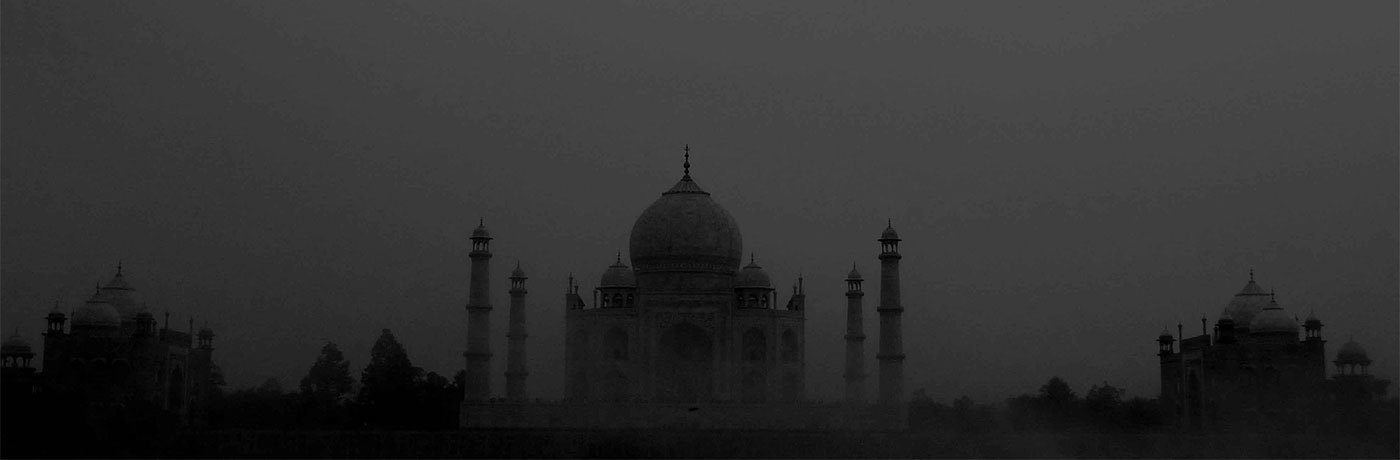
Varanasi, also known as Kashi and the City of Lights, is one of India's oldest continuously inhabited cities and one of the country's most important spiritual destinations. Situated along the sacred River Ganges in Uttar Pradesh, Varanasi is not simply a city of temples. It is a place where ancient traditions, riverfront rituals, Hindu spirituality, Buddhist heritage, music, architecture, food and everyday life come together.
For a first-time visitor, the sheer number of temples, ghats and historic sites can make sightseeing confusing. You can spend days exploring Varanasi and still discover something new around the next lane.
To make your trip easier, we have selected five of the best tourist attractions in Varanasi. Instead of simply listing them, this guide explains what makes each place special, what you should actually see there, how much time to allow and how to experience it properly.
If you visit Varanasi for the first time, Kashi Vishwanath Temple should be at the top of your list. Dedicated to Lord Shiva as Vishwanath, or "Lord of the Universe", the temple is one of the most revered Shiva temples in India and one of the twelve Jyotirlingas.
The present temple structure dates to the 18th century and was constructed in 1780 under the patronage of Maharani Ahilyabai Holkar of Indore. Its distinctive golden elements have also given it the popular name "Golden Temple".
Why is Kashi Vishwanath Temple important?
The importance of Kashi Vishwanath goes far beyond its architecture. For Hindu pilgrims, a visit to Kashi and darshan of Vishwanath is considered deeply sacred.
The temple is located in the historic heart of Varanasi, close to the Ganges and surrounded by narrow lanes filled with small shrines, traditional shops, sweets, flowers and religious items.
The experience is therefore not limited to entering the temple. Walking through the old city towards Vishwanath Dham gives you a glimpse into the living character of Kashi.
What can you experience here?
A visit can include:
The temple administration currently provides several official services, including Sugam Darshan and advance booking for different aartis and rituals.
Kashi Vishwanath Temple timings
The temple operates from the early morning until late evening, with several daily rituals and aartis. The official schedule lists Mangala Aarti in the early morning, followed by daytime darshan and additional aartis in the evening.
For visitors interested in Mangala Aarti, advance arrangements are particularly important because the ritual takes place around 3:00–4:00 AM and has a separate booking process.
How much time should you spend?
Allow approximately 2–3 hours for the temple area, depending on queues, darshan arrangements and how much of the surrounding heritage area you explore.
Best time to visit
Early morning is generally the most atmospheric time for a spiritual experience. However, festival periods can be significantly busier.
Important visitor tips
Insider tip: Don't rush away immediately after visiting the temple. The surrounding lanes are part of the Kashi experience. A knowledgeable local guide can help you understand the smaller shrines, old neighbourhoods and traditions that are easy to miss on your own.
Want to experience Varanasi beyond the usual tourist checklist? Plan a private Varanasi tour with a comfortable car, experienced local assistance and a flexible itinerary covering Kashi Vishwanath Temple, the Ganges ghats, Sarnath and other cultural highlights. Contact us to create your personalized Varanasi travel itinerary.
If Kashi Vishwanath represents the spiritual heart of Varanasi, Dashashwamedh Ghat represents the city's public face.
Located along the Ganges near Kashi Vishwanath Temple, this is one of the most famous and busiest ghats in Varanasi. It is particularly famous for the spectacular Ganga Aarti held in the evening.
But visiting Dashashwamedh Ghat only for the aarti means missing much of what makes the place fascinating.
What makes Dashashwamedh Ghat special?
The ghat changes character throughout the day.
At sunrise, pilgrims arrive for prayers and bathing. Boats begin moving along the river while priests conduct rituals on the steps.
During the day, the ghat becomes a busy meeting point for pilgrims, photographers, boatmen, vendors and visitors.
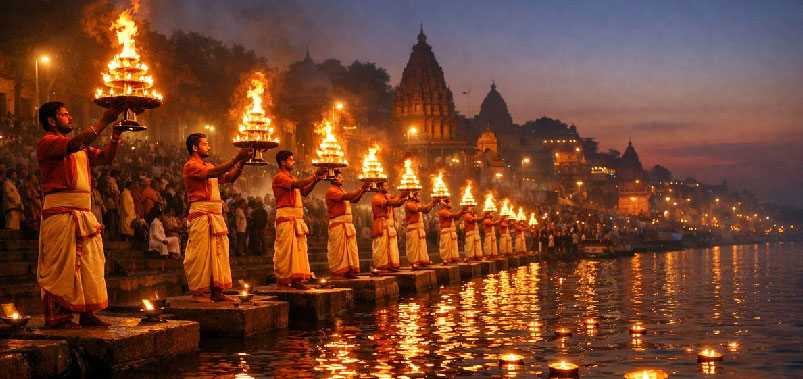
As evening approaches, crowds gather for the Ganga Aarti. Lamps, bells, incense, chanting and coordinated rituals create one of Varanasi's most memorable experiences.
The Ganga Aarti experience
The evening Ganga Aarti is the attraction's biggest draw.
Large lamps are used during the ceremony while priests perform synchronized rituals facing the sacred river. The combination of fire, sound, river and crowds creates an atmosphere unlike a conventional sightseeing attraction.
For the best experience, arrive well before the ceremony begins, especially during weekends, festivals and peak tourist season.
Should you watch the aarti from the ghat or a boat?
Both options offer a different experience.
From the ghat:
You are closer to the ceremony and can feel the energy of the crowd.
From a boat:
You get a wider view of the ghat, the illuminated steps and the ceremony from the river.
If your budget allows, experiencing the riverfront from a boat and then walking through the ghats afterwards can give you a much better understanding of Varanasi.
What else can you see around Dashashwamedh Ghat?
Don't leave immediately after the aarti. Explore the nearby lanes and riverfront.
You can find:
How much time should you spend?
Allow 2–3 hours for the ghat, especially if you plan to combine a walking tour, boat ride and Ganga Aarti.
Best time to visit
Visit twice if possible:
Early morning: for sunrise, a quieter atmosphere and boat rides.
Evening: for the Ganga Aarti and illuminated riverfront.
Insider tip: If photography is important to you, don't only photograph the ceremony. Spend some time observing the people, boats, old buildings and changing light across the river. These details often tell a better story of Varanasi than the aarti itself.
Around 10 km from the centre of Varanasi lies Sarnath, one of the most important Buddhist pilgrimage destinations in India.
This is where, according to Buddhist tradition, Gautama Buddha delivered his first sermon after attaining enlightenment. The event is associated with the beginning of the Buddha's teaching tradition and makes Sarnath one of the most significant Buddhist sites in the world.
Unlike the crowded spiritual atmosphere of central Varanasi, Sarnath feels calmer, greener and more archaeological in character.
Why should you visit Sarnath?
Sarnath gives you a completely different perspective on Varanasi.
While the old city is dominated by Hindu traditions and Ganga rituals, Sarnath allows visitors to explore India's Buddhist history through ancient ruins, stupas, museums and monasteries.
Dhamek Stupa
The Dhamek Stupa is the most recognisable monument at Sarnath.
The massive cylindrical structure dominates the archaeological site and is traditionally associated with the place where Buddha delivered his first sermon.
Even if you are not travelling specifically for Buddhist pilgrimage, the scale and setting of the monument make it one of the most impressive historical sites around Varanasi.
Archaeological remains
The archaeological complex contains remains of ancient monastic and religious structures.
Walking through the site gives you a better sense of how important Sarnath became as a centre of Buddhist learning and pilgrimage.
Sarnath Museum
The museum is particularly important for anyone interested in Indian art and archaeology.
One of its most famous objects is the Lion Capital of Ashoka, which became the national emblem of India.
This makes Sarnath much more than a religious stop. It is also an important destination for understanding India's ancient art, architecture and political history.
Buddhist temples and monasteries
Sarnath is home to Buddhist temples and monasteries representing different Buddhist traditions and countries.
Depending on your interests, you can explore the surrounding religious complex after visiting the archaeological area.
How much time should you spend?
Plan approximately 3–4 hours for Sarnath if you want to visit the archaeological site, museum and nearby Buddhist establishments without rushing.
Morning is generally more comfortable for exploring the archaeological area, especially during warmer months.
Best way to combine Sarnath with Varanasi
Sarnath works well as a half-day excursion from Varanasi.
A practical plan is:
Morning: Sarnath archaeological area and museum
Afternoon: Return to Varanasi
Evening: Ganga Aarti or old-city exploration
Insider tip: Don't treat Sarnath as simply "the Buddha place". Spend time understanding the archaeological remains and Ashokan history. That adds a completely different dimension to your Varanasi trip.
On the eastern bank of the Ganges, opposite the main city, stands Ramnagar Fort, a historic palace complex associated with the former Maharaja of Banaras.
The fort provides a striking contrast to the temples and ghats of central Varanasi.
Instead of crowded lanes and religious rituals, you find a more traditional royal setting with courtyards, palace buildings, historic objects and views towards the river.
Why visit Ramnagar Fort?
Ramnagar is particularly interesting for travellers who want to understand the royal and cultural history of the Banaras region.
The complex has traditionally been associated with the Maharaja of Banaras and contains collections and objects connected with the former royal household.
What can you see?
Depending on the accessible sections of the complex, visitors can see historic collections and royal-era objects such as:
The palace architecture itself is another reason to visit.
The Dussehra connection
Ramnagar is also strongly associated with the traditional Ramnagar Ramlila, a large-scale religious and cultural performance connected with the Ramayana.
During the festival period, the area can become particularly interesting for visitors interested in traditional Indian performing arts.
Getting to Ramnagar
Ramnagar is separated from central Varanasi by the Ganges.
You can reach it by road, while a river-based excursion can provide a more scenic perspective depending on seasonal conditions and local boat operations.
A visit to Ramnagar is especially worthwhile when combined with a broader Ganges sightseeing experience.
How much time should you spend?
Allow around 2–3 hours for the fort and surrounding area.
Who should visit?
Ramnagar Fort is particularly suitable for:
Insider tip: Don't compare Ramnagar Fort with the enormous hilltop forts of Rajasthan. Its appeal is different. The attraction lies in its relationship with Banaras's royal history, the Ganges and the cultural traditions of the region.
Combine the spiritual atmosphere of Varanasi with the iconic heritage of Delhi, Agra and Jaipur. A private Golden Triangle and Varanasi tour lets you experience India's temples, ghats, forts, palaces and UNESCO heritage sites in one carefully planned journey. **Start planning your private India tour today.
At the southern end of the main Varanasi riverfront lies Assi Ghat, one of the city's most popular places for visitors looking for a more relaxed Ganges experience.
While Dashashwamedh is famous for its large evening ceremony and intense crowds, Assi Ghat has a different atmosphere.
It is popular with travellers, students, long-stay visitors, photographers and people who simply want to sit beside the river and watch Varanasi unfold.
Why is Assi Ghat worth visiting?
Assi Ghat is an excellent place to experience the everyday side of Varanasi.
Early morning is particularly special.
You may see:
This makes Assi Ghat more of an experience than a monument.
Sunrise at Assi Ghat
One of the best ways to experience Varanasi is to arrive before sunrise.
As the sky becomes brighter, the Ganges gradually reflects the changing colours of the morning. Boats begin crossing the river and the ghats slowly become active.
A morning boat ride from this area can be an excellent addition to your itinerary.
Morning cultural activities
Assi Ghat is also known for cultural and spiritual activities, including yoga and music-related programmes.
These activities can vary by day and season, so visitors should check locally rather than assuming that a particular programme will always be available.
Explore the neighbourhood
The area around Assi Ghat also has cafés, guesthouses, small restaurants and lanes that are popular with international and domestic travellers.
This makes it a convenient area to spend a relaxed morning or evening.
How much time should you spend?
Allow 2–3 hours, although travellers staying nearby often spend considerably longer.
Best time to visit
Early morning: best for sunrise, boat rides and a quieter atmosphere.
Evening: good for relaxing beside the river and exploring the surrounding neighbourhood.
Insider tip: If you only visit Varanasi's famous central ghats, you may experience the ceremonial side of the city but miss its slower everyday rhythm. Assi Ghat helps balance the itinerary.
You don't necessarily need to visit these attractions in the order in which they appear above.
For a more comfortable first-time itinerary, consider:
Day 1 – Spiritual Varanasi
Early morning: Assi Ghat sunrise and boat ride
Morning: Old city walking tour
Late morning: Kashi Vishwanath Temple
Afternoon: Rest and local food experience
Evening: Dashashwamedh Ghat and Ganga Aarti
Day 2 – Heritage & Buddhist Varanasi
Morning: Sarnath
Afternoon: Return to Varanasi and relax
Late afternoon: Ramnagar Fort
Evening: Explore the Ganges riverfront or local markets
This arrangement allows you to experience both sides of Varanasi: its sacred traditions and its historical heritage.
The most comfortable period for sightseeing in Varanasi is generally October to March.
October to March
This is the preferred season for exploring temples, ghats, Sarnath and the old city.
The weather is generally more comfortable for walking and outdoor sightseeing, although winter mornings can be cool.
April to June
Temperatures can become very high, especially during the afternoon.
If travelling during this period, plan outdoor sightseeing around early morning and evening.
July to September
The monsoon can bring rain and higher humidity. River conditions can also affect boat experiences.
However, the city can have a different atmosphere during the rainy season, and religious festivals during this period can make Varanasi particularly lively.
For the five attractions covered in this guide, 2 full days is a good minimum.
2 Days
Ideal for first-time visitors who want to cover the major highlights:
3 Days
Three days are better if you want to slow down and experience Varanasi beyond sightseeing.
You can add:
4+ Days
A longer stay is ideal for travellers interested in photography, spirituality, culture, food, yoga or deeper exploration of the city's historic neighbourhoods.
1. Start early
Varanasi is at its most atmospheric in the early morning. Sunrise at the Ganges is an experience worth waking up for.
2. Wear comfortable footwear
The old city has narrow lanes and uneven surfaces. Comfortable walking shoes or sandals are much more practical than formal footwear.
3. Keep temple visits flexible
Crowds, festivals, security arrangements and special religious occasions can affect your schedule.
4. Book important temple services through official channels
For Kashi Vishwanath Temple, use the official temple portal for current darshan, aarti and other services.
5. Respect local religious customs
Many places in Varanasi are active religious sites rather than conventional tourist attractions. Dress respectfully and follow local instructions.
6. Don't over-plan every hour
Varanasi is one of those destinations where wandering through the old lanes, sitting beside the Ganges or watching local life can become part of the experience.
7. Use a knowledgeable local guide
A good guide can explain the history of the ghats, temples, legends, rituals and old neighbourhoods in a way that is difficult to understand from a quick visit alone.
Varanasi cannot really be understood by ticking attractions off a sightseeing list.
Kashi Vishwanath introduces you to the spiritual identity of the city. Dashashwamedh Ghat shows you its spectacular riverfront rituals. Sarnath takes you deeper into India's Buddhist history. Ramnagar Fort reveals the royal heritage of Banaras, while Assi Ghat gives you a chance to slow down and observe everyday life beside the Ganges.
That combination makes these five places an excellent starting point for a first Varanasi trip.
If you are planning a longer journey through North India, Varanasi can also be combined with Delhi, Agra and Jaipur to create a broader cultural itinerary covering India's historic cities, Mughal heritage, Rajput architecture and spiritual traditions.
Kashi Vishwanath Temple is one of the most important Shiva temples in Varanasi and is one of the twelve Jyotirlingas. The present temple structure was built in 1780 under Maharani Ahilyabai Holkar.
For a first visit, five excellent choices are Kashi Vishwanath Temple, Dashashwamedh Ghat, Sarnath, Ramnagar Fort and Assi Ghat. Together they cover Varanasi's religious, riverfront, Buddhist, royal and everyday cultural sides.
Two full days are enough to cover the major attractions, but three days provide a much more relaxed experience.
Dashashwamedh Ghat is the most famous place to experience Varanasi's evening Ganga Aarti.
Yes. Sarnath is one of the most important Buddhist heritage sites in India and provides a completely different historical and cultural experience from the ghats and temples of central Varanasi.
Assi Ghat is one of the most popular places to experience sunrise along the Ganges, especially for travellers who prefer a more relaxed atmosphere.