Your Travel Partner
SINCE 1989
Your Travel Partner
SINCE 1989
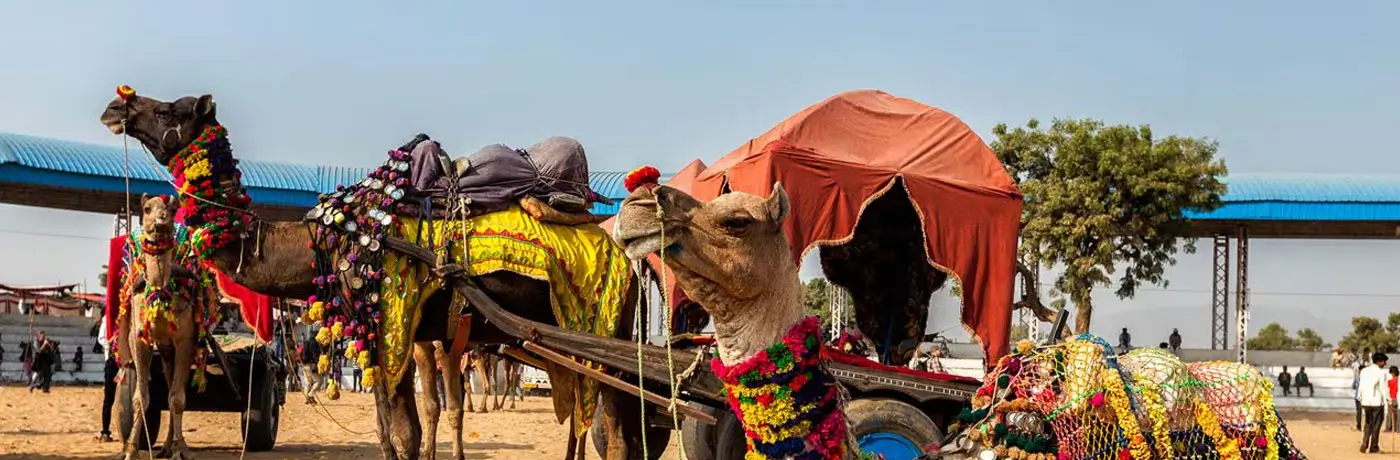
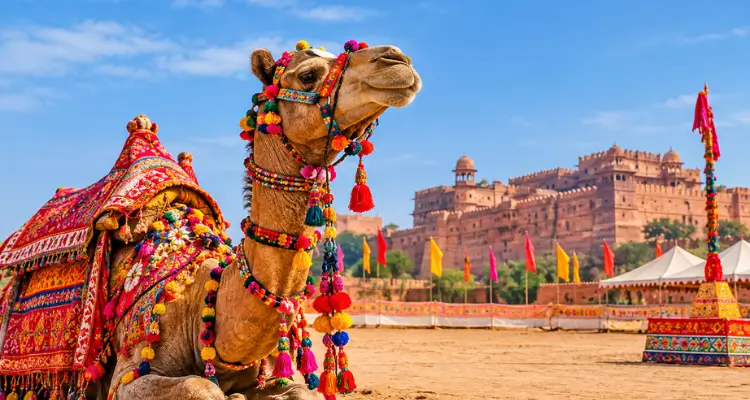
The Bikaner Camel Festival is one of Rajasthan’s most colorful cultural celebrations. Organized in honor of the camel - an animal deeply connected to desert life - the festival brings together decorated camel processions, traditional competitions, folk performances, heritage walks, local food, handicrafts and celebrations on the sand dunes.
The festival takes place in and around Bikaner rather than at one isolated fairground. Depending on the official program, activities may be organized near Junagarh Fort, Dr. Karni Singh Stadium, the National Research Centre on Camel, Bikaner’s old city and the sand dunes around Raisar.
For travelers, the Camel Festival offers more than a chance to photograph decorated animals. It provides an accessible introduction to the music, clothing, cuisine, crafts and desert traditions of the Bikaner region.
This guide covers the Bikaner Camel Festival 2027 dates, expected venues, major attractions, travel options, weather, accommodation and practical advice for planning a comfortable visit.
| Festival Detail | Information |
|---|---|
| Festival Name | Bikaner Camel Festival |
| Also Known As | International Camel Festival Bikaner |
| Official 2027 Dates | January 9–10, 2027 |
| Main Destination | Bikaner, Rajasthan |
| Organizer | Rajasthan Tourism |
| Festival Theme | Camels, desert heritage and Rajasthani culture |
| Expected Venues | Bikaner city, stadium area, camel farm and nearby sand dunes |
| Nearest Airport | Bikaner Airport |
| Major Connecting Airport | Jodhpur Airport |
| Nearest Railway Station | Bikaner Junction |
| Recommended Stay | 2–3 nights |
| Weather | Cool mornings and evenings; pleasant afternoons |
| Best Suited For | Families, photographers, cultural travelers and international visitors |
Rajasthan Tourism currently lists the Bikaner Camel Festival for January 9 and 10, 2027. The department describes it as an annual event traditionally celebrated on the second Saturday and Sunday of January.
Travelers should check the final program before departure because organizers may add a heritage walk, food event or cultural evening immediately before or after the core festival dates. Follow the latest information on the official Rajasthan Tourism festival calendar.
From royal palace stays to private cultural tours and personalised experiences, explore India's finest destinations with a bespoke luxury itinerary and dedicated chauffeur-driven travel.
Rajasthan Tourism’s official festival calendar currently displays January 9–10, 2027 for the Bikaner Camel Festival.
However, the complete day-by-day schedule, venue timings and entry arrangements may be announced closer to the event. Travelers should therefore treat January 9–10 as the main festival dates while keeping their itinerary slightly flexible.
A practical plan would be:
Do not rely on old blog posts that mention dates from 2013, 2024, 2025 or 2026.
What Is the Bikaner Camel Festival?
The Bikaner Camel Festival is an annual cultural event organized by the Rajasthan Tourism Department. It celebrates the camel’s historic role in transportation, trade, agriculture, defense and everyday life in the Thar Desert.
Before modern roads and vehicles reached remote desert settlements, camels helped people travel long distances through difficult terrain. They carried goods, supplied villages and connected communities across western Rajasthan. Bikaner also became closely associated with camel breeding and the specialized use of camels by military and border forces.
The festival keeps this relationship visible through decorated camel displays, breed competitions, races, dancing performances and demonstrations of traditional camel-handling skills.
Rajasthan Tourism lists camel races, camel milking, breed competitions, camel acrobatics, beauty contests, folk dancing, fire dancing and evening entertainment among the festival’s major attractions. More information about Bikaner and its festival traditions is available through the official Rajasthan Tourism Bikaner guide.
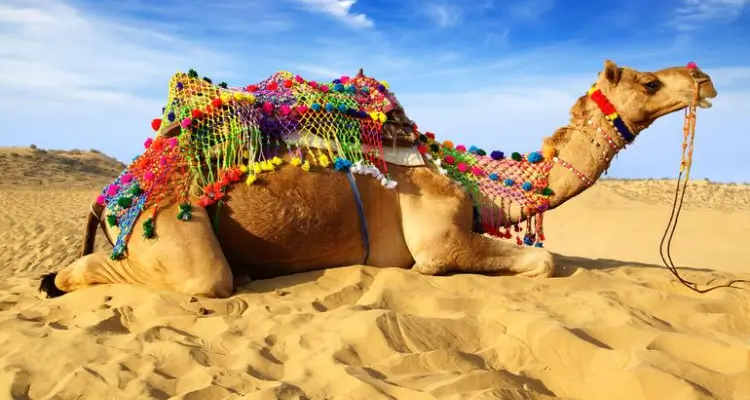
Bikaner developed in a dry desert region where camels were well suited to the climate and terrain. Their strength, endurance and ability to travel with limited water made them essential to local life.
The city is also home to the National Research Centre on Camel, which works on camel breeding, health, production and conservation. The center helps visitors understand that camels remain important beyond tourism and cultural performances.
Bikaner’s identity as “camel country” comes from this combination of:
The festival celebrates this living relationship rather than treating the camel only as a decorative symbol.
The festival does not necessarily take place at one venue. The schedule can include separate events in Bikaner city and at desert locations outside the main urban area.
Potential venues based on recent editions include:
Junagarh Fort Area
A ceremonial procession or heritage activity may begin near Junagarh Fort. The fort provides an impressive architectural setting for decorated camels, musicians and traditionally dressed participants.
Dr. Karni Singh Stadium
Camel competitions, performances and large public events have been organized at the stadium during previous editions. This is often one of the most convenient venues for visitors.
National Research Centre on Camel
The camel research center, commonly called the camel farm, may host camel-related programs or serve as an additional attraction during a Bikaner visit.
Bikaner Old City
Heritage walks, food events and cultural activities can take place around the old city’s gates, markets and havelis.
Raisar Sand Dunes
Desert games, camel rides, races, folk performances and closing events may be arranged near Raisar, outside Bikaner. Travelers should arrange transportation in advance because the dunes are not within comfortable walking distance of the city center.
The final venue list should be checked after Rajasthan Tourism releases the detailed 2027 schedule.
The official hour-by-hour program had not been released when this guide was updated. The following is a planning outline based on the format of recent festivals, not a confirmed schedule.
Day 1: Procession, Heritage and Opening Events
The first day may begin with a ceremonial procession featuring decorated camels, musicians, folk artists and local participants in traditional clothing.
Likely activities include:
The procession is usually among the best opportunities to observe the elaborate bridles, textiles, anklets, beadwork and carefully patterned camel fur associated with the festival.
Day 2: Camel Competitions and Cultural Performances
The central camel events may take place at a stadium or designated festival ground.
Expected highlights can include:
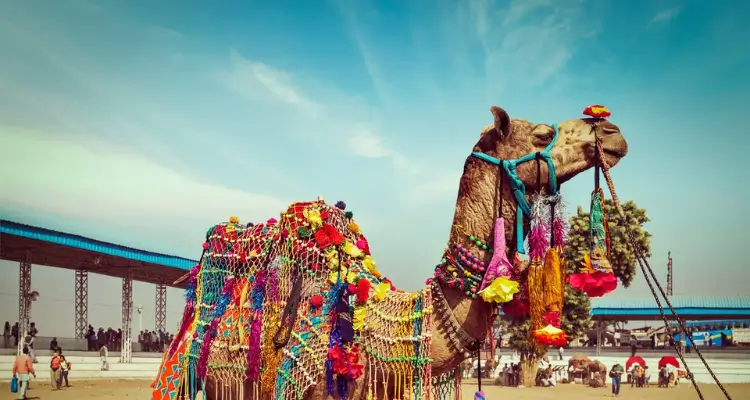
Camel handlers spend significant time preparing their animals. Some camels wear mirrored textiles, colorful bridles, tassels, beads and bells, while others display intricate patterns carefully trimmed into their coats.
Depending on the final program, one part of the festival may be held at the Raisar sand dunes.
Activities can include:
Because programs can change, visitors should not assume every listed event will appear in the 2027 edition. Check the official program once released.
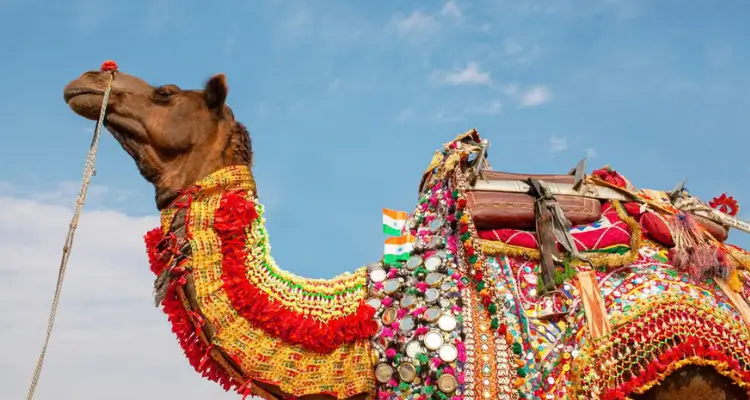
Decorated Camel Procession
The ceremonial procession is one of the festival’s most photographed events. Camels appear in colorful bridles, embroidered fabrics, mirrored ornaments, bells, beads and anklets.
Camel owners and handlers also wear traditional turbans, dhotis, jackets and jewelry, turning the procession into a wider display of Rajasthan’s desert culture.
Arrive early if photography is important. Popular viewing points can become crowded shortly before the procession begins.
Camel Decoration and Beauty Competition
The camel beauty competition evaluates grooming, decoration, posture and presentation. Owners may spend weeks preparing their animals and creating visual patterns in their coats.
Visitors should observe the skills behind the decoration instead of treating it only as a novelty. Many ornamental techniques reflect regional embroidery, beadwork and textile traditions.
Camel Dance
Trained camels respond to cues from their handlers and move their feet and necks in rhythm with music. The performance depends on coordination and familiarity between the camel and its handler.
It is one of the festival’s most unusual events and is particularly popular with families and international visitors.
Camel Race
Camel racing brings speed and excitement to the festival. Riders guide their camels across a designated track while spectators watch from the sides.
Race timing and venue can change each year, so confirm the program before planning your day around this event.
Camel Fur-Cutting Art
One of the most distinctive traditions involves trimming the camel’s coat into complex floral, geometric or narrative patterns.
The work requires patience and precision. It also provides excellent close-up photography opportunities, but visitors should ask the handler before approaching an animal or taking a posed portrait.
Folk Music and Dance
The festival introduces visitors to regional music and dance traditions from Rajasthan. Performances may include:
Evening programs often create a different atmosphere from daytime camel events, so it is worth attending both.
Fire Dance
The Jasnathi fire dance is associated with the Jasnath community of the Bikaner region. Performers dance near or over burning embers while musicians maintain an intense rhythm.
Visitors should remain behind designated safety barriers and avoid obstructing the performers or organizers.
Food and craft stalls add an important local dimension to the festival.
Foods to look for in Bikaner include:
Handicraft stalls may sell:
Confirm prices before buying and ask permission before photographing individual vendors.
Many public events associated with the festival have traditionally been free to attend. However, entry policies can differ by venue, seating area or special program.
Visitors should check whether the 2027 edition introduces:
Even when entry to the festival is free, standard admission charges may apply at Junagarh Fort, museums and other tourist attractions.
Avoid purchasing unofficial “festival passes” unless the seller is connected to Rajasthan Tourism or an authorized organizer.
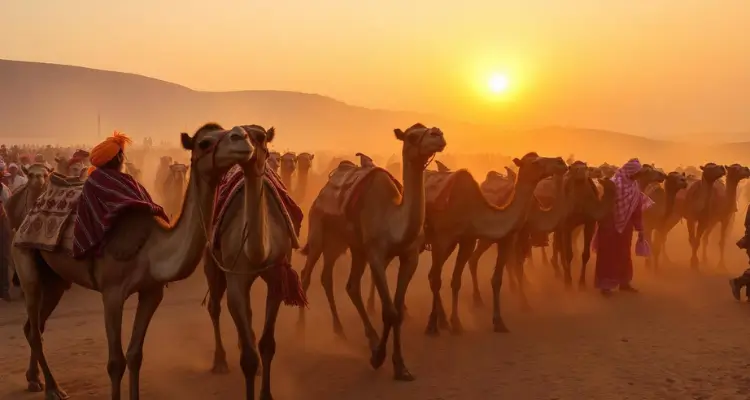
January is one of the best months to visit Bikaner. The days are generally comfortable for outdoor activities, while mornings and evenings can feel cold.
Travelers should be prepared for:
Carry layered clothing so you can remove warmer items during the afternoon and put them back on after sunset.
A minimum of two nights is necessary, but three nights provide a more comfortable experience.
Recommended three-night plan
Day 1: Arrive in Bikaner and explore the old city
Day 2: Attend the main festival events and cultural evening
Day 3: Attend remaining festival or dune events and visit Junagarh Fort
Day 4: Visit nearby attractions and depart
A longer stay may be useful if you want to visit Deshnok, Gajner or add Jodhpur and Jaisalmer to the itinerary.
By Air
Bikaner has a domestic airport with limited flight availability. Schedules and routes can change, so travelers should verify flights before building an itinerary around them.
Jodhpur Airport is a more established alternative. From Jodhpur, Bikaner can be reached by road. Jaipur Airport is another option, although the journey to Bikaner is longer.
Private transfers are convenient during the festival because they provide flexibility for hotel arrival and travel between scattered venues.
By Train
Bikaner Junction is connected by rail with several major cities, including Delhi, Jaipur, Jodhpur and other parts of Rajasthan.
Train tickets can sell quickly around festivals and winter holidays. Reserve seats in advance through the official Indian Railways booking platform or an authorized travel service.
By Road
Bikaner is connected by road with the main tourist destinations of Rajasthan.
Approximate driving distances are:
| Route | Approximate Distance | Typical Driving Time |
|---|---|---|
| Jaipur to Bikaner | 330 km | 5.5–7 hours |
| Jodhpur to Bikaner | 250 km | 4.5–5.5 hours |
| Jaisalmer to Bikaner | 330 km | 5–6 hours |
| Delhi to Bikaner | 450 km | 8–10 hours |
| Mandawa to Bikaner | 190 km | 3.5–4.5 hours |
Travel times are estimates and may change because of traffic, road works, stops and weather.
Festival activities can take place at different locations, so visitors should not depend entirely on walking.
Transport options include:
Arrange a fixed pickup point after evening programs because large crowds and temporary traffic restrictions can make last-minute transportation difficult.
For dune events, prebook a round-trip vehicle instead of expecting to find transportation at the venue after dark.
Bikaner provides heritage hotels, palace-style properties, midrange hotels and budget guesthouses.
Choose accommodation according to your priorities:
Heritage hotels
Suitable for travelers who want historic architecture, courtyards and a more atmospheric Rajasthan experience.
Premium and palace-style hotels
Best for travelers looking for larger rooms, organized transfers, restaurants and a quieter environment away from festival crowds.
City-center hotels
Convenient for Junagarh Fort, local markets, railway access and city-based events.
Budget hotels and guesthouses
Useful for backpackers and travelers who prioritize affordability, but quality and facilities vary.
Book well in advance because January is a popular travel period in Rajasthan and festival dates increase demand.
Before confirming a hotel, check:
The festival should be combined with Bikaner’s historic attractions rather than treated as the city’s only experience.
Junagarh Fort
Junagarh Fort is one of Bikaner’s most important landmarks. Unlike many forts in Rajasthan, it is built on relatively level ground rather than a high hill.
Its palaces, courtyards, balconies and decorative rooms reflect different periods of Bikaner’s royal history. Allow at least two hours for a proper visit.
National Research Centre on Camel
The center offers an opportunity to learn about camel breeds, research and the animal’s role in desert life. Visitor access and timings should be confirmed in advance.
Rampuria Havelis
The old city’s Rampuria Havelis are recognized for their red sandstone facades, carved details and merchant architecture. The streets around the havelis are especially attractive in soft morning or late-afternoon light.
Remember that some havelis are private properties. Observe them from public areas unless entry is expressly permitted.
Karni Mata Temple, Deshnok
Located outside Bikaner, Karni Mata Temple is known internationally for the thousands of rats that live within the temple complex and are treated as sacred.
Visitors must remove their shoes before entering. Those uncomfortable with the temple’s unique environment should research it before adding it to their itinerary.
Lalgarh Palace
Lalgarh Palace displays a blend of Rajput, Mughal and European architectural influences. Parts of the complex may operate as a hotel or museum, so verify current public-access arrangements.
Gajner Palace and Lake
Gajner offers a quieter excursion outside Bikaner. The palace and lakeside setting provide a contrast to the city’s fort, markets and crowded festival venues.
There is a deeper story behind every Navratri ritual—the symbolism of the Kalash, the nine manifestations of Shakti and the traditions of fasting and prayer.
Day 1: Arrival and Bikaner Heritage
Day 2: Festival Procession and Cultural Events
Day 3: Camel Events and Desert Program
Day 4: Excursion and Departure
The Bikaner Camel Festival is highly photogenic, but good preparation makes a major difference.
The best photographs often show interaction between the camel and handler rather than only a tightly cropped animal portrait.
A respectful visit protects animals, performers and local communities.
Visitors who have animal-welfare concerns should observe conditions carefully and avoid financially supporting any activity they consider harmful.
Travelers sometimes confuse the Bikaner Camel Festival with the Pushkar Camel Fair, but they are different events.
| Feature | Bikaner Camel Festival | Pushkar Camel Fair |
|---|---|---|
| Typical Month | January | October or November |
| Main Focus | Camel celebration and cultural performances | Livestock fair, pilgrimage and cultural events |
| Location | Bikaner | Pushkar |
| Character | Organized camel competitions and city events | Larger fairground and religious gathering |
| Duration | Usually two or more programmed days | Generally longer |
| Religious Importance | Primarily cultural | Connected with Kartik Purnima and Pushkar Lake |
| Best For | Camel displays and Bikaner culture | Large fair atmosphere and pilgrimage traditions |
The Bikaner festival is generally more focused on staged camel events, while Pushkar combines livestock traditions, tourism and religious activity.
The festival is worth attending because it brings several aspects of Rajasthan into one experience:
It is particularly suitable for travelers who want a cultural festival that can be combined with a manageable two- or three-day city visit.
The festival also provides a natural connection between Rajasthan’s major travel regions. Bikaner can be included between Mandawa, Jodhpur, Jaipur and Jaisalmer without requiring a separate flight.
A well-planned Bikaner Camel Festival journey should include enough time for both the festival and the city. Accommodation, rail tickets and private vehicles should be reserved early because January is a busy travel season in Rajasthan.
Travel Plan Raj can arrange a customized Rajasthan itinerary with Bikaner accommodation, private transportation, local sightseeing and onward travel to Jaipur, Jodhpur, Jaisalmer, Mandawa or other destinations.
Before confirming your trip, request the latest festival program so the route can be adjusted around the official venues and timings.
Rajasthan Tourism currently lists the 2027 Bikaner Camel Festival for January 9 and 10. Travelers should check the final schedule before departure because additional events may be announced around the principal dates.
Activities are organized in Bikaner, Rajasthan. Depending on the year’s program, venues may include Junagarh Fort, Dr. Karni Singh Stadium, the old city, the camel research center and the Raisar sand dunes.
The current festival should not be described as taking place exclusively in Ladera. Recent editions have used multiple venues in Bikaner city and nearby desert locations. Visitors should follow the official schedule for exact 2027 venues.
Many public festival events have historically offered free entry. However, specific attractions, reserved seating, rides, monuments or special programs may charge a fee.
Common attractions include a decorated camel procession, camel beauty contests, camel races, camel dance, breed competitions, fur-cutting art, folk music, regional dance, fire performances and handicraft stalls.
Three nights are ideal for attending the main festival activities and visiting Junagarh Fort, the old city, Rampuria Havelis and other attractions without rushing.
Yes, families can enjoy the processions, decorated camels, music and cultural performances. Parents should protect children from crowds, dust, loud music and cold evening temperatures.
Mornings and evenings can be cold, while afternoons are usually sunny and comfortable. A jacket, layered clothing, sunscreen and comfortable footwear are recommended.
Bikaner Airport is the closest, but flight options may be limited. Jodhpur Airport is a more established alternative, followed by a road transfer to Bikaner.
Yes. Bikaner can be conveniently combined with Jodhpur and Jaisalmer in a longer Rajasthan desert itinerary. Jaipur and Mandawa can also be included.