Your Travel Partner
SINCE 1989
Your Travel Partner
SINCE 1989
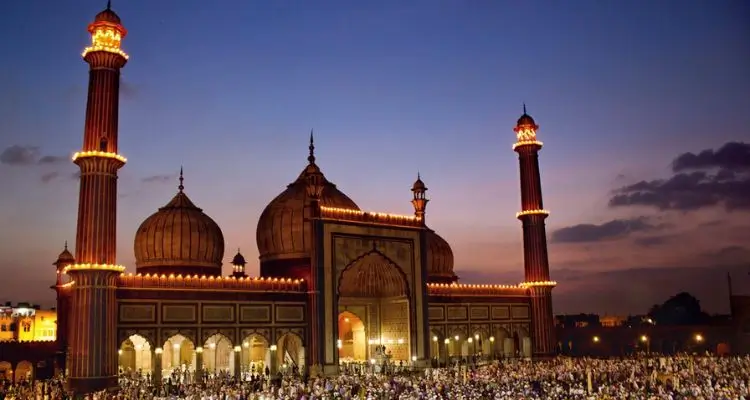
Jama Masjid is one of India's largest and most impressive mosques, welcoming thousands of worshippers and visitors every day. Built by Mughal Emperor Shah Jahan between 1650 and 1656, the mosque stands opposite the historic Red Fort in the heart of Old Delhi and remains one of the city's most iconic landmarks.
For many international tourists, visiting Jama Masjid is a highlight of exploring Old Delhi. The mosque's grand red sandstone architecture, towering minarets, vast courtyard, and panoramic views of Chandni Chowk make it one of Delhi's most photographed attractions.
However, because Jama Masjid is an active place of worship—not just a tourist attraction—visitors are expected to dress modestly and follow certain customs. Many first-time visitors, especially women, often wonder:
This guide answers all these questions while providing practical advice to help you enjoy a respectful and comfortable visit.
Commissioned by Mughal Emperor Shah Jahan after building the Red Fort, Jama Masjid was designed as the principal mosque of Shahjahanabad, the Mughal capital that later became Old Delhi.
The mosque took approximately six years to complete and required thousands of craftsmen and workers. Today, it can accommodate around 25,000 worshippers in its vast courtyard during major Islamic festivals.
Its striking combination of red sandstone and white marble, three magnificent domes, elegant archways, and two soaring minarets reflects some of the finest examples of Mughal architecture in India.
Whether you are interested in history, architecture, photography, or cultural experiences, Jama Masjid deserves a place on every Delhi itinerary.
Jama Masjid generally welcomes visitors every day.
Opening Hours
The mosque closes temporarily during the main afternoon prayer and may also restrict tourist entry during Friday prayers, Eid celebrations, Ramadan prayers, or other important religious occasions.
Because timings can vary depending on prayer schedules, it is always wise to remain flexible when planning your visit.
Although the mosque is open throughout most of the day, some times offer a much better experience than others.
Early Morning (7:00 AM – 9:00 AM)
Best Time Overall
Morning visits provide:
Photographers especially enjoy the morning light reflecting off the marble courtyard.
The period before sunset is another excellent time to visit.
The golden sunlight enhances the red sandstone, and the surrounding streets of Old Delhi become lively without being overwhelmingly crowded.
Many travelers combine an evening visit with nearby attractions such as Chandni Chowk, Red Fort, or a cycle rickshaw ride.
Friday is the most important prayer day of the week.
Large numbers of worshippers gather for Jumu'ah (Friday prayers), making the mosque significantly busier than usual.
If your main purpose is sightseeing and photography, choosing another day is generally recommended
Discover one of Delhi's most iconic landmarks with the guidance of experienced local experts. From dress code and visiting etiquette to the best times for photography and peaceful exploration.
Entry to Jama Masjid is generally free for visitors.
However, there may be separate charges for:
Charges occasionally change, so it's best to confirm the latest fee at the entrance before purchasing a ticket.
Jama Masjid is located in the heart of Old Delhi, close to several major tourist attractions.
Nearby attractions include:
By Metro
The easiest way to reach the mosque is by the Delhi Metro.
The Jama Masjid Metro Station (Violet Line) is within walking distance.
Alternatively, you can arrive at Chandni Chowk Metro Station (Yellow Line) and take a short cycle rickshaw ride through the bustling market.
By Taxi
Uber and Ola operate throughout Delhi and can drop visitors close to the main entrance.
However, during busy hours, traffic in Old Delhi can be heavy, making the Metro a faster option.
One of the most common questions asked by international visitors is whether there is a dress code for women.
The answer is yes. Since Jama Masjid is an active place of worship, visitors are expected to dress modestly out of respect for the religious and cultural significance of the mosque.
The dress code is not intended to discourage tourists but to ensure that everyone entering the mosque is appropriately dressed.
Suitable clothing includes:
Loose and breathable cotton clothing is recommended, especially during Delhi's warmer months.
The following clothing is generally considered inappropriate inside the mosque:
If your clothing is considered too revealing, staff at the entrance may ask you to wear a robe before entering.
Although practices may vary depending on the day and the staff on duty, women are generally expected to cover their heads while inside the mosque.
Carrying a lightweight scarf or shawl is the easiest option.
A simple cotton scarf is sufficient and can easily be packed in your day bag.
If you forget to bring one, head coverings are often available near the entrance.
Experience the spiritual and architectural grandeur of Jama Masjid through a personalized heritage tour that blends local culture, historical storytelling, traditional markets, and authentic experiences.
Yes.
If your clothing does not meet the mosque's modesty requirements, visitors are usually provided with a loose robe (sometimes referred to as a gown) before entering.
These robes help ensure respectful dress while allowing tourists to enjoy the visit.
They are typically returned before leaving the mosque.
Men should also dress respectfully.
Recommended clothing includes:
Avoid:
Although the dress code for men is generally less strict than for women, modest clothing is still expected.
All visitors must remove their shoes before entering the mosque courtyard.
This is a standard practice at mosques around the world.
At the entrance, you can:
During summer, the marble courtyard can become extremely hot in the afternoon, so visiting in the morning or late afternoon is more comfortable.
Following a few simple etiquette rules helps ensure a respectful visit for both tourists and worshippers.
Keep conversations low and avoid shouting, running, or creating unnecessary noise.
Remember that many people visit the mosque for prayer and reflection.
If prayers are taking place:
Observing from a respectful distance is perfectly acceptable.
The mosque's architecture is beautiful and photography is generally allowed.
However, avoid taking close-up photographs of worshippers without their permission.
Always ask politely before photographing individuals.
As with many religious sites in India, hugging, kissing, or other public displays of affection should be avoided inside the mosque complex.
Do not litter, leave food packaging behind, or damage any part of the historic structure.
Help preserve the monument by respecting its surroundings.
Yes. Tourists are generally allowed to take photographs of the mosque's architecture, courtyard, and surrounding views.
Popular photography spots include:
Professional photography equipment and videography may require an additional fee, so check with staff before entering.
Yes, when it is open to visitors.
One of the mosque's southern minarets is accessible via a narrow spiral staircase.
From the top, you'll enjoy spectacular panoramic views of:
The staircase is narrow and steep, so visitors with mobility issues or a fear of heights may prefer to remain at ground level.
A little preparation will make your visit smoother and more enjoyable.
Because Jama Masjid is centrally located, it's easy to visit several attractions on the same day.
Popular nearby places include:
Together, these attractions make an excellent half-day or full-day Old Delhi itinerary.
Find the answers to all of our most frequently asked questions
Women should wear modest clothing that covers the shoulders and knees. Long dresses, trousers, kurtas, and tops with sleeves are suitable, while shorts, sleeveless tops, and short skirts should be avoided.
Women are generally expected to cover their heads inside the mosque. Carrying a lightweight scarf or shawl is recommended, and head coverings are often available at the entrance if needed.
Yes. Visitors whose clothing does not meet the mosque's dress code are usually provided with a robe to wear during their visit.
Entry to the mosque is generally free, although separate charges may apply for professional photography, videography, or climbing the minaret.
Tourists are usually welcome from around 7:00 AM to 12:00 Noon and 1:30 PM until sunset, with temporary closures during prayer times.
Tourist access may be restricted or limited during Friday prayers due to the large number of worshippers. Visiting on another day is often more convenient.
Yes. All visitors must remove their shoes before entering the mosque courtyard.
Yes. Photography of the architecture is generally permitted, but always be respectful and avoid photographing worshippers without permission.
Yes, when it is open. A separate ticket is usually required, and the climb involves a narrow spiral staircase leading to panoramic views of Old Delhi.
Absolutely. Jama Masjid is one of Delhi's most significant historical and religious landmarks, offering magnificent Mughal architecture, cultural insights, and easy access to many of Old Delhi's most popular attractions.