Your Travel Partner
SINCE 1989
Your Travel Partner
SINCE 1989
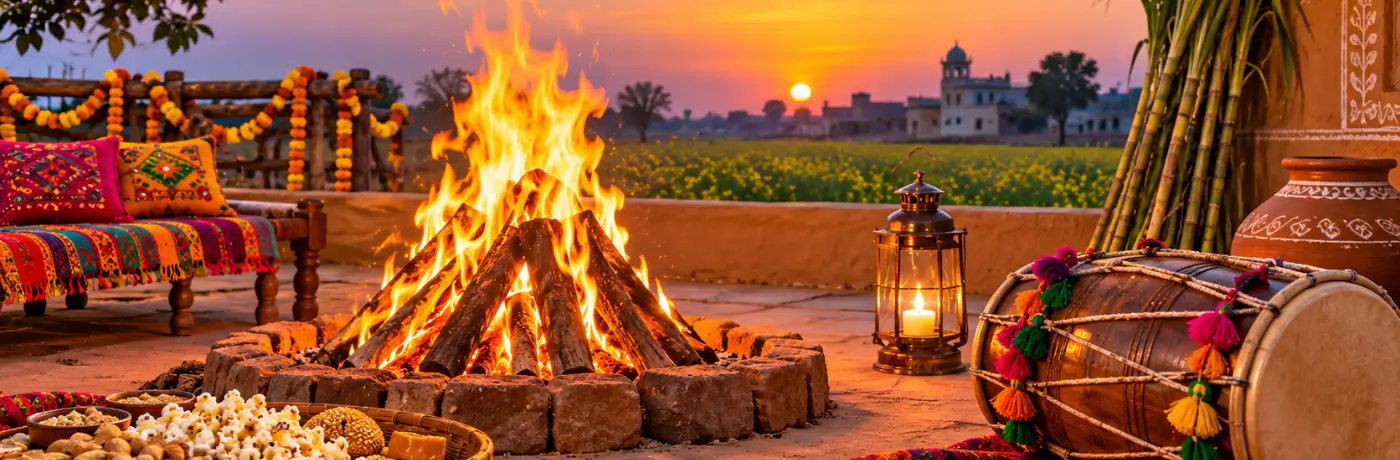
January brings a different charm to northern India. Winter mornings are crisp, traditional markets fill with seasonal treats, and families prepare for one of Punjab's most recognisable celebrations. Known for its bonfires, folk songs, dancing and shared food, Lohri offers visitors an opportunity to experience Indian culture through everyday community life rather than sightseeing alone.
If you are researching the lohri 2027 date, planning a winter holiday or looking for cultural experiences to add to your India itinerary, this guide covers the festival's significance, traditional celebrations, regional customs and practical travel advice. It also explores how to combine a Lohri experience with destinations such as Amritsar, Delhi, Agra and Jaipur.
Whether you are visiting India for the first time or returning to discover more of its regional traditions, understanding Lohri can help you plan a more rewarding January holiday.
The 2027 lohri date requires a little attention because published calendars differ in their observance for certain locations. Lohri is traditionally associated with the evening before Makar Sankranti, but calendar calculations and regional conventions can produce different dates in some years.
For visitors planning an international trip, it is worth confirming the observance with a reliable local calendar or the organisers of the celebration you intend to attend.
| Festival Detail | Information |
|---|---|
| Festival | Lohri |
| Main Cultural Association | Punjab and Punjabi communities |
| Usual Period | 13–14 January |
| Main Celebration | Evening bonfire, folk songs, dancing and traditional food |
| Season | Winter |
| Related Festival | Makar Sankranti |
People searching for the lohri date 2027 should note that the Rashtriya Panchanga lists Lohri in Jammu and Kashmir on Wednesday, 13 January 2027, while Drik Panchang lists Thursday, 14 January 2027, for New Delhi. Check the date applicable to your destination before finalising travel arrangements.
The january 2027 lohri date is especially relevant for travellers booking flights, hotels and private transfers in advance. If attending a particular community celebration is the main purpose of your visit, confirm the venue, date and start time directly with the organisers.
Lohri is a winter festival deeply associated with Punjabi culture and the agricultural traditions of northern India. It is celebrated particularly in Punjab, with observances also found among communities in Haryana, Himachal Pradesh, Delhi and other parts of the country.
Traditionally, the festival is connected with the winter agricultural cycle, seasonal change and the anticipation of a successful harvest. It brings families and communities together at a time of year when evenings are cold and outdoor gatherings centre on the warmth of a bonfire.
Lohri is also an occasion for expressing gratitude, sharing food and passing cultural traditions from one generation to another. Folk songs, dancing and stories form an important part of the celebration, giving the festival a lively atmosphere that is distinct from formal religious ceremonies.
For international travellers, Lohri provides a chance to see how India's festivals are woven into ordinary life. Rather than being limited to a procession or stage performance, many celebrations take place in neighbourhoods, courtyards and family homes.
The experience can be particularly meaningful for visitors interested in local food, folk music, regional history and the relationship between Indian communities and their agricultural heritage.
From royal palace stays to private cultural tours and personalised experiences, explore India's finest destinations with a bespoke luxury itinerary and dedicated chauffeur-driven travel.
The bonfire is the most recognisable feature of a traditional Lohri celebration. After sunset, people gather around the fire, exchange greetings, sing familiar songs and offer traditional foods according to local customs.
The fire is commonly associated with warmth, prosperity, gratitude and the transition through winter. For farming communities, Lohri also reflects hopes for agricultural prosperity and the importance of seasonal cycles.
Sesame seeds, jaggery, peanuts, popcorn and other traditional foods are closely associated with the festival. Their presence reflects the ingredients and snacks enjoyed during the colder months.
In some households, people walk around the bonfire as part of the observance. Customs differ between families and communities, so visitors should follow the lead of their hosts rather than assume that every celebration follows exactly the same ritual.
For travellers attending an organised event, it is sensible to keep a safe distance from the flames, follow the organiser's instructions and avoid throwing plastic or other waste into the fire.
The bonfire is not simply a visual attraction. It is the centre of a gathering in which food, music, storytelling and social connection matter as much as the fire itself.
Music gives Lohri much of its distinctive character. Traditional folk songs are performed during gatherings, while the rhythmic beats of the dhol encourage people to dance and celebrate together.
One well-known folk song associated with Lohri is Sunder Mundriye, which tells the story of Dulla Bhatti, a popular figure in Punjabi folklore. The song is passed down through generations and remains an important part of the festival's cultural identity.
Bhangra, the energetic dance traditionally associated with Punjab, may feature at larger celebrations. Gidda, a lively folk dance traditionally performed by women, can also be seen at cultural gatherings.
Visitors should remember that performances vary according to the setting. A village gathering might involve spontaneous singing and dancing, while a public cultural event may feature a planned programme with performers and an audience.
If you enjoy music and cultural photography, ask local hosts about public celebrations taking place during your visit. Attending a genuine community event can offer a more personal experience than simply watching a performance staged for tourists.
Food is central to the hospitality associated with Lohri. Many traditional foods are especially suited to the winter season and reflect Punjab's agricultural heritage.
Gajak and rewri: These sesame-based sweets are widely associated with winter celebrations. Their combination of sesame seeds and sugar or jaggery makes them familiar seasonal treats.
Peanuts and popcorn: Both are common snacks at Lohri gatherings and may be shared around the bonfire.
Til and gur: Sesame seeds and jaggery are closely associated with winter festivals across parts of northern India. They are also important in the wider seasonal food traditions surrounding Makar Sankranti.
Sarson da saag and makki di roti: This celebrated Punjabi combination of mustard greens and maize flatbread is particularly associated with winter meals. Travellers may find it on restaurant menus during the season, although availability varies by establishment.
Punjabi festive meals: Depending on the household or venue, a Lohri gathering may include other regional dishes, sweets and home-cooked food.
If you are travelling specifically for the festival, consider asking your hotel or local guide about a reputable Punjabi restaurant or a cooking experience. Food can be an excellent introduction to regional culture, particularly when a host explains the ingredients and traditions behind each dish.
Lohri is celebrated in different ways across northern India. The best destination depends on whether you want to experience Punjabi culture directly, explore historic landmarks or combine a festival visit with a longer winter holiday.
Amritsar is an excellent starting point for travellers interested in Punjab's cultural identity. The city is home to the Golden Temple, one of Sikhism's most important spiritual sites, as well as Jallianwala Bagh and historic neighbourhoods that reveal different aspects of the region's past.
During a January visit, you can explore local markets, sample Punjabi cuisine and ask about public Lohri celebrations taking place during your stay.
The Golden Temple is worth visiting regardless of whether your travel dates coincide with Lohri. Visitors should dress respectfully, cover their heads in the prayer complex and follow the site's visitor guidelines.
Amritsar also works well for a short cultural holiday of two or three nights. Allow time for sightseeing without rushing between attractions, particularly if you want to enjoy local food and explore the city at a relaxed pace.
Delhi combines historical monuments, museums, markets and a diverse food scene. It is also a practical arrival point for international visitors planning to travel through northern India.
Around Lohri, Punjabi communities in Delhi may organise family gatherings and public celebrations. The exact programme changes each year, so travellers should confirm which events welcome outside visitors.
During the day, you can explore the capital's historic districts, visit major landmarks and sample regional cuisines. In the evening, a confirmed cultural event can provide a different perspective on life in the city.
January weather can include cold mornings and fog. Keep your schedule flexible if you have a domestic flight or long-distance road transfer planned.
Jaipur offers a contrasting experience after a visit to Punjab. The Pink City is known for its historic forts, royal palaces, traditional crafts and lively markets.
Amber Fort, the City Palace and Jantar Mantar are among the major attractions for visitors interested in architecture and history. Local markets also provide opportunities to discover textiles, jewellery, handicrafts and regional foods.
Lohri is not Jaipur's defining festival, so it is better to plan the city as part of a wider winter itinerary rather than expect Punjabi-style celebrations throughout Rajasthan.
January is generally a favourable time for daytime sightseeing, although evenings can be cold. A well-planned visit can combine guided heritage tours with time to explore the city's food and craft traditions.
Agra is a natural addition to a Delhi-based winter holiday. The Taj Mahal, Agra Fort and other historic sites provide an introduction to the Mughal architectural heritage of northern India.
Winter conditions can affect visibility during early mornings, so travellers planning a sunrise visit to the Taj Mahal should check the local forecast and remain flexible where possible.
Agra is often included in the Golden Triangle route with Delhi and Jaipur. This makes it suitable for visitors who want to combine a cultural festival experience with some of India's best-known historical attractions.
Chandigarh provides another option for travellers exploring Punjab and its neighbouring regions. Known for its planned urban layout, gardens and architectural heritage, the city offers a different atmosphere from Amritsar's historic and spiritual centre.
Travellers may use Chandigarh as a base for exploring selected destinations in Punjab or continuing towards parts of Himachal Pradesh. If Lohri is a priority, check local programmes in advance rather than assuming that a particular event will be open to visitors.
A visit built around Lohri does not need to be limited to one evening. With sensible routing, you can combine the festival with historical landmarks, food experiences and regional culture.
Day 1: Arrive in Amritsar, settle into your hotel and explore the city's markets and local food scene.
Day 2: Visit the Golden Temple and Jallianwala Bagh. If your dates coincide with a confirmed public Lohri celebration, reserve the evening for the event.
Day 3: Enjoy a relaxed morning, explore any remaining attractions and depart.
This itinerary suits travellers with limited time who want to focus on Punjab rather than cover several regions in a single trip.
Day 1: Arrive in Delhi and settle into your accommodation.
Day 2: Explore Delhi's historical and cultural attractions. Attend a confirmed Lohri gathering if your dates and location align.
Day 3: Travel to Agra and visit Agra Fort, with time for the Taj Mahal according to your schedule.
Day 4: Continue towards Jaipur, allowing time for the road journey.
Day 5: Explore Jaipur's forts, palaces and traditional markets.
Day 6: Enjoy any remaining sightseeing before departure or onward travel.
This option is particularly suitable for first-time visitors who want a mix of Indian history, architecture, food and cultural experiences.
Travellers with more time can consider a longer journey combining Delhi, Amritsar, Agra, Jaipur and selected Himalayan destinations. Such an itinerary can offer a broader view of northern India's cultural and geographical diversity.
However, distances should be considered carefully. Adding Amritsar and a Himalayan destination to the Golden Triangle increases travel time, and winter fog or mountain weather can affect schedules.
A private vehicle can make selected road journeys more flexible, while trains or domestic flights may be more practical for longer distances. The right combination depends on your budget, preferred pace and departure city.
For a customised holiday, plan the Lohri experience first and build the rest of the itinerary around the confirmed celebration date.
Discover India together with personalised private tours, premium hotels, and comfortable chauffeur-driven travel. Create a family holiday tailored to your interests, schedule, and comfort.
January is winter across much of northern India, but conditions vary significantly by region.
Punjab and Delhi: Expect cold mornings and evenings. Fog may affect road visibility and some transport services, particularly in the northern plains.
Agra and Jaipur: Daytime sightseeing can be comfortable, but early mornings and nights may be chilly. Carry layers rather than relying on lightweight summer clothing.
Himalayan destinations: Temperatures can be much lower, and some routes may experience snow, ice or weather-related disruption. Check local conditions before booking mountain excursions.
Southern India: Kerala and other southern destinations generally offer a milder alternative to the northern winter, although conditions vary between the coast, cities and hill stations.
Pack a warm jacket, comfortable walking shoes and clothing that can be layered. If your itinerary includes an outdoor festival, bring an additional layer for the evening.
Planning ahead will help you enjoy the festival without unnecessary stress.
Confirm the festival date. Because calendars differ for 2027, verify the local observance with a reliable source or event organiser before booking non-refundable arrangements.
Reserve accommodation early. Book a hotel that suits your location and transport needs, especially if you plan to combine the festival with a multi-city holiday.
Ask about event access. Some celebrations are private family gatherings. Look for public events or ask a trusted local guide to recommend an appropriate experience.
Respect local traditions. Ask permission before photographing people, particularly children and private family rituals. Follow guidance from hosts and event organisers.
Prepare for cold evenings. Warm clothing is essential for outdoor gatherings in northern India during January.
Allow extra travel time. Fog, traffic and winter weather may affect road and flight schedules. Avoid tight connections around important activities.
Choose responsible experiences. Attend celebrations where bonfires are managed safely, and avoid leaving litter or disturbing the surrounding neighbourhood.
For travellers who want to understand India beyond its famous monuments, Lohri offers a valuable cultural perspective. Its songs, food, bonfires and community gatherings reveal how seasonal traditions remain part of everyday life.
It can also provide a natural starting point for exploring northern India in winter. A few days in Punjab can be combined with Delhi's historical districts, Agra's Mughal landmarks and Jaipur's royal heritage, depending on the time available.
The key is to plan around a genuine cultural experience rather than treating the festival as a guaranteed tourist performance. Confirm the event, respect local customs and leave enough time to enjoy each destination.
If you are planning a winter visit, Travel Plan Raj can help you explore private transport and customised India itineraries suited to your preferred destinations, travel dates and pace. A well-designed route can bring together festival experiences, heritage sightseeing and regional cuisine without making the journey unnecessarily rushed.
Published calendars differ for 2027. The Indian government's Rashtriya Panchanga lists Lohri on 13 January for Jammu and Kashmir, while Drik Panchang lists 14 January for New Delhi. Confirm the local observance before planning your visit.
Travellers visiting Punjab should confirm the date with a reliable regional calendar or the organisers of their intended celebration. Do not assume that every published calendar follows the same convention for 2027.
Check a reliable calendar for your destination and contact the hotel, local guide or event organiser if you intend to attend a specific celebration. Confirming the date before booking non-refundable travel is particularly important this year.
Drik Panchang lists Lohri on 14 January 2027 for New Delhi, while other published calendars list 13 January. Confirm the relevant local observance before finalising your itinerary.
Lohri is associated with Punjabi culture, winter traditions, agricultural heritage and community celebration. Bonfires, folk songs, dancing and seasonal foods are among its best-known features.
Punjab is the festival's principal cultural centre. Celebrations also take place among Punjabi communities in Haryana, Himachal Pradesh, Delhi and other parts of India.
Yes, where celebrations are public and visitors are welcome. Private family gatherings may not be open to tourists, so ask your host or event organiser before attending.
Bring warm layers, a jacket, comfortable walking shoes and an additional layer for outdoor evenings. If travelling to the Himalayas, check the specific conditions and equipment required for your chosen destination.
Amritsar is an excellent choice for Punjabi culture. Delhi, Agra and Jaipur work well for a broader heritage holiday, while a longer trip can include selected Himalayan destinations if weather and travel time permit.
A private tour can simplify transport, accommodation planning and multi-city travel. It can also help you arrange a suitable cultural experience, provided the event is confirmed and genuinely accessible to visitors.