Your Travel Partner
SINCE 1989
Your Travel Partner
SINCE 1989
Rajasthan is a land of colour, faith, and celebration. Across its vast landscape - from the golden sands of the Thar Desert in the west to the verdant river valleys of the east - countless fairs and festivals dot the annual calendar, each carrying centuries of tradition and spiritual significance. Among these, the Chandrabhaga Fair, held in Jhalrapatan in the Jhalawar district, stands out as one of the most sacred and culturally vibrant events in the entire state.
Held annually on Kartik Purnima - the full moon night of the Hindu month of Kartik (October-November) - the Chandrabhaga Fair is a beautiful confluence of religious devotion, age-old commerce, and folk culture. Thousands of pilgrims, devotees, traders, and tourists converge at the banks of the Chandrabhaga River each year, creating a spectacle that is as spiritually uplifting as it is visually spectacular.
This comprehensive guide covers everything you need to know about the Chandrabhaga Fair - its history, religious significance, the cattle fair, how to get there, what to expect, and why it should be on every traveller's Rajasthan itinerary.
The Chandrabhaga Fair is held every year at Jhalrapatan in Jhalawar district of Rajasthan, in the month of Kartik, i.e. Oct-Nov. On the full moon night of Kartik Purnima, thousands of pilgrims take a holy dip in the Chandrabhaga River, which is considered a sacred river by the people residing there. The fair, held on the last day of Kartik, attracts devotees who bathe in the holy water at the spot known as Chandravati. The festival is named after this river, which is considered very sacred by the local people.
In essence, the fair has two distinct dimensions that coexist harmoniously: a deeply religious dimension centred around the holy dip in the Chandrabhaga River, and a vibrant commercial dimension in the form of a large cattle fair that draws traders from across the region.
Kartik Purnima is one of the most auspicious days in the Hindu calendar. Falling on the full moon of the month of Kartik (typically in November), it marks the end of the Kartik month - a period considered especially sacred for performing acts of devotion, charity, and purification. Across India, Kartik Purnima is celebrated with lamp-lighting, prayers, and ritual bathing in sacred rivers and water bodies.
At the Chandrabhaga River in Jhalrapatan, this sacred day takes on special significance. The Chandrabhaga River (also known locally as Chandravati at the bathing ghat) is believed to be a holy river whose waters have purifying properties on Kartik Purnima. Bathing in its waters on this night is believed to wash away sins, grant spiritual merit, and bring blessings for health, prosperity, and well-being. This belief draws thousands of pilgrims from across Rajasthan, Madhya Pradesh, and Maharashtra every year.
The ritual bathing typically begins in the early hours before sunrise on Kartik Purnima. The atmosphere at the ghat is electric - oil lamps float on the river, priests chant sacred verses, devotees perform puja, and the air is thick with incense and the sound of bells. It is a deeply moving experience for anyone who witnesses it, regardless of their faith.
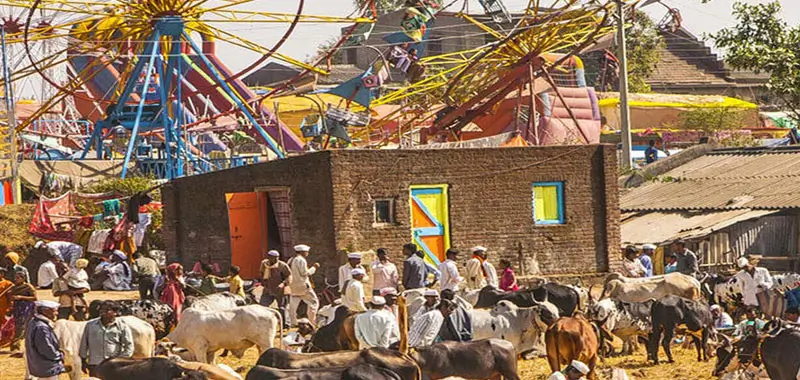
Alongside its religious significance, the Chandrabhaga Fair hosts one of the largest cattle fairs in Rajasthan. A huge cattle fair that combines religion with commerce is held here. Farm animals like cows, horses, buffaloes, camels and bullocks are brought here from the distant parts for sale. Traders from different parts of Madhya Pradesh and Maharashtra converge, and brisk trading takes place.
The cattle fair is a fascinating spectacle in itself. Rows upon rows of animals - well-groomed horses, decorated camels, sturdy bullocks, and prized cows - are lined up for display and sale. The air buzzes with the sound of haggling, the braying of animals, and the excited chatter of traders and buyers. For farmers and rural communities across the region, the Chandrabhaga cattle fair is one of the most important commercial events of the year, providing an opportunity to buy and sell livestock at competitive prices.
Horse trading at the Chandrabhaga fair is particularly noteworthy. Rajasthan has a long and storied tradition of horse breeding, and some of the finest Marwari horses - known for their distinctive inward-curving ears and exceptional stamina - are showcased and traded at this fair. For horse enthusiasts and equestrians, the fair offers a rare opportunity to see these magnificent animals up close.
The fair gives a very good opportunity to tourists to know more about the rituals, traditions, and also about the people of this region. Beyond the religious ceremonies and the cattle fair, the Chandrabhaga Fair is a treasure trove of folk culture, traditional crafts, and rural Rajasthani life.
Folk performances are a central part of the fair's cultural programming. Local artists perform traditional Rajasthani dance forms - including Ghoomar, Kalbeliya, and Bhavai - on makeshift stages set up around the fair grounds. Folk musicians playing dholak, sarangi, and morchang fill the air with the sounds of traditional Rajasthani music. Puppeteers entertain crowds with the beloved Kathputli (puppet show) tradition that Rajasthan is famous for.
The fair also features a vibrant bazaar where local artisans and traders sell traditional Rajasthani handicrafts, textiles, jewellery, pottery, and tribal artefacts. This is an excellent opportunity for visitors to pick up authentic, locally made souvenirs at reasonable prices. The food stalls at the fair serve traditional Rajasthani delicacies - dal baati churma, ghewar, jalebis, and freshly cooked rotis with spicy curries.
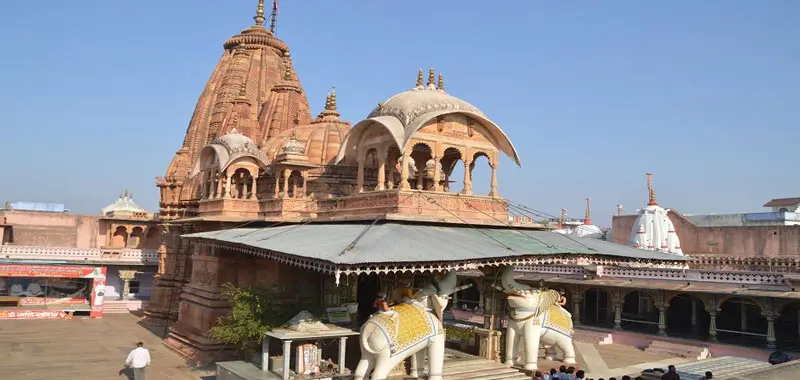
The Chandrabhaga Fair is held in Jhalrapatan, which is a historically and culturally significant town in the Jhalawar district of Rajasthan. Often called the 'City of Bells', Jhalrapatan is home to several ancient temples and historical monuments that date back centuries. The town takes its name from the large number of temples (patan = town of temples) and the bells that ring out from them throughout the day.
The most famous temple in Jhalrapatan is the Shantinath Jain Temple, a stunning 10th-century Jain temple with exquisite stone carvings. The Chandravati temple, situated near the Chandrabhaga River, is the main focus of the Kartik Purnima festival. The Dwarka Dheesh Temple, the Saat Saheli Temple complex, and the Sun Temple are other notable religious and historical sites in the town.
Jhalrapatan also has a beautifully preserved old bazaar street lined with historic havelis and traditional shops. Walking through this street gives visitors a vivid sense of the town's historical significance and architectural heritage.
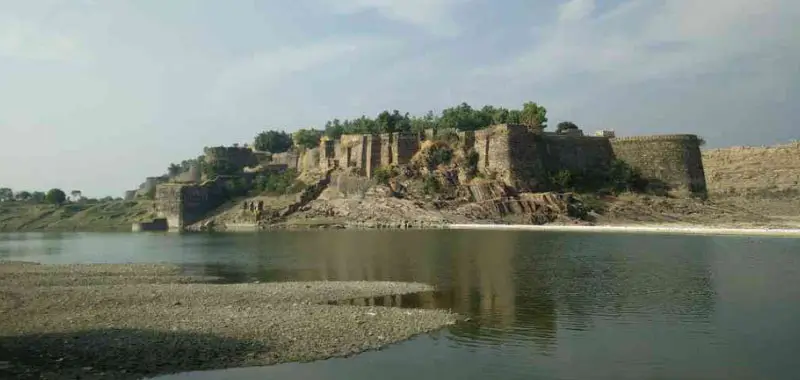
Jhalawar district, of which Jhalrapatan is a part, is one of Rajasthan's hidden gems. Far less touristy than destinations like Jaipur, Jodhpur, or Udaipur, Jhalawar offers a more authentic, unhurried experience of Rajasthani culture and history. The district is known for its beautiful palaces, ancient temples, and lush natural surroundings - a welcome contrast to the arid deserts that most people associate with Rajasthan.
The Gagron Fort, located on the confluence of the Ahu and Kali Sindh rivers near Jhalawar, is a UNESCO World Heritage Site and one of the finest examples of water fort architecture in India. The fort's dramatic setting, with rivers on three sides and a natural moat, makes it one of Rajasthan's most photogenic monuments. The Jhalawar Fort and Palace, though partially in ruins, offers insights into the district's royal history.
Nature lovers will appreciate the Bhimsagar Wildlife Sanctuary and the gardens around Jhalawar town. The district is also famous for its orange orchards, and visiting during the orange harvest season (November-December) offers an additional treat.
Jhalawar is well connected by both rail and road and can be easily accessed from Kota, Bundi, and Jaipur by rail network. Here is a more detailed breakdown of how to reach Jhalawar:
By Road
Jhalawar is approximately 360 km from Jaipur, 88 km from Kota, and about 550 km from Delhi. The National Highway 52 connects Kota to Jhalawar. State Highway 25 connects Jhalawar to Chittorgarh. Regular bus services operate from Jaipur, Kota, Bundi, and Chittorgarh to Jhalawar. Private taxis and self-drive options are also available.
By Rail
The nearest major railway station is Kota Junction, which is well-connected to Jaipur, Delhi, Mumbai, and other major cities. From Kota, Jhalawar Road railway station (the station serving Jhalawar) is about 80 km by road. During the Chandrabhaga Fair, special train services may be arranged by Indian Railways to handle the increased passenger demand.
By Air
The nearest domestic airport is Kota Airport (though it has limited flight connections). The more practical option for most travellers is Jaipur International Airport or Indore Airport, from where road transport can be arranged to Jhalawar.
The Chandrabhaga Fair is held annually on Kartik Purnima, which falls in October or November as per the Hindu lunar calendar. The date changes each year, so it is advisable to check the exact dates before planning your visit.
Arrive a day early: The fair officially peaks on Kartik Purnima, but activities begin a few days earlier. Arriving a day or two before the main fair day allows you to see the cattle being brought in and the fair being set up - which is a fascinating experience in itself.
Accommodation: Jhalawar has limited but adequate accommodation options, including government rest houses and private hotels. For more comfortable options, Kota (about 88 km away) has a wider range of hotels. It is strongly advisable to book accommodation well in advance, especially for the Kartik Purnima night.
What to wear: For the early morning ritual bathing at the ghat, wear clothes you do not mind getting wet. Carry a change of clothes and a dry towel. The weather in November in Jhalawar is pleasantly cool, so a light shawl or jacket for the early morning and evenings is recommended.
Photography: The fair provides spectacular photography opportunities - the candlelit ghat on Kartik Purnima night, the decorated animals at the cattle fair, the folk performers, and the bustling bazaar. Respect the privacy and sentiments of devotees while photographing at the ghat.
Safety and hygiene: Large crowds gather at the ghat on Kartik Purnima night. Keep your belongings secure, stay with your group, and be aware of the crowd flow near the water. Drink only bottled water and be selective about the food stalls you eat at.
The Chandrabhaga Fair can be conveniently combined with other popular Rajasthan destinations to create a comprehensive tour. Kota, the industrial city on the banks of the Chambal River, is the closest major city and worth a visit for its palaces, gardens, and the spectacular Chambal River. Bundi, just 36 km from Kota, is one of Rajasthan's most enchanting and undervisited towns - famous for its step-wells (baoris), the dramatic Taragarh Fort, and vibrant murals.
Chittorgarh, with its massive hilltop fort and deeply moving history, is another excellent addition to an itinerary that includes the Chandrabhaga Fair. The entire Hadoti region - encompassing Kota, Bundi, Jhalawar, and Baran - is one of Rajasthan's most rewarding travel circuits, offering a glimpse into a Rajasthan that is less visited and, in many ways, more authentic.
Travel Plan Raj, with over three decades of experience in curating Rajasthan tours, can help you design a personalised itinerary that combines the Chandrabhaga Fair experience with the best of Rajasthan's cultural, historical, and natural attractions.
Chandrabhaga Fair in Rajasthan is held in great reverence and a lot of people take part in this gala event. The fair represents everything that makes Rajasthan's festival culture unique - the seamless blend of the sacred and the social, the spiritual and the commercial, the ancient and the contemporary. For a traveller seeking an authentic encounter with rural Rajasthan, its people, their faith, and their traditions, the Chandrabhaga Fair is an unmissable experience.
The Chandrabhaga Fair is held annually on Kartik Purnima - the full moon night of the Hindu month of Kartik, which falls in October or November. The exact date changes each year according to the Hindu lunar calendar. It is advisable to check the specific date for the year you plan to visit.
The fair is held at Jhalrapatan town in Jhalawar district of Rajasthan. The main religious event - the holy dip - takes place at the Chandrabhaga River, at a spot known as Chandravati. The cattle fair and cultural activities are held on the open grounds near the river.
Bathing in the Chandrabhaga River on Kartik Purnima is believed to be spiritually purifying and meritorious. The river is considered holy by local communities, and taking a dip on this sacred full moon night is believed to wash away sins and bring blessings for health, prosperity, and liberation from the cycle of rebirth.
The cattle fair at Chandrabhaga features a wide variety of farm and livestock animals, including cows, buffaloes, bullocks, horses, and camels. Traders come from Rajasthan, Madhya Pradesh, and Maharashtra. The fair is particularly known for its horse trading, including Marwari horses.
Jhalawar is approximately 360 km from Jaipur by road. The journey takes roughly 5-6 hours by car or bus. The most convenient way to reach Jhalawar from Jaipur is via Kota, which is the nearest major railway hub, located about 88 km from Jhalawar.
Jhalawar and the surrounding Hadoti region have much to offer: the UNESCO-listed Gagron Fort, the Jhalawar Fort and Palace, the ancient Shantinath Jain Temple in Jhalrapatan, the Bhimsagar Wildlife Sanctuary, the Step-wells of the region, and the charming towns of Kota and Bundi nearby.
Yes, the Chandrabhaga Fair is a wonderful experience for foreign tourists seeking an authentic insight into rural Rajasthani culture, religion, and commerce. The fair's colourful atmosphere, folk performances, and the spiritual ritual of Kartik Purnima bathing make it a unique and memorable cultural immersion experience.
Kota to Jhalawar is approximately 88 km by road (about 1.5-2 hours by car or bus). Regular state-run buses operate this route. Private taxis and auto-rickshaws are also available from Kota to Jhalawar. The nearest railway station to Jhalawar is Jhalawar Road, connected to Kota by rail.
Accommodation in Jhalawar includes government rest houses, budget hotels, and a few mid-range options. For more comfortable accommodation, Kota (about 88 km away) offers a wider range of hotels. Due to high demand during the fair, it is strongly recommended to book accommodation at least 2-3 weeks in advance.
The fair features traditional Rajasthani folk dance performances (Ghoomar, Kalbeliya, Bhavai), folk music with instruments like dholak and sarangi, Kathputli (puppet) shows, and various art and craft demonstrations. The bazaar at the fair showcases traditional Rajasthani handicrafts, textiles, and jewellery.
Absolutely. The fair pairs well with visits to Kota, Bundi, and Chittorgarh. The entire Hadoti circuit - covering Kota, Bundi, Jhalawar, and Baran - is a rewarding travel experience. A dedicated travel agency like Travel Plan Raj can design a comprehensive Rajasthan itinerary incorporating the fair along with other key destinations.
Visitors should carry: a change of clothes if planning to take a holy dip, a light jacket or shawl for cool evenings, comfortable walking shoes, bottled water, a small amount of cash (most stalls at the fair do not accept cards), a camera for photography, and any required medications. It is also wise to carry identification and keep emergency contact numbers handy in the large crowd.