Your Travel Partner
SINCE 1989
Your Travel Partner
SINCE 1989
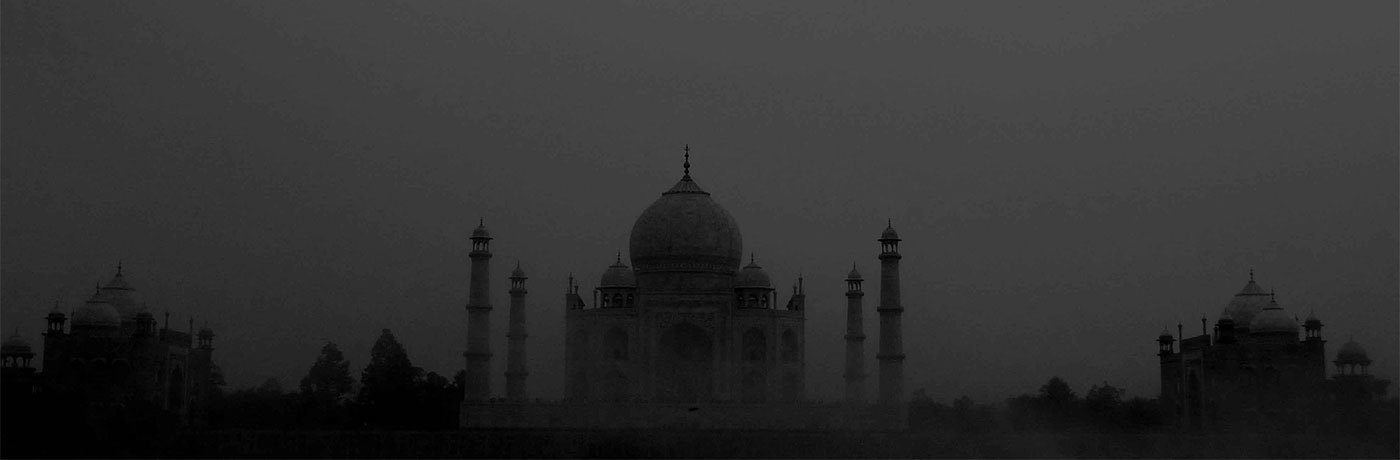

Travelling from Agra to Jaipur by private car is one of the most practical road journeys on India's Golden Triangle route. Instead of treating the day as a simple transfer between two cities, travellers can use the journey to visit Fatehpur Sikri, the former Mughal capital located west of Agra, before continuing into Rajasthan.
The Agra to Jaipur distance by road is approximately 235–250 kilometres, depending on the hotel locations and the route used. A direct private transfer generally requires around 4.5–5.5 hours under normal conditions. When Fatehpur Sikri is included, travellers should allow approximately 6.5–8 hours for the complete day, including sightseeing, parking arrangements, a meal stop and normal traffic.
For international visitors looking for a professionally arranged Agra to Jaipur private car, a realistic higher-side budget is approximately $130–$165 for a comfortable sedan on a direct transfer. A Toyota Innova can cost around $155–$195, while an Innova Crysta from Agra to Jaipur can reasonably cost approximately $175–$220.
With a proper Fatehpur Sikri visit included, a sedan can cost around $155–$195, while an Innova Crysta may cost approximately $200–$250, depending on waiting time, vehicle availability, pickup and drop locations and what the quotation includes.
The value of a private transfer is particularly strong on this sector because Fatehpur Sikri fits naturally between the two cities. Passengers can check out of their Agra hotel in the morning, keep their luggage in the vehicle, visit the historic complex and continue directly to their Jaipur hotel.
There is no need to return to Agra after sightseeing, and there is no need to arrange separate station transfers.
For travellers completing Delhi–Agra–Jaipur by private car, this road sector is one of the reasons using the same vehicle and driver across the Golden Triangle can be more convenient than booking independent transportation for each city.
The road distance from Agra to Jaipur is usually around 235–250 kilometres. The exact figure depends on the departure hotel in Agra, arrival hotel in Jaipur and the road selected.
A direct journey commonly requires approximately 4.5–5.5 hours.
This is shorter than several Rajasthan intercity transfers, but travellers should still avoid calculating the day using distance alone. Leaving Agra, passing through populated areas and entering Jaipur can add substantial time compared with cruising on open highway sections.
A sensible direct-transfer departure is around 8:00–9:00 AM. Travellers can have breakfast, check out without rushing and normally arrive in Jaipur during the afternoon.
With a Fatehpur Sikri visit, leaving around 7:30–8:30 AM works better.
A typical sightseeing-transfer day may involve departing Agra around 8:00 AM, reaching Fatehpur Sikri in the morning, spending approximately two hours around the historic complex, stopping for lunch and arriving at the Jaipur hotel in the late afternoon.
Actual times can change according to traffic, the duration of the monument visit and meal arrangements.
Travellers should avoid booking a tightly timed Jaipur activity immediately after the expected arrival. If a road delay adds an hour, a prepaid evening program can become stressful.
The best use of the arrival evening is usually hotel check-in followed by a relaxed dinner or a light activity close to the hotel.
The Agra to Jaipur taxi price varies according to vehicle type, luggage, passenger count, route, waiting time and sightseeing requirements.
For a direct hotel-to-hotel private transfer, international travellers can use the following premium-side figures for budgeting:
|
Vehicle Category |
Direct Transfer |
With Fatehpur Sikri |
|---|---|---|
|
Comfortable Sedan |
$130–$165 |
$155–$195 |
|
Premium Sedan |
$145–$180 |
$170–$210 |
|
Toyota Innova |
$155–$195 |
$185–$230 |
|
Toyota Innova Crysta |
$175–$220 |
$200–$250 |
|
Premium SUV |
$230–$300+ |
$260–$340+ |
|
Tempo Traveller |
$270–$370+ |
$310–$420+ |
|
Luxury Chauffeur Car |
$350–$600+ |
$400–$650+ |
These figures are designed around professional private-tour transportation rather than the cheapest local taxi available.
The quotation should ideally cover the air-conditioned vehicle, professional driver, fuel for the confirmed route, highway tolls, vehicle taxes and driver expenses.
Parking associated with sightseeing should be clarified separately if it is not included.
A traveller should also ask whether the quote is genuinely hotel-to-hotel. Pickup from a property far outside central Agra or drop at a Jaipur resort well beyond the city can affect the total operating distance.
When comparing two quotes, compare inclusions rather than only the headline price. A $145 Agra to Jaipur car with several extra road charges may ultimately cost more than a $165 all-inclusive quotation.
Fatehpur Sikri is not simply a convenient roadside attraction. It was established as an imperial capital by Mughal emperor Akbar and contains one of India's most important groups of Mughal buildings.
The complex is a UNESCO World Heritage Site and includes monumental gateways, courtyards, audience halls, palaces and religious buildings.
Its location makes it particularly suitable for travellers moving from Agra towards Jaipur.
Fatehpur Sikri lies approximately 40 kilometres west of Agra, so visiting it while leaving the city prevents unnecessary backtracking.
A traveller staying in Agra could make a separate return trip to Fatehpur Sikri, but that would require driving west and then returning east towards Agra. If Jaipur is the next destination, continuing west afterwards is far more logical.
A private vehicle makes this easy because the passengers' suitcases remain with the driver while they visit the monument.
Travellers should allow around 1.5–2.5 hours for a meaningful first visit. Those using a knowledgeable local guide may spend longer because the complex contains numerous buildings whose purpose is not always obvious without explanation.
Trying to complete Fatehpur Sikri in twenty minutes defeats the purpose of stopping.
Fatehpur Sikri is generally open from sunrise to sunset, although travellers should verify current visitor arrangements close to their travel date through official monument information.
The site has different areas, and visitors should understand that the archaeological palace complex and the religious area around Jama Masjid are not experienced in exactly the same way.
Foreign visitors should budget approximately $8–$15 per person for official monument admission and related visitor expenses, depending on current ticket rules and any additional services used.
Ticket prices can change, so the amount should be treated as a budgeting range rather than a guaranteed admission rate.
Visitors may encounter local transportation between parking areas and parts of the complex. Follow official arrangements and avoid assuming that every person approaching tourists is an authorized guide or transport representative.
If a guide is wanted, it is better to arrange a qualified guide through a reliable source rather than selecting someone solely because they approach the vehicle.
Travellers should also carry some local currency for small official transport charges, water or minor expenses.
Religious areas require appropriate behaviour. Shoes may need to be removed before entering certain spaces, and modest clothing is advisable.
The scale of Fatehpur Sikri surprises many first-time visitors.
The complex is not a single palace. It is an entire historic imperial settlement containing residential, administrative and religious architecture.
The Diwan-i-Khas is among the most recognizable buildings, known for its extraordinary central stone column and elaborate bracketed capital.
The Diwan-i-Aam served a different public function and illustrates how imperial audiences were structured.
The palace areas associated with Akbar's court contain courtyards and intricately carved architectural details that show influences extending beyond a single decorative tradition.
The Panch Mahal is particularly distinctive, with its progressively smaller levels creating an open pavilion-like structure.
The enormous Buland Darwaza dominates the approach to the mosque complex and is one of Fatehpur Sikri's most dramatic architectural features.
The Jama Masjid and the white marble tomb of Sheikh Salim Chishti remain active religious spaces. Visitors should behave accordingly rather than treating the area solely as a photography location.
A professional guide can make a substantial difference here because many structures look beautiful even without explanation, but their historical relationships become much clearer when placed in the context of Akbar's court.
For travellers already visiting the Taj Mahal and Agra Fort, Fatehpur Sikri also adds another chapter to the Mughal history encountered around Agra.
For most travellers leaving Agra in the morning, visiting Fatehpur Sikri before lunch is the better sequence.
An 8:00 AM departure from Agra can bring travellers towards Fatehpur Sikri in the morning. They can spend approximately two hours at the site and then continue towards Jaipur.
Lunch can be taken after the visit at a suitable restaurant along the onward route.
This arrangement has several advantages. Travellers begin sightseeing while their energy is higher, avoid arriving at the monument very late in the afternoon and then have a relatively straightforward drive towards Jaipur.
During hot periods, an earlier visit can also be more comfortable than walking through exposed courtyards during the strongest afternoon heat.
A later departure from Agra is possible, but passengers should calculate the consequences. Leaving the hotel close to midday, spending two hours at Fatehpur Sikri and then stopping for lunch can result in an evening arrival in Jaipur.
For travellers who prefer a relaxed road day, morning departure remains the stronger option.
Travellers sometimes ask whether Chand Baori at Abhaneri can be added to the Agra–Jaipur road journey.
It can be incorporated with the correct route and enough time.
Chand Baori is one of Rajasthan's most striking historic stepwells, with a deep geometric arrangement of thousands of narrow steps descending towards the water level.
For travellers interested in architecture and photography, it provides a completely different experience from Mughal monuments.
However, adding both Fatehpur Sikri and Abhaneri turns a simple transfer into a long sightseeing day.
Passengers should allow approximately 8–10 hours for the broader Agra–Fatehpur Sikri–Abhaneri–Jaipur journey, depending on traffic, sightseeing time and lunch.
A higher transfer price should also be expected because the driver and vehicle are operating for longer and may cover additional kilometres.
For a sedan, a premium transfer including both major stops can reasonably cost approximately $190–$240. An Innova Crysta can cost around $235–$295, depending on route and inclusions.
Travellers who genuinely enjoy historic architecture may find the combination worthwhile. Those who simply want to reach Jaipur comfortably should select Fatehpur Sikri alone.
The answer depends on the traveller.
A physically active couple interested in architecture can visit both without making the day unreasonable, provided they leave Agra early.
A family with young children, senior travellers or passengers who have already spent several intense sightseeing days may find the schedule unnecessarily tiring.
The critical issue is not whether both attractions fit mathematically. It is whether the travellers will still enjoy the second half of the day.
Fatehpur Sikri deserves around two hours. Chand Baori requires less time for many visitors, but the road diversion, parking and walking still add to the schedule.
Lunch also requires time.
The private-car advantage is flexibility. Travellers can arrange both stops but decide after Fatehpur Sikri whether they still want to continue with the second visit.
However, if the route and price depend on Abhaneri being included, this flexibility should be discussed with the operator in advance.
A sensible Agra to Jaipur sightseeing transfer should feel interesting rather than exhausting.
For two travellers with moderate luggage, a sedan provides sufficient comfort for the approximately five-hour direct journey.
The boot should be checked against luggage requirements before booking. Two passengers with two normal suitcases are generally manageable, while oversized baggage can create problems.
An Innova Crysta Agra to Jaipur transfer offers more space and can be particularly worthwhile when Fatehpur Sikri is included because passengers spend more of the day in and around the vehicle.
The price difference can be approximately $40–$60.
For travellers using the same car for a complete Golden Triangle and Rajasthan journey, the upgrade becomes more meaningful. The additional comfort is experienced across many days rather than a single transfer.
Senior travellers may also appreciate the higher seating position and easier entry.
For four adults carrying international luggage, the operator should be told the number and approximate size of bags before the vehicle is confirmed.
Larger families and groups should select a Tempo Traveller rather than filling every seat of an Innova while leaving inadequate room for baggage.
Train travel between Agra and Jaipur can be significantly cheaper than hiring a private vehicle.
Depending on the selected service, rail travel may also provide a comfortable journey between the cities. Travellers should check the current Indian Railways timetable for their specific travel date because schedules and operating days can change.
The private car has one major advantage: Fatehpur Sikri can become part of the transfer.
A passenger travelling by train would need to arrange Fatehpur Sikri separately, either before leaving Agra or as a separate excursion.
Private road transportation also eliminates station transfers. The driver collects passengers directly from the Agra hotel and leaves them at the Jaipur hotel.
For couples with large luggage, senior travellers and families, this can justify the additional cost.
Train travel remains attractive for budget-conscious visitors who have already visited Fatehpur Sikri separately.
The right comparison is therefore not simply train ticket versus taxi fare. It is the complete day's transportation and sightseeing arrangement.
For first-time visitors to North India, the route Delhi–Agra–Jaipur works particularly well by private car.
Delhi to Agra can be completed using the Yamuna Expressway. Travellers can stay overnight in Agra, visit the Taj Mahal and Agra Fort, and then continue towards Jaipur the following morning.
Fatehpur Sikri fits naturally into the Agra–Jaipur sector.
Once in Jaipur, the same driver can handle scheduled city transportation and later continue into Rajasthan if the itinerary includes Pushkar, Jodhpur, Udaipur or other destinations.
For two travellers, keeping one private vehicle through the complete road journey can reduce logistical work substantially.
Luggage remains in the same car during transfers. The travellers become familiar with the driver, and there is no need to explain hotel addresses and baggage requirements to a new taxi every day.
The cost is higher than using trains and local transport, but the service is also fundamentally different.
This is one of the most common practical concerns for international travellers.
When Fatehpur Sikri is included as part of a private road transfer, the main suitcases normally remain in the vehicle while passengers visit the monument.
Valuable items such as passports, cash, expensive jewellery, essential medication and important electronics should remain with the traveller rather than being left inside any unattended vehicle.
Large suitcases can remain stored in the luggage compartment.
Before leaving the vehicle, passengers should confirm where they will meet the driver afterwards and keep the driver's telephone number available.
Depending on parking arrangements, the private vehicle may not remain immediately beside the monument entrance.
Travellers should take only what they actually need for sightseeing: phone or camera, water where permitted, sunglasses, sun protection and essential personal items.
This is considerably easier than carrying full international luggage around the historic site.
After a direct transfer, passengers may reach Jaipur in the early or middle afternoon. With Fatehpur Sikri, arrival is more likely later in the afternoon.
After Fatehpur Sikri and Abhaneri, the travellers may not reach their Jaipur hotel until evening.
For this reason, a major Jaipur sightseeing program should normally begin the following morning.
Travellers staying close to the old city may use the evening for a relaxed meal or a short walk if they still have energy.
A tightly timed Amber Fort visit is not appropriate after a long transfer because Amber lies north of central Jaipur and requires additional driving.
Likewise, travellers should not make a non-refundable evening reservation immediately after their estimated road arrival unless enough buffer time exists.
Private road travel offers flexibility, but traffic remains unpredictable.
The best itinerary uses the transfer day efficiently without treating every remaining hour as unused space that must be filled.
A professional Agra to Jaipur car with driver confirmation should identify the Agra pickup point and Jaipur drop location.
The vehicle category should be stated clearly.
The quotation should specify whether fuel, highway tolls, taxes and driver expenses are included.
If Fatehpur Sikri is part of the journey, it should be written into the route rather than discussed casually with the driver on departure morning.
The same applies to Abhaneri.
Travellers should clarify whether sightseeing parking or local shuttle costs are included.
Passenger numbers and luggage quantities should be provided before the vehicle is assigned.
Payment and cancellation terms should be understood before paying a deposit.
Closer to departure, obtain the driver's contact details and reconfirm the pickup time.
For travellers using one driver throughout the Golden Triangle, the Agra–Jaipur sector should already appear in the complete multi-day itinerary.
Tipping remains optional.
For a straightforward one-way Agra-to-Jaipur transfer, international travellers can consider approximately $8–$12 equivalent for good professional service.
For a longer day including Fatehpur Sikri, patient waiting and luggage assistance, approximately $12–$20 equivalent can be appropriate.
A longer itinerary including Fatehpur Sikri and Abhaneri may justify around $15–$25 equivalent when the service has been excellent.
Although the amounts are expressed in USD for budgeting purposes, gratuities are generally more convenient when paid in local currency.
If the same driver is accompanying the travellers throughout Delhi, Agra, Jaipur and Rajasthan, tipping once at the end of the complete service is preferable.
The Agra to Jaipur road distance is approximately 235–250 kilometres, depending on the route and exact hotel locations.
A direct journey normally requires around 4.5–5.5 hours. With a proper Fatehpur Sikri visit, allow approximately 6.5–8 hours.
A premium sedan can cost approximately $130–$165 one way, while an Innova Crysta can reasonably cost around $175–$220.
A sedan can cost approximately $155–$195, while an Innova Crysta may cost around $200–$250, depending on waiting time and inclusions.
Yes. Its location west of Agra makes it one of the most practical and worthwhile sightseeing stops on an Agra to Jaipur private transfer.
Approximately 1.5–2.5 hours is suitable for most first-time visitors. Travellers with a strong historical interest or a private guide may want longer.
Yes, but the complete day can take approximately 8–10 hours. It is best for travellers who are comfortable with a full sightseeing-transfer day.
Around 8:00–9:00 AM works well for a direct transfer. If Fatehpur Sikri is included, departing around 7:30–8:30 AM provides a more comfortable schedule.
A train can be cheaper, while a private car provides hotel-to-hotel service and makes it much easier to visit Fatehpur Sikri with luggage during the transfer.
They can be included in a complete quotation, but travellers should confirm fuel, tolls, taxes, driver expenses, parking and sightseeing stops before booking.