Your Travel Partner
SINCE 1989
Your Travel Partner
SINCE 1989

Visiting Amber Fort is one of the highlights of any trip to Jaipur. Located about 11 kilometres from the city centre, this magnificent hilltop fortress attracts millions of visitors every year with its grand gateways, royal palaces, mirror work, courtyards, and breathtaking views over Maota Lake. Before even entering the fort, however, many travelers face an important decision: should they ride an elephant to the entrance or take a jeep?
For decades, the Amber Fort elephant ride became one of Jaipur's most famous tourist experiences. Images of beautifully decorated elephants carrying visitors up the stone pathway appeared in travel magazines, guidebooks, and postcards around the world. Riding an elephant to a royal fort certainly creates unforgettable photographs and offers a traditional arrival that many travelers associate with Rajasthan.
In recent years, however, opinions have changed. Growing awareness about animal welfare, changing visitor preferences, and improvements in transport services have made jeep rides to Amber Fort increasingly popular. Many tourists now choose jeeps because they are quicker, more convenient, and avoid ethical concerns associated with riding working elephants.
First-time visitors often wonder whether the elephant ride is still available, how much it costs, whether advance booking is necessary, how long the wait can be, and whether the jeep provides a better overall experience. These are practical questions because both options offer very different experiences despite reaching the same destination.
The right choice depends on several factors including your budget, travel schedule, mobility requirements, interest in photography, waiting time, and personal views regarding responsible tourism. Some travelers dream of experiencing Rajasthan's royal traditions, while others prefer the fastest and most practical route to begin exploring the fort.
This guide compares Amber Fort elephant rides and jeep rides in detail, including realistic prices, operating hours, advantages, disadvantages, ethical considerations, and recommendations for different types of travelers.
The elephant ride has long been one of Jaipur's most recognisable attractions. Visitors board decorated elephants near the base of Amber Fort before slowly climbing the winding stone pathway leading to the main entrance. The journey itself is relatively short, but it provides panoramic views of the surrounding hills, ancient fort walls, Maota Lake, and the impressive gateway ahead.
Most elephants begin operating in the early morning when temperatures are cooler. This schedule helps protect the animals from Jaipur's intense afternoon heat while also allowing visitors to enjoy a more comfortable experience. Because only a limited number of elephants operate each day, rides are generally available only during the morning hours.
A typical elephant carries two passengers together with the mahout, who guides the animal throughout the journey. The climb usually takes around 15 to 20 minutes, depending on visitor numbers and movement along the pathway.
The cost of an Amber Fort elephant ride generally ranges between 1,200 and 1,500 per elephant, rather than per individual passenger. Since two people usually share one elephant, couples often divide the total cost.
One important point many visitors overlook is the waiting time. During the busy tourist season, queues can become extremely long. Arriving after mid-morning may mean waiting well over an hour before boarding, and on particularly busy days the daily quota of rides may already be full.
Photography is undoubtedly one of the biggest attractions of the elephant ride. The colourful decorations, historic surroundings, and gradual ascent toward the fort create iconic images that many visitors associate with Jaipur. However, passengers should remember that photography opportunities are brief because the ride itself lasts only a few minutes.
Another practical consideration is comfort. Although riding an elephant appears graceful from a distance, the seating position can feel unstable for some travelers. Elderly visitors, people with back problems, pregnant women, or anyone uncomfortable with heights may find the experience less enjoyable than expected.
Visitors should also understand that the elephant ride only takes them uphill. After exploring Amber Fort, everyone returns by walking, jeep, or other available transportation.
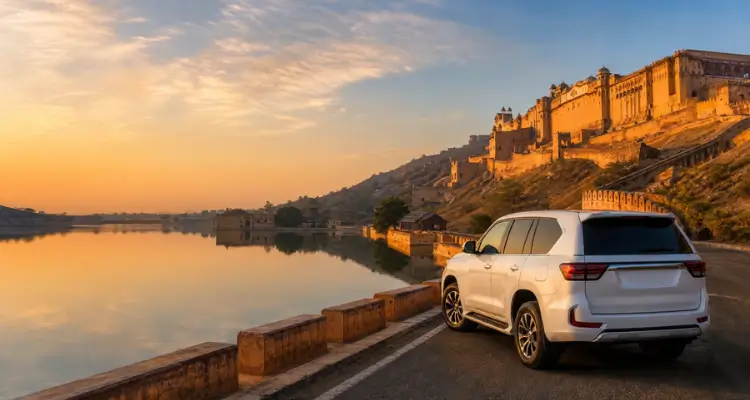
Make your visit to Jaipur's iconic Amber Fort truly unforgettable. Travel with experienced local experts, skip the hassle of planning, and enjoy a seamless journey with private transportation.
In recent years, discussions surrounding elephant tourism in India have become increasingly important. Many travelers now research animal welfare before deciding whether to participate in elephant rides, and Amber Fort is frequently part of these conversations.
Supporters of the rides often point out that the elephants have worked at Amber Fort for generations under government regulation and veterinary supervision. Daily operating hours are limited, routine health inspections are conducted, and elephants generally stop working before the hottest part of the day.
On the other hand, several international animal welfare organisations encourage travelers to avoid elephant rides altogether. Their concerns focus on long-term welfare, working conditions, training methods, and the overall use of elephants for tourism.
Because of these differing viewpoints, many international visitors now choose jeep transportation instead. Others still decide to experience the elephant ride after learning about local management practices and making their own informed decision.
There is no universally accepted answer, and every traveler should consider their own values before choosing. Understanding both perspectives allows visitors to make a decision they feel comfortable with rather than following assumptions or outdated travel advice.
Regardless of your choice, respectful behaviour toward both the animals and their handlers is important. Avoid disturbing working elephants, follow staff instructions, and never encourage unsafe behaviour simply for photographs.
For travelers who prefer convenience, the Amber Fort jeep ride has become the most popular way to reach the main entrance. Jeeps operate throughout the day, making them suitable for visitors who arrive after the elephant rides have ended or those who simply want to spend more time exploring the fort instead of waiting in long queues.
Unlike the elephant ride, the jeep journey is quick and practical. Vehicles travel up the paved road leading to the entrance gate, usually taking only 5 to 10 minutes depending on traffic and visitor numbers. Because several jeeps operate continuously, waiting times are normally much shorter than for elephant rides.
The jeep service is especially useful during Jaipur's warmer months when walking uphill can become tiring. Families with young children, senior citizens, and visitors with limited mobility often find this option much more comfortable.
The Amber Fort jeep ride cost generally ranges from 500 to 700 per jeep for a one-way trip, depending on the number of passengers and any changes introduced by local authorities. Since several people can share one vehicle, the cost per person is often lower than the elephant ride.
Another advantage is flexibility. Jeeps continue operating well beyond the elephant riding hours, allowing travelers to visit the fort later in the morning or even during the afternoon without worrying about missing transportation.
Photography opportunities are naturally different. While the elephant ride offers traditional royal-style photographs, jeep passengers still enjoy excellent views of Amber Fort, Maota Lake, surrounding hills, and the defensive walls during the climb. Once inside the fort, the sightseeing experience is exactly the same regardless of how you arrived.
Travelers following tight schedules also appreciate the time savings. Instead of waiting in long queues for an elephant, they can reach the entrance quickly and spend extra time exploring attractions such as Sheesh Mahal, Ganesh Pol, Diwan-e-Aam, Diwan-e-Khas, and the palace courtyards.
For visitors primarily interested in architecture, history, and photography inside the fort rather than the journey itself, the jeep is often the more practical choice.
Choosing between an elephant ride and a jeep ride depends on your personal priorities rather than one option being universally better.
If your goal is experiencing a traditional royal-style arrival, the elephant ride certainly offers something unique. The slow climb, decorated elephants, and historic pathway create an atmosphere that feels connected to Rajasthan's royal past. Couples celebrating anniversaries or visitors interested in iconic travel photographs often enjoy this experience despite the longer waiting times.
However, if convenience is your priority, the jeep clearly has several advantages. It is faster, less expensive when shared, available throughout the day, and allows you to spend more time inside Amber Fort itself. Families with children, elderly travelers, and visitors with limited time usually prefer this option.
Ethical considerations also influence many decisions. Travelers who prefer to avoid riding working animals generally choose the jeep without hesitation. Others may decide differently after learning about the management practices at Amber Fort. Ultimately, this is a personal decision based on individual values.
Comfort is another important factor. Elephant rides involve climbing onto a raised seat and sitting on a moving animal, which may not be suitable for everyone. Jeeps provide stable seating, easier access, and a smoother journey for most visitors.
Budget-conscious travelers will also find the jeep more economical, especially for larger groups sharing one vehicle.
If you arrive after the morning elephant rides have finished, the decision becomes very simple because only jeep transport will normally be available.
Many experienced visitors recommend taking the jeep uphill, enjoying the fort without rushing, and spending the time saved exploring additional attractions such as Panna Meena ka Kund, Jaigarh Fort, or Nahargarh Fort later in the day.
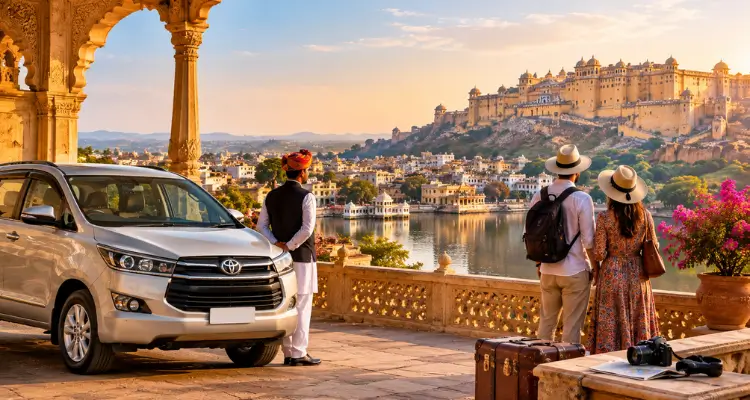
From majestic forts to hidden cultural gems, our tailor-made Jaipur tours are designed to match your interests.
Regardless of which transportation option you choose, arriving early remains the best strategy. Morning visits offer cooler temperatures, softer light for photography, and smaller crowds inside the fort.
Wear comfortable walking shoes because Amber Fort is large, with numerous staircases, courtyards, and elevated viewpoints that require considerable walking.
Carry drinking water, sunscreen, sunglasses, and a hat during warmer months. Even visitors using jeep transport will spend several hours walking inside the fort complex.
If you intend to ride an elephant, arrive as early as possible because rides are limited and queues become longer as the morning progresses.
Visitors planning to hire guides should choose licensed guides available near the entrance or arrange one through a reputable travel agency. A knowledgeable guide helps explain the history, architecture, royal lifestyle, and fascinating stories hidden throughout the palace.
Allow at least 2 to 3 hours to fully explore Amber Fort. Many travelers underestimate its size and later realise they rushed through one of Rajasthan's most impressive historical sites.
Yes. Elephant rides continue to operate, although they are generally limited to the morning and subject to daily operating regulations.
The price is usually around ₹1,200 to ₹1,500 per elephant, with two passengers typically sharing the ride.
A jeep generally costs around ₹500 to ₹700 for a one-way trip, depending on passenger numbers and local regulations.
The jeep is much faster. The journey usually takes 5 to 10 minutes, while elephant rides involve waiting in queues and a slower ascent.
No. They usually operate only during the cooler morning hours and stop before midday.
Most families prefer the jeep because it is quicker, more comfortable, and easier for children and elderly travelers.
Yes. Walking is possible, but the uphill route can be tiring, especially during warmer weather.
Yes. Both elephant rides and jeeps take visitors to the main entrance area of Amber Fort.
The elephant ride offers more traditional and iconic photographs, while the jeep allows you to reach the fort faster and spend more time photographing the palace itself.
For most visitors, especially those with limited time, families, or travelers concerned about animal welfare, the jeep ride is generally the more practical and convenient choice.