Your Travel Partner
SINCE 1989
Your Travel Partner
SINCE 1989
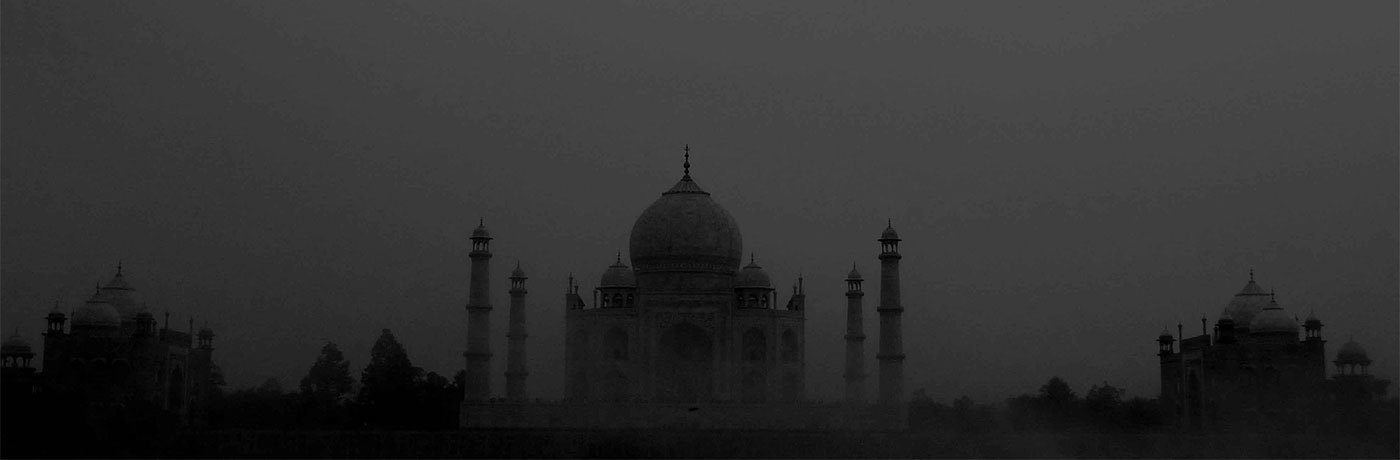
Jaipur is one of India's most visited cities and an essential stop on the Golden Triangle Tour. Known as the Pink City, Rajasthan's capital combines magnificent forts, royal palaces, colorful bazaars, impressive architecture, and authentic local cuisine into a destination that can easily keep travelers busy for several days. However, many visitors only have two days in Jaipur, especially those following a Delhi–Agra–Jaipur itinerary.
Fortunately, two well-planned days are enough to experience the city's major attractions without feeling rushed. The key is organizing your sightseeing efficiently. Jaipur is larger than many first-time visitors expect, and traffic during busy hours can significantly increase travel time if attractions are visited in the wrong order.
A common mistake is trying to visit every monument in a single day. Jaipur deserves a slower pace. Spending extra time inside Amber Fort, walking through City Palace, enjoying local markets, and tasting traditional Rajasthani food often creates better memories than rushing through a long checklist of attractions.
This itinerary has been designed specifically for first-time visitors who want to see Jaipur's highlights while maintaining a comfortable pace. It combines historical landmarks, cultural experiences, shopping opportunities, local cuisine, and practical travel advice that works well for couples, families, solo travelers, and small groups.
By following this schedule, you will experience the royal heritage that made Jaipur one of India's most famous destinations while still leaving enough flexibility to personalise your visit according to your interests.
Start your first day as early as possible, ideally around 8:00 AM, to avoid both traffic and large tour groups. Most hotels serve breakfast early, allowing you to leave before the city becomes busy.
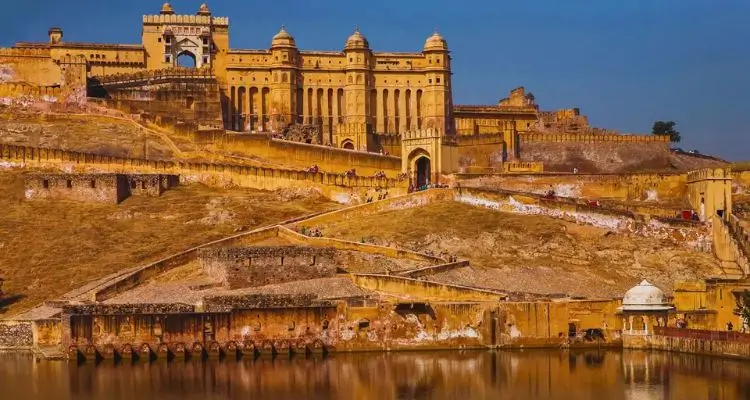
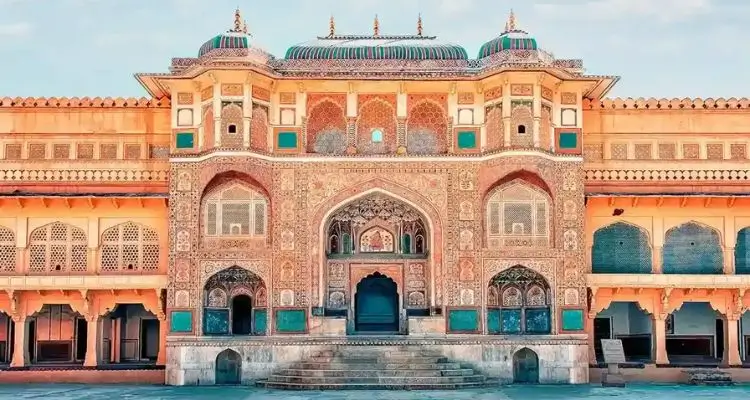
Your first destination should be Amber Fort, located approximately 11 kilometres from central Jaipur. Arriving in the morning not only provides cooler temperatures but also better lighting for photography. The fort is enormous, so allow at least two to three hours to explore it properly.
Inside Amber Fort, spend time visiting Ganesh Pol, the magnificent Sheesh Mahal (Mirror Palace), Diwan-e-Aam, Diwan-e-Khas, royal courtyards, and the impressive defensive walls overlooking Maota Lake. Hiring a licensed guide can greatly enhance the visit by explaining the history of the Rajput rulers and the architectural details often missed by independent visitors.
After leaving Amber Fort, continue to Panna Meena ka Kund, a beautifully restored stepwell located only a few minutes away. Although relatively small, it is one of Jaipur's most photogenic hidden attractions and usually requires only 20 to 30 minutes to visit.
The next stop should be Jaigarh Fort, famous for housing Jaivana Cannon, one of the largest wheeled cannons ever built. The fort also offers spectacular panoramic views over Amber Fort and the surrounding Aravalli Hills. Visitors interested in military architecture and photography often find Jaigarh just as fascinating as Amber Fort itself.
Depending on your available time and energy, continue to Nahargarh Fort during the late afternoon. The hilltop location provides some of the best views across Jaipur, especially as the sunlight softens toward evening. Many visitors choose to relax here with refreshments while watching the city gradually light up before returning to their hotel.
Dinner is an excellent opportunity to experience authentic Rajasthani cuisine. Traditional dishes such as Dal Baati Churma, Laal Maas, Gatte Ki Sabzi, and Ker Sangri are served in many well-known restaurants throughout the city. After a full day of sightseeing, returning to your hotel early ensures you are well rested for another busy day.
Only have two days in Jaipur? Let our local travel experts craft a perfectly timed itinerary covering Amber Fort, City Palace, Hawa Mahal, Jantar Mantar, vibrant bazaars.
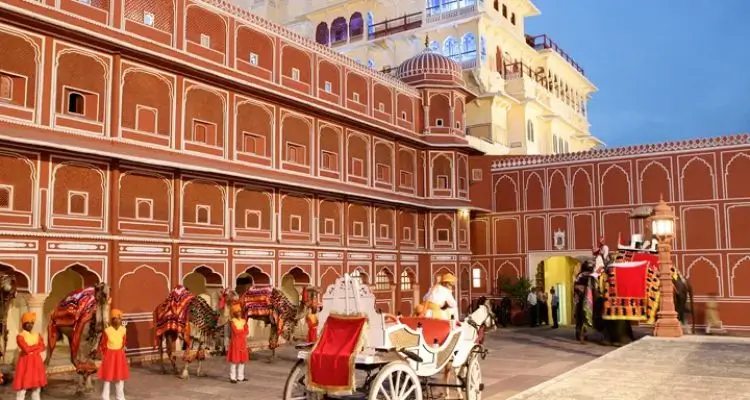
After breakfast, begin your second day in Jaipur by visiting the City Palace, one of the finest royal residences in Rajasthan. Since parts of the palace are still home to the Jaipur royal family, the complex beautifully combines living heritage with museum collections. Plan to spend at least 1.5 to 2 hours exploring its courtyards, galleries, royal costumes, weapons, paintings, and beautifully decorated gates.
One of the most photographed areas inside the palace is the Pritam Niwas Chowk, where four elaborately painted seasonal gates attract photographers from around the world. The palace museums also provide an excellent introduction to Jaipur's royal history and artistic traditions.
Just a short walk from City Palace stands the famous Jantar Mantar, a UNESCO World Heritage Site built by Maharaja Sawai Jai Singh II. This remarkable astronomical observatory contains massive stone instruments that were used to measure time, track celestial movements, and calculate astronomical events centuries before modern technology. Even visitors without a scientific background usually find the scale and precision of these instruments impressive.
From there, continue to the iconic Hawa Mahal, Jaipur's most recognisable landmark. Although many travelers simply photograph its pink sandstone façade from outside, purchasing an entry ticket allows access to the upper floors, where visitors enjoy beautiful views over the bustling streets of the old city. The lattice windows once enabled royal women to observe festivals and daily life without being seen from outside.
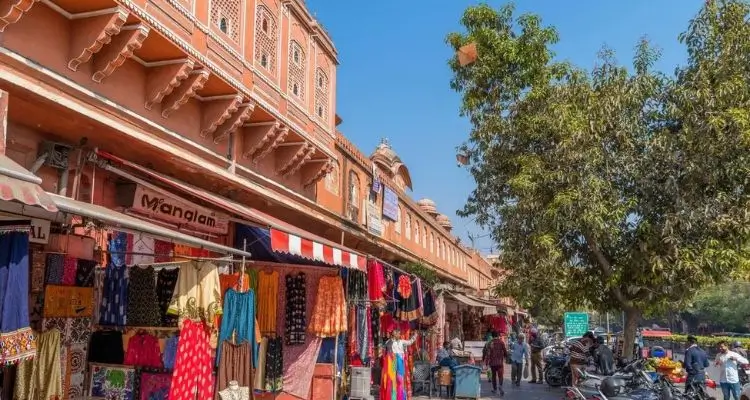
No visit to Jaipur feels complete without exploring its traditional bazaars. The Pink City's markets have attracted traders for centuries and remain among the best places in India to buy handicrafts, textiles, jewellery, and souvenirs.
Johari Bazaar is particularly famous for gemstones, silver jewellery, and traditional Kundan and Meenakari work. Even if you are not planning to buy expensive jewellery, the colourful shop displays are worth seeing.
Nearby Bapu Bazaar is popular for affordable souvenirs, colourful textiles, leather footwear known as Mojaris, scarves, handbags, and handmade gifts. Visitors searching for practical souvenirs often find better prices here than in hotel gift shops.
If you are interested in block-printed fabrics, quilts, home décor items, or handcrafted textiles, Tripolia Bazaar and surrounding lanes offer numerous options. Bargaining is common in many shops, although fixed-price government emporiums are also available for travelers who prefer straightforward pricing.
Allow at least two to three hours for shopping if you enjoy browsing local markets. Even visitors who are not interested in shopping usually enjoy walking through Jaipur's lively streets, where colourful storefronts, traditional sweets, spice shops, and local artisans create an authentic atmosphere.
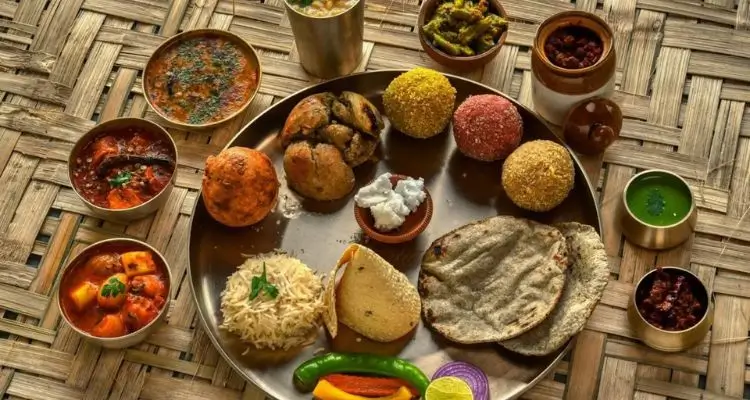
Jaipur offers excellent opportunities to experience Rajasthan's traditional cuisine alongside modern cafés and international restaurants.
For lunch, many travelers choose restaurants serving authentic Rajasthani thalis, allowing them to sample multiple regional dishes in one meal. Popular options include Dal Baati Churma, Gatte Ki Sabzi, Ker Sangri, Bajra Roti, and seasonal vegetable preparations.
Street food lovers should consider trying local favourites such as Pyaaz Kachori, Mirchi Vada, Samosa, and freshly prepared Lassi from well-known local vendors. During the evening, sweet shops across the city serve traditional desserts including Ghewar, Mawa Kachori, and Rabri.
If you prefer fine dining, Jaipur also has numerous heritage restaurants located inside restored havelis and palace hotels, offering memorable dining experiences in historic surroundings.
Discover the very best of Jaipur with a thoughtfully designed private tour. From royal palaces and ancient forts to colorful markets and local cuisine.
A well-organised itinerary allows you to visit Jaipur comfortably without feeling rushed. Starting early each morning helps avoid traffic and gives you more time at major attractions before larger tour groups arrive.
Hiring a private car with a driver is often the most convenient option, especially if you plan to visit Amber Fort, Jaigarh Fort, and Nahargarh Fort on the same day. Auto-rickshaws and app-based taxis are widely available within the city, but a dedicated driver saves time when visiting multiple locations.
Purchase monument tickets only through authorised counters or official online platforms. Carry a reusable water bottle, wear comfortable walking shoes, and use sunscreen, particularly if travelling between October and March when sightseeing usually involves several hours outdoors.
Photography is permitted at most attractions, although some museum sections inside City Palace may have separate camera charges. Always check local guidelines before using drones or professional photography equipment.
If your schedule allows, consider spending the evening watching the Light and Sound Show at Amber Fort or enjoying a cultural performance featuring traditional Rajasthani music and folk dances.
Find the answers to all of our most frequently asked questions
Yes. Two full days are sufficient to cover Jaipur's major attractions, including Amber Fort, City Palace, Hawa Mahal, Jantar Mantar, and the city's famous markets.
A private car with a driver offers the most convenient way to visit multiple attractions, although taxis and auto-rickshaws are also easily available.
Starting around 8:00 AM helps you avoid crowds and provides cooler temperatures, especially when visiting Amber Fort.
Yes, but many travelers prefer visiting Amber Fort, Jaigarh Fort, and Nahargarh Fort together on one day, leaving City Palace and the old city for the second day.
Johari Bazaar is famous for jewellery, while Bapu Bazaar is ideal for textiles, handicrafts, Mojaris, and souvenirs.
Expect moderate walking throughout both days, especially inside Amber Fort, City Palace, and the local markets.
Popular dishes include Dal Baati Churma, Laal Maas, Gatte Ki Sabzi, Pyaaz Kachori, Ghewar, and traditional Rajasthani thalis.
Yes. Jaipur is considered one of India's safer tourist cities. As with any destination, keep your belongings secure and use authorised transport services.
A licensed guide is highly recommended for Amber Fort and City Palace, as they provide historical context that greatly enhances the visit.
The most comfortable months for sightseeing are October to March, when daytime temperatures are pleasant for exploring forts, palaces, and markets.