Your Travel Partner
SINCE 1989
Your Travel Partner
SINCE 1989
Rajasthan is one of India's most popular destinations for international travelers, attracting visitors with its magnificent forts, royal palaces, colourful festivals, desert landscapes, wildlife reserves, and centuries-old traditions. Whether you want to stay in a heritage palace hotel, ride through the sand dunes of Jaisalmer, spot tigers in Ranthambore, or walk through the vibrant streets of Jaipur, the timing of your trip can have a major impact on your overall experience.
Unlike many destinations that have similar weather throughout the year, Rajasthan experiences distinct seasons. Temperatures can vary dramatically depending on the month, with cool winter mornings, pleasant spring afternoons, extremely hot summer days, and a short monsoon season that transforms parts of the landscape. Understanding these seasonal changes helps travelers choose the right time based on their interests, budget, and comfort level.
Many first-time visitors automatically assume that winter is the only suitable season for visiting Rajasthan. While October to March is undoubtedly the most comfortable period for sightseeing, every season has its own advantages. Winter offers ideal weather and vibrant festivals, summer brings lower hotel prices and fewer crowds, while the monsoon creates greener scenery and attractive travel deals.
Your ideal travel period also depends on the destinations included in your itinerary. Cities such as Jaipur, Jodhpur, Udaipur, and Jaisalmer experience slightly different weather patterns, while wildlife parks like Ranthambore National Park have their own seasonal highlights for animal sightings.
Foreign tourists planning longer India holidays often combine Rajasthan with Delhi, Agra, Varanasi, Kerala, or Goa, making it even more important to select travel dates that suit the entire itinerary.
This month-by-month guide explains Rajasthan's weather, crowd levels, festivals, hotel prices, and sightseeing conditions, helping you decide exactly when to visit according to your travel style.
January is one of the best months to visit Rajasthan. Daytime temperatures generally range between 20°C and 25°C, creating comfortable conditions for exploring forts, palaces, markets, and heritage sites. Early mornings and evenings can be surprisingly chilly, particularly in desert cities such as Jaisalmer and Bikaner, where temperatures occasionally fall below 8°C.
This pleasant climate makes January ideal for sightseeing. Visitors can comfortably spend several hours exploring Amber Fort, Mehrangarh Fort, City Palace Udaipur, Chittorgarh Fort, and other major attractions without worrying about excessive heat.
January is also excellent for wildlife enthusiasts. Tiger sightings in Ranthambore National Park are generally good because animals remain active during the cooler hours of the day.
Because it falls within the international holiday season, January is also one of Rajasthan's busiest months. Popular hotels, palace properties, safari bookings, and experienced guides often sell out well in advance. Travelers planning luxury holidays should reserve accommodation several months before arrival.
Although prices are higher than during other seasons, many visitors consider January the perfect balance of pleasant weather, cultural activities, and sightseeing opportunities.
Every season reveals a different side of Rajasthan. Whether you dream of winter palace tours, colorful festivals, wildlife safaris, or desert sunsets.
February continues the excellent weather conditions established in January while bringing slightly warmer afternoons. Temperatures generally range between 22°C and 28°C, making it one of the most comfortable months for travelling across Rajasthan.
This month is particularly attractive for couples, photographers, and cultural travelers because gardens begin to bloom, daylight hours become slightly longer, and outdoor sightseeing remains enjoyable throughout most of the day.
Several cultural festivals are also held during February, depending on the calendar year, adding music, dance performances, handicraft exhibitions, and traditional celebrations to many cities.
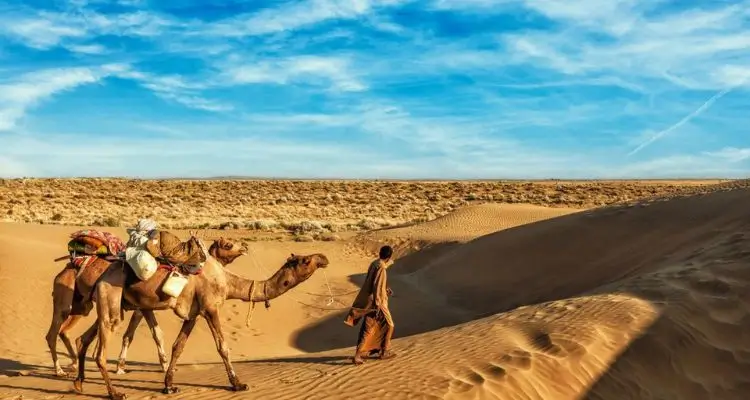
Wildlife safaris remain rewarding, while desert destinations such as Jaisalmer and Osian offer comfortable camel safari experiences before temperatures begin increasing in spring.
Hotel demand remains high, although prices may be slightly lower than during the Christmas and New Year holiday period.
March marks the transition from winter to early summer in Rajasthan. Daytime temperatures usually range between 28°C and 34°C, while mornings and evenings remain pleasant for sightseeing.
This is a good month for travelers who prefer fewer crowds without sacrificing comfortable weather. Popular attractions such as Amber Fort, Mehrangarh Fort, City Palace Udaipur, and Jaisalmer Fort are generally less crowded than during January and February.
March often coincides with the colourful Holi Festival, one of India's most famous celebrations. Visitors interested in cultural experiences can witness vibrant festivities across Rajasthan, although it is advisable to check local schedules and make hotel reservations well in advance if travelling during festival dates.
Wildlife safaris continue to be rewarding as animals become more active around water sources with the rising temperatures.
April signals the arrival of Rajasthan's summer season. Temperatures continue rising throughout April before reaching their highest levels during May and June, when daytime temperatures frequently exceed 40°C in cities such as Jaipur, Jodhpur, Bikaner, and Jaisalmer.
Because of the intense heat, sightseeing during the afternoon becomes challenging. Most visitors choose to explore monuments early in the morning or later in the evening when temperatures are lower.
Despite the weather, summer has several advantages. Hotels, especially luxury heritage properties, often offer attractive discounts. Flights are generally more affordable, and popular attractions are significantly quieter than during the winter season.
Travelers who do not mind the heat can enjoy excellent value for money, particularly when staying in luxury hotels that may cost considerably less than during peak season.
Wildlife enthusiasts sometimes prefer May because animals gather around limited water sources, increasing the chances of tiger sightings in Ranthambore National Park. However, safaris during this period can be extremely hot, making early morning drives the most comfortable option.
If travelling between April and June, carry plenty of drinking water, wear lightweight cotton clothing, use sunscreen, and avoid outdoor sightseeing during the hottest part of the afternoon.
From the cool winter months to the vibrant monsoon landscapes, every journey offers something extraordinary. Let us design a tailor-made Rajasthan tour that matches the best weather.
July to September – Monsoon Brings Greener Landscapes
Rajasthan receives less rainfall than many other parts of India, but the monsoon still changes the appearance of the landscape. From July through September, occasional rain showers cool temperatures and bring greenery to hills, lakes, and countryside areas.
Cities such as Udaipur, Mount Abu, and parts of southern Rajasthan become especially attractive during this period. Lakes fill with rainwater, gardens become greener, and surrounding hills appear much more vibrant than during the dry summer months.
The monsoon also offers excellent opportunities for budget-conscious travelers. Hotels often introduce seasonal promotions, making luxury accommodation much more affordable.
Although occasional rainfall may temporarily interrupt sightseeing, heavy rain usually does not last throughout the day in most parts of Rajasthan. Visitors can often continue their itinerary with only minor adjustments.
Photography enthusiasts appreciate the dramatic clouds, reflections in lakes, and fresh landscapes that make monuments appear very different from the dry winter scenery.
October marks the return of comfortable weather and is considered the beginning of Rajasthan's main tourist season. Temperatures usually range between 25°C and 32°C, making outdoor sightseeing enjoyable once again.
After the monsoon, the air becomes clearer, vegetation remains fresh, and major attractions welcome increasing numbers of domestic and international visitors.
October is ideal for exploring forts, palaces, stepwells, markets, and heritage hotels without the extreme heat experienced during summer.
Desert destinations also become much more comfortable. Camel safaris, jeep safaris, and overnight desert camps near Jaisalmer begin operating regularly as temperatures become pleasant during both daytime and evenings.
Because visitor numbers increase quickly, booking accommodation several weeks in advance is recommended.
November is widely regarded as one of the finest months to visit Rajasthan. Comfortable daytime temperatures, cool evenings, clear skies, and low humidity create ideal sightseeing conditions throughout the state.
Major attractions remain busy, but the weather allows visitors to comfortably spend entire days exploring historical sites, shopping in traditional bazaars, or enjoying outdoor cafés.
November is particularly popular for luxury train journeys, palace hotel stays, destination weddings, photography tours, and private Rajasthan road trips.
Wildlife parks remain active, while desert destinations offer pleasant overnight camping experiences under clear skies.
Because demand is high, hotel prices gradually increase as the peak tourist season approaches.
December brings cool winter weather that many international travelers consider perfect for exploring Rajasthan. Daytime temperatures usually remain between 20°C and 26°C, while evenings can become quite cold, especially in desert regions.
The festive atmosphere around Christmas and New Year makes December one of the busiest travel months. Heritage hotels, luxury resorts, and palace properties often organise cultural performances, gala dinners, folk music, and traditional dance shows.
Visitors should expect larger crowds at major attractions, particularly during the final two weeks of the month. Hotel prices also reach their highest levels during the holiday season.
Advance reservations become essential for accommodation, safari permits, luxury trains, and private guides.
Despite the crowds, December remains one of the most enjoyable times to experience Rajasthan's royal heritage, colourful culture, and comfortable winter climate.
The ideal month depends on your travel priorities.
For sightseeing and comfortable weather, October to March offers the best overall experience. Travelers interested in exploring forts, palaces, markets, and heritage hotels will enjoy pleasant temperatures throughout these months.
Couples planning honeymoon trips or luxury holidays often choose November, December, or February, when the weather is ideal and cultural activities are plentiful.
Wildlife enthusiasts generally prefer March to May, when tiger sightings in Ranthambore often become more frequent around water sources.
Budget travelers looking for lower hotel prices should consider April to September, when accommodation discounts are more widely available.
Photography enthusiasts enjoy October, when landscapes remain green after the monsoon, as well as January, when clear skies create excellent visibility.
Find the answers to all of our most frequently asked questions
For most international travelers, November and February offer the ideal combination of pleasant weather, comfortable sightseeing conditions, and cultural experiences.
The coolest months are December and January, with pleasant daytime temperatures and cool evenings.
Yes. Between April and June, temperatures frequently exceed 40°C, particularly in Jaipur, Jodhpur, Jaisalmer, and Bikaner.
Yes. Although occasional rain occurs between July and September, many destinations remain enjoyable and hotel prices are generally lower.
October to February provides the most comfortable weather for desert camps and camel safaris in Jaisalmer.
Hotel prices are generally highest between November and February, especially around Christmas and New Year.
Tiger safaris are popular throughout the park's operating season, but March to May often offers better wildlife sightings due to increased activity around water sources.
Yes. October marks the start of the main tourist season with pleasant weather, greener landscapes, and excellent sightseeing conditions.
A well-planned trip of 7 to 10 days allows visitors to explore Jaipur, Jodhpur, Udaipur, Jaisalmer, and other popular destinations comfortably.
Yes. If travelling between October and March, especially during December and January, booking hotels several months in advance is strongly recommended.