Your Travel Partner
SINCE 1989
Your Travel Partner
SINCE 1989
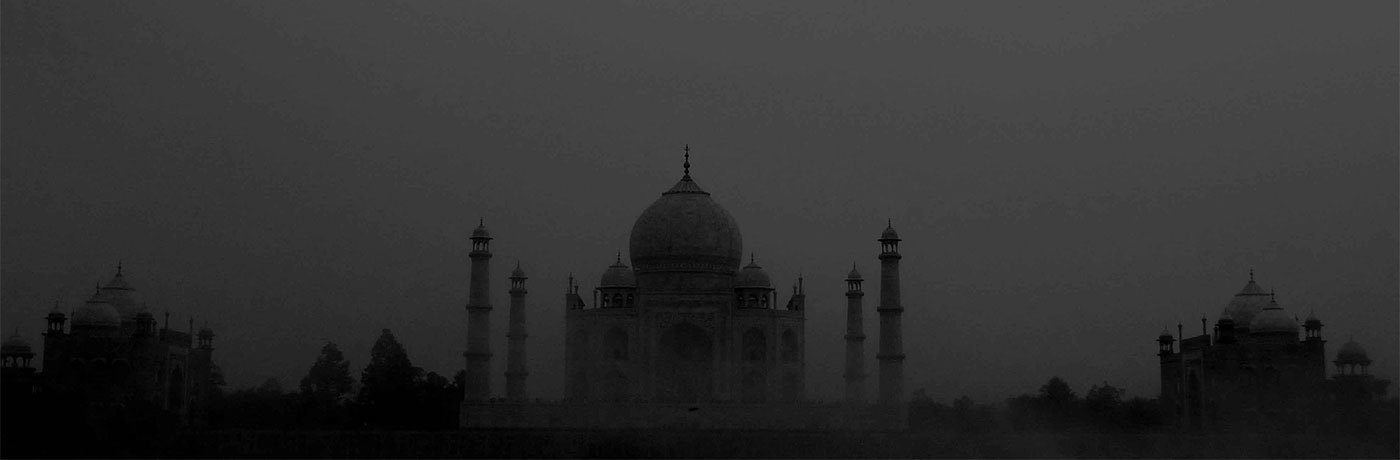
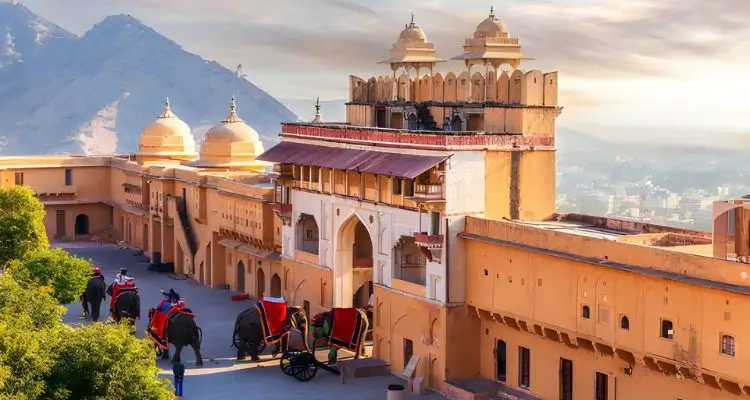
For many international visitors, the journey from Delhi to Jaipur is the first road trip they experience in India. After landing in Delhi, thousands of travelers begin their Golden Triangle Tour by heading towards Jaipur, the capital of Rajasthan. The route is straightforward, well connected, and offers plenty of opportunities to stop at historical sites, local restaurants, and cultural attractions before reaching the Pink City.
One of the first questions tourists ask is, "How far is Jaipur from Delhi?" While the answer seems simple, your actual travel time depends on the route you choose, traffic leaving Delhi, the number of sightseeing stops you make, and whether you travel by private car, train, bus, or flight.
Most visitors prefer travelling by private car from Delhi to Jaipur because it provides flexibility. Instead of driving directly, they can visit places like Neemrana Fort, local craft markets, traditional restaurants, and roadside cafés that are missed when travelling by train or plane.
The modern highway connecting Delhi and Jaipur has significantly improved the travel experience. Wide roads, better service stations, international food chains, fuel stations, and clean restrooms make the drive much more comfortable than many first-time visitors expect. Unlike older perceptions of Indian highways, this route is one of the busiest tourist corridors in the country and is regularly used by domestic families, business travelers, luxury coaches, and international tourists.
This guide explains the Delhi to Jaipur distance, expected travel times, transport options, highway conditions, recommended stopovers, and the best attractions worth visiting before reaching Jaipur. It is designed to help first-time visitors make practical decisions rather than simply choosing the fastest option.
A journey from Delhi to Jaipur is much more than covering the distance—it's your first opportunity to experience the charm of Rajasthan.
The Delhi to Jaipur distance is approximately 280–300 kilometres (174–186 miles) depending on your starting point in Delhi and your final destination in Jaipur. Hotels near Delhi Airport (Aerocity) may add a few extra kilometres, while travelers staying in Central Delhi or South Delhi will experience slightly different journey times.
For most tourists travelling by private taxi or chauffeur-driven vehicle, the journey normally takes 5 to 6 hours without long sightseeing stops. During weekends, national holidays, or busy festival periods, traffic leaving Delhi can increase the travel time by another 30 to 60 minutes.
Most drivers use the Delhi–Mumbai Expressway connection or National Highway 48 (NH-48), one of India's best-maintained highways. The road is divided, well signposted, and includes multiple toll plazas, fuel stations, emergency services, cafés, and restaurants along the route.
If your hotel pickup is around 8:00 AM, you can usually expect to arrive in Jaipur between 1:30 PM and 3:00 PM, depending on breakfast stops and traffic conditions. Many experienced drivers recommend leaving Delhi before peak office traffic begins, making the journey smoother and allowing more daylight hours for sightseeing after reaching Jaipur.
Travelers often underestimate how comfortable this route has become. Modern highways feature branded fuel stations with clean washrooms, convenience stores, coffee shops, and international fast-food outlets. Restaurants operated by recognised chains such as Starbucks, McDonald's, Costa Coffee, Subway, and Haldiram are available at different points along the highway, making meal breaks convenient for international visitors.
Those travelling with children or elderly family members should plan a short break every two hours. Besides improving comfort, these stops provide opportunities to stretch, use clean restroom facilities, and enjoy refreshments before continuing the drive.
Although Google Maps may occasionally display a travel time of under five hours, it is advisable to allow at least six hours when planning hotel check-ins, sightseeing schedules, or evening activities in Jaipur. Unexpected traffic around Gurgaon, Manesar, or Jaipur city limits can occasionally extend the journey.
Another common question concerns self-driving. While rental cars are available, most international tourists prefer hiring a professional driver. Indian traffic patterns, highway driving habits, and local road regulations differ considerably from many Western countries. Hiring a chauffeur not only reduces stress but also allows passengers to enjoy the scenery, take photographs, and stop at attractions without worrying about navigation.
The road itself remains suitable throughout the year. During the monsoon, occasional heavy rain may slow traffic slightly, while winter mornings sometimes experience fog near Delhi. Even during these periods, the highway generally remains operational, although allowing additional travel time is recommended.
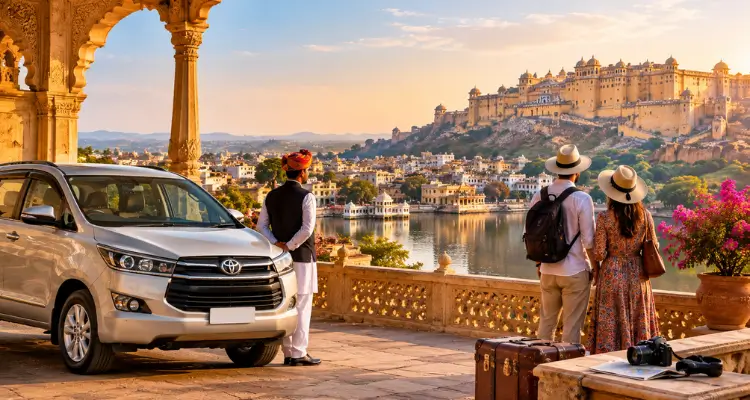
Why travel directly when you can discover hidden gems along the way? Journey comfortably from Delhi to Jaipur with a private chauffeur, explore historic forts, ancient stepwells.
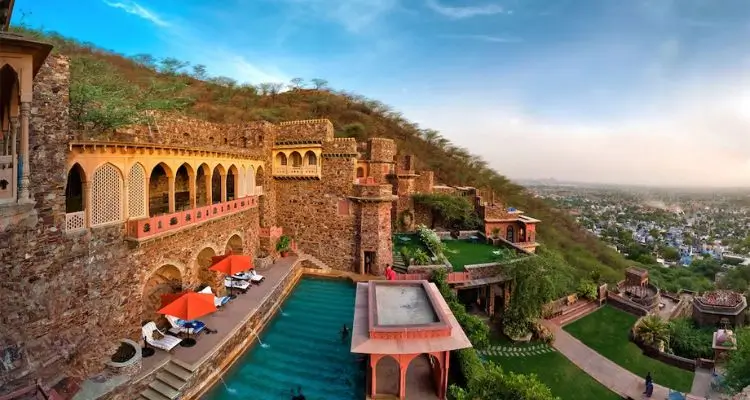
One of the biggest advantages of travelling by private car from Delhi to Jaipur is the opportunity to break the journey with memorable sightseeing stops. Instead of treating the drive as five or six hours on a highway, you can turn it into a full-day experience that combines history, architecture, local cuisine, and cultural attractions.
The first popular stop is Neemrana Fort Palace, located about two hours from Delhi. This beautifully restored heritage fort is one of the most famous palace hotels in northern India. Even if you are not staying overnight, visitors can enter the property by purchasing a day-entry ticket, walk through the courtyards, admire centuries-old architecture, enjoy panoramic views, or have lunch at one of the restaurants inside the palace. Many foreign tourists include Neemrana because it offers an early introduction to Rajasthan's royal architecture before reaching Jaipur.
Another practical stop is Shahpura, a peaceful town known for its traditional surroundings and highway restaurants. While it is not a major tourist destination, it is an excellent place for a comfortable meal break. Several well-maintained restaurants serve both Indian and international dishes, along with clean washrooms and secure parking. Travelers driving with children or elderly family members often prefer stopping here instead of waiting until Jaipur.
If you enjoy shopping, some highway complexes feature local handicraft stores selling marble items, textiles, leather products, handmade souvenirs, and decorative artwork. Prices are generally fixed at larger stores, making shopping easier for international visitors who may not be comfortable bargaining in local markets.
For travelers interested in local food, the Delhi–Jaipur highway has numerous restaurants serving freshly prepared North Indian cuisine. Popular choices include dal makhani, paneer dishes, stuffed breads, grilled snacks, and traditional desserts. International chains are also available if you prefer familiar meals during the journey.
Photography enthusiasts should consider making short stops in the countryside. Depending on the season, the route passes agricultural fields, small villages, camel carts, roadside fruit sellers, and colourful local markets that provide a glimpse into rural northern India beyond the major cities.
It is important to remember that adding sightseeing stops will naturally increase your total travel time. A journey that normally takes about five and a half hours can easily become an eight-hour experience if you stop for sightseeing, lunch, shopping, and photography. Many visitors actually prefer this slower pace because it transforms a simple transfer into one of the highlights of their holiday.
If your itinerary is flexible, leaving Delhi early in the morning gives you enough time to visit Neemrana Fort, enjoy lunch, take photographs, and still arrive in Jaipur before sunset. This schedule also avoids late-evening highway driving, which many international travelers prefer to avoid during their first visit to India.
Although several transportation options connect the two cities, the best choice depends on your travel style, budget, luggage, and available time.
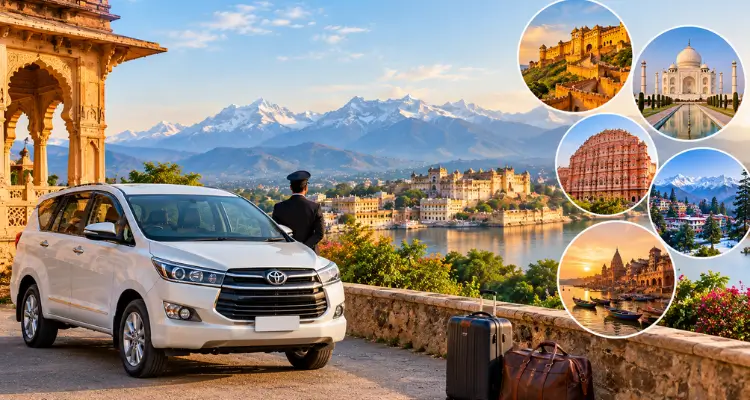
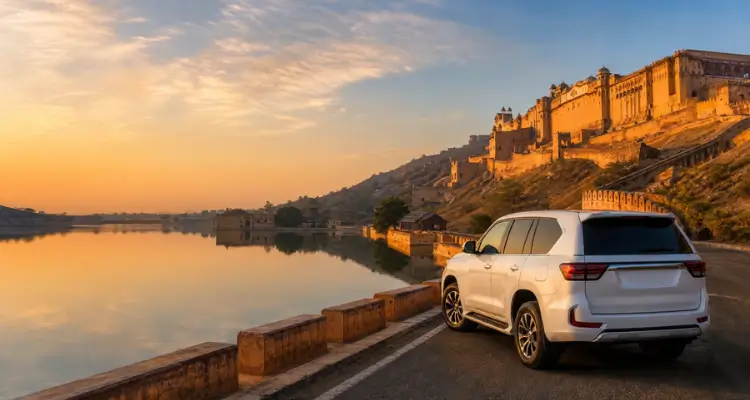
A private car with driver remains the most popular option among international tourists. It provides complete flexibility, hotel-to-hotel transfers, comfortable air-conditioned travel, and the freedom to stop wherever you like. Families, couples, photographers, and travelers following the Golden Triangle Tour usually find this option the most convenient.
The approximate cost of a private Delhi to Jaipur taxi generally ranges from 6,500 to 10,500 for a comfortable sedan, while larger SUVs suitable for families or groups typically cost between 9,500 and 14,500, depending on the vehicle type, inclusions, toll charges, and travel season. Luxury vehicles cost considerably more.
Traveling by train is another excellent option for visitors who enjoy rail journeys. Several fast trains operate daily between Delhi and Jaipur, with journey times ranging from approximately 4 to 5.5 hours. Air-conditioned chair cars and executive class seats provide comfortable travel, and advance booking is recommended, particularly during holidays and peak tourist seasons.
Flights between Delhi and Jaipur are available, but they are not always the most efficient choice. Although the flight itself lasts only about one hour, passengers must also consider airport transfers, security screening, baggage collection, and waiting times. When these are included, the total travel time often becomes similar to travelling by road. Flights are generally more suitable for business travelers or visitors with limited schedules rather than tourists wishing to experience the journey.
Long-distance buses also connect Delhi and Jaipur throughout the day and night. Luxury Volvo coaches offer reclining seats and air conditioning, making them a budget-friendly alternative. However, they do not provide the flexibility of private transport, and passengers cannot stop for sightseeing along the route.
Whichever option you choose, booking in advance is strongly recommended, particularly during major festivals, long weekends, Christmas holidays, and the winter tourist season. Early reservations usually provide better availability and more competitive pricing.
For travelers beginning a longer Rajasthan itinerary, arriving in Jaipur before evening allows enough time to check into your hotel, enjoy dinner, and prepare for sightseeing the following morning. Many visitors find that starting their Rajasthan experience with a relaxed road journey from Delhi creates a smoother and more enjoyable beginning to their trip.
The distance is approximately 280–300 km (174–186 miles) depending on your starting location in Delhi and your destination within Jaipur.
Most journeys take 5 to 6 hours without major sightseeing stops. Traffic conditions can increase travel time during peak periods.
Most travelers use National Highway 48 (NH-48), one of India's best-maintained highways.
Yes. The route is widely used by domestic and international travelers and includes fuel stations, restaurants, emergency services, and well-maintained roads.
For most international visitors, yes. A professional driver understands local traffic conditions, allowing passengers to relax and enjoy the journey.
Yes. It is one of the most popular stopovers, offering heritage architecture, restaurants, gardens, and panoramic views.
Some express trains are slightly faster, but private cars provide greater flexibility and allow sightseeing along the route.
Yes. The Delhi–Jaipur highway offers numerous restaurants, cafés, international food chains, and clean rest areas suitable for tourists.
An early morning departure is usually the best option because it avoids heavy city traffic and allows more time for sightseeing stops.
Yes. Most travelers leave Delhi in the morning, enjoy a few stops along the way, and arrive in Jaipur before evening, making it an easy and comfortable one-day transfer.