
Your Travel Partner
SINCE 1989
Your Travel Partner
SINCE 1989
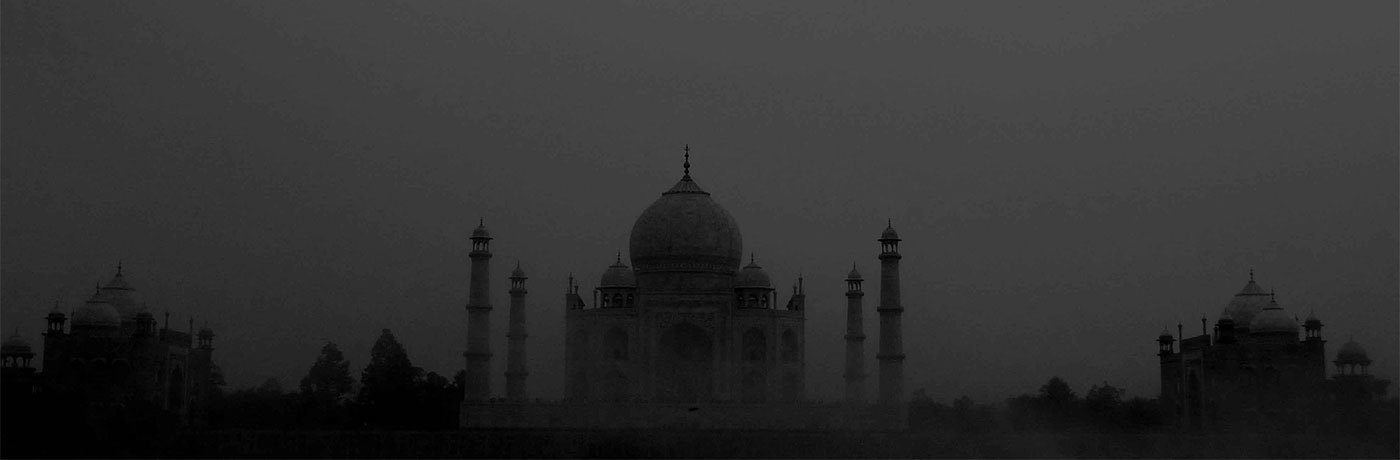
If you are visiting India for the first time, there is a good chance you have already seen news headlines about Delhi air pollution. Many travelers wonder whether they should cancel their trip, wear a mask every day, or avoid the city altogether. The reality is much more balanced than the headlines suggest.
Delhi welcomes millions of international visitors every year. Many complete their journey without facing any health problems, while others experience mild irritation simply because they arrive during a period when the Delhi AQI is higher than usual. The difference usually comes down to knowing what to expect, choosing the right season, and making a few smart decisions during your stay.
Unlike permanent residents, tourists usually spend only a few days in Delhi before continuing to destinations such as Jaipur, Agra, Varanasi, Rishikesh, or Rajasthan. That short stay means your exposure is limited, especially if you avoid spending long hours beside busy roads during poor air quality days.
Instead of worrying about pollution throughout your holiday, think of it as something similar to checking the weather forecast before leaving your hotel. If rain is expected, you carry an umbrella. If pollution levels are temporarily high, you adjust your sightseeing schedule, wear an N95 mask in crowded areas, and spend more time inside museums or historical buildings.
This guide answers the questions international travelers actually ask before flying to Delhi. It explains when the air is generally cleaner, how pollution affects sightseeing, which areas are more comfortable for visitors, what to pack, and how to enjoy Delhi without unnecessary stress.
The simple answer is no.
Many travelers read dramatic news reports only a few days before departure and immediately think Delhi has become impossible to visit. That is rarely the case.
News channels usually report Delhi during the few weeks when pollution reaches its seasonal peak because those conditions attract international attention. Those reports are accurate for that particular period, but they do not represent the entire year.
If your holiday includes Delhi for two or three days before moving on to Agra, Jaipur, Udaipur, Jodhpur, or Kerala, there is generally no reason to cancel your vacation. Most visitors continue sightseeing normally with only a few adjustments depending on the daily AQI.
For example, if the air quality forecast predicts a higher pollution level on Tuesday morning, you can simply begin your day slightly later instead of leaving your hotel at sunrise. Visit indoor attractions such as the National Museum, National Gallery of Modern Art, or shopping malls during the morning, then head to outdoor monuments once visibility improves.
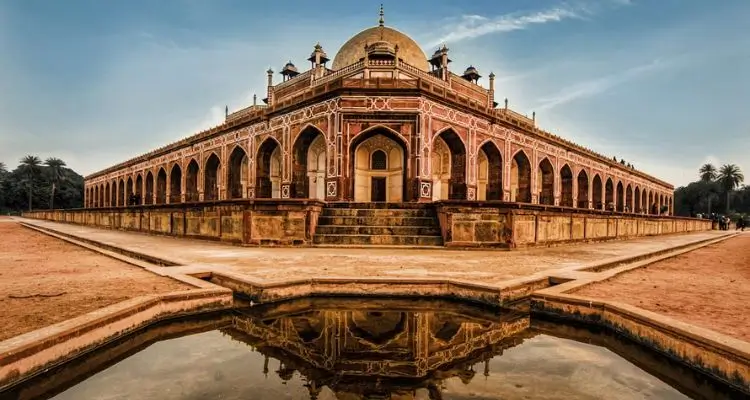
Another important point is that pollution is not evenly distributed throughout Delhi. Spending several hours walking beside congested roads in Old Delhi creates a different experience than visiting landscaped monuments like Humayun's Tomb, Lodhi Garden, or staying in Aerocity near the airport.
Foreign tourists often stay in areas such as:
These neighbourhoods generally provide wider roads, more green spaces, cleaner hotels, and better overall comfort compared with heavily crowded market districts.
If you have asthma, COPD, or another respiratory condition, speak with your doctor before travelling and carry your prescribed medication. For healthy adults, following basic precautions is usually enough for a comfortable visit.
The key is flexibility rather than fear. Check the daily Delhi AQI, adjust outdoor activities if necessary, stay hydrated, and avoid spending unnecessary time beside heavy traffic. Most tourists who follow these simple habits enjoy Delhi's history, architecture, food, and culture without major inconvenience.
Delhi's incredible history, vibrant culture, and iconic landmarks can still be enjoyed with the right travel plan. Travel in a comfortable air-conditioned private car.
If your travel dates are flexible, choosing the right season can make a noticeable difference to your experience. While Delhi air pollution is discussed throughout the year, the city does not have the same air quality every month. Some periods offer clear blue skies and excellent sightseeing conditions, while others require a little more preparation.
For most international tourists, the most comfortable months are generally from late July through September after regular monsoon rainfall, and again during February and early March when winter begins to fade. During these periods, the air often feels fresher, visibility improves, gardens become greener, and walking around historical monuments is much more enjoyable.
The most challenging period usually falls between late October and January. Cooler temperatures, reduced wind movement, festive fireworks, and seasonal crop residue burning in neighbouring states can all contribute to higher Delhi AQI readings. Some mornings may begin with heavy haze, and famous landmarks located several kilometres away can appear partially hidden.
This does not mean sightseeing becomes impossible. It simply means your daily schedule should change slightly.
For example, instead of starting your day at 7:00 AM, have breakfast at your hotel, check the latest Delhi AQI, and begin sightseeing around 10:00 AM if visibility improves. Many experienced tour guides in Delhi naturally adjust itineraries this way during winter.
Summer, particularly April through June, brings a different challenge. Air quality often improves compared to peak winter pollution because stronger winds help disperse airborne particles. However, temperatures frequently rise above 40°C (104°F), making heat exhaustion a greater concern than pollution itself. If you travel during summer, carry plenty of water, wear light cotton clothing, sunscreen, sunglasses, and avoid long afternoon walks between noon and 4:00 PM.
Monsoon months provide another advantage beyond cleaner air. Rain removes a significant amount of dust from the atmosphere, leaving monuments looking brighter in photographs. Gardens such as Lodhi Garden, Sunder Nursery, and the grounds surrounding Humayun's Tomb become particularly attractive after rainfall. Although occasional showers may interrupt outdoor sightseeing, many photographers actually prefer this season because the sky often appears more dramatic than during the dry months.
If your itinerary includes the Golden Triangle Tour (Delhi – Agra – Jaipur), remember that Delhi is usually only one part of your holiday. Spending two or three well-planned days in the capital before continuing to Agra and Jaipur allows you to experience the city's highlights without prolonged exposure to changing air conditions.
Another useful tip is to avoid judging Delhi's air quality based solely on social media videos. A clip recorded during one particularly bad morning can remain online for years, even though the city's conditions change almost daily. Checking a reliable AQI app the evening before your sightseeing day provides far more accurate information than relying on old viral content.
The best way to deal with Delhi pollution is not by worrying about it throughout your holiday, but by preparing for it before your flight. Most precautions are inexpensive, easy to follow, and can make your stay much more comfortable.
One of the most useful items to carry is a genuine N95 or KN95 mask. You probably won't need to wear it all day, every day, but it becomes useful when walking through busy traffic intersections, crowded markets such as Chandni Chowk, or during mornings when the Delhi AQI is temporarily elevated. Avoid buying very cheap masks from street vendors because their filtration quality is often inconsistent.
Travelers who wear contact lenses may notice mild eye irritation on dusty days. Carrying lubricating eye drops from home can make a significant difference, especially if you spend long hours outdoors. Similarly, a small saline nasal spray helps many visitors feel more comfortable after walking through heavily trafficked areas.
Hydration is another factor many tourists underestimate. Dry air, dust, warm weather, and extensive sightseeing can quickly lead to dehydration. Always carry bottled drinking water and drink regularly, even if you do not feel thirsty.
If you have asthma, allergies, bronchitis, or another respiratory condition, pack more medication than you expect to need. Pharmacies are easy to find in Delhi, but bringing your regular inhalers and prescriptions eliminates unnecessary stress. It is also wise to keep these medicines in your hand luggage rather than checked baggage.
Hotel selection can also influence your comfort. International visitors staying in Aerocity, Chanakyapuri, South Delhi, or luxury hotels around Connaught Place often experience quieter surroundings, better room air filtration, and easier access to wide roads and green spaces. These areas generally feel less congested than budget accommodation located inside narrow lanes with constant traffic.
Do not spend unnecessary time standing beside major roads while waiting for taxis. Instead, request your cab after you are ready to leave the hotel lobby or attraction. Most ride-hailing services such as Uber and local taxi operators arrive within a few minutes, reducing unnecessary exposure to vehicle emissions.
Checking the daily AQI should become part of your morning routine, just like checking the weather forecast. Apps such as IQAir, AirVisual, or reliable weather services provide updated information throughout the day. If pollution levels increase unexpectedly, swap an outdoor walking tour for an indoor museum, shopping centre, cultural performance, or café until conditions improve.
Finally, remember that pollution affects everyone differently. Some visitors notice nothing at all, while others may experience a mild sore throat after spending several hours outdoors. Listening to your body is more important than following rigid travel schedules. Taking short breaks, enjoying indoor attractions during poor conditions, and returning outside later often results in a much more enjoyable experience than trying to complete every attraction without rest.
Every season in Delhi offers something unique, and with proper planning, you can enjoy the city's world-famous monuments, bustling markets, and cultural experiences comfortably.
One of the biggest concerns among international visitors is whether Delhi air pollution will prevent them from enjoying the city's famous attractions. In reality, most sightseeing continues as normal throughout the year, although your experience may vary depending on the season, weather, and time of day.
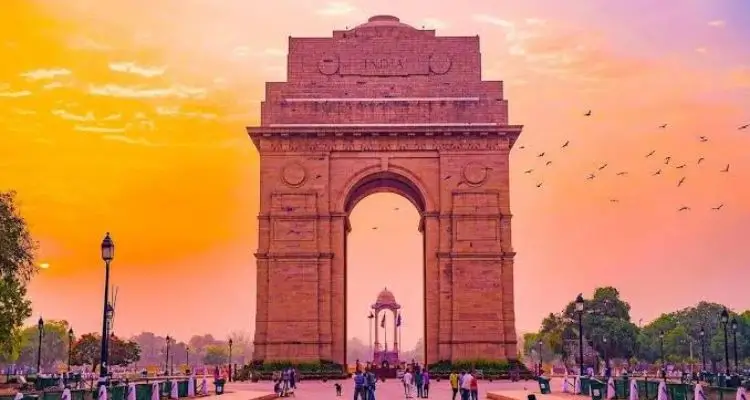
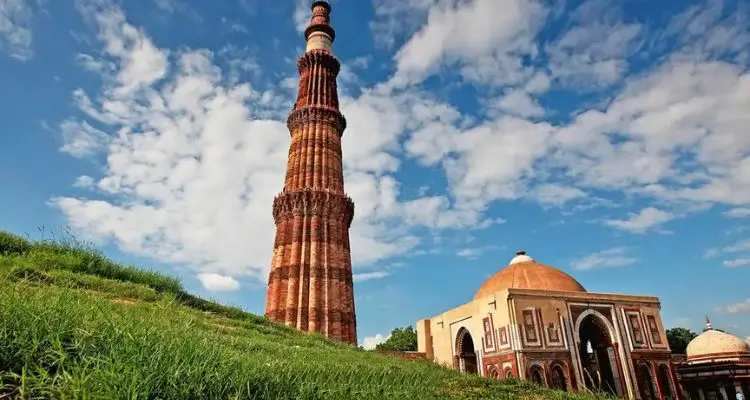
Visibility is the biggest difference tourists notice. During days with excellent Delhi air quality, landmarks such as Qutub Minar, India Gate, Humayun's Tomb, Jama Masjid, and Red Fort look sharp in photographs with clear blue skies. On days when the Delhi AQI rises significantly, distant buildings may appear hazy, particularly during early morning.
Photography enthusiasts should pay attention to this. If your goal is to capture postcard-quality images, schedule outdoor photography after visibility improves rather than immediately after sunrise during winter. Professional photographers in Delhi often adjust their schedules according to weather conditions rather than fixed timings.
Walking tours also remain enjoyable when planned correctly. Exploring Lodhi Garden, Sunder Nursery, or the spacious grounds around Humayun's Tomb is generally more comfortable than walking continuously beside heavy traffic. If your itinerary includes Old Delhi, consider taking a cycle rickshaw through Chandni Chowk instead of walking the entire route, reducing both fatigue and exposure to roadside traffic.
Visitors should also remember that many of Delhi's best attractions are indoors. Museums, art galleries, shopping centres, cultural venues, heritage hotels, cafés, and restaurants provide excellent alternatives if outdoor conditions are temporarily less comfortable.
If your itinerary includes a day trip to Agra or Jaipur, air quality in Delhi should not discourage you from continuing your journey. Many travelers spend only two nights in Delhi before moving on to other destinations included in the Golden Triangle Tour, making overall exposure relatively limited.
The important point is flexibility. A successful Delhi itinerary does not depend on following the exact same schedule every day. Small adjustments based on the daily Delhi AQI often lead to a much more enjoyable holiday.
Yes. Millions of domestic and international tourists visit Delhi every year. Monitoring the daily Delhi AQI, carrying an N95 mask, and adjusting outdoor activities during poor air quality days are usually sufficient precautions for most healthy travelers.
Air quality is generally better during the monsoon season and improves again after winter begins to end. Weather patterns vary each year, so checking the latest AQI before travel is always recommended.
Not necessarily. Wearing an N95 mask is most useful in crowded markets, heavy traffic areas, or when AQI levels are temporarily high.
Yes. Families visit Delhi throughout the year. Parents should keep children hydrated, avoid long walks beside busy roads, and schedule outdoor sightseeing when air quality is better.
Delhi often records higher pollution during winter than many other tourist destinations, but air quality changes throughout the year and is not consistently poor every day.
Many international visitors prefer Aerocity, Chanakyapuri, Connaught Place, Greater Kailash, and South Delhi because they offer better connectivity, quality hotels, and comparatively less congested surroundings.
Reliable options include IQAir, AirVisual, and major weather applications that provide real-time Delhi AQI updates.
During periods of extremely low visibility, especially on winter mornings, some flights may experience delays. Airlines usually update passengers through their official websites and mobile applications.
Yes, but they should consult their doctor before traveling, carry prescribed medication, use an N95 mask when needed, and avoid prolonged exposure to heavy traffic during high AQI periods.
For most visitors, the answer is no. Choosing the right season, checking daily air quality, staying hydrated, and making small adjustments to sightseeing plans allow tourists to enjoy Delhi's history, food, culture, and architecture comfortably despite changing weather conditions.