Your Travel Partner
SINCE 1989
Your Travel Partner
SINCE 1989

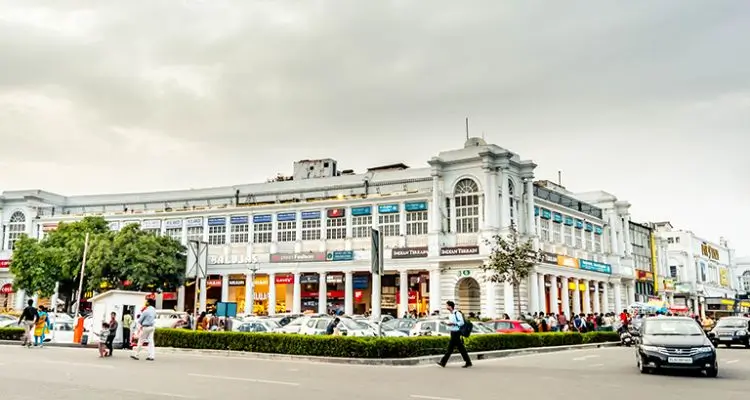
Delhi is one of the most exciting destinations in India. Home to magnificent Mughal monuments, bustling markets, colourful bazaars, street food, museums, and vibrant neighbourhoods, the city welcomes millions of domestic and international visitors every year.
Like any major tourist destination around the world, Delhi also has a few individuals who target visitors through scams. These scams usually rely on confusion, lack of local knowledge, or pressure tactics rather than violence. Fortunately, once you know what to expect, most of them are easy to avoid.
First-time travelers are often more vulnerable because they may be unfamiliar with local transport, currency, or popular tourist routes. Scammers frequently approach people near airports, railway stations, famous attractions, and crowded markets where tourists are more likely to need assistance.
The good news is that the vast majority of people you meet in Delhi—including hotel staff, licensed guides, shopkeepers, taxi drivers, and local residents—are honest and helpful. Understanding a few common tricks simply allows you to travel with greater confidence.
This guide explains the most common tourist scams in Delhi, how they work, and the practical steps you can take to avoid them while enjoying your trip.
One of the most well-known scams in Delhi involves fake "Government Approved Tourist Offices."
A scammer may approach you near Connaught Place, New Delhi Railway Station, Paharganj, or other tourist areas claiming that your hotel has closed, your train has been cancelled, or a monument is unexpectedly shut.
They then offer to take you to a "government tourist office" where they promise to help you make new travel arrangements.
In reality, these offices are usually private travel agencies with no connection to the government. Visitors may be pressured into buying expensive tour packages, transport, or hotel bookings at inflated prices.
How to Avoid It
Some drivers may refuse to use the meter and instead quote a fare much higher than the normal rate, particularly if they realise you are visiting Delhi for the first time.
Another variation involves claiming that your destination is closed and suggesting another hotel, shop, or travel agency where the driver earns a commission.
How to Avoid It
Travel with confidence knowing every detail is professionally arranged. From verified chauffeurs and trusted local guides to transparent pricing and personalized itineraries.
Outside popular attractions, individuals sometimes introduce themselves as official guides without holding any recognised licence.
Some may provide incorrect information before demanding excessive payment, while others attempt to redirect tourists to shops where they receive commission.
How to Avoid It
This scam is particularly common among backpackers arriving at railway stations or bus terminals.
Someone may confidently inform you that your booked hotel has closed, changed ownership, or is fully booked. They then recommend another accommodation, usually one where they receive a commission.
Some travelers only realise they have been misled after reaching the new hotel.
How to Avoid It
Drivers, guides, or friendly strangers may suggest visiting a "government handicraft shop," "special export showroom," or "best local market."
While some recommended shops are genuine businesses, others inflate prices significantly because commissions are paid for bringing tourists inside.
Visitors often feel pressured to buy expensive carpets, jewellery, textiles, or handicrafts.
How to Avoid It
In busy tourist areas, you may be approached by someone claiming to collect donations for an orphanage, school, hospital, or local charity.
They may carry a notebook filled with names and donation amounts or present printed documents to appear legitimate. Sometimes they ask for only a small amount, while others encourage much larger donations.
Although some charitable organisations are genuine, it can be difficult to verify them on the spot.
How to Avoid It
Skip the uncertainty and discover Delhi through expertly planned private experiences. With verified transportation, knowledgeable local guides, and personalized support throughout your journey.
A stranger may approach you with a smile, tie a bracelet around your wrist, place flowers in your hand, or offer another small item while saying it is free.
Once you accept it, they demand payment and may become persistent.
This scam relies on making visitors feel uncomfortable enough to hand over money simply to end the conversation.
How to Avoid It
Some tourists are offered "better exchange rates" by individuals on the street or through unofficial money changers.
You may receive counterfeit notes, incorrect amounts, or be charged hidden fees.
How to Avoid It
Although not technically a scam, pickpocketing is something visitors should be aware of in crowded places.
Busy markets, Metro stations, festivals, railway stations, and popular attractions can attract opportunistic thieves.
How to Avoid It
Some scammers work in groups. One person distracts you by asking for directions, offering assistance, or creating confusion, while another attempts to steal valuables.
Others may exaggerate personal stories to encourage tourists to hand over large amounts of money.
How to Avoid It
The easiest way to avoid scams is to remain confident and avoid making rushed decisions.
Some practical habits include:
Most scammers rely on creating urgency or confusion. Taking a moment to verify information often prevents problems entirely.
Absolutely not.
Delhi remains one of India's most rewarding travel destinations, offering world-famous monuments, vibrant markets, incredible food, fascinating history, and welcoming local communities.
The vast majority of visitors complete their trip without experiencing any scams. Those who do encounter minor problems usually find that they could have been avoided with a little preparation.
By staying informed, using common sense, and booking services through trusted providers, you can enjoy Delhi with confidence while focusing on the city's rich culture and unforgettable attractions.
Find the answers to all of our most frequently asked questions
One of the most common scams involves fake government tourist offices where travelers are redirected to private travel agencies selling overpriced tours or hotels.
Yes. App-based taxis and prepaid taxis are generally safe and reliable. Always verify the vehicle details before starting your journey.
Use app-based bookings or agree on the fare before the ride begins if the meter is not being used.
It is better to verify any important travel information directly with your hotel, airline, railway station, or official sources.
They can be found near some popular attractions. Booking licensed guides through reputable operators is the safest option.
No. Always exchange currency at authorised banks or licensed exchange counters.
Politely refuse and continue walking. Free gifts are often followed by demands for payment.
Like many large cities, pickpocketing can occur in crowded places, so keep your belongings secure and remain aware of your surroundings.
If you wish to support a cause, donate directly to a recognised charity rather than responding to unsolicited requests.
Yes. Millions of tourists visit Delhi every year without any problems. Staying alert, using trusted services, and understanding common scams greatly reduces the chances of encountering difficulties.