Your Travel Partner
SINCE 1989
Your Travel Partner
SINCE 1989

Delhi is one of the first destinations many international backpackers visit when arriving in India. As the country's capital, it combines centuries-old monuments, lively markets, modern shopping districts, museums, street food, and cultural experiences. From the narrow lanes of Old Delhi to the wide avenues of New Delhi, the city offers something for every type of traveler.
For solo backpackers, however, navigating a city of more than 30 million people can seem overwhelming at first. The traffic is busy, transport options are numerous, and choosing the right way to get around can save both time and money.
The good news is that Delhi has one of India's best public transport systems. An extensive Metro network connects most major tourist attractions, airports, railway stations, and commercial districts. In addition, buses, auto-rickshaws, app-based taxis, cycle rickshaws, and walking routes provide plenty of options depending on your destination and budget.
Each transport option has its own advantages. The Metro is usually the fastest choice, while auto-rickshaws are ideal for short distances. App-based taxis offer convenience, buses are the cheapest option for many routes, and walking allows visitors to explore historic neighbourhoods at a slower pace.
Understanding when to use each mode of transport can make your trip smoother, safer, and more enjoyable. It also helps backpackers avoid unnecessary expenses and common tourist scams.
This guide explains the best transportation choices for solo travelers in Delhi, including costs, safety tips, airport transfers, and practical advice for getting around confidently.
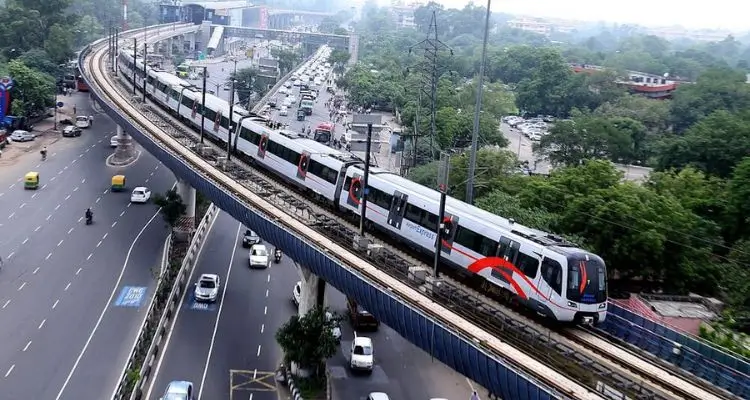
For most visitors, the Delhi Metro is the easiest, fastest, and most reliable way to travel around the city.
The Metro connects almost every major tourist destination, including Old Delhi, New Delhi Railway Station, Chandni Chowk, Connaught Place, India Gate (via nearby stations), Qutub Minar, Humayun's Tomb (via connecting transport), Akshardham Temple, Lotus Temple, and Indira Gandhi International Airport.
Trains are clean, air-conditioned, affordable, and operate frequently throughout the day. Stations include English and Hindi signs, making navigation relatively easy for international visitors.
For solo backpackers, the Metro offers several important advantages:
Buying a Metro Smart Card is recommended if you plan to use the system frequently, as it saves time and eliminates the need to purchase individual tickets for every journey.
During weekday morning and evening rush hours, trains can become crowded, but they generally remain one of the safest and most efficient transport options in Delhi.
Whether you're navigating Delhi's bustling streets or discovering hidden neighborhoods, the right transport makes all the difference. Let our local travel experts arrange safe, reliable.
Auto-rickshaws are one of the most recognisable forms of transport in India and are widely available throughout Delhi.
They are particularly useful for travelling short distances between Metro stations, hotels, markets, and nearby attractions.
Before starting your journey, confirm whether the driver will use the meter. If not, agree on the fare before getting into the vehicle.
Many backpackers also use app-based auto-rickshaw bookings, which display the fare in advance and reduce the need for price negotiations.
Auto-rickshaws are ideal for:
Because they are open-sided vehicles, they can become less comfortable during heavy rain or extreme summer temperatures.
For longer journeys, late-night travel, or trips involving luggage, app-based taxi services are often the most convenient option.
These services display estimated fares before booking, provide GPS tracking, and allow cashless payments in many cases.
Many solo travelers appreciate the additional security features available through mobile apps, including live trip sharing with family or friends.
Taxis are especially useful when travelling:
Although taxis usually cost more than the Metro, they provide greater comfort and door-to-door convenience, especially when travelling with backpacks or multiple bags.
Delhi's public bus network covers almost every part of the city and is one of the cheapest ways to travel.
Both government-operated and electric buses connect major residential areas, markets, railway stations, and tourist attractions. For backpackers travelling on a tight budget, buses can be a good option for shorter journeys where Metro access is limited.
However, buses can be more challenging for first-time international visitors because routes may be unfamiliar and traffic conditions can affect travel times. During peak hours, buses are often crowded.
If you decide to use the bus network:
For most tourists, the Metro remains easier to navigate, while buses work well as a secondary transport option.
Whether you're visiting Delhi for a day or beginning a cross-country backpacking adventure, our customized travel services ensure every ride is safe, convenient, and perfectly planned.
Walking is one of the best ways to experience certain parts of Delhi, especially historic neighbourhoods and markets.
Areas such as Connaught Place, Lodhi Garden, Khan Market, Old Delhi, and parts of Chandni Chowk are enjoyable to explore on foot, allowing you to discover local cafés, street food, heritage buildings, and small shops that are easily missed when travelling by vehicle.
At the same time, Delhi is a very large city, so walking is not practical for travelling between major attractions.
A few safety tips for solo backpackers:
Comfortable walking shoes are highly recommended because sightseeing often involves covering several kilometres in a day.
Indira Gandhi International Airport is well connected to the rest of Delhi, making it easy for backpackers to reach their accommodation.
The Airport Express Metro Line is one of the fastest and most reliable choices. It connects the airport with central Delhi in a short time and is ideal for travelers carrying backpacks.
Other options include:
If you arrive late at night, booking a prepaid or app-based taxi is generally more convenient than searching for local transport outside the terminal.
Always confirm the vehicle details before starting your journey.
Cycle rickshaws remain a popular way to explore narrow streets where cars cannot easily enter.
They are commonly found around Chandni Chowk, Jama Masjid, and nearby markets.
These rides are short, inexpensive, and provide a slower pace for exploring the historic parts of the city.
Before beginning the ride, agree on the fare unless it has already been fixed through a booking service.
Cycle rickshaws are ideal for:
They are not suitable for long-distance travel but add a memorable experience to a visit to Old Delhi.
Delhi is visited by millions of domestic and international tourists every year. Like any large city, staying alert and following basic safety precautions can make your journey much more comfortable.
Some useful tips include:
If something feels uncomfortable, trust your instincts and move to a busy public area.
Travelling around Delhi doesn't have to be expensive if you choose the right transport.
Using the Metro for most journeys can significantly reduce your daily transportation costs compared to relying entirely on taxis.
Purchase a Metro Smart Card if you expect to travel frequently, as it speeds up entry and avoids repeated ticket purchases.
Group nearby attractions together to reduce unnecessary travel across the city. For example, visit Red Fort, Jama Masjid, and Chandni Chowk on the same day rather than making separate trips.
Carry a reusable water bottle, wear comfortable shoes, and plan your route in advance to avoid unnecessary transport expenses.
Find the answers to all of our most frequently asked questions
The Delhi Metro is generally the best option because it is affordable, reliable, air-conditioned, and connects most major tourist attractions.
Yes. The Metro is considered one of the safest and most convenient ways to travel around Delhi.
No. They are affordable for short journeys, but always agree on the fare beforehand or book through a trusted app.
Yes. App-based taxis are usually the safest and most convenient choice for late-night travel
Yes, but mainly in tourist-friendly areas during the daytime. Walking long distances between attractions is generally not practical.
The Airport Express Metro, prepaid taxis, app-based taxis, and hotel transfers are the most popular options.
Yes. It is convenient, saves time, and is ideal for visitors planning multiple Metro journeys.
They are affordable but can be confusing for first-time visitors. The Metro is usually easier to use.
Cycle rickshaws are excellent for exploring Old Delhi, but they are intended for short distances rather than city-wide transport.
Public buses are generally the cheapest, while the Delhi Metro offers the best balance of affordability, speed, comfort, and convenience for most backpackers.