Your Travel Partner
SINCE 1989
Your Travel Partner
SINCE 1989

Travelling to a new country is an exciting experience, but it is always wise to be prepared for unexpected situations. Whether you lose your passport, need medical assistance, witness an accident, or require help from the police, knowing the correct emergency numbers can save valuable time.
India has a well-developed emergency response system that connects callers to police, ambulance, fire services, women's safety helplines, disaster management authorities, and tourist assistance. In recent years, several emergency services have been integrated under a single national emergency number, making it easier for both residents and foreign visitors to seek immediate help.
Many international travelers assume that they should call different numbers for every emergency. While specialised helplines still exist, 112 now serves as India's primary emergency response number and is the quickest option for most urgent situations.
Apart from emergency services, tourists may also need assistance with issues such as lost belongings, scams, transportation problems, medical facilities, or language barriers. Knowing which organisation to contact can help resolve these situations more efficiently.
It is equally important to understand when an emergency number should be used. These services are intended for genuine emergencies that require immediate attention. For general travel questions, hotel reservations, sightseeing information, or transport bookings, local tourism offices and travel agencies are more appropriate sources of assistance.
This guide explains the most important emergency helpline numbers in India, what each service is used for, and practical advice that every traveler should know before beginning their journey.
The most important number every visitor should remember is 112.
It is India's nationwide emergency response number and connects callers to the appropriate emergency service, including police, ambulance, or fire brigade, depending on the nature of the incident.
Whether you are facing a medical emergency, witnessing an accident, feeling threatened, or requiring urgent police assistance, 112 should usually be your first call.
The service is available throughout India and is designed to provide quicker coordination between different emergency agencies. Operators gather information about your location and the type of emergency before directing the request to the appropriate local authorities.
If you are unsure which emergency service you need, calling 112 is usually the safest choice.
Foreign tourists should save this number in their mobile phones immediately after arriving in India.
Although 112 is now the primary national emergency number, 100 continues to be recognised in many parts of India for direct police assistance.
Contact the police immediately if you experience:
If your passport has been stolen, reporting the incident to the local police is one of the first steps required before contacting your embassy or consulate.
When speaking with the operator, remain calm and provide your exact location, nearby landmarks, and a brief explanation of the situation.
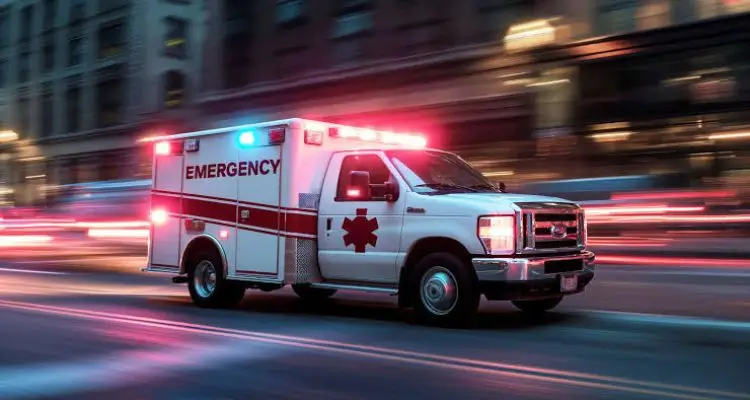
For medical emergencies, India operates ambulance services through 108 in many states, while 112 can also arrange emergency medical assistance where required.
Call immediately if someone experiences:
If possible, provide the patient's age, current condition, exact location, and nearby landmarks to help emergency responders reach you more quickly.
Many private hospitals also operate their own ambulance services, but 108 and 112 remain the most widely recognised emergency options for immediate medical assistance.
A memorable journey begins with feeling safe at every step. Our dedicated travel specialists provide carefully planned itineraries, reliable private transportation.
If you discover a fire in a hotel, restaurant, public building, vehicle, or residential area, call 101 or 112 immediately.
Do not attempt to fight a large fire yourself unless it is completely safe to do so.
When speaking with emergency services, clearly describe:
Quick reporting helps firefighters respond faster and reduces the risk of injuries.
India also provides dedicated assistance for tourists who require guidance, safety advice, or help during their travels.
The 24-hour Tourist Helpline – 1363 (or 1800-11-1363 within India where applicable) can assist visitors with tourism-related concerns, information, and support.
Tourists may contact the helpline for guidance regarding:
While the tourist helpline is helpful, life-threatening emergencies should always be reported through 112 first.
India has dedicated helpline services to support women facing harassment, abuse, or situations where they feel unsafe.
The Women's Helpline – 181 operates in many states and provides assistance, counselling, and coordination with local authorities where required.
If a woman feels threatened while travelling, she should move to a safe public place whenever possible and contact 112 immediately if there is an immediate danger.
Solo female travelers should also:
For urgent situations involving personal safety, 112 remains the fastest emergency contact.
If you come across a child who appears to be abandoned, missing, injured, or in immediate danger, help is available through the Child Helpline – 1098.
This service works to protect children in distress and coordinates with local authorities and child welfare organisations.
Examples of situations where you should call include:
Tourists should avoid attempting to resolve such situations on their own and instead inform the appropriate authorities.
India experiences seasonal events such as heavy rainfall, floods, cyclones, earthquakes, and landslides in certain regions.
If you are affected by a natural disaster:
If your hotel or tour operator issues safety instructions, follow them carefully until conditions improve.
Great travel isn't just about where you go—it's about feeling supported wherever you are. Experience India with carefully planned routes, experienced chauffeurs, and a professional team committed to your comfort and safety.
Losing your passport is one of the most stressful situations for an international traveler, but remaining calm helps the process go more smoothly.
If your passport is lost or stolen:
Keeping digital copies of important documents in secure cloud storage can make this process much easier.
Before beginning your trip, save important emergency numbers in your phone and keep a written copy in your wallet or travel documents.
It is also useful to save the contact details of:
Whenever you call an emergency service, try to provide:
Speaking slowly and clearly helps operators understand your situation more quickly.
Most trips to India are completed without any serious problems, but basic precautions can help reduce unnecessary risks.
Avoid carrying large amounts of cash, especially in crowded areas. Use hotel safes to store passports and valuables whenever possible.
Download offline maps before travelling to unfamiliar destinations in case mobile internet becomes unavailable.
If you use taxis, choose registered operators or reputable ride-hailing apps and verify the vehicle details before entering.
Keep your phone charged while travelling, particularly during long road journeys or when visiting remote areas.
Finally, trust your instincts. If a situation feels unsafe, leave the area and seek assistance from nearby police officers, hotel staff, or by calling 112.
Find the answers to all of our most frequently asked questions
112 is India's national emergency number and connects callers to police, ambulance, fire, and other emergency services.
You can call 112 or 100 for police assistance.
Call 112 or 108, depending on your location and the emergency.
The fire brigade can be reached through 101 or 112.
Yes. Tourists can contact 1363 or 1800-11-1363 for tourism-related assistance and guidance.
Report the theft to the nearest police station, obtain a police report, and contact your embassy or consulate immediately.
Yes. 112 is the nationwide integrated emergency response number.
The 181 Women's Helpline provides support in many states, while 112 should be used for immediate emergencies.
Yes. Foreign visitors can use these emergency numbers just like Indian residents.
Absolutely. Saving important emergency contacts before your trip can help you respond quickly if an unexpected situation arises.