Your Travel Partner
SINCE 1989
Your Travel Partner
SINCE 1989
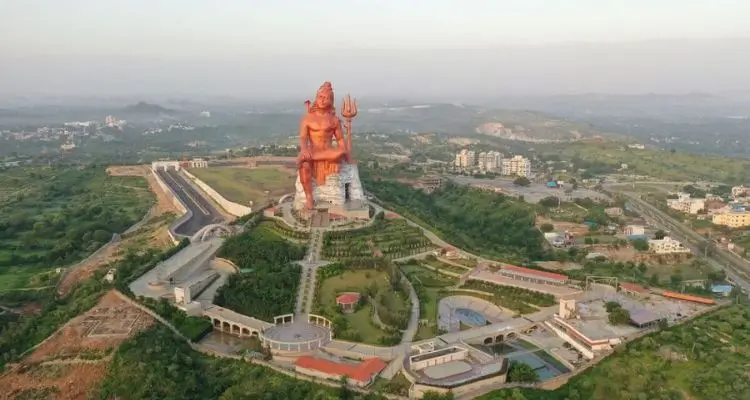
Located around 45 kilometres from Udaipur, Nathdwara Temple, also known as Shrinathji Temple, is one of the most sacred Hindu pilgrimage sites in India. Dedicated to Lord Shrinathji, a form of Lord Krishna, the temple welcomes millions of devotees every year who come to seek blessings and experience the unique traditions of the Pushtimarg sect established by Shri Vallabhacharya.
Unlike many temples that remain open continuously throughout the day, Shrinathji Temple follows a distinctive schedule. The deity is treated as a living child, and the temple opens several times a day for different darshan sessions before closing again. Each darshan represents a different part of Lord Krishna's daily routine, making every visit a unique spiritual experience.
Many foreign visitors combine Nathdwara with a trip to Udaipur, but first-time travelers often have several practical questions. What are the temple timings? Which darshan is considered the best? Is there a dress code? Can non-Hindus enter the temple? How crowded does it become? Understanding these details before arriving helps visitors avoid unnecessary confusion and plan their visit more comfortably.
Apart from its religious importance, Nathdwara is also known for its rich artistic traditions. The town is famous for Pichwai paintings, handcrafted souvenirs, traditional sweets, and narrow market streets filled with devotional items. Even travelers interested primarily in Rajasthan's culture often include Nathdwara in their itinerary because it offers a very different experience from the state's forts and palaces.
This guide explains the temple's history, darshan timings, entry rules, dress code, nearby attractions, and practical travel advice to help both pilgrims and tourists enjoy a smooth and respectful visit.
The history of Nathdwara Temple dates back to the seventeenth century when the idol of Lord Shrinathji was moved from Govardhan, near Mathura, to protect it during a period of political uncertainty.
According to tradition, the bullock cart carrying the idol stopped near the present-day town of Nathdwara. Despite several attempts, the cart could not be moved further. This was interpreted as a divine indication that Lord Shrinathji wished to remain there. A temple was subsequently established at that location, and the town gradually developed around it.
The name Nathdwara literally means "Gateway to the Lord." Over the centuries, it has become one of the most important centres of the Pushtimarg tradition and continues to attract devotees from across India and abroad.
Unlike many temple idols that remain permanently visible, Shrinathji is served according to a carefully organised daily schedule. The deity is dressed several times each day in different garments and jewellery, while the temple decorations, flowers, and offerings change according to the season and festival.
This tradition creates a deeply personal atmosphere that distinguishes Nathdwara from many other pilgrimage destinations in India.
Experience the divine atmosphere of Nathdwara without the stress of planning. Our travel experts arrange a smooth pilgrimage with comfortable transportation, flexible schedules.
One of the most important things visitors should understand before arriving is that Shrinathji Temple does not remain continuously open.
Instead, the temple opens for a series of darshan sessions, each representing a different stage in Lord Krishna's daily life. Between these sessions, the sanctum closes while preparations are made for the next darshan.
Although timings occasionally vary during festivals and special religious occasions, the daily schedule generally includes:
Among these, Mangala Darshan and Rajbhog Darshan are especially popular and often attract large crowds.
Because the temple closes between darshan sessions, arriving without checking the schedule may result in a long wait outside. Visitors should therefore plan their journey carefully, especially if travelling from Udaipur for a day trip.
Festival periods such as Janmashtami, Annakut, and other important celebrations attract exceptionally large numbers of pilgrims, so waiting times become significantly longer than on ordinary weekdays.
Although Shrinathji Temple does not enforce a strict formal dress code like some religious sites in India, visitors are expected to dress modestly and respectfully.
Men generally wear full-length trousers or traditional Indian clothing, while women commonly choose dresses that cover the shoulders and knees, salwar suits, sarees, or other modest attire. Sleeveless tops, very short clothing, and revealing outfits are best avoided when visiting the temple.
Footwear must be removed before entering the temple premises. Several authorised shoe deposit counters are available near the entrance where visitors can safely leave their shoes for a small fee or free of charge, depending on the facility.
Mobile phone usage inside the main temple area is generally restricted. Photography and videography are not permitted inside the sanctum, so visitors should keep cameras and mobile phones stored away while attending darshan.
During busy darshan sessions, move with the flow of devotees and avoid stopping for long periods near the entrance to the sanctum. Temple staff regularly guide visitors through the queue to ensure everyone has an opportunity for darshan.
Speaking softly, following staff instructions, and respecting local customs help create a peaceful atmosphere for both pilgrims and tourists.
One of the questions frequently asked by international travelers is whether foreign visitors are allowed inside the temple.
Foreign tourists are generally welcome to visit Nathdwara Temple, provided they respect the temple's rules and religious traditions. Since this is an active place of worship rather than a historical monument, visitors should understand that religious practices always take priority over sightseeing.
Those unfamiliar with Hindu customs may find it helpful to observe local devotees before entering. Joining the queue calmly, removing footwear, dressing appropriately, and following temple staff instructions usually makes the visit smooth and comfortable.
During major festivals, crowd levels increase significantly. Visitors who prefer a quieter experience may wish to avoid festival dates unless they specifically want to witness the celebrations.
Even if you are not visiting for religious reasons, the temple offers valuable insight into one of India's oldest devotional traditions and provides a unique cultural experience quite different from Rajasthan's forts and palaces.
Every spiritual journey deserves thoughtful planning. Share your travel dates and preferences, and our specialists will design a personalized Nathdwara experience with smooth transportation.
The most comfortable months to visit Nathdwara are October to March, when daytime temperatures are pleasant for both temple visits and exploring the surrounding town.
Early morning darshan offers a peaceful atmosphere and cooler weather, while evening visits allow travelers to experience the beautifully illuminated temple surroundings and devotional atmosphere during the evening aarti.
Weekdays are generally less crowded than weekends, making them a better choice for visitors who prefer shorter queues.
If you are interested in experiencing the temple during major celebrations, Janmashtami and Annakut are among the most important festivals. However, these occasions attract thousands of devotees, resulting in longer waiting times and increased accommodation demand.
Travelers staying in Udaipur often combine Nathdwara with nearby attractions such as Eklingji Temple, making it an enjoyable full-day excursion.
Nathdwara is well connected by road and is one of the easiest religious destinations to reach from Udaipur.
The temple is located approximately 45 kilometres from Udaipur, and the journey usually takes one to one and a half hours, depending on traffic.
Private taxis are the most convenient option, especially for visitors planning to include additional sightseeing on the same day. Many travel agencies also offer half-day and full-day tours covering Nathdwara and nearby temples.
State-run and private buses operate regularly between Udaipur and Nathdwara throughout the day, providing an economical option for independent travelers.
The nearest airport is Maharana Pratap Airport (Udaipur), while Udaipur City Railway Station serves as the closest major rail connection for visitors arriving from other parts of India.
After completing your temple visit, take some time to explore the lively streets surrounding the temple complex.
Nathdwara is famous for its traditional Pichwai paintings, intricate artworks depicting scenes from the life of Lord Krishna. Many local artists continue this centuries-old tradition, and visitors can watch craftsmen at work in several studios.
The local markets also sell devotional items, handmade souvenirs, marble sculptures, traditional clothing, and religious books.
Food lovers should try some of Nathdwara's well-known vegetarian snacks and traditional sweets. Since the town has a strong religious identity, vegetarian food is widely available, with many restaurants serving authentic Rajasthani and Gujarati cuisine.
If time permits, consider visiting Eklingji Temple, located on the route back to Udaipur. Dedicated to Lord Shiva, this historic temple is another important pilgrimage destination and complements a visit to Nathdwara perfectly.
Plan your journey according to the darshan schedule rather than simply arriving at the temple whenever convenient.
Carry only essential belongings because large bags may slow down entry during busy periods.
Keep some cash for shoe storage, offerings, parking, and shopping in the local markets.
Drink plenty of water if visiting during warmer months, although avoid carrying food inside the temple premises unless specifically permitted.
Finally, allow 2 to 3 hours for your visit, including darshan, walking through the surrounding markets, and enjoying the spiritual atmosphere of Nathdwara.
Find the answers to all of our most frequently asked questions
The temple is famous for the idol of Lord Shrinathji, a revered form of Lord Krishna, and is one of the most important pilgrimage sites of the Pushtimarg tradition.
Nathdwara is approximately 45 kilometres from Udaipur and can usually be reached in one to one and a half hours by road.
Yes. Foreign visitors are generally welcome, provided they follow the temple's rules, dress modestly, and respect religious customs.
Mangala Darshan and Rajbhog Darshan are among the most popular, although every darshan has its own religious significance.
No. Photography and videography are generally prohibited inside the main temple.
Modest clothing covering the shoulders and knees is recommended. Footwear must be removed before entering.
Most visitors spend 2 to 3 hours, including darshan, local shopping, and exploring the surrounding area.
No. Entry for darshan is generally free, although donations are voluntary.
Eklingji Temple is the most popular nearby attraction and is often included in the same trip from Udaipur.
October to March offers the most pleasant weather for visiting the temple and exploring the town.