Your Travel Partner
SINCE 1989
Your Travel Partner
SINCE 1989
Mumbai is often described as the city of dreams. It is India's financial capital, home to Bollywood, historic colonial architecture, luxury hotels, busy markets, and one of the country's busiest ports. At the same time, it is also a city of remarkable contrasts, where modern skyscrapers stand close to densely populated residential neighbourhoods.
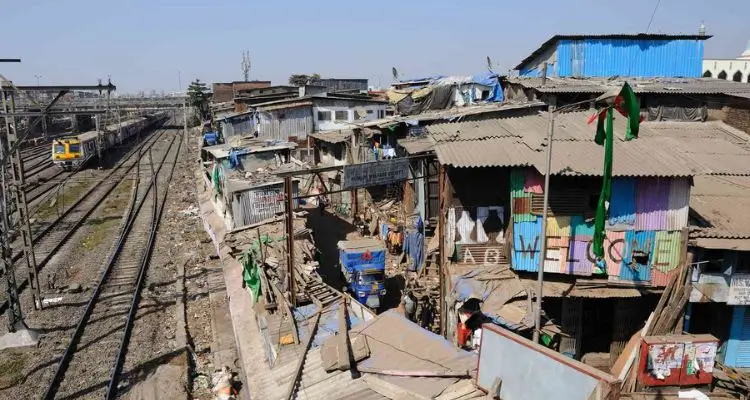
Among these neighbourhoods, Dharavi has become internationally known. Covering a relatively small area in central Mumbai, it is one of the most densely populated urban communities in the world. Over the years, documentaries, newspapers, and films have brought global attention to Dharavi, leading many international travelers to include a guided visit in their Mumbai itinerary.
However, first-time visitors are often unsure about what a Dharavi tour actually involves. Is it safe? Are people comfortable with tourists visiting? Is it respectful? How much does the tour cost? Can you take photographs? These are important questions because a responsible visit is very different from simply walking through a residential neighbourhood without understanding the local community.
A well-organised Dharavi Slum Tour is not designed to display poverty. Instead, it introduces visitors to one of Mumbai's most productive neighbourhoods, where thousands of small businesses manufacture goods that are sold across India and exported internationally. Recycling workshops, leather units, pottery studios, bakeries, textile businesses, and family-run factories operate side by side, creating an economy worth millions of dollars every year.
Many travelers finish the tour surprised by the scale of economic activity, the strong sense of community, and the entrepreneurial spirit found throughout the area. Rather than reinforcing stereotypes, responsible tours often replace misconceptions with a much deeper understanding of urban life in Mumbai.
This guide explains what you can expect from a Dharavi tour, including prices, timings, safety, photography rules, how to choose a responsible operator, and practical advice for first-time visitors.
Although Dharavi is commonly referred to as a slum, it is far more than a residential settlement. It functions as one of Mumbai's largest informal business districts, with thousands of small enterprises operating every day.
Walking through Dharavi reveals an incredible variety of industries. Small workshops produce leather goods, garments, pottery, baked products, plastic recycling materials, aluminium items, textiles, and handmade products. Many businesses supply shops throughout India, while others export their products overseas.
Recycling is one of Dharavi's best-known industries. Large quantities of plastic, metal, paper, and other recyclable materials are collected from across Mumbai before being sorted, cleaned, processed, and prepared for reuse. This recycling network supports thousands of jobs and plays an important role in the city's waste management system.
The community is also culturally diverse. Families from different regions of India have settled here over many decades, creating neighbourhoods with their own traditions, languages, places of worship, and local markets.
Visitors expecting to see only temporary housing are often surprised to find schools, clinics, restaurants, workshops, religious buildings, and busy commercial streets operating alongside residential areas.
Understanding this economic and social diversity helps explain why responsible guided tours focus on local industries, entrepreneurship, and community life rather than simply showing living conditions.
Discover the city's hidden stories, vibrant communities, and entrepreneurial spirit with local experts who help you experience Mumbai with authenticity, respect, and deeper cultural understanding.
Most Dharavi walking tours begin at a pre-arranged meeting point near the community before entering different neighbourhoods with a trained local guide.
The route usually includes visits to several small industries where visitors observe traditional manufacturing techniques and recycling operations. Depending on the tour, you may see leather production, pottery workshops, textile businesses, food preparation units, plastic recycling facilities, or family-operated enterprises.
Guides explain how these industries function, how materials move through different stages of production, and how thousands of residents earn their livelihoods through small-scale businesses.
As you continue walking, you will also pass residential streets, schools, community centres, places of worship, and local markets. Rather than focusing on poverty, most reputable guides encourage discussions about migration, urban development, employment, education, and the daily life of residents.
Walking distances are moderate, but visitors should expect narrow lanes, uneven pathways, occasional staircases, and warm weather depending on the season.
Most tours last between 2 and 3 hours, providing enough time to understand the neighbourhood without disrupting everyday life.
The experience is educational rather than emotional. Many visitors leave with a greater appreciation for the resilience, organisation, and economic importance of one of Mumbai's most famous communities.
The price of a Dharavi Slum Tour depends on the operator, group size, language, and whether the tour is private or shared with other visitors.
Most shared walking tours cost between 900 and 2,000 per person, while private tours generally range from 3,000 to 7,000, depending on the number of participants and the services included.
Some tours include hotel pick-up and drop-off, while others require visitors to meet the guide at a designated location near Dharavi. Always check what is included before confirming your booking.
Tours are usually conducted twice daily, with morning departures being the most popular because temperatures are cooler and local workshops are already active. Afternoon tours are also available throughout most of the year.
Most visits last 2 to 3 hours, giving visitors enough time to explore several neighbourhoods, observe different industries, and ask questions without interrupting daily community life.
Booking in advance is recommended, particularly during the busy tourist season between October and March, when demand from international visitors is higher.
Photography is one of the most important topics discussed before entering Dharavi.
Unlike historical monuments or public viewpoints, Dharavi is a living residential community where people work, study, and raise families. Respecting their privacy is essential.
For this reason, many responsible tour operators do not allow photography inside residential and industrial areas. This policy exists to protect residents' privacy and encourage visitors to focus on learning rather than taking pictures.
Some operators may allow photographs only in specific public locations, while others prohibit photography completely throughout the tour.
Never take photographs of residents, especially children, without clear permission. Even where photography is technically allowed, asking first is both polite and respectful.
Visitors who follow these guidelines often discover that they spend more time observing local industries, asking meaningful questions, and understanding the community instead of viewing the visit through a camera lens.
Discover the city's hidden stories, vibrant communities, and entrepreneurial spirit with local experts who help you experience Mumbai with authenticity, respect, and deeper cultural understanding.
One of the most common questions asked by foreign visitors is whether Dharavi is safe.
For travelers joining an organised tour with an experienced guide, the answer is generally yes.
Professional guides know the community well, follow established walking routes, and maintain good relationships with local residents and business owners. Visitors remain with the group throughout the tour and rarely encounter any problems.
As with any busy urban area, basic travel precautions remain sensible. Carry only essential belongings, avoid displaying expensive jewellery, and keep your wallet, passport, and mobile phone secure.
Comfortable walking shoes are recommended because many streets are narrow, and some pathways may be uneven.
Independent visits without local guidance are not recommended. Besides making navigation difficult, entering residential neighbourhoods without understanding local customs may unintentionally disturb residents.
Most international visitors describe the experience as welcoming, educational, and very different from what they expected before arriving.
Not every Dharavi tour follows the same approach, so selecting the right operator is important.
Choose companies that work closely with the local community and explain clearly how their tours are conducted. Many responsible operators employ local guides, support community initiatives, or contribute part of their income to educational and social programmes.
Read recent reviews before booking and avoid tours that advertise Dharavi as an unusual attraction or focus only on poverty.
A good guide should explain the area's history, industries, migration patterns, education, recycling economy, and daily life while encouraging respectful interaction throughout the visit.
Small group tours often provide a better experience because visitors can ask more questions and move through the neighbourhood without causing unnecessary disruption.
Wear lightweight clothing suitable for Mumbai's warm and humid climate. Comfortable walking shoes are essential because most of the tour is on foot.
Carry a reusable water bottle, particularly during warmer months, but avoid bringing large bags unless necessary.
Arrive on time, as most walking tours begin promptly and follow planned routes through active working areas.
Maintain an open mind throughout the visit. Many travelers arrive expecting to see only hardship but leave with a greater appreciation for the community's entrepreneurship, innovation, and resilience.
Most importantly, remember that Dharavi is home to hundreds of thousands of people. Showing courtesy, patience, and respect makes the experience more meaningful for both visitors and residents.
Find the answers to all of our most frequently asked questions
Most shared tours cost between ₹900 and ₹2,000 per person, while private tours usually range from ₹3,000 to ₹7,000, depending on the operator and inclusions.
Most guided tours last 2 to 3 hours.
Yes. Organised tours with experienced local guides are generally considered safe for visitors.
It is not recommended. Guided tours provide better understanding, follow appropriate routes, and respect the local community.
Many responsible operators restrict or completely prohibit photography to protect residents' privacy. Always follow your guide's instructions.
Visitors commonly see recycling units, leather workshops, pottery studios, textile businesses, bakeries, and other small manufacturing enterprises.
Comfortable clothing suitable for warm weather and closed walking shoes are recommended.
Yes. Many families join guided tours, although parents should ensure children are comfortable with walking for several hours.
No. If you wish to support the community, ask your tour operator about recognised educational or charitable initiatives instead of giving money directly.
The opportunity to understand one of Mumbai's most productive communities, learn about its industries, meet knowledgeable local guides, and gain a balanced perspective that goes far beyond common stereotypes.