Your Travel Partner
SINCE 1989
Your Travel Partner
SINCE 1989
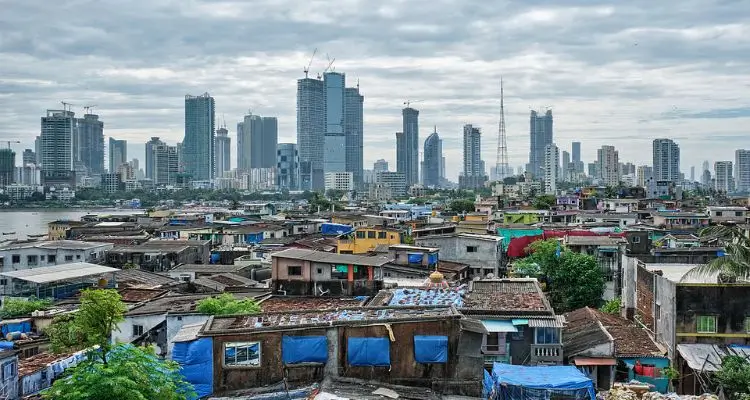
For many international travelers, India is a country of striking contrasts. Modern business districts stand alongside centuries-old monuments, luxury hotels share the same cities as crowded markets, and affluent neighbourhoods may exist only a short distance from low-income communities. One topic that often raises questions among foreign visitors is India's slums.
Many people first hear about Indian slums through documentaries, news reports, or films. While these sources sometimes highlight genuine challenges, they rarely present the complete picture. As a result, first-time visitors often arrive with misconceptions, assuming that every slum is dangerous, that everyone living there is unemployed, or that these communities exist only because of poverty. The reality is far more complex.
A slum is generally a densely populated urban neighbourhood where housing, sanitation, roads, and public services may be limited. However, these communities are also home to millions of hardworking people including teachers, factory workers, shop owners, drivers, artists, craftsmen, and small business owners who contribute significantly to India's economy.
Some of India's best-known slums have become internationally recognised because of films and media coverage. This has led to growing interest among travelers, particularly those wanting to understand local life beyond the usual tourist attractions. In cities such as Mumbai, organised community-led tours have become popular because they provide visitors with a respectful and educational perspective rather than encouraging poverty tourism.
Understanding the reality behind these neighbourhoods helps visitors approach the subject with greater awareness and respect. Rather than viewing slums as tourist attractions or places defined only by hardship, it is more appropriate to recognise them as living communities where families work, study, run businesses, and build their daily lives.
This guide explains what slums are, why they exist, common misconceptions, whether tourists should visit them, how to behave respectfully, and important practical advice for anyone interested in learning more about this aspect of urban India.
The word "slum" is often misunderstood. It does not refer to a single type of neighbourhood or imply that every community looks the same. Across India, living conditions vary considerably from one settlement to another.
In general, a slum is an area where population density is high and access to services such as sanitation, drainage, paved roads, or permanent housing may be limited. Some settlements consist of temporary structures, while others contain brick buildings, schools, clinics, workshops, places of worship, and thriving local businesses.
Many residents have lived in these communities for decades, while others are recent migrants who moved from rural areas seeking employment in larger cities. As cities expanded rapidly over many years, affordable housing often failed to keep pace with population growth, leading to the development of informal settlements.
Despite infrastructure challenges, daily life continues much like anywhere else. Children attend school, adults commute to work, markets operate throughout the day, and neighbourhood organisations frequently support education, healthcare, sanitation, and community development.
It is therefore inaccurate to assume that every person living in a slum is unemployed or dependent on charity. Many households earn regular incomes and contribute to industries ranging from manufacturing and recycling to textiles, construction, transportation, hospitality, and retail.
Understanding this broader context helps travelers appreciate that these neighbourhoods are communities rather than simply symbols of poverty.
India is a land of extraordinary contrasts, rich traditions, and remarkable stories. Travel beyond the headlines with experienced local guides who help you explore the country's heritage, culture.
The growth of slums in India is closely linked to rapid urbanisation. Over several decades, millions of people have migrated from villages and small towns to major cities in search of employment, education, and better opportunities.
Cities such as Mumbai, Delhi, Kolkata, Bengaluru, Hyderabad, and Chennai have experienced enormous population growth. While industries created new jobs, affordable housing did not expand at the same pace. As a result, many workers settled in informal neighbourhoods close to factories, markets, construction sites, and commercial centres where employment was available.
Land prices in major cities remain among the highest in the country, making formal housing difficult for many low-income workers to afford. Living closer to workplaces also reduces commuting costs, which is another reason these communities continue to exist.
Government agencies, local authorities, and non-governmental organisations continue working on housing improvements, sanitation projects, education, healthcare, and infrastructure development in many urban settlements. Conditions have improved in numerous areas over the years, although challenges remain.
Because every city develops differently, no two slum communities are exactly alike. Some have paved roads, schools, internet access, and organised businesses, while others continue facing more significant infrastructure limitations.
Understanding these economic and social factors provides a far more accurate picture than assuming that slums exist simply because of poverty alone.
One of the biggest misconceptions is that every slum is unsafe. While visitors should always exercise normal precautions, many communities experience ordinary daily life with families, schools, markets, and local businesses operating much like other neighbourhoods.
Another misunderstanding is that residents are unemployed. In reality, many people work long hours in factories, offices, restaurants, transportation, domestic services, handicrafts, recycling industries, and countless small businesses.
Some travelers also believe slums consist only of temporary shelters. Although certain settlements include informal housing, others contain permanent brick homes, multi-storey buildings, religious institutions, workshops, and community centres.
Media coverage often focuses on visible hardship because those stories attract attention. While genuine challenges certainly exist, they represent only one part of life within these communities. Visitors who approach the subject with curiosity, empathy, and respect usually leave with a much more balanced understanding than they had before arriving.
Discover India's incredible diversity through thoughtfully planned private tours that prioritize meaningful cultural experiences, trusted local expertise.
Whether to visit a slum is a personal decision. Some travelers want to learn more about everyday life in India beyond forts, palaces, temples, and popular tourist attractions. Others prefer to focus entirely on historical sites and cultural experiences. Both choices are perfectly reasonable.
If you decide to visit, it is strongly recommended to choose a community-led or responsible guided tour rather than exploring independently. Well-organised tours are designed to educate visitors about local industries, schools, housing, and community projects while respecting the people who live there.
Responsible tours are very different from what is often called "poverty tourism." Their purpose is not to treat residents as attractions but to help visitors understand how these communities function, how local businesses operate, and the challenges and achievements of the people who live there.
For example, some tours introduce visitors to small-scale manufacturing units, recycling workshops, pottery studios, tailoring businesses, bakeries, and educational initiatives. Many travelers are surprised to learn how much economic activity takes place within these neighbourhoods.
Exploring without a guide is generally not recommended. Local guides understand the community, know which areas are appropriate to visit, and help ensure that tourists behave respectfully throughout the experience.
If you visit a residential community, remember that you are entering people's homes and workplaces rather than a museum or tourist attraction.
Dress modestly and behave respectfully. Speaking quietly, following your guide's instructions, and showing genuine interest in local life creates a more positive experience for everyone involved.
Photography deserves special attention. Never photograph people, especially children, without asking permission first. Many organised tours either prohibit photography in residential areas or explain where photographs are appropriate. Respect these rules even if other visitors choose not to.
Avoid giving money, sweets, or gifts directly to children. Although the gesture may seem kind, it can unintentionally encourage begging or create unnecessary expectations. If you wish to contribute, ask your guide about local schools, charities, or community organisations that support residents through structured programmes.
Conversations should remain respectful and free from unnecessary personal questions. Most residents appreciate friendly interactions, but they should never feel that they are being observed purely because of their financial circumstances.
The most meaningful visits are those where travelers leave with greater understanding rather than simply taking photographs.
Many visitors are surprised to discover that organised slum tours generally operate without problems. Well-known communities that regularly welcome visitors have established routes and experienced guides who understand the local environment.
As with any unfamiliar neighbourhood anywhere in the world, basic precautions remain important. Stay with your guide, avoid displaying expensive jewellery or large amounts of cash, and keep personal belongings secure.
Independent visits without local knowledge are not advisable. Besides safety considerations, entering residential communities without permission may make residents uncomfortable and is unlikely to provide a meaningful experience.
Most visitors who join reputable guided tours describe the experience as educational rather than intimidating. They often leave with a greater appreciation of the resilience, entrepreneurship, and community spirit that exists within these neighbourhoods.
Films and documentaries have played a major role in shaping international perceptions of Indian slums. While many productions are inspired by real social issues, they usually focus on dramatic stories rather than everyday life.
Daily life inside these communities is much more ordinary than many visitors expect. Children go to school, adults leave for work, shops open each morning, neighbours socialise, religious festivals are celebrated, and families continue with routines similar to those found in any other residential area.
This does not mean challenges do not exist. Access to housing, sanitation, healthcare, and public services remains an important issue in many communities. However, these challenges should not overshadow the hard work, skills, and aspirations of the people who live there.
Travelers who rely only on films often arrive with unrealistic expectations. Visiting respectfully or learning from reliable sources usually provides a more balanced understanding of urban life in India.
If you are interested in learning about this aspect of India, research the tour operator carefully before booking. Choose companies that work closely with local communities and clearly explain how their tours are conducted.
Wear comfortable clothing and footwear suitable for walking through narrow streets. Carry only essential belongings, especially if visiting busy urban areas.
Keep an open mind. Avoid comparing living conditions to your home country and instead focus on understanding the local context.
If you decide not to visit a slum, that is equally acceptable. India offers countless historical monuments, wildlife parks, cultural experiences, spiritual sites, and natural landscapes. Visiting a residential community is not an essential part of every itinerary.
Above all, remember that these neighbourhoods are home to millions of people who deserve the same courtesy and respect you would show in any community around the world.
Find the answers to all of our most frequently asked questions
A slum is a densely populated urban neighbourhood where access to housing, sanitation, and public infrastructure may be limited compared with other parts of the city.
No. Living conditions, housing quality, infrastructure, and local businesses vary greatly from one community to another.
Yes, if you join a reputable guided tour. Independent visits are generally not recommended.
Rapid urbanisation, population growth, migration for employment, and limited affordable housing have all contributed to their development.
Only with permission. Always respect local rules and avoid photographing people without their consent.
It can be, provided the visit is organised responsibly, focuses on education rather than entertainment, and respects the privacy and dignity of residents.
No. Many residents work in manufacturing, retail, transport, recycling, construction, education, hospitality, and other industries.
Dharavi in Mumbai is the best-known example and offers several well-established community-guided tours.
Yes. Many organised tours are suitable for families, although parents should confirm age recommendations with the tour operator.
Approach the visit with respect, avoid stereotypes, follow your guide's instructions, ask permission before taking photographs, and remember that these are living communities—not tourist attractions.