Your Travel Partner
SINCE 1989
Your Travel Partner
SINCE 1989
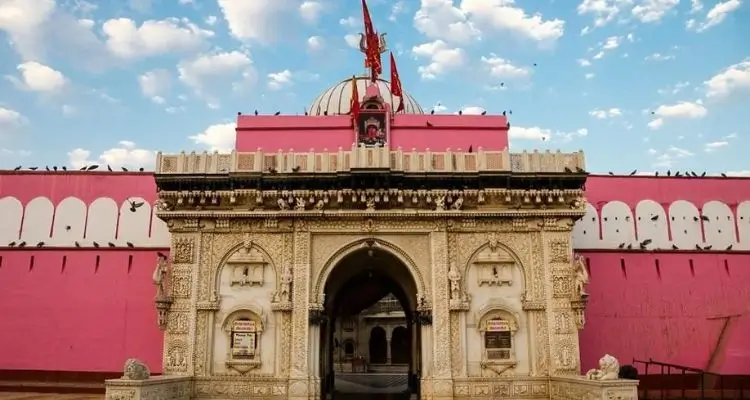
Located in the small town of Deshnok, around 30 km south of Bikaner in Rajasthan, Karni Mata Temple is one of India's most unusual and fascinating religious sites. While most temples are known for their architecture or ancient idols, this temple has earned worldwide recognition because it is home to more than 20,000 sacred rats, affectionately known as kabas by devotees.
For many foreign tourists, the idea of voluntarily entering a temple filled with rats may seem surprising or even intimidating. However, for devotees of Karni Mata, these animals are considered sacred and are believed to be the reincarnated souls of her followers. They are protected, cared for, and treated with great respect.
Despite its unusual reputation, the temple attracts thousands of pilgrims and curious travelers every day. Visitors come not only to witness this unique tradition but also to admire the temple's beautiful marble architecture, intricate silver doors, and rich history dating back several centuries.
If you're planning a visit, you may have questions such as:
This guide answers all these questions while helping you prepare for one of Rajasthan's most unforgettable cultural experiences.
Karni Mata Temple is dedicated to Karni Mata, a revered Hindu saint believed by many devotees to be an incarnation of Goddess Durga.
According to local tradition, Karni Mata performed many miracles during her lifetime and became deeply respected throughout Rajasthan. The present temple was built by the rulers of Bikaner and later enhanced with magnificent marble carvings and beautifully crafted silver entrance doors.
Although the temple itself is architecturally impressive, its worldwide fame comes from the thousands of sacred rats that freely roam the courtyards, shrines, and temple floors.
Unlike ordinary rats found elsewhere, these animals are carefully protected, well-fed, and regarded as members of the temple community.
The temple is popularly known as the Rat Temple because of the thousands of sacred rats living within its premises.
According to legend, Karni Mata's stepson died unexpectedly. She requested Yama, the Hindu god of death, to restore his life. When this was not possible, it is believed that Karni Mata declared that her family and followers would never enter the realm of death. Instead, they would first be reborn as sacred rats before taking human birth again.
Because of this belief, devotees treat the rats with great kindness and consider harming one to be a serious religious offence.
The rats move freely throughout the temple, eating food offered by worshippers and drinking milk placed in large bowls.
For many visitors, witnessing this centuries-old tradition is unlike anything they have experienced elsewhere in the world.
The temple is open every day of the week.
Opening Hours
Timings may change slightly during festivals and special religious occasions.
Because the temple remains active throughout the day, visitors can usually plan their visit according to their sightseeing schedule in Bikaner.
Many devotees visit specifically to attend the daily aarti ceremonies.
Approximate Daily Aarti Schedule
| Aarti | Time |
| Mangla Aarti | 5:00 AM |
| Evening Aarti | 7:00 PM |
The exact timing may vary slightly depending on the season and religious calendar.
The evening aarti is particularly popular because the temple becomes beautifully illuminated and devotional chants create a unique spiritual atmosphere.
Discover the fascinating legacy of Karni Mata Temple with a personalized journey that blends spirituality, history, and local traditions.
Early Morning
Best Overall Time
Morning offers:
Many of the rats are particularly active during the cooler morning hours.
Evening
The temple becomes lively again before the evening aarti.
Visitors can experience devotional singing, temple rituals, and the beautiful lighting around the marble courtyard.
The most comfortable months are:
October to March
During winter, Rajasthan's pleasant temperatures make walking barefoot inside the temple much more comfortable than during the hot summer months.
The first thing most visitors notice after entering Karni Mata Temple is the large number of rats moving freely across the marble floors, railings, courtyards, and temple walls. While this may seem unusual at first, the atmosphere inside the temple is surprisingly calm and orderly.
The rats are accustomed to human presence and generally pay little attention to visitors. Many can be seen eating grains offered by devotees, drinking milk from large bowls, or resting in shaded corners of the temple.
Unlike wild city rats, the temple's sacred rats are carefully protected and regularly fed by temple staff and devotees.
For most foreign tourists, any initial hesitation quickly turns into fascination as they observe this centuries-old religious tradition.
This is one of the most frequently asked questions by visitors.
The answer is generally no.
The rats at Karni Mata Temple have lived in a protected environment for generations and are accustomed to people walking around them.
They are not aggressive and usually avoid direct contact with visitors.
However, because they move freely throughout the temple, you should:
The temple management maintains cleanliness as much as possible, but visitors who have health concerns or weakened immune systems may wish to consult their doctor before visiting.
Among the thousands of black rats, a handful of white rats live inside the temple.
According to local belief, these white rats are especially sacred and are believed to represent Karni Mata and her family members.
Spotting one during your visit is considered extremely lucky.
Many devotees patiently wait in the temple hoping to catch a glimpse of a white rat, believing it brings blessings, prosperity, and good fortune.
Because there are only a few white rats, seeing one is considered a memorable experience.
Karni Mata Temple is first and foremost a place of worship.
Visitors should follow basic etiquette to respect local traditions.
Remove Your Shoes
All visitors must remove their footwear before entering the temple complex.
Because the rats move freely throughout the temple, everyone walks barefoot.
During summer afternoons, the marble floor can become very hot, making morning and evening visits much more comfortable.
Always watch your step.
Accidentally stepping on a rat is considered highly inauspicious.
According to local custom, if someone accidentally kills a rat, they are expected to donate a silver or gold rat statue to the temple as an offering.
Avoid:
Allow the animals to move naturally around the temple.
Speak quietly while inside.
Avoid loud conversations, shouting, or disruptive behaviour, especially near the main shrine where devotees are praying.
Explore the famous Karni Mata Temple with knowledgeable local guides who share the stories, beliefs, and traditions that have made this remarkable destination a symbol of faith.
There is no strict dress code, but visitors should wear modest clothing suitable for a religious place.
For Women
Recommended clothing includes:
Avoid:
Suitable clothing includes:
Avoid:
Comfortable cotton clothing is ideal, especially during Rajasthan's hot summers.
Yes.
Photography is generally permitted inside most areas of Karni Mata Temple.
The beautifully carved marble entrance, silver doors, temple architecture, and the sacred rats make fascinating photography subjects.
However:
Entry to Karni Mata Temple is free.
Visitors do not need to purchase an admission ticket.
However, donations are welcomed and can be made voluntarily if you wish to support the temple.
The temple is located in Deshnok, approximately 30 km from Bikaner.
The easiest way to reach the temple is by taxi or private car.
Travel time from Bikaner is usually 30 to 40 minutes.
Local buses also operate regularly between Bikaner and Deshnok.
Deshnok has its own railway station, Deshnok Railway Station, located a short distance from the temple.
Several passenger and regional trains connect Deshnok with Bikaner and nearby cities.
Auto-rickshaws are available outside the station for the short journey to the temple.
The nearest major airport is Maharaja Ganga Singh Airport, Bikaner.
From the airport, visitors can hire a taxi to reach the temple in around 45–60 minutes.
These simple tips will help you enjoy your visit.
After visiting Karni Mata Temple, you can also explore several nearby attractions.
Together, these attractions make an excellent day trip from Bikaner.
Find the answers to all of our most frequently asked questions
According to local belief, the rats are the reincarnated souls of Karni Mata's followers and are therefore considered sacred and protected.
It is estimated that more than 20,000 sacred rats live within the temple complex.
No. The rats are generally calm, accustomed to people, and rarely show aggressive behaviour. Visitors should simply walk carefully and avoid disturbing them.
Seeing one of the rare white rats is considered highly auspicious and is believed to bring good luck and blessings.
No. Entry to Karni Mata Temple is free for all visitors.
The temple is generally open from around 4:00 AM to 10:00 PM in summer and 5:00 AM to 9:00 PM in winter.
Yes. Photography is generally permitted in most areas, provided visitors remain respectful and follow any instructions from temple staff.
Visitors should wear modest clothing appropriate for a religious site. Comfortable clothes and footwear that can be easily removed are recommended.
Yes. Like most Hindu temples, all visitors must remove their shoes before entering the temple.
Absolutely. Whether you're interested in religion, history, architecture, or unique cultural experiences, Karni Mata Temple is one of Rajasthan's most extraordinary attractions and offers an experience unlike any other temple in India.