Your Travel Partner
SINCE 1989
Your Travel Partner
SINCE 1989
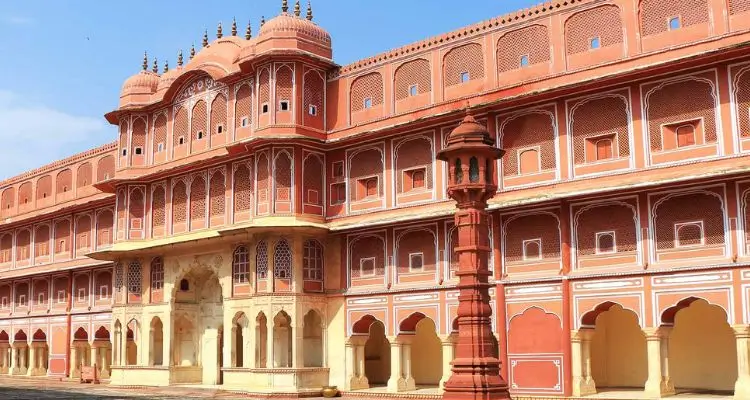
Known as the Pink City, Jaipur is famous for its magnificent forts, royal palaces, colourful bazaars, and vibrant culture. However, beyond its architectural wonders, Jaipur is also home to some of Rajasthan's most beautiful and spiritually significant temples. These temples are not only places of worship but also showcase centuries of history, remarkable craftsmanship, and deep-rooted traditions that continue to attract thousands of devotees and tourists every day.
From the hilltop Galta Ji Temple, surrounded by natural springs and monkeys, to the magnificent Birla Mandir, which glows beautifully under the evening lights, Jaipur offers a diverse range of religious experiences. Whether you're seeking spiritual peace, stunning architecture, panoramic city views, or simply a deeper understanding of Rajasthan's cultural heritage, the city's temples provide something for every visitor.
Many international tourists only visit Jaipur's famous forts like Amber Fort or Nahargarh Fort, overlooking the incredible temples scattered throughout the city. In reality, several of Jaipur's temples are among the most photographed religious sites in North India and deserve a place on every itinerary.
This guide introduces the most famous temples in Jaipur, including their history, opening hours, aarti timings, dress code, how to reach them, and practical tips to help you plan a respectful and memorable visit.
Jaipur's temples are far more than religious monuments. Each one tells a different story about Rajasthan's royal history, architectural styles, and spiritual traditions.
Some temples are located inside centuries-old forts, while others sit peacefully among the Aravalli Hills. Some are famous for spectacular marble carvings, while others are known for monkeys, sacred water tanks, or grand festivals that attract thousands of pilgrims.
Visiting these temples allows travelers to experience a side of Jaipur that goes beyond palaces and markets.
Reasons to include temples in your Jaipur itinerary include:
Most temples also have free entry, making them excellent attractions for travelers of every budget.
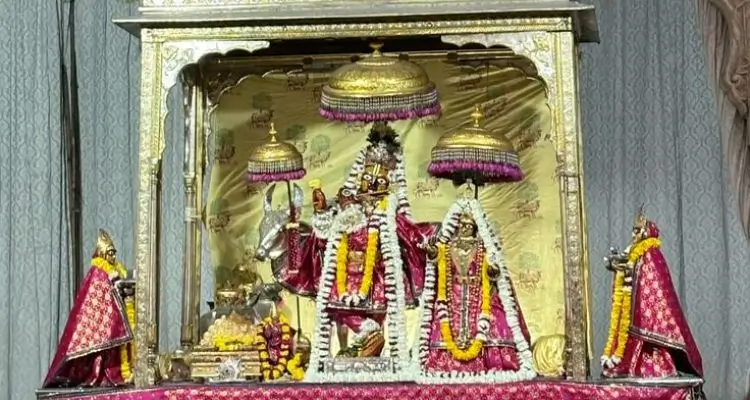
The Govind Dev Ji Temple is undoubtedly Jaipur's most famous and most visited Hindu temple. Dedicated to Lord Krishna, it is located within the City Palace complex and receives thousands of devotees every day.
According to tradition, the idol of Lord Krishna installed here is believed to closely resemble the deity's original appearance. The idol was originally worshipped in Vrindavan before being brought to Jaipur by Maharaja Sawai Jai Singh II to protect it during the Mughal period.
Unlike many temples where visitors can only briefly view the deity, Govind Dev Ji follows a unique 'Jhanki Darshan' system. Throughout the day, the curtains open several times, allowing devotees to witness beautifully decorated glimpses of Lord Krishna during different rituals.
The atmosphere becomes especially vibrant during Janmashtami, when thousands gather to celebrate the birth of Lord Krishna with devotional singing, dancing, and elaborate decorations.
Timings
Major Aartis
Best Time to Visit
Early morning or evening aarti.
Entry Fee
Free.
Time Required
1–1.5 hours.
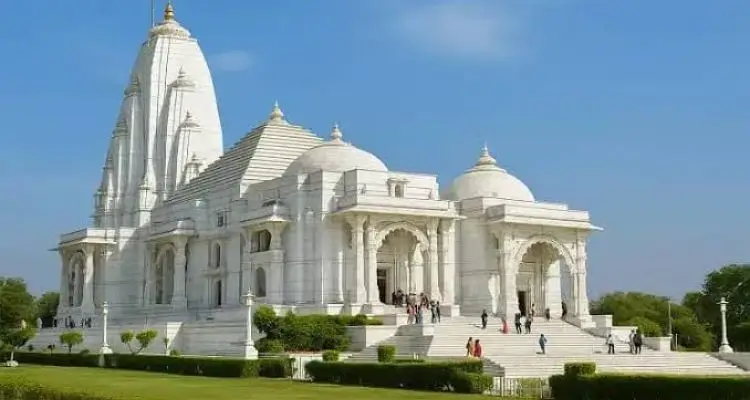
One of Jaipur's most photographed temples, Birla Mandir is a magnificent white marble temple dedicated to Lord Vishnu (Narayan) and Goddess Lakshmi.
Constructed by the Birla family in 1988, the temple combines traditional Hindu architecture with modern design elements. Unlike ancient temples built from sandstone, Birla Mandir is made entirely of gleaming white marble that appears especially beautiful at sunset and after dark when illuminated.
The walls feature carvings depicting Hindu mythology as well as notable historical figures such as Buddha, Socrates, Christ, and Confucius, symbolising religious harmony.
The peaceful gardens surrounding the temple provide an ideal place to relax after sightseeing.
Timings
Evening Aarti
Around sunset.
Best Time
Late afternoon through evening for photography and illuminated views.
Entry Fee
Free.
Time Required
45–60 minutes.
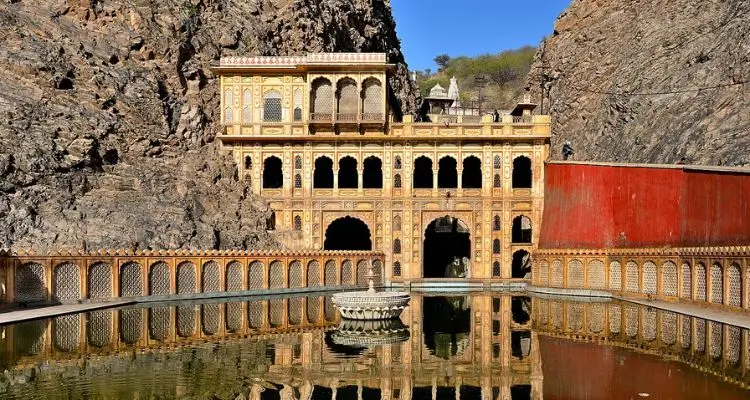
Located between the hills on the eastern outskirts of Jaipur, Galta Ji Temple is one of Rajasthan's most unique pilgrimage sites.
Often called the Monkey Temple, the complex is home to hundreds of monkeys that roam freely around ancient temples, pavilions, and sacred water tanks.
The temple complex dates back several centuries and is dedicated primarily to Saint Galav, who is believed to have meditated here for many years.
One of the most remarkable features is the natural spring that continuously feeds several sacred kunds (water tanks). Devotees believe the water possesses spiritual significance, and many pilgrims take ritual baths here during religious festivals.
Besides its religious importance, Galta Ji offers spectacular views of the surrounding Aravalli Hills, making it a favourite destination for photographers and nature lovers.
Timings
Approximately 5:00 AM to 9:00 PM
Best Time
Early morning before the crowds and summer heat.
Entry Fee
Temple entry is free, although there may be a camera fee in certain sections.
Time Required
1.5–2 hours.
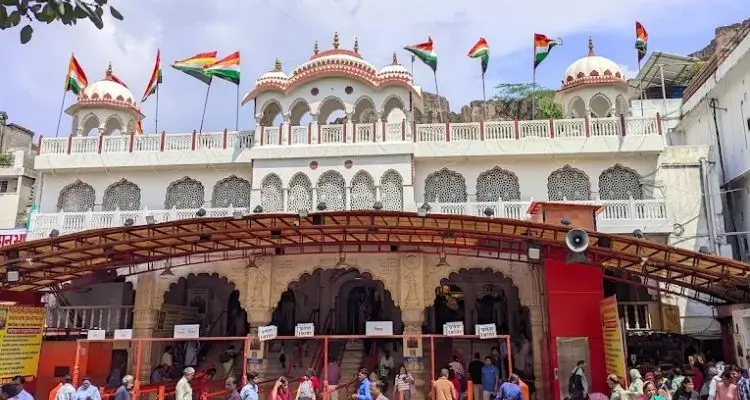
One of the most beloved temples in Jaipur, Moti Dungri Ganesh Temple is dedicated to Lord Ganesha, the Hindu deity associated with wisdom, prosperity, and the removal of obstacles. The temple sits at the base of Moti Dungri Hill, beneath the small Moti Dungri Palace, making it one of the city's most recognizable religious landmarks.
The temple was built in the 18th century, and the idol of Lord Ganesha is believed to be more than 500 years old. According to local tradition, the idol was brought from Gujarat and later installed in Jaipur by the royal family.
Every Wednesday, considered an especially auspicious day for Lord Ganesha, thousands of devotees gather here to offer flowers, sweets, and prayers. During Ganesh Chaturthi, the temple is beautifully decorated with lights and flowers, attracting enormous crowds from across Rajasthan.
The atmosphere during the evening aarti is particularly vibrant, with devotional songs, ringing bells, and the fragrance of incense filling the temple complex.
Timings
Best Time to Visit
Early morning for peaceful darshan or Wednesday evening if you wish to experience the temple's lively devotional atmosphere.
Entry Fee
Free
Time Required
45 minutes to 1 hour
Experience the spiritual side of the Pink City with a personalized temple tour featuring Jaipur's most revered shrines.
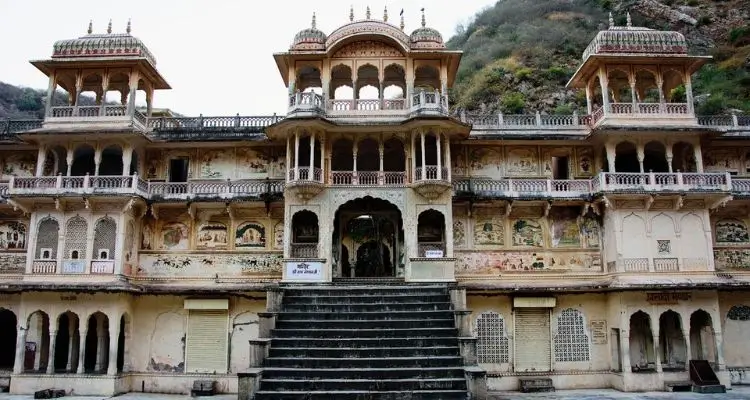
Located amidst the scenic Aravalli Hills, Khole Ke Hanuman Ji Temple is one of Jaipur's most peaceful and spiritually uplifting temples. Dedicated to Lord Hanuman, the temple is famous for its massive reclining idol and tranquil natural surroundings.
Unlike many city temples, Khole Ke Hanuman Ji offers visitors a quieter atmosphere away from Jaipur's busy streets. The drive through the hills itself is enjoyable, and the temple provides excellent panoramic views of the surrounding landscape.
Thousands of devotees visit every Tuesday and Saturday, days traditionally associated with Lord Hanuman. Hanuman Jayanti celebrations also attract large crowds and feature special prayers, devotional singing, and religious processions.
Visitors often spend time sitting quietly in the temple courtyard after offering prayers, making it an ideal destination for those seeking a more peaceful spiritual experience.
Timings
Approximately 5:00 AM to 9:00 PM
Best Time to Visit
Morning or just before sunset when temperatures are pleasant and the surrounding hills look particularly beautiful.
Entry Fee
Free
Time Required
1–1.5 hours
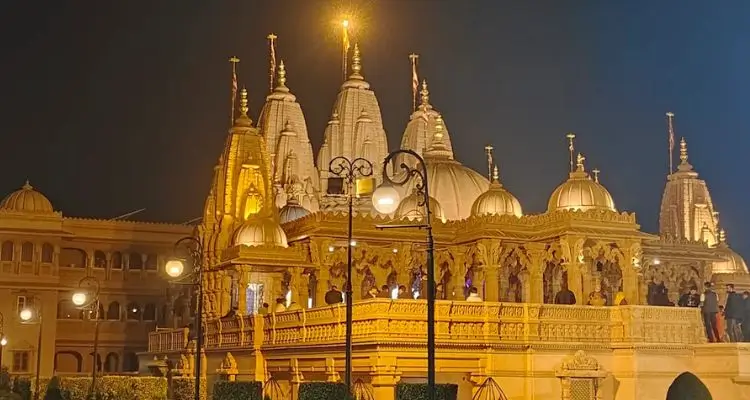
Although smaller than the famous Akshardham Temple in Delhi, Jaipur's Akshardham Temple is an important spiritual centre dedicated to Lord Narayan.
The temple is known for its beautifully maintained gardens, peaceful atmosphere, detailed stone carvings, and regular devotional programmes.
Visitors come here not only for worship but also for meditation and quiet reflection. Unlike the busy temples in the city centre, Akshardham provides a calm environment suitable for families and senior travellers.
Daily aarti ceremonies create a deeply spiritual atmosphere, especially in the evening when the temple is illuminated.
Timings
Best Time
Evening aarti
Entry Fee
Free
Time Required
1 hour
.webp)
Situated within the magnificent Amber Fort, Shila Devi Temple is one of Rajasthan's most historically significant temples.
Dedicated to Goddess Kali (Shila Devi), the temple was established by Maharaja Man Singh I after returning from Bengal in the 16th century. According to legend, the sacred idol was carved from a stone slab discovered in the sea, giving the goddess her name, "Shila" (stone).
For centuries, Jaipur's royal family worshipped here before embarking on important military campaigns and royal ceremonies.
Even today, many visitors combine their tour of Amber Fort with a visit to Shila Devi Temple, making it one of the most accessible religious sites in Jaipur.
During Navratri, the temple becomes one of the busiest places of worship in the city, attracting thousands of devotees.
Timings
Approximately 6:00 AM to 12:00 PM
4:00 PM to 8:00 PM
Entry Fee
Included with Amber Fort access (no separate temple ticket).
Time Required
30–45 minutes
Immerse yourself in the devotion, artistry, and timeless traditions of Jaipur through a tailor-made temple experience. With private transportation, expert local guidance.
Most temples in Jaipur do not enforce a strict dress code, but visitors are expected to wear modest clothing appropriate for religious sites.
Women
Suitable clothing includes:
Avoid:
Recommended clothing:
Avoid wearing very short shorts or clothing displaying offensive messages.
Respecting local customs helps create a meaningful experience for everyone.
While visiting Jaipur's temples:
If you have one full day dedicated to Jaipur's temples, this itinerary works well:
Morning
Afternoon
Evening
This route minimises travel time while allowing you to experience Jaipur's most important religious landmarks.
To make your temple visits comfortable and respectful:
Find the answers to all of our most frequently asked questions
Govind Dev Ji Temple is widely regarded as Jaipur's most famous temple due to its historical importance, daily darshan ceremonies, and strong connection with the royal family.
Galta Ji Temple is popularly known as the Monkey Temple because hundreds of monkeys live around its ancient temple complex.
Most major temples in Jaipur, including Govind Dev Ji, Birla Mandir, Moti Dungri, Galta Ji, and Khole Ke Hanuman Ji, have free entry.
Visitors should wear modest clothing that covers the shoulders and knees. Shoes must be removed before entering the temple.
Birla Mandir is particularly beautiful in the evening when its white marble structure is illuminated, while Govind Dev Ji Temple is famous for its evening aarti.
Yes. All of these temples welcome visitors regardless of nationality, provided they follow the temple's dress code and etiquette.
Shila Devi Temple is situated within the Amber Fort complex and is one of Rajasthan's most important royal temples.
Birla Mandir, Galta Ji Temple, and Khole Ke Hanuman Ji Temple offer excellent photography opportunities thanks to their architecture and scenic surroundings.
Most travelers can comfortably visit 4 to 6 temples in one day, depending on traffic and the amount of time spent at each location.
The months from October to March are considered the best time due to pleasant weather, making temple visits and sightseeing much more comfortable.