Your Travel Partner
SINCE 1989
Your Travel Partner
SINCE 1989
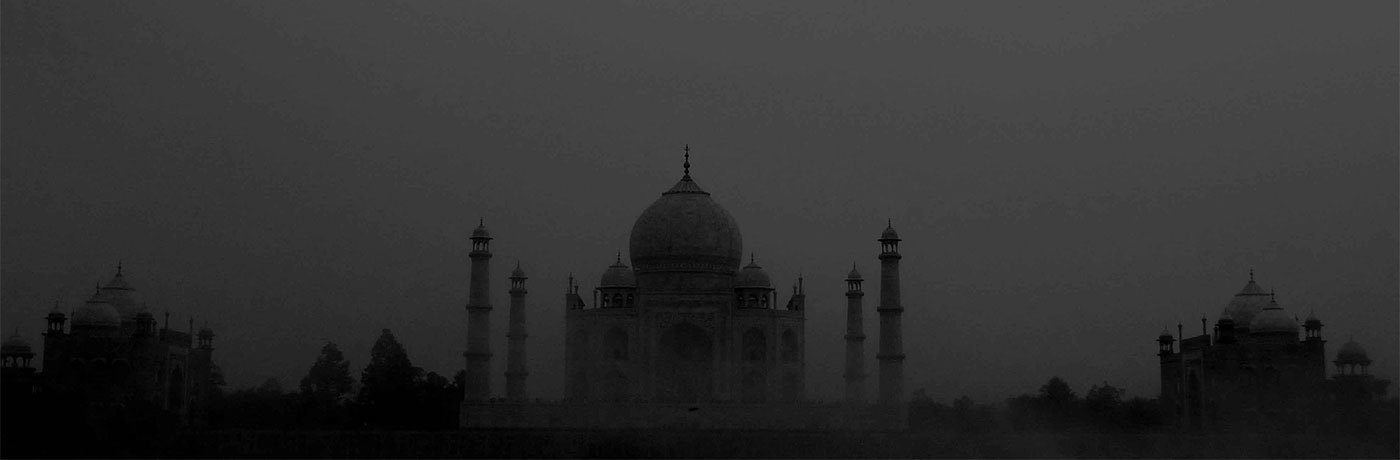
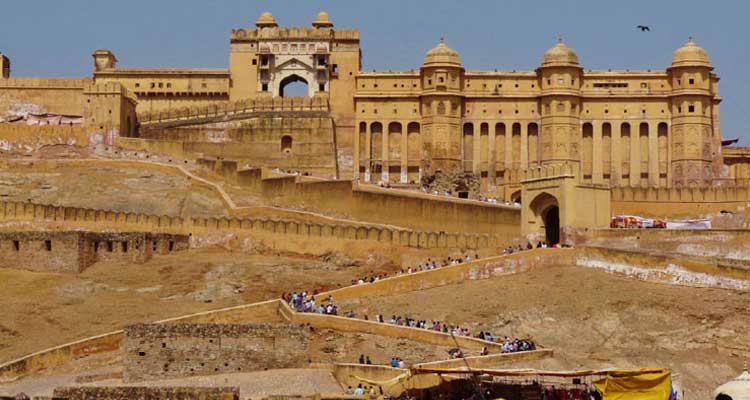
Rajasthan’s historical places are not simply old monuments preserved behind gates. Many remain closely connected to functioning cities, religious traditions, royal families, markets, festivals, and communities that have lived around them for generations.
From the defensive walls of Chittorgarh Fort to the astronomical instruments of Jantar Mantar and the painted chambers of Bundi Palace, every site reveals a different part of Rajasthan’s past. Some represent Rajput military strength, while others reflect Mughal influence, desert trade, royal lifestyles, water engineering, astronomy, and sacred architecture.
For travelers planning a Rajasthan heritage tour, the biggest challenge is not finding historical attractions. It is deciding which monuments fit naturally into the route and how much time each one deserves.
This guide covers 15 of the best historical places in Rajasthan, including their importance, major highlights, recommended visiting time, ideal season, and practical itinerary connections.
| Historical Place | Destination | Known For | UNESCO Status | Time Required |
|---|---|---|---|---|
| Amber Fort | Jaipur | Rajput-Mughal architecture | Part of Hill Forts of Rajasthan | 2–3 hours |
| City Palace | Jaipur | Royal courtyards and museums | Within Jaipur’s historic urban area | 2 hours |
| Jantar Mantar | Jaipur | Astronomical instruments | UNESCO World Heritage Site | 1–1.5 hours |
| Chittorgarh Fort | Chittorgarh | Rajput history and vast fort complex | Part of Hill Forts of Rajasthan | 3–5 hours |
| Kumbhalgarh Fort | Rajsamand | Defensive walls and mountain setting | Part of Hill Forts of Rajasthan | 2–3 hours |
| Mehrangarh Fort | Jodhpur | Museum, ramparts and city views | No | 2–3 hours |
| Jaisalmer Fort | Jaisalmer | Living desert fort | Part of Hill Forts of Rajasthan | 2–3 hours |
| City Palace | Udaipur | Lake views and Mewar history | No | 2–3 hours |
| Junagarh Fort | Bikaner | Palaces and decorative interiors | No | 2–3 hours |
| Ranthambore Fort | Sawai Madhopur | Fort inside a national park | Part of Hill Forts of Rajasthan | 2–3 hours |
| Bundi Palace and Taragarh Fort | Bundi | Murals and hilltop ruins | No | 3–4 hours |
| Gagron Fort | Jhalawar | Hill-and-water fortification | Part of Hill Forts of Rajasthan | 2 hours |
| Hawa Mahal | Jaipur | Honeycomb facade and screened windows | Within Jaipur’s historic urban area | 45–60 minutes |
| Chand Baori | Abhaneri | Monumental stepwell architecture | No | 1 hour |
| Dilwara Jain Temples | Mount Abu | Marble carving and sacred architecture | No | 1–2 hours |
Rajasthan Tourism identifies Chittorgarh, Amber, Mehrangarh, Gagron, and numerous other forts as important examples of the state’s architectural heritage. Travelers can explore the official overview through Rajasthan Tourism’s guide to forts.
The historical sites in this guide were selected using the following factors:
The list includes both famous landmarks and sites that help travelers understand Rajasthan beyond its most popular cities.
Rajasthan contains several UNESCO-recognized cultural and natural properties. For history-focused travelers, the most relevant are:
The serial UNESCO property called the Hill Forts of Rajasthan comprises six forts:
These forts were not selected merely because they are old or visually impressive. Together, they demonstrate different Rajput military, political, architectural, and urban traditions across the varied landscapes of Rajasthan.
Amber Fort, also called Amer Fort or Amber Palace, rises above Maota Lake approximately 11 kilometers from central Jaipur. It is one of the most visited historical places in Rajasthan and an essential stop for travelers visiting Jaipur for the first time.
Construction of the palace complex began under Raja Man Singh I and continued under later rulers. Its architecture combines Rajput planning with Mughal decorative influences.
The approach immediately reveals the fort’s strategic position. Once inside, visitors move through gateways, public courtyards, private royal chambers, gardens, pavilions, and mirrored rooms.
What to see inside Amber Fort
Rajasthan Tourism notes that Amber Palace contains underground tunnels connecting it with Jaigarh Fort. Read more on the official Amber Palace page.
Best time to visit
Arrive close to opening time to avoid intense afternoon heat and large tour groups. October through March offers the most comfortable weather.
Time required
Allow two to three hours for the fort. Add more time if you also plan to visit Jaigarh Fort and Nahargarh Fort.
Responsible travel note
Use a jeep, private vehicle, or walking path to reach the main entrance. Travelers concerned about animal welfare should avoid elephant rides.
Located in Jaipur’s historic center, the City Palace remains one of the best places to understand the city’s royal history. The complex was developed under Maharaja Sawai Jai Singh II and expanded by successive rulers.
Rather than functioning as a single building, it consists of courtyards, gateways, museums, audience halls, residences, and ceremonial spaces.
Major highlights
One of the palace’s strengths is the quality of its preserved collections. Visitors can see how royal life extended beyond architecture into clothing, weapons, ceremonies, art, and court traditions.
Best time to visit
Visit in the morning or late afternoon. It can be combined with Jantar Mantar and Hawa Mahal because all three attractions are situated close together.
Time required
Allow approximately two hours. Premium-access sections or guided tours may require additional time and separate tickets.
Jantar Mantar is one of Rajasthan’s most intellectually significant historical sites. Constructed in the early 18th century under Sawai Jai Singh II, it contains large-scale astronomical instruments designed to observe celestial positions and measure time.
The site is a UNESCO World Heritage Site and provides an important reminder that Rajasthan’s royal history also included mathematics, astronomy, scientific observation, and urban planning.
What makes Jantar Mantar important?
Its instruments were designed for functions such as:
Without an explanation, the structures can appear abstract. A knowledgeable guide significantly improves the visit by demonstrating how shadows, angles, and alignments were used.
Best time to visit
Visit when the sun is visible because several instruments depend on shadows. Morning and late afternoon provide more comfortable conditions, although midday can make the shadow-based principles easier to observe.
Time required
Allow one to one and a half hours.
Chittorgarh Fort is among the most historically powerful places in Rajasthan. Spread across a large hilltop plateau, the complex includes palaces, gateways, towers, reservoirs, temples, and ruins connected to the former kingdom of Mewar.
The fort is associated with Rajput resistance, political conflict, royal traditions, and stories of sacrifice. However, visitors should distinguish documented history from later folklore and popular retellings.
Major attractions inside the fort
Because of its size, Chittorgarh should not be treated as a short roadside photo stop.
Best way to explore
Hire a knowledgeable local guide and use a vehicle between major sections. Walking the entire complex in hot weather can be exhausting.
Best time to visit
October through March is most comfortable. Begin early if visiting between April and September.
Time required
Allow at least three to five hours.
Itinerary fit
Chittorgarh can be visited between Udaipur and Jaipur, Bundi, or Kota. Travelers with a strong interest in history may prefer an overnight stay instead of a rushed transit visit.
Surrounded by the Aravalli Hills, Kumbhalgarh Fort is known for its defensive walls, elevated setting, temples, and association with Maharana Pratap.
Built under Rana Kumbha in the 15th century, the fort controlled an important part of the Mewar region. Its remote mountain location creates a very different experience from the urban forts of Jaipur, Jodhpur, and Bikaner.
What to see
The walls extend across the surrounding hills, although popular claims comparing their precise length or scale with the Great Wall of China should be treated cautiously unless supported by a reliable source.
Best time to visit
October through March offers pleasant weather. The monsoon can make the surrounding hills attractive, but rain and low visibility may affect the visit.
Time required
Allow two to three hours.
Itinerary fit
Kumbhalgarh fits naturally between Jodhpur and Udaipur. It can also be paired with the Jain temples at Ranakpur.
Mehrangarh Fort dominates Jodhpur from a rocky hill above the Blue City. Founded by Rao Jodha in the 15th century and expanded over later periods, it is one of India’s most impressive fort complexes.
The fort combines strong defensive architecture with richly decorated royal apartments. Its museum displays weapons, palanquins, paintings, textiles, furniture, and objects associated with Marwar’s rulers.
Major highlights
The audio guide or a qualified guide is highly recommended. It helps explain how different palace rooms were used and how the fort changed under successive rulers.
Best time to visit
Arrive in the morning, especially during warmer months. Late afternoon offers beautiful views of the blue-painted neighborhoods below.
Time required
Allow two to three hours.
Nearby historical attractions
Combine the fort with:
Jaisalmer Fort rises above the Thar Desert in golden sandstone. Founded in the 12th century by Rawal Jaisal, it is one of the world’s best-known living forts, with homes, temples, shops, guesthouses, and businesses operating within its walls.
The fort’s continuing urban life makes it different from sites preserved primarily as museums.
What to see
Responsible accommodation advice
The fort faces pressure from water use, drainage, construction, and tourism. Travelers can reduce their impact by staying outside the fort and visiting during the day. If staying within it, choose a property with responsible water and waste-management practices.
Best time to visit
October through March is the most comfortable period. Arrive early to experience the lanes before day-trip crowds increase.
Time required
Allow two to three hours, excluding shopping or extended temple visits.
Nearby historical attractions
Udaipur City Palace occupies a prominent position above Lake Pichola. Developed over several centuries by rulers of Mewar, the complex reflects successive additions rather than one uniform architectural phase.
The palace includes courtyards, balconies, galleries, narrow corridors, royal apartments, decorative rooms, and viewpoints over the lake.
Major attractions
The palace can become congested because many routes pass through narrow spaces. Visiting early provides a more comfortable experience.
Best time to visit
October through March is ideal. During summer, begin in the morning before the temperature rises.
Time required
Allow two to three hours.
Suggested combination
Visit City Palace in the morning, walk through the old city, and take a Lake Pichola boat ride near sunset.
Junagarh Fort is unusual among Rajasthan’s major forts because it was constructed on relatively level ground instead of a steep hill.
The fort was originally developed under Raja Rai Singh and expanded by later rulers. Its interiors reflect changing artistic influences across several centuries.
Major highlights
Junagarh is particularly rewarding for visitors interested in palace interiors. Its rooms often feel more intimate and detailed than the vast outer defenses of Rajasthan’s hill forts.
Best time to visit
Visit in the morning or late afternoon. January travelers can combine the fort with the Bikaner Camel Festival, subject to that year’s official dates.
Time required
Allow two to three hours.
Nearby historical attractions
Ranthambore Fort stands within Ranthambore National Park above the surrounding forests and lakes. Its strategic location made it an important stronghold over different historical periods.
Today, the fort visit adds cultural depth to a destination better known for wildlife safaris.
What to see
The Ganesh temple remains an active pilgrimage site. Visitors should expect worshippers, particularly on religiously significant days.
Best time to visit
October through March provides the most comfortable conditions for climbing and exploring. Carry water and wear shoes suitable for steps and uneven ground.
Time required
Allow two to three hours.
Itinerary fit
Combine the fort with a Ranthambore wildlife stay rather than visiting it as an isolated detour.
Bundi is one of Rajasthan’s most atmospheric historical towns. It is known for stepwells, narrow streets, palace murals, blue houses, and a dramatic fort-palace complex beneath the Aravalli Hills.
Bundi Palace is especially recognized for its painted interiors. Above it, Taragarh Fort offers ruined defensive structures and wide views over the town.
Major highlights
Rajasthan Tourism describes Bundi as a city known for ornate forts, palaces, and stepwell reservoirs. See the official Bundi destination guide.
Best time to visit
October through March is ideal. The route to Taragarh can be steep and uneven, so supportive footwear is important.
Time required
Allow three to four hours for the palace and fort. A full day is better if adding the stepwells and old town.
Itinerary fit
Bundi works well between Jaipur and Udaipur or as an extension from Kota.
Gagron Fort is one of the least visited components of the UNESCO-listed Hill Forts of Rajasthan. Its setting makes it especially distinctive: rivers surround it on three sides, while a hill provides natural protection on the fourth.
This combination gives Gagron the character of both a hill fort and a water fort.
Why visit Gagron?
Rajasthan Tourism describes Gagron as an example of a hill-and-water fort surrounded by the Ahu, Kali Sindh, and related river landscape. Consult the official Rajasthan forts guide before planning your visit.
Best time to visit
October through March provides the most comfortable weather. The monsoon changes the surrounding river landscape but may affect road conditions.
Time required
Allow approximately two hours.
Itinerary fit
Gagron is most practical on a route involving Kota, Bundi, or Jhalawar. It is not a convenient day trip from Jaipur for most travelers.
Hawa Mahal is one of Rajasthan’s most recognizable architectural landmarks. Constructed under Sawai Pratap Singh in the late 18th century, its street-facing facade contains rows of screened openings and projecting windows.
These openings allowed royal women to observe processions and street activity while remaining screened from public view, in keeping with court customs of the period.
What many visitors miss
Most travelers photograph Hawa Mahal from the street and leave. However, entering the structure reveals:
Best time to visit
The facade receives attractive morning light. Photograph it from the opposite side of the road before entering.
Time required
Allow 45–60 minutes.
Suggested combination
Visit Hawa Mahal, City Palace, and Jantar Mantar together during one half-day old Jaipur itinerary.
Chand Baori is a monumental stepwell in Abhaneri, between Jaipur and Agra. Its thousands of symmetrically arranged steps descend toward a deep water reservoir, creating one of Rajasthan’s most distinctive architectural views.
Stepwells were practical water-management structures, but they could also serve social, ceremonial, and religious purposes.
What to see
Visitors may not be permitted to descend the steps because of safety and conservation restrictions.
Best time to visit
October through March is most comfortable. Morning and late-afternoon light produce stronger shadows across the geometric steps.
Time required
Approximately one hour.
Itinerary fit
Chand Baori is best visited while traveling between Jaipur and Agra. It should not generally require a separate overnight stay.
The Dilwara Jain Temples are among Rajasthan’s finest examples of sacred marble architecture. Constructed over different periods, the temple complex is known for intricately carved ceilings, pillars, doorways, domes, and sculptural details.
The temples remain active places of worship. Their religious importance should take priority over sightseeing and photography.
Major temples in the complex
Visitor etiquette
Best time to visit
Mount Abu can be visited throughout much of the year, although October through March is pleasant for wider sightseeing.
Time required
Allow one to two hours, subject to visitor access and religious activities.
Travelers with additional time should also consider:
Jaigarh Fort, Jaipur
Known for its military architecture, fortifications, reservoirs, and commanding position above Amber Fort.
Nahargarh Fort, Jaipur
A popular viewpoint over Jaipur with palace sections and strong sunset appeal.
Patwon Ki Haveli, Jaisalmer
A group of merchant mansions with intricate sandstone carving and insight into Jaisalmer’s trading prosperity.
Jaswant Thada, Jodhpur
A white marble cenotaph complex near Mehrangarh Fort, set beside a small lake and landscaped grounds.
Ranakpur Jain Temple
A major Jain pilgrimage and architectural site known for its marble pillars and sculptural detail.
Bhangarh Fort, Alwar District
A ruined fortified settlement surrounded by popular legends. Visit during official daylight hours and focus on its archaeological and architectural features rather than unsupported paranormal claims.
Mandawa Havelis
The towns of the Shekhawati region contain painted merchant mansions that reveal Rajasthan’s commercial and artistic history.
Neemrana Baori
A deep, multi-level stepwell near Neemrana. Rajasthan Tourism describes it as a nine-level structure with a fortress-like appearance in its official Alwar travel guide.
|
Traveler interest |
Recommended sites |
|
First visit to Rajasthan |
Amber Fort, Jantar Mantar, Mehrangarh Fort, Udaipur City Palace |
|
UNESCO heritage |
Amber, Chittorgarh, Kumbhalgarh, Jaisalmer, Ranthambore, Gagron |
|
Architecture |
Amber Fort, Dilwara Temples, City Palace Udaipur, Chand Baori |
|
Military history |
Chittorgarh, Kumbhalgarh, Mehrangarh, Jaigarh |
|
Royal palaces |
Jaipur City Palace, Udaipur City Palace, Junagarh Fort |
|
Photography |
Jaisalmer Fort, Hawa Mahal, Mehrangarh, Bundi |
|
Less-crowded heritage |
Gagron, Bundi, Mandawa, Neemrana Baori |
|
Family travel |
Amber Fort, City Palace Jaipur, Mehrangarh, Junagarh |
|
Short Rajasthan trip |
Jaipur, Jodhpur, and Udaipur |
|
In-depth heritage journey |
Jaipur, Bundi, Chittorgarh, Udaipur, Jodhpur, Jaisalmer |
Five-Day Heritage Route
Route: Jaipur–Jodhpur
Day 1: Jaipur arrival and old city
Day 2: Amber Fort, City Palace, Jantar Mantar and Hawa Mahal
Day 3: Drive to Jodhpur
Day 4: Mehrangarh Fort, Jaswant Thada and old city
Day 5: Departure
This route is suitable for travelers with limited time.
Eight-Day Forts and Palaces Route
Route: Jaipur–Jodhpur–Udaipur
Days 1–2: Jaipur historical sites
Days 3–4: Jodhpur and Mehrangarh Fort
Day 5: Travel toward Udaipur, optionally visiting Ranakpur
Days 6–7: Udaipur City Palace and surrounding heritage sites
Day 8: Departure
This is one of the most balanced first-time Rajasthan itineraries.
Fourteen-Day Complete Heritage Route
Route: Jaipur–Bikaner–Jaisalmer–Jodhpur–Kumbhalgarh–Udaipur–Chittorgarh
This route covers Rajasthan’s major architectural landscapes, including painted city centers, desert forts, palace museums, mountain strongholds, and Mewar heritage.
Travelers wanting a ready route can review this live 14-day Rajasthan tour itinerary.
Depth RTwenty-One-Day In-oute
Travelers interested in lesser-known history can add:
Travel Plan Raj’s 21-day Rajasthan itinerary includes several of these destinations and can be customized around historical interests.
October through March is generally the best period for a history-focused Rajasthan trip. Days are more comfortable for walking through exposed forts and palace courtyards.
October and November
December and January
February and March
April through June
July through September
Confirm current timings and ticket prices
Opening hours, entry fees, camera charges, and restricted sections can change. Verify information on official monument or tourism websites before traveling.
Start early
Many forts require considerable walking. Early visits offer cooler weather, fewer crowds, and better photography conditions.
Hire qualified guides selectively
A capable guide is especially valuable at:
Confirm the guide’s fee and scope before starting.
Wear appropriate footwear
Fort paths can include steep ramps, steps, polished stone, gravel, and uneven surfaces. Closed walking shoes are preferable.
Do not schedule too many monuments
Two major historical sites in one day are normally enough. Trying to visit four or five forts and palaces often results in rushed, repetitive sightseeing.
Respect active religious sites
Some historic complexes contain functioning temples. Dress respectfully, remove footwear where required, and follow photography rules.
Carry water responsibly
Take sufficient drinking water, particularly at hill forts. Avoid leaving plastic bottles or food packaging behind.
Check accessibility
Historic forts were not designed for modern accessibility. Travelers with limited mobility should confirm:
Rajasthan’s historical places are spread across a large state. A successful heritage itinerary depends on selecting a logical route, allowing enough time at major monuments, and balancing long drives with comfortable stays.
Travel Plan Raj creates private Rajasthan journeys with chauffeur-driven transportation, local guides, heritage accommodation, and itineraries customized around architecture, history, photography, culture, or family travel.
Explore the available luxury Rajasthan tour packages or contact the team to create a private historical tour based on your preferred destinations and travel duration.
Amber Fort, Chittorgarh Fort, Mehrangarh Fort, Jaisalmer Fort, Udaipur City Palace, Jantar Mantar, Kumbhalgarh Fort, and Junagarh Fort are among Rajasthan’s most famous historical attractions.
Amber Fort is an excellent first choice because of its architecture, accessibility, views, and proximity to Jaipur’s City Palace, Hawa Mahal, and Jantar Mantar.
Amber Fort, Chittorgarh Fort, Kumbhalgarh Fort, Jaisalmer Fort, Ranthambore Fort, and Gagron Fort collectively form the UNESCO-listed Hill Forts of Rajasthan.
Chittorgarh is one of Rajasthan’s most extensive fort complexes and requires several hours to explore properly. Comparisons based on exact size vary according to how boundaries are measured.
Seven to eight days are enough for Jaipur, Jodhpur, and Udaipur. Around 12–15 days are better for adding Bikaner, Jaisalmer, Kumbhalgarh, and Chittorgarh.
Hawa Mahal, Jaisalmer Fort, Mehrangarh Fort, Bundi Palace, Chand Baori, Kumbhalgarh, and Udaipur City Palace are particularly photogenic.
October through March generally offers the most comfortable weather. Begin early in the morning even during winter to avoid crowds at popular attractions.
Yes. Amber Fort, Mehrangarh Fort, Junagarh Fort, and the city palaces can be engaging for children when visited with a guide or audio guide. Parents should plan rest breaks and avoid long walks during hot afternoons.
Guides are available at most major monuments. Use licensed guides where possible and confirm the price, language, and tour duration before beginning.
No. Many forts contain steep ramps, narrow passages, steps, and uneven ground. Accessibility differs significantly by monument, so travelers should contact each site or their tour organizer in advance.