Your Travel Partner
SINCE 1989
Your Travel Partner
SINCE 1989
Luxury travel in India is not defined simply by staying in an expensive hotel or travelling in a premium vehicle. A genuinely high-end journey depends on how smoothly dozens of details work together: airport reception, hotel location, room category, chauffeur quality, knowledgeable private guides, restaurant reservations, domestic transport, luggage handling, sightseeing pace and reliable assistance when arrangements change.
That is where experienced luxury tour operators in India become important.
India can support exceptionally high standards of private travel. Guests can sleep in former royal palaces, stay at internationally recognised luxury hotels, use chauffeur-driven premium vehicles, dine in remarkable settings, take privately guided heritage visits and combine cultural cities with wildlife lodges, beach resorts or secluded rural properties. The difficulty is not finding expensive components. It is putting the right components together without making the journey feel rushed, repetitive or unnecessarily complicated.
For international travelers, the difference between an ordinary tour seller and a capable luxury India tour operator becomes particularly noticeable on multi-city journeys. A guest travelling through Delhi, Agra, Jaipur, Jodhpur and Udaipur may use several hotels, multiple local guides and one or more chauffeurs. Add Ranthambore, Varanasi, Mumbai or South India and domestic flights, safari reservations and additional ground teams enter the picture.
A strong luxury operator should make those arrangements feel almost invisible to the guest.
Travel Plan works with private journeys where routing, hotels, transportation and sightseeing can be shaped around the individual traveler rather than a fixed group departure. Before choosing any operator, however, travelers should compare exactly what each company is proposing and what level of service is actually included in the quoted price.
A professional luxury travel company in India should begin with the traveler rather than with a pre-written itinerary. Two couples may both request a 14-night private holiday and require completely different arrangements.
One couple may want historical depth, major monuments, palace hotels and privately guided sightseeing. Another may want late breakfasts, fewer cities, premium suites, spa time and exceptional restaurants. A family may need adjoining rooms, a larger vehicle and flexible sightseeing. Senior travelers may value short driving days, convenient hotel locations and additional assistance more than a long list of attractions.
Luxury begins with getting those decisions right.
Hotel selection is one of the clearest examples. India has an extraordinary range of premium accommodation, including contemporary city hotels, historic palaces, restored havelis, luxury wildlife lodges and secluded resorts. Names such as The Oberoi, Taj Hotels, Aman, RAAS and other high-end hospitality brands appear frequently in premium India journeys, but the right property depends on the route and guest.
The Oberoi Hotels & Resorts operates luxury properties across major Indian destinations, including hotels and resorts associated with Delhi, Agra, Jaipur, Udaipur and wildlife travel. Taj's portfolio includes iconic palace and heritage properties as well as luxury city hotels. Aman operates Amanbagh in Rajasthan and Aman-i-Khás near Ranthambore, both positioned around highly personalised luxury stays. (oberoihotels.com) (tajhotels.com) (aman.com)
Simply inserting famous hotel names into an itinerary is not enough.
A competent operator should consider room category, hotel location and how long the guest will actually be able to enjoy the property. Paying a premium for a beautiful palace resort and then scheduling departure before sunrise followed by an entire day away from the hotel may make little sense. In cities where sightseeing is intensive, location can sometimes matter more than resort-style facilities.
Private transportation is the second foundation. A luxury private tour of India should use a comfortable air-conditioned vehicle appropriate for the passengers and luggage. A Toyota Innova-class vehicle can provide excellent practical comfort for a couple travelling long distances, while travelers wanting a more prestigious experience may request a premium SUV or luxury sedan. Larger families and private groups require vehicles selected around both seating and luggage capacity.
The chauffeur matters more than the badge on the bonnet. India involves long road sectors, busy cities and routes where local driving experience is essential. A polished vehicle cannot compensate for poor driving, repeated lateness or weak operational support.
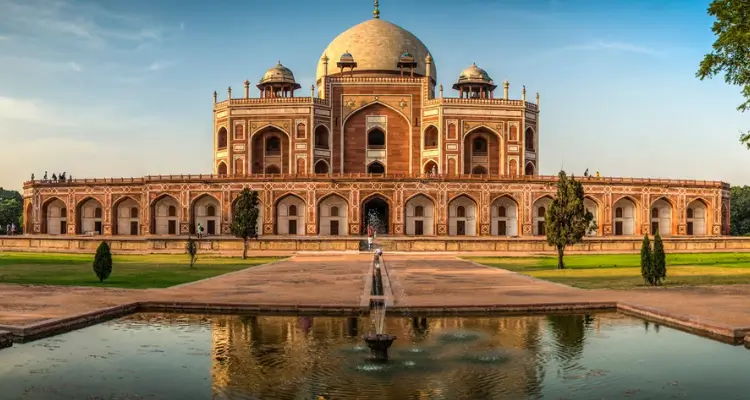
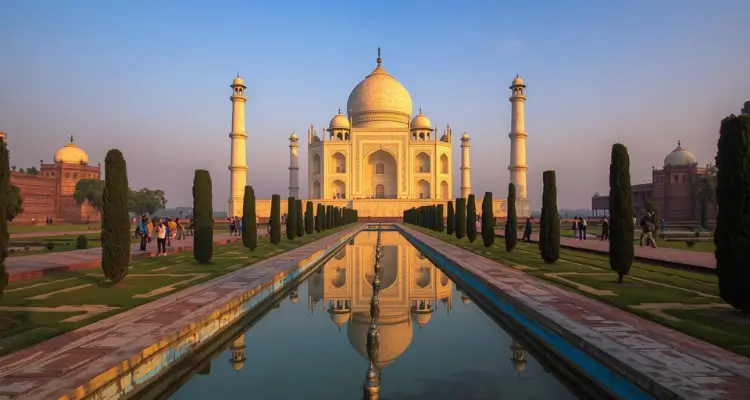
Professional guides should then be added in destinations where specialist knowledge improves the visit. A strong Delhi guide should be able to move between Mughal, Sultanate, colonial and contemporary contexts. An Agra guide should explain the Taj Mahal and Agra Fort beyond basic facts. Jaipur requires knowledge of Rajput history, astronomy, architecture and local traditions.
Luxury guiding should also respect the guest's interests. Some travelers want a deep historical conversation. Others want shorter explanations and more photography time. The service should adapt accordingly.
Airport assistance, domestic flights, restaurant reservations, special celebrations, wildlife safaris and other arrangements can then be layered onto the journey according to need.
The result should feel personal rather than crowded.
The cost of luxury travel in India varies dramatically because the word “luxury” covers a very wide range of services. A five-star city hotel, a famous palace suite and an exclusive wilderness lodge are all premium products, but they do not belong to the same price bracket.
For international travelers seeking a strong private five-star journey, a useful higher-side working budget can start around US$450 to US$800 per person per day when two people are travelling together. That level can support good five-star hotels, a private chauffeur-driven vehicle, airport transfers, quality local guides and selected experiences, depending on destination and season.
A more exclusive high-end India private tour can move toward approximately US$800 to US$1,500 per person per day. Journeys using India's leading palace hotels, premium room categories, luxury safari lodges, specialist escorts, business-class domestic flights and private dining arrangements can go substantially beyond that range.
At the highest end, there is no meaningful universal daily ceiling. Premium suites at India's celebrated hotels can cost several thousand dollars per night during high-demand periods before private touring, vehicles and experiences are added.
The traveler therefore needs to know where the money is being spent.
Suppose two companies quote for the same Delhi–Agra–Jaipur–Udaipur route. One quotation may simply state “five-star hotels.” The second may name The Oberoi New Delhi, The Oberoi Amarvilas, Rambagh Palace and The Oberoi Udaivilas, together with exact room categories. Those quotations cannot be compared by total price alone.
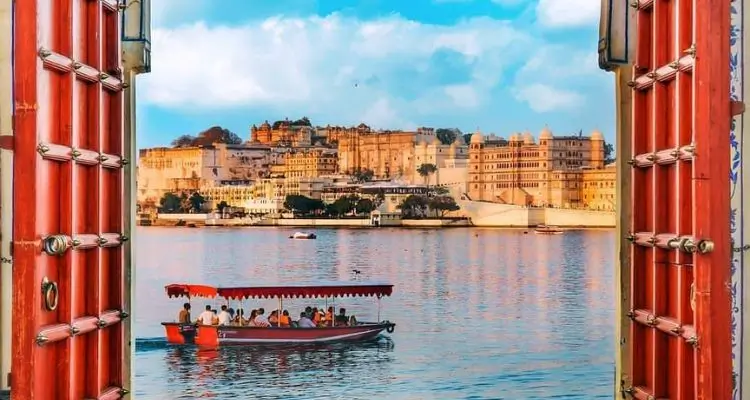
The Oberoi Amarvilas in Agra is positioned close to the Taj Mahal and is known for views toward the monument from rooms and suites. Rambagh Palace in Jaipur is one of Taj's landmark palace hotels, while The Oberoi Udaivilas occupies a prominent lakeside setting in Udaipur. These properties represent a different accommodation proposition from a standard international-chain five-star hotel. (oberoihotels.com) (tajhotels.com) (oberoihotels.com)
Room category is equally significant. Entry-level rooms and premium suites at the same property can differ enormously in price.
A well-prepared quotation should therefore name the hotel and preferably identify the proposed room type.
Transportation should be equally transparent. If a quotation promises a private chauffeur in India, travelers should know the vehicle category. Airport transfers and long-distance road travel should also be clearly included or excluded.
Guide costs, monument admission, meals, domestic flights and paid activities need the same treatment. A lower quotation can become surprisingly expensive when essential items are repeatedly charged during the journey.
Wildlife travel is particularly sensitive to inclusions. A premium stay near Ranthambore is not the same thing as having confirmed safari drives. Safari arrangements should specify the number of drives and the relevant booking structure.
Luxury is also affected by season. India's premium hotel pricing can rise sharply during the most popular travel periods and festive dates. Palace hotels, sought-after suites and small luxury wildlife lodges can have limited inventory.
This is why high-end travelers should avoid comparing India holidays solely by a generic price-per-day figure. The better question is whether the proposed expenditure is being directed toward the things that matter most to them.
The best luxury tour operators in India should be compared through their proposals, communication and operating standards rather than marketing language alone.
Start with the first itinerary they send.
If it looks exactly like every itinerary published online, very little customization has happened. A traveler who asks for a relaxed journey should not receive six hotels in seven nights. Someone specifically interested in Mughal architecture should not receive the same sightseeing allocation as a guest primarily interested in wildlife and rural India.
Look at whether the operator has made decisions based on the traveler's priorities.
Next, examine the hotel list carefully. Luxury companies should be comfortable naming proposed properties rather than hiding everything behind phrases such as “five-star hotel or similar.” An occasional substitute may be unavoidable if availability changes, but the traveler should know the expected standard.
Ask whether the rate includes the room category shown in the proposal. A palace hotel's base room may offer a completely different experience from its historic suite.
Transportation should also be defined. Long journeys across Rajasthan can involve several hours on the road. Travelers should not assume that the word “luxury” automatically means Mercedes or BMW transportation. If a premium vehicle is important, request the exact category and understand how it affects the cost.
Check the guide arrangements. Some operators provide professional local guides only in major cities; others include an accompanying escort throughout the journey. A fully escorted luxury India tour is usually more expensive because the escort travels with the guests across destinations and may require accommodation and meals.
There is no reason to pay for a full-time escort if local guides satisfy the guest's requirements. Conversely, travelers who value continuous assistance may find the additional cost worthwhile.
Check who handles problems during the journey. High-end travel still encounters operational changes. Weather can affect flights. Traffic can delay road journeys. A hotel may have a maintenance issue. A safari booking can be affected by park regulations. What matters is whether the operator has an effective local team capable of responding.
Cancellation terms deserve careful attention because luxury arrangements often involve substantial advance deposits. Premium hotels, wildlife lodges, domestic flights and special services may each have their own conditions. The tour operator's written terms should explain the relevant payment and cancellation structure.
Travelers should also verify the business receiving their money. An established India luxury travel company should be able to provide formal company details and proper payment documentation. Claims of government recognition or association membership should be independently checked when they materially influence the booking decision.
Communication is another useful indicator. A company selling a high-value private journey should be able to answer detailed questions about hotel locations, driving times, room categories and sightseeing logistics. Repeated vague responses before booking are a warning sign.
Travel Plan can coordinate private travel around the guest's preferred comfort level, with chauffeur-driven transportation, selected hotels, professional local guides and additional services arranged around the route. The written proposal remains the key document: travelers should read what is actually included rather than relying on the word “luxury.”
The strongest reason to use a tailor-made luxury tour operator in India is not access to monuments. Most famous attractions can be visited independently. The value lies in shaping the journey around the traveler.
A private couple celebrating an anniversary might spend fewer nights changing hotels and more time at properties worth enjoying. A family may require interconnecting rooms, child-friendly sightseeing and a spacious vehicle. A photographer may want early starts and longer periods at selected locations. A traveler interested in Indian cuisine may prefer private food experiences and carefully chosen restaurants rather than standard hotel buffets.
Pacing is one of the clearest markers of quality.
Consider Rajasthan. Delhi, Agra, Jaipur, Jodhpur, Udaipur and Jaisalmer can all be combined, but adding every famous city does not automatically create a better holiday. Jaisalmer sits much farther west than Jaipur or Jodhpur, and including it can add significant road time. A guest with limited days may enjoy the journey more by dropping one destination and staying longer elsewhere.
The same principle applies to North and South India. Combining Delhi, Rajasthan, Varanasi, Mumbai, Kerala and Tamil Nadu is physically possible with domestic flights, but not every traveler will enjoy that pace.
A capable bespoke India travel company should be prepared to remove destinations.
Special occasions require even more care. Anniversary dinners, birthday arrangements and private celebrations should be discussed according to the actual property and destination rather than promised vaguely. Some hotels can arrange private dining in extraordinary settings, while others have restrictions.
Wildlife journeys need another type of customization. Guests whose main goal is seeing tigers may prefer multiple safari drives rather than a single visit inserted between palace stays. Accommodation should then be selected around access to the park and the desired lodge experience.
Luxury family travel requires practical decisions too. The most expensive hotel is not automatically the most suitable for children. Pool access, room configuration, food flexibility and driving time can matter more.
This is also where local operational knowledge becomes valuable. An itinerary can look elegant on paper while creating uncomfortable days on the ground. Hotel check-in times, realistic road durations, monument closures and airport reporting times all affect the experience.
Travel Plan's private model can accommodate changes in pace, accommodation level, route and sightseeing preferences before confirmation. The objective is to create a journey in which the expensive components support the guest's priorities rather than merely making the itinerary look prestigious.
A luxury tour operator in India can coordinate premium hotels, private chauffeur-driven transportation, airport transfers, professional guides, domestic transport, wildlife arrangements and special experiences. The exact services depend on the traveler's requirements and written quotation.
For two international travelers, a strong five-star private journey can reasonably be budgeted around US$450 to US$800 per person per day. More exclusive travel using leading palace hotels, premium suites and luxury lodges can reach approximately US$800 to US$1,500+ per person per day. Actual costs depend heavily on season, route and hotel choice.
Properties from The Oberoi, Taj Hotels, Aman and other premium hotel groups are frequently relevant to high-end journeys. India also has independent palace hotels, heritage properties and luxury wildlife lodges. The right hotel should be selected according to location, style and the traveler's priorities rather than brand name alone.
No. Many travelers use one professional chauffeur for road travel and different expert guides in individual cities. A full-time escort can also accompany guests across destinations, but that is a separate service and normally increases the cost.
Yes. Private chauffeur-driven India tours are common, particularly across Delhi, Agra and Rajasthan. The quotation should specify the vehicle category because “private car” does not automatically mean a premium luxury sedan.
They can be, particularly for travelers interested in architecture, history and distinctive accommodation. The value depends on the property, room category and amount of time available to enjoy the hotel. Paying palace-hotel rates for a stay involving a very late arrival and very early departure may provide poor value.
Premium palace hotels, sought-after suites and small wildlife lodges have limited inventory. Booking well ahead is sensible for high-demand travel periods, especially when the traveler has specific hotel and room preferences.
Yes. A specialist or full-service operator can combine premium accommodation with safari arrangements at destinations such as Ranthambore, Kanha or Bandhavgarh. Travelers should check how many safari drives are included and whether the relevant reservations have actually been secured.
Review the exact hotel names, room categories where applicable, vehicle type, guides, airport transfers, included activities, domestic transport, payment schedule and cancellation terms. Also verify the legal business receiving the payment and any professional credentials that are important to your decision.
Yes. Travel Plan can arrange private luxury travel in India around the guest's preferred destinations, hotel category, travel pace and interests, combining chauffeur-driven transportation, selected accommodation, professional guides and additional services where required. The final quotation can be structured around the actual level of comfort and exclusivity requested rather than a fixed group itinerary.