Your Travel Partner
SINCE 1989
Your Travel Partner
SINCE 1989
Every year, around the second week of March, something quiet happens in the palace hotels of Rajasthan. The Christmas crowds are long gone, the February wedding parties have checked out, and the lawns at Rambagh Palace in Jaipur suddenly have room for a single couple with a pot of tea and a peacock for company. The weather is still warm and golden, the light is lovely, and the room rate has often dropped by a quarter or more. This is the gentle secret of luxury hotel value in India. The country's best hotels price their rooms around a short, intense peak season, and the weeks on either side of it, the shoulder season, offer most of the same experience for noticeably less money, with better odds of a room upgrade on arrival. This guide looks at how hotel rates move through the year in Rajasthan, Agra and Kerala, gives realistic rate examples at well-known luxury properties, and explains which months suit which kind of traveller. It also covers the times when a lower price is not a bargain at all, because the heat, the rain or a closed national park changes the trip completely.
India's luxury hotels follow the weather and the wedding calendar more than anything else. For most of the north and west of the country, the peak season runs from roughly mid-October to the end of March, when days are warm, nights are cool and skies are clear. Within that window there is a peak inside the peak: the weeks from about 20 December to the first few days of January. During this festive stretch, rates at top hotels in Jaipur, Udaipur and Agra can be close to double the price of early November or late February, and many properties insist on a minimum stay of three or four nights, often with a compulsory gala dinner on New Year's Eve that adds a heavy charge per person.
The other sharp spike comes with Indian festivals and weddings. The days around Diwali, which usually falls in October or November, bring a rush of domestic travellers, and rates jump accordingly. The main Indian wedding season runs through November, December, January and February, and palace hotels such as those in Udaipur and Jodhpur are sometimes booked out entirely by a single family for three or four days. That can push rates up at neighbouring hotels too, and it means a quiet romantic stay may share a lakeside with fireworks and a brass band.
The shoulder months are the weeks just before and after the main season. In Rajasthan and Agra, that usually means the first half of October and the stretch from mid-March to mid-April. In Kerala, the shoulder months are different, as the coast and backwaters have their own rhythm shaped by two monsoons. During these weeks, the weather is still pleasant enough for sightseeing, especially in the morning and evening, and hotel rates typically sit 20 to 40 percent below peak.
The low season, from May to September, is when the deepest discounts appear. In Rajasthan and Agra, May and June are intensely hot, with afternoon temperatures commonly above 42 degrees Celsius. The monsoon from July to September brings rain, humidity and green landscapes. Luxury rates in this period can fall to half the peak price or lower, and many hotels add extras such as free nights, spa credits, dining allowances or guaranteed late check-out.
It is also worth knowing how hotel rates in India are quoted. Most luxury hotels quote a base rate per room per night, with 18 percent GST added on rooms priced above Rs.7,500 a night. Breakfast is sometimes included and sometimes not, and half-board or full-board packages can change the comparison a great deal. A rate that looks lower may simply exclude breakfast or taxes. When comparing prices, always compare the final total including tax and meals.
Finally, luxury hotels in India use dynamic pricing, so rates change daily with demand. The figures in this guide are realistic ranges for a standard luxury room or entry category, quoted before tax. Suites and specialty rooms follow the same seasonal pattern but at much higher levels.
Rajasthan is where seasonal pricing is most dramatic, because its palace hotels are among the most sought-after properties in Asia during the cool months and among the quietest in the heat.
Rambagh Palace in Jaipur, the former residence of the Maharaja of Jaipur and now a Taj hotel, is the classic example. In peak season, entry-level palace rooms usually cost between Rs.55,000 and Rs.95,000 a night before tax, and historical suites go far higher. Around Christmas, even standard rooms can rise well beyond Rs.100,000. In early October or late March, the same rooms often sell for Rs.40,000 to Rs.65,000. From May to August, rates commonly fall to around Rs.28,000 to Rs.45,000, about 320 to 510 US dollars, which is extraordinary value for one of the most famous hotels in India.
The Oberoi Rajvilas in Jaipur, set in 32 acres of gardens with luxury tents and private pool villas, follows a similar curve. Premier rooms typically cost Rs.50,000 to Rs.85,000 a night in peak season, Rs.38,000 to Rs.55,000 in the shoulder months, and as little as Rs.28,000 to Rs.40,000 in summer. Suján Rajmahal Palace in Jaipur, smaller and full of colour, usually falls between Rs.30,000 and Rs.60,000 in peak season and much less in summer.
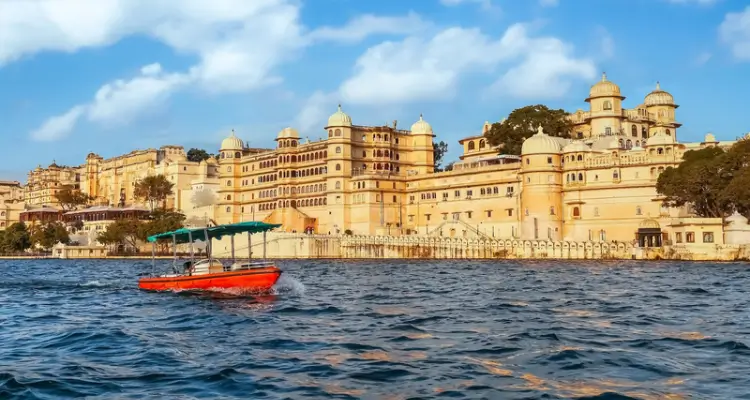
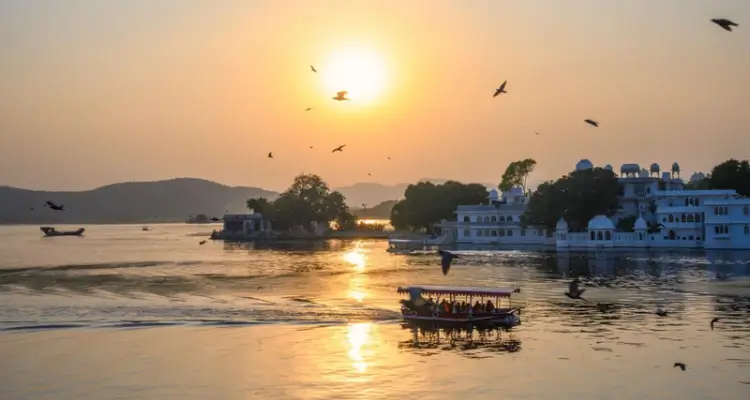
In Udaipur, The Oberoi Udaivilas is often the most expensive hotel in the state. Peak season rates for premier lake-view rooms usually run Rs.65,000 to Rs.140,000 a night, and over Christmas they can climb sharply higher. In the shoulder weeks they fall to roughly Rs.50,000 to Rs.80,000, and in the monsoon, when the lakes are full and the hills turn green, they can drop to around Rs.35,000 to Rs.55,000. Taj Lake Palace, reached only by boat, typically costs Rs.75,000 to Rs.160,000 in peak season and can fall by nearly half in summer and monsoon. The Leela Palace Udaipur on the same shore usually sits a little below both.
The monsoon in Udaipur deserves special mention. July, August and early September are a beautiful time in the city, with Lake Pichola and Fateh Sagar at their fullest, cool breezes off the water and the Aravalli hills covered in green. Rain usually comes in heavy bursts rather than all day. For couples who want a romantic, slow stay with excellent value, this can be one of the best times of all.
Jodhpur and Jaisalmer behave a little differently. Umaid Bhawan Palace in Jodhpur is one of the most exclusive hotels in India, with rooms that often exceed Rs.100,000 in peak season, but summer rates fall considerably. RAAS Jodhpur, at the foot of Mehrangarh Fort, offers better value year round. In Jaisalmer, desert camps and luxury tented properties such as Suryagarh are best from October to March, and many desert camps close entirely in the hottest months.
Wildlife lodges near Ranthambore are a special case. The Ranthambore core zones close from 1 July to 30 September each year for the monsoon, and some luxury lodges close or operate with limited services during that time. Lodges such as The Oberoi Vanyavilas, Aman-i-Khás and Suján Sher Bagh are priced for the tiger season, with April and May often showing lower rates while offering excellent tiger sightings, as animals gather near the remaining water. Aman-i-Khás and Suján Sher Bagh usually close for the summer and monsoon, so check opening dates carefully.
Agra is a one or two night stop for most travellers, so the season matters slightly less, but the difference in price can still be large.
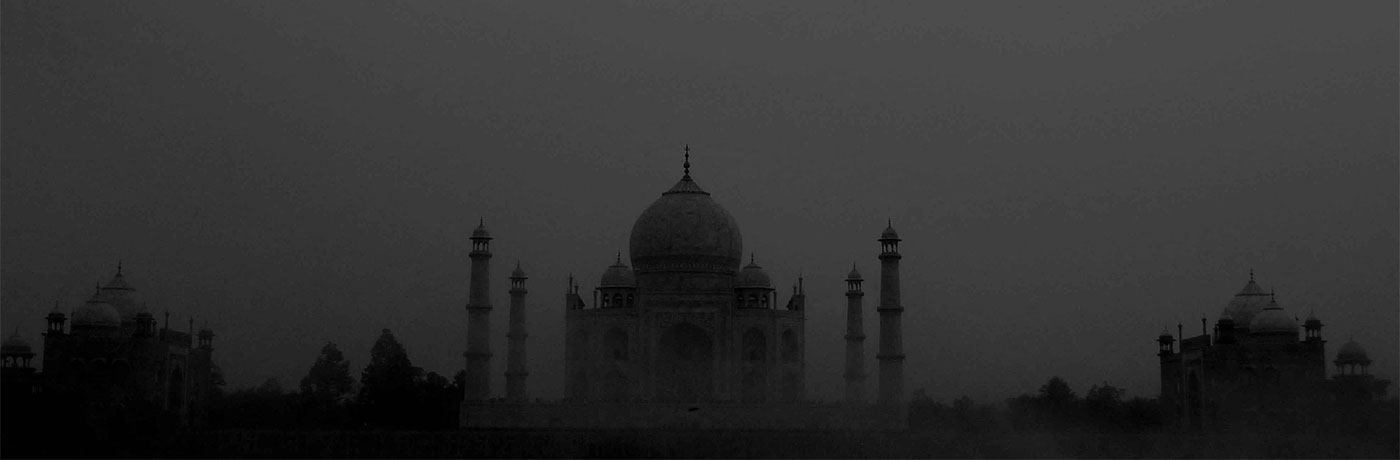
The Oberoi Amarvilas, where every room looks across at the Taj Mahal, usually charges Rs.60,000 to Rs.95,000 a night for a premier room in peak season. In the shoulder weeks of early October and late March, rates typically fall to around Rs.45,000 to Rs.65,000, and in summer they can drop to Rs.35,000 to Rs.50,000. The view is identical in every season, and the pool, framed by fountains leading toward the Taj, is especially welcome in the warmer months. ITC Mughal, with its large Mughal-style gardens, usually runs Rs.22,000 to Rs.45,000 in peak season and about Rs.14,000 to Rs.22,000 in summer. The Taj Hotel and Convention Centre and Trident Agra are reliable options at lower levels.
The best months for value in Agra are slightly different from Rajasthan. Late February and March are lovely, with clear skies and warm afternoons. From late December to mid-January, dense morning fog can hide the Taj Mahal for hours, yet rates are at their highest, which makes these weeks the poorest value of the year for a Taj-view room. In April, temperatures climb quickly, but early mornings at the monument are still pleasant, and hotels begin to offer summer rates.
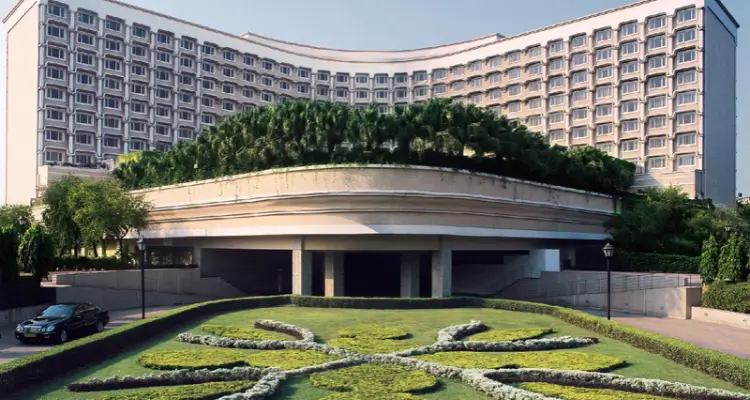
Delhi's luxury hotels are shaped by business travel and conferences as much as tourism. The Oberoi New Delhi, The Leela Palace New Delhi, the Taj Mahal Hotel on Mansingh Road and ITC Maurya usually charge Rs.28,000 to Rs.55,000 a night for a deluxe room in peak season, sometimes more during large conferences or events. Rates soften on weekends and during the summer, when Rs.18,000 to Rs.30,000 is common. Delhi in November and December can suffer from very poor air quality, so many travellers keep their Delhi stay short in these months and spend more time in Rajasthan.
One useful habit in Agra and Delhi is to check rates for a Friday night. The Taj Mahal is closed on Fridays, so demand for Taj-view rooms often dips, and rates at Agra hotels can be lower on Thursday and Friday nights. Spending a Friday at Fatehpur Sikri or on the road to Jaipur, and seeing the Taj on Saturday morning, often saves money without losing anything.
Across both cities, booking directly with the hotel or through a trusted operator usually gives access to the same rates as online travel sites, with extras such as breakfast, transfers or a late check-out more likely to be included.
Kerala's seasons work quite differently from the north. The state is green and humid year round, and it is shaped by two monsoons: the main southwest monsoon from roughly June to September, and a smaller northeast monsoon that brings afternoon showers in October and November.
The peak season in Kerala usually runs from mid-December to February, when skies are clear, humidity is lower and the backwaters are calm. Rates at top resorts are at their highest over Christmas and New Year. Kumarakom Lake Resort, on the shore of Vembanad Lake, typically charges Rs.30,000 to Rs.60,000 a night for its lake-view and pool villas in peak season. Taj Bekal Resort and Spa on the northern coast and The Leela Kovalam in the south sit in a similar range. The CGH Earth properties, including Brunton Boatyard in Fort Kochi, Spice Village in Thekkady and the Ayurveda retreat Kalari Kovilakom, are generally priced a little lower and stay busy through the winter.
The shoulder months in Kerala are October and November, and March into April. October and November bring short afternoon rains, lush gardens and rates around 20 to 35 percent below the festive peak. March is hotter but still comfortable on the coast, with lower rates and fewer travellers.
The monsoon in Kerala, from June to September, brings the deepest discounts, often 40 to 60 percent below peak. This is also considered the ideal season for Ayurveda treatments, because the cool, moist air is thought to help the body absorb the oils and therapies. Many travellers come specifically for a two-week Ayurveda programme at this time. Houseboat rates on the backwaters also fall, although rough weather can occasionally affect cruising, and beaches are not suitable for swimming during the heaviest rain.
Hill stations such as Munnar are cool and misty in the monsoon, with waterfalls at their fullest but tea estate walks often slippery. Thekkady and the Periyar Tiger Reserve remain open through much of the monsoon, with boat safaris on the lake running when weather allows.
For a combined North and South India trip, the calendar can be arranged to take advantage of both regions. February suits a Rajasthan and Kerala combination well, with the north still cool and the south at its finest. An October trip can begin in Rajasthan's early shoulder season and end in Kerala as the northeast showers fade. In Kerala, as in Rajasthan, the rooms with the best views, such as lake-facing villas and private pool cottages, sell out first in peak weeks, while in the shoulder months they are often available at the price of a standard room a few weeks earlier.
Room upgrades in India are far more common in the shoulder and low seasons than in peak months, for the simple reason that hotels have empty rooms. During late December or early February, a palace hotel may be completely full, and even loyal guests rarely move up a category. In late March, early October or July, the same hotel might be running at half occupancy, and an upgrade to a lake-view room, a garden-facing suite or a room with a private terrace becomes much more likely.
The most reliable way to improve your chances is to book directly with the hotel or through an operator with a close working relationship with the property. Large Indian hotel groups, including Taj, Oberoi, ITC and The Leela, value repeat business from trusted partners, and a quiet note from a familiar contact explaining that the guests are celebrating an anniversary or honeymoon often results in a better room, a cake or a bottle of wine.
Loyalty programmes help too. Taj's programme, run through Tata's NeuPass, offers benefits to higher-tier members, including upgrades when available. ITC's Club ITC and The Leela's loyalty programme, which is linked to Global Hotel Alliance, give similar perks. Marriott Bonvoy elite members can use benefits at the many Marriott properties in India, including ITC hotels in the Luxury Collection. Oberoi has no traditional points programme, but its hotels are known for generous upgrades to returning guests and travellers with special occasions.
Special offers in the shoulder and low seasons are often the most practical route to value. Many hotels run "stay longer" offers, such as a free third or fourth night, or a fixed discount for stays of three nights or more. Others include breakfast and dinner, a spa treatment or private experiences, such as a guided walk or a sunset boat ride, at no extra charge. These packages often appear on the hotels' own websites from April onward.
Timing your request matters as well. The best moment to ask for an upgrade is a few days before arrival, by email, and again politely at check-in, especially if you arrive mid-week. Arriving after a long-haul flight, mentioning a special occasion, and being flexible about the room type all help. If the hotel cannot upgrade the room, it may offer other benefits, such as early check-in after an overnight flight or late check-out before an evening departure.
Finally, a word of balance. The lowest rate is not always the best value. A palace room at half price in June means sightseeing at dawn and dusk only, with the afternoons spent indoors or by the pool. For many travellers, the sweet spot is the edge of the season: the first two weeks of October, the second half of February and the first half of March. These weeks usually combine comfortable weather, open parks and lodges, lighter crowds, rates noticeably below the festive peak and a fair chance of a better room.
May to August usually brings the lowest rates, often half the peak price or less. The heat in May and June is intense, so many travellers prefer the monsoon months of July and August, especially in Udaipur.
For Rajasthan and Agra, the shoulder months are usually the first half of October and mid-March to mid-April. For Kerala, they are October to November and March into April.
Rates in the shoulder season typically sit 20 to 40 percent below the peak, and sometimes more compared with the Christmas and New Year period. Many hotels also add extras such as free nights, breakfast or spa credits.
Entry-level palace rooms usually cost ₹55,000 to ₹95,000 a night before tax in peak season. In summer, rates often drop to around ₹28,000 to ₹45,000, roughly 320 to 510 US dollars.
Yes. July to early September brings full lakes, green hills and cooler air, and luxury rates can drop sharply. Rain usually comes in short, heavy bursts, so most sightseeing is still possible.
Upgrades are rare from about 20 December to early January and during the main wedding weeks of November to February. Hotels are often full during these times, leaving little room to move guests up.
The core zones of Ranthambore National Park close from 1 July to 30 September. Some lodges close or run limited services during this time, while others stay open with buffer-zone safaris.
Usually not. Rooms priced above ₹7,500 a night carry 18 percent GST, and breakfast or meal packages may be extra, so compare the final total when booking.
Not usually. Late December to mid-January brings the highest rates along with a real chance of dense morning fog hiding the Taj Mahal. Late February and March often give better value and clearer views.
The southwest monsoon, from June to September, is traditionally considered the best time for Ayurveda, and resort rates are also lowest then. Programmes usually run for one to three weeks.