Your Travel Partner
SINCE 1989
Your Travel Partner
SINCE 1989
Most people give Jaipur one day. Amber Fort in the morning, Hawa Mahal photo at noon, City Palace after lunch, back on the highway to Agra by evening. It works, technically. It also means you saw four buildings and missed the city.
Jaipur rewards slowness. The walled city became a UNESCO World Heritage Site in 2019 not because of any single monument but because the whole grid - laid out in 1727 according to Vastu principles, nine rectangular sectors, the bazaars still doing what they were designed to do - is intact and functioning. You can't see that from a car window.
Here's what's actually worth your time, with current prices, honest timings, and the things nobody tells you until you're already there.
Rajasthan revised entry fees at state-managed monuments on 1 January 2026 - the first major revision since 2015. Most sites roughly doubled. Amber Fort went from Rs.100 to Rs.200 for Indian visitors, and foreign nationals now pay around Rs.1,000. Hawa Mahal is around Rs.100 (Indian) and Rs.600 (foreign).
Any blog or guidebook quoting pre-2026 prices is out of date. Rates can change again - always confirm at the counter or on the official Rajasthan e-ticketing portal on the day.
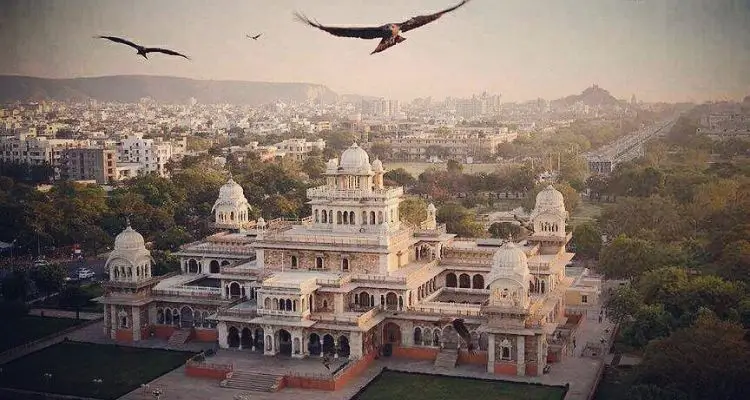
The single best money tip: if you plan to see three or more state monuments, buy the Jaipur Composite Ticket - roughly Rs.600 for Indians and Rs.1,500 for foreign nationals, valid two consecutive days. It typically covers Amber Fort, Hawa Mahal, Jantar Mantar, Nahargarh Fort, Albert Hall Museum, Isarlat, and the Sisodia Rani and Vidyadhar gardens. Buying those separately costs significantly more.
Note: City Palace is run by the royal family's private trust, so it is not on the composite ticket. Budget for it separately.
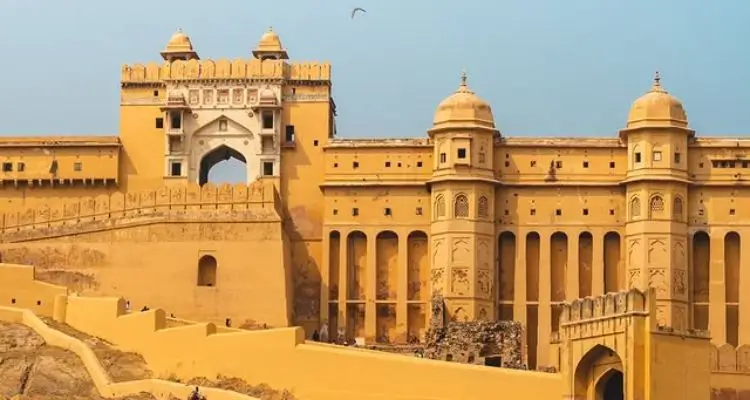
This is the single most useful piece of advice in this guide. Amber opens at 8:00 AM. Between 11 AM and 3 PM the narrow stairways between courtyards fill with tour groups and the experience becomes a queue. At 8 AM the sandstone catches early light, the crowds haven't arrived, and the guides are fresh.
Built by Raja Man Singh I in 1592 and expanded by successive Kachwaha rulers, Amber served as the capital until Jaipur was founded in 1727. It's part of the UNESCO-listed Hill Forts of Rajasthan.
Don't rush past: Ganesh Pol, whose frescoes are still vivid four centuries on; Sheesh Mahal, where thousands of mirror fragments turn a single candle into a night sky; and Sukh Niwas, an eighteenth-century cooling system that works on water channels and wind.
A note on elephant rides: they're still offered, and a growing number of travellers now skip them over animal welfare concerns. Walking up takes about fifteen minutes and gives you the approach the way it was meant to be seen. Shared jeeps run for anyone who'd rather not climb.
Open 8:00 AM–5:30 PM daily, last entry around 5:00 PM. Allow 2–3 hours.
Held at Kesar Kyari on the edge of Maota Lake, at the foot of the fort. The 50-odd minute show is scripted by Gulzar, with the Hindi narration by Amitabh Bachchan - which is genuinely the best thing about it. Tickets run around Rs.295 per person for both the English and Hindi shows.
Manage your expectations: this is illumination and narration, not laser projection mapping. What makes it worth doing is the setting - outdoor seating with water on three sides and the lit fort above you. Arrive 25 minutes early. Bring a layer in winter; it gets cold by the lake. Photography during the show is not permitted.
English show first, Hindi show after. Timings shift with the season - confirm at the counter.
If you do one thing at golden hour in Jaipur, do this. Nahargarh sits on the Aravalli ridge above the city, and the view at dusk - the whole grid of the walled city lighting up below - is the shot everyone's actually chasing when they come to Jaipur.
The Madhavendra Bhawan inside, with its twelve identical suites built for the maharaja's queens and connected by corridors, is worth walking through. Padao, the terrace restaurant on the fort, is the classic sunset drink spot - go for the position, not the food.
Directly above Amber, connected by a fortified passage. Jaigarh was the arsenal - and it holds the Jaivana, one of the largest wheeled cannons ever made. It was reportedly fired only once, in a test.
Most day tours skip Jaigarh. That's precisely why it's pleasant. If you have a car, you can drive between Amber, Jaigarh and Nahargarh in a single loop.
The City Palace is still a working royal residence - the family lives in Chandra Mahal. The standard museum ticket covers the courtyards, the textile and armoury galleries, and the four famous seasonal gates of Pritam Niwas Chowk. Upgraded Royal Grandeur tours access private areas at a considerably higher price.
Next door, Jantar Mantar is a UNESCO World Heritage Site in its own right: eighteen enormous stone astronomical instruments built by Sawai Jai Singh II, including the world's largest stone sundial, accurate to roughly two seconds. It looks like abstract sculpture until someone explains it - this is the one monument in Jaipur where hiring a guide genuinely transforms the visit.
The 953 latticed windows of the 1799 Palace of Winds were built so royal women could watch street processions unseen. It is the most photographed façade in Rajasthan.
The thing nobody mentions: you cannot photograph the famous façade from inside. It faces the street. The classic shot is taken from the rooftop cafés directly across the road - you buy a coffee, you get the view. Go around 8–9 AM for the light and before the crowds. Entering Hawa Mahal itself is a separate, quick visit for the interior ramps and the city views from the upper levels.
Two spots that barely existed on tourist itineraries a decade ago and now dominate Jaipur's Instagram output.
Panna Meena ka Kund, a sixteenth-century stepwell near Amber, has criss-crossing symmetrical staircases that photograph beautifully. Free to enter, and just a few minutes from Amber Fort - pair them.
Patrika Gate at Jawahar Circle is modern, built as a tribute to Rajasthan's regional architecture, with every column and arch hand-painted in a different style. It's a fifteen-minute stop and it's spectacular. Arrive early; wedding and influencer shoots take over by mid-morning.
Jaipur's markets are the city's oldest functioning institution, and each one still specialises.
Practical advice: haggling is expected in the bazaars and inappropriate in fixed-price shops. If your driver or guide steers you toward a particular emporium, be aware commissions are standard practice - nothing sinister, but you'll pay for it. And if you're buying gemstones seriously, buy from an established, certified dealer with paperwork. Jaipur has world-class stones and world-class stories to go with them.
This is how you turn a good Jaipur trip into a memorable one.
|
Festival |
When in 2026–27 |
What Happens |
| Teej | 15–16 August 2026 | Royal Teej Mata procession from Tripolia Gate. |
| Jaipur Literature Festival | January 2027 (Dates announced later in the year) | A major international literary gathering. |
| Makar Sankranti / Kite Festival | 14 January 2027 | The city comes alive with rooftop kite flying and celebrations. |
| Gangaur | March–April 2027 | An eighteen-day festival featuring a procession from the City Palace. |
| Dhulandi (Holi) | March 2027 | Jaipur's Holi celebrations are colourful and energetic. |
| Diwali | October–November 2026 | Jaipur's bazaars and historic areas are beautifully illuminated. |
Jaipur's Diwali market illuminations, in particular, are a spectacle in their own right. Hotels sell out - book months ahead for any of these.
A 1976 art-deco cinema hall that looks like the inside of a wedding cake, and one of the most beloved buildings in the city. Watching a Hindi film here - with an audience that whistles, claps and reacts out loud - is one of the few genuinely non-touristic experiences left in central Jaipur. Book ahead for a new release; tickets go fast and the Emerald-class seats are worth the small upgrade.
Jaipur is the centre of India's hand block printing tradition, and you can go straight to the villages that produce it. Bagru (mud-resist and natural dyes) and Sanganer (fine floral prints) are both short drives from the city, and several workshops run half-day sessions where you carve, dye and print your own fabric.
If you'd rather just understand it, the Anokhi Museum of Hand Printing in Amer occupies a restored haveli and is one of the best-curated small museums in India. Closed Mondays and typically shut for part of the summer.
Jaipur takes food seriously. A working order of operations:
Breakfast - pyaaz kachori and a kadhi at Rawat Mishthan Bhandar near Sindhi Camp. Non-negotiable.
Lunch - proper dal baati churma, ideally somewhere that bakes the baati in cow-dung cakes rather than an oven. Ask for the difference; the smoky version is the real thing.
Street snacks - mirchi bada, samosa, and the sweet lassi at Lassiwala on MI Road, served in disposable clay kulhads. Note there are several shops with near-identical names in a row - the original is the one with the queue.
Sweets - ghewar during monsoon and Teej season, mawa kachori, and ghewar-rabri. Laxmi Mishthan Bhandar in Johari Bazaar is the institution.
Dinner - Masala Chowk at Ram Niwas Garden collects the city's best-known street food vendors into one clean, organised open-air space. It's the easiest introduction if you're nervous about street food, and locals eat there too.
For a splurge - the heritage hotel restaurants (Rambagh, Samode Haveli, Narain Niwas) do Rajasthani thalis in genuinely beautiful settings.
India's first leopard reserve, notified in 2017, sitting about 11 km from Jaipur railway station inside a 23 sq km block of Aravalli scrub. It was once the royal hunting ground. It now holds one of the highest leopard densities anywhere, and sighting rates are unusually good for a wild big cat.
How it works: open 4×4 gypsies, maximum six guests plus a driver and naturalist. Two shifts daily - roughly early morning and late afternoon, shifting with the season. Zones are allotted randomly at the gate; you can't pick a "lucky" route. Safari runs about two to two and a half hours.
Booking: online and in advance only, paid in full, non-refundable and non-transferable. ID proof is mandatory for every visitor. Weekends and holidays sell out. Rates differ for Indian and foreign nationals and for shared seat versus whole gypsy — expect somewhere from around Rs.1,000 per seat upward, considerably more for a private vehicle or a foreign-national booking. Confirm current rates on the official forest department portal.
Worth knowing: because the reserve is compact and the terrain is open scrub rather than dense jungle, sightings tend to be clearer than in larger parks. Drier months concentrate animals around waterholes.
Licensed operators fly over the Amber and Samode countryside, typically launching around dawn between roughly September and April. Floating over the fort as the sun comes up is expensive and completely worth it if the budget stretches. Flights are weather-dependent - build a spare morning into your itinerary if you're set on it.
Jal Mahal on Man Sagar Lake - you can't go inside, but the view from the promenade at dawn or dusk is one of Jaipur's best free experiences.
Chandlai Lake, about 35 km out, draws large numbers of flamingos and migratory waterbirds in winter. Barely any tourists.
Kanak Vrindavan and Sisodia Rani Bagh - restored Mughal-style gardens, both good for an unhurried hour.
Royal Gaitor - the cenotaphs of Jaipur's rulers, carved marble under the Nahargarh hills. Almost always empty. If you want a quiet half-hour in a beautiful place, this is it.
One day - Amber Fort, City Palace, Jantar Mantar, Hawa Mahal photo stop, Nahargarh at sunset. Rushed but doable.
Two days - add Jaigarh, Panna Meena ka Kund, Patrika Gate, a proper bazaar walk and Masala Chowk. This is the sweet spot for most travellers.
Three days - add Jhalana safari, a block printing workshop in Bagru, Royal Gaitor, and time to sit still somewhere.
Four or more - day trips to Abhaneri's Chand Baori stepwell, Bhangarh, Samode, or onward toward Ranthambore.
Day 1: Amber Fort at 8 AM → Panna Meena ka Kund → Jaigarh Fort → lunch → Jal Mahal photo stop → Nahargarh for sunset → Amber Light and Sound Show or dinner at Masala Chowk.
Day 2: City Palace → Jantar Mantar → Hawa Mahal (rooftop café shot, then interior) → lunch in Johari Bazaar → bazaar walk → Patrika Gate → Rajmandir Cinema in the evening.
|
Season |
Months |
What to Expect |
| Winter – Best | October–March | 8–28°C. Ideal sightseeing weather, but expect peak season, higher prices, and major festivals. |
| Summer | April–June | 30–45°C. Hot and harsh, with cheaper hotels, fewer visitors, and sightseeing best limited to early mornings. |
| Monsoon | July–September | Warm and humid with intermittent rain. The Aravallis turn green, forts look beautiful, and Teej is celebrated during this season. |
If you can only travel in monsoon, don't be put off - Jaipur in the rain is beautiful, and mid-August gives you the Teej processions.
Getting around - Ola and Uber both work well. Autos require negotiation before you get in. The Jaipur Metro is useful for the walled city (Chhoti Chaupar and Badi Chaupar stations). For a full day of sightseeing, a car with driver is the efficient option.
Guides - hire government-licensed guides only, identifiable by an official ID card. At Jantar Mantar and City Palace, a good guide is the difference between a monument and a story.
Photography permissions - pre-wedding and commercial shoots at state monuments require prior permission and a substantial daily fee. Unauthorised shoots carry real penalties.
Dress - comfortable walking shoes with grip (fort stairs are steep and polished smooth). Modest clothing for temples. Sun protection October through June, no exceptions.
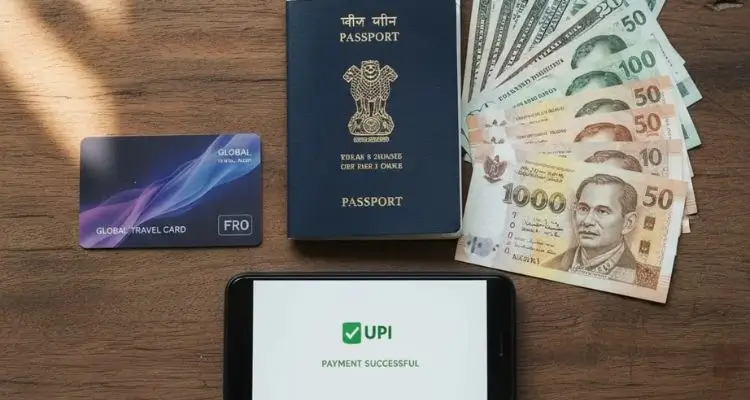
Money - carry some cash for bazaars and autos. UPI is accepted almost everywhere else, including street food stalls.
Common annoyances - expect commission-driven shopping detours, aggressive "special price for you" pitches near monuments, and monkeys at Amber and Galtaji who will take food directly out of your hand. None of it is dangerous; just be aware.
Jaipur works best when someone else is handling the logistics — the 8 AM fort arrival, the composite ticket, the licensed guide at Jantar Mantar, the Jhalana booking that needed to happen three weeks ago.
Talk to our team and we'll build the itinerary around what you actually want to see. Browse our Jaipur tour packages and Rajasthan tours to get started.
Visit Amber Fort early in the morning, watch sunset from Nahargarh Fort, explore City Palace and Jantar Mantar, photograph Hawa Mahal from a rooftop café, shop in Johari and Bapu Bazaar, take a leopard safari at Jhalana, and eat your way through Rawat, Lassiwala and Masala Chowk.
Two days covers the main sights comfortably. Three days lets you add Jhalana safari, a block printing workshop and the quieter spots. One day is possible but rushed.
Rajasthan revised monument fees on 1 January 2026. Amber Fort is now around ₹200 for Indian visitors and ₹1,000 for foreign nationals. Confirm current rates at the counter or the official e-ticketing portal.
It's a combined pass covering Amber Fort, Hawa Mahal, Jantar Mantar, Nahargarh Fort, Albert Hall Museum and several other state-managed sites over two consecutive days — roughly ₹600 for Indians and ₹1,500 for foreign nationals. If you're visiting three or more of those monuments, it saves money. It does not include City Palace, which is privately managed.
8:00 AM to 5:30 PM daily, with last entry around 5:00 PM. Arriving at 8:00 AM is strongly recommended to avoid crowds and heat.
Around ₹295 per person for both the English and Hindi shows. The show runs about 50 minutes at Kesar Kyari beside Maota Lake. Timings shift seasonally.
Elephant rides are still offered, but many travellers now decline them over animal welfare concerns. Walking up takes about fifteen minutes, and shared jeeps are available.
Online only, in advance, paid in full through the official forest department booking system. Two shifts run daily, gypsies seat six, and ID proof is mandatory. Bookings are non-refundable and non-transferable, and weekends sell out well ahead.
Jhalana has one of the highest leopard densities recorded anywhere, and sighting rates are consistently good — though no wildlife sighting is guaranteed. Drier months tend to offer clearer views as animals gather near waterholes.
From the rooftop cafés on the opposite side of the road. The famous façade faces the street, so it cannot be photographed from inside the monument. Go around 8–9 AM.
Dal baati churma, pyaaz kachori, mawa kachori, mirchi bada, ghewar, and Jaipur's sweet lassi served in clay kulhads.
October to March, for comfortable weather and the festival calendar. April to June is very hot. Monsoon from July to September brings green landscapes and the Teej celebrations.
Jaipur is generally considered safe, with the usual big-city precautions: prefer app-based cabs at night, keep valuables secure in crowded bazaars, and be firm with persistent touts near monuments.
Amber Fort at 8 AM, then City Palace and Jantar Mantar, a Hawa Mahal photo stop, lunch in the walled city, and sunset at Nahargarh Fort.