Your Travel Partner
SINCE 1989
Your Travel Partner
SINCE 1989
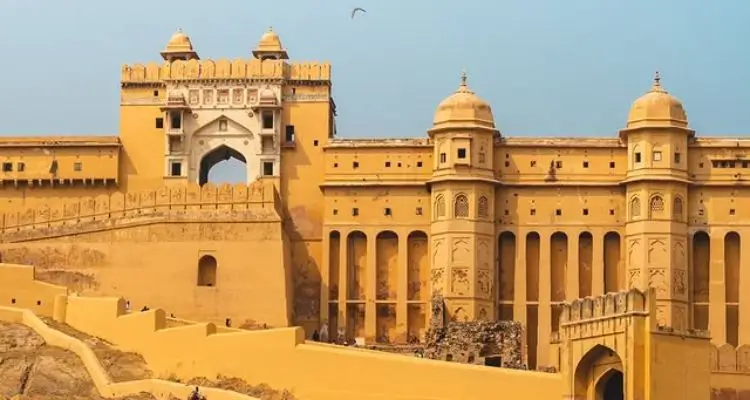
An India tour package for senior travelers should be built very differently from a fast itinerary designed to cover as many cities as possible. India can be deeply rewarding for older visitors, but long driving days, repeated hotel changes, early-morning departures, uneven walking surfaces and crowded monuments can become tiring when too much is placed into a short period. A comfortable senior journey should therefore focus on strong hotels, private transportation, sensible road distances, enough rest between sightseeing visits and a route that gives each destination enough time.
For foreign visitors in their sixties, seventies or eighties, a private India tour with driver is often one of the most useful upgrades. The vehicle collects guests directly from the hotel, carries luggage between cities and stays available for the agreed sightseeing schedule. Travellers do not need to move large suitcases through railway stations every few days or search for a new taxi after each monument. If someone wants to return to the hotel after lunch, the private vehicle makes that possible without disturbing a large group itinerary.
A senior-friendly trip does not have to mean limited sightseeing. Delhi, Agra, Jaipur, Jodhpur, Udaipur and other important destinations can still be covered in depth. The difference is in the pace. Instead of checking into a hotel at 5:00 PM and leaving again at 7:00 AM, travellers can stay two or three nights. Instead of scheduling five monuments in one day, the route can focus on two or three important sites with enough time for lunch and rest.
For two international travellers seeking comfortable private arrangements, a realistic higher-side budget is approximately $400–$550 per day for two people using good hotels, private transportation and selected local guides. A more premium journey using stronger four-star or heritage properties, an Innova Crysta and more personal assistance can cost around $500–$700 per day for two people. A luxury journey using five-star accommodation, premium vehicles, upgraded rooms and additional assistance can easily reach $750–$1,300+ per day for two.
A ten-day senior-friendly India tour for two people can therefore reasonably cost around $4,000–$5,500 at a comfortable private level, approximately $5,000–$7,000 at a premium level and $7,500–$12,000+ for a luxury journey. International airfare is generally additional.
Comfort for senior visitors comes from the structure of the journey rather than simply selecting expensive hotels. A premium room cannot compensate for an itinerary that requires repeated five-hour road transfers followed by full sightseeing days. The strongest India tours for senior travelers begin by reducing unnecessary movement and creating enough recovery time between major activities.
Hotel selection is particularly important. Senior visitors usually benefit from properties with elevators, reliable air conditioning, good bathrooms, comfortable mattresses, 24-hour reception and easy vehicle access. Heritage hotels can be beautiful, but some historic properties contain steep staircases, uneven floors or rooms spread across several levels. A senior-friendly booking should therefore look beyond photographs and confirm practical access.
Location matters equally. A hotel thirty minutes outside Jaipur may offer a beautiful garden, but it can create an additional hour of driving every sightseeing day. For travellers who tire easily, a centrally located property can be worth the higher rate because the hotel can be reached quickly for an afternoon rest.
Bathrooms deserve more attention than many travellers realize. Walk-in showers can be easier than deep bathtubs. Non-slip surfaces, grab rails where available and adequate lighting can improve comfort considerably. Travellers with specific mobility needs should request these features rather than assume a hotel described as luxury automatically provides them.
The daily schedule should also remain flexible. An early Taj Mahal visit may be worthwhile, but that does not mean every day should begin before sunrise. A practical senior itinerary can include one or two early mornings while keeping most departures around 8:30–9:30 AM. This gives travellers time for breakfast, medication and a relaxed start.
Lunch breaks should be treated as part of the day rather than as an inconvenience between monuments. A comfortable sit-down meal of approximately one hour can provide enough rest before afternoon sightseeing. In hotter weather, returning to the hotel after lunch can be far more enjoyable than forcing another outdoor visit during the strongest heat.
Walking conditions should also be considered. Many Indian forts and historic sites involve stone steps, ramps, uneven paving and significant distances from parking areas. A good local guide should adjust the visit according to the guest's mobility rather than insist that every corner must be covered.
At Amber Fort, for example, the visitor may choose a vehicle-based approach and focus on the principal palace areas instead of adding unnecessary walking. At Mehrangarh Fort in Jodhpur, elevator access can reduce part of the climb, although walking is still required within the complex. City Palace Udaipur also contains stairs and uneven sections, so a slower visit with regular pauses works better for many older travellers.
The objective of a senior citizen India tour package should be to keep the important experiences while removing physical pressure that adds little value.
A private car and driver for senior travelers in India can make a greater difference than almost any other transportation choice. The biggest advantage is hotel-to-hotel movement. Passengers do not need to handle suitcases repeatedly, walk long railway platforms or wait at unfamiliar transport terminals. The same driver can remain with them for several days and becomes familiar with their preferred pace and practical needs.
For two senior travellers, a sedan can work for short journeys, but an Innova Crysta with driver is usually a stronger choice for longer road travel. The higher seating position makes entry and exit easier for many older passengers, while the larger cabin gives more legroom and allows passengers to change seating position during long transfers.
The extra luggage space also matters. Two foreign visitors may carry large suitcases, cabin bags, medication and other personal items. A larger vehicle prevents the passenger cabin from becoming crowded.
For premium international travel, an Innova Crysta can reasonably cost approximately $110–$150 per active touring day, depending on route and inclusions. A seven-day service may cost roughly $850–$1,100, ten days around $1,150–$1,500, and two weeks approximately $1,550–$2,100. Routes with very high mileage can cost more.
A sedan can reduce these costs by approximately $20–$40 per day, but the saving may not justify the comfort difference for older travellers completing several long road sectors.
Driving time needs to remain sensible. Jaipur to Jodhpur can require around 5.5–6.5 hours, while Jodhpur to Udaipur can take around 5–6 hours direct. Jaipur to Udaipur can require around 7–8 hours, and Jaipur to Jaisalmer can take 9–11 hours. A senior-friendly itinerary should avoid placing several of these long journeys on consecutive days.
Rest stops should be scheduled every two or three hours when needed. A professional tourism driver should know clean restaurants and restroom facilities along common routes. Senior passengers should never feel uncomfortable asking for an unscheduled stop.
Night driving should be minimized. Arriving at a hotel around 4:00 or 5:00 PM gives guests time to check in, eat comfortably and sleep well before the following day. Arriving at 10:30 PM after a long road sector simply to save one hotel night is rarely good value.
The driver should also understand that safe driving matters more than speed. A mature traveller is unlikely to care whether the hotel is reached twenty minutes earlier if the journey feels rushed or aggressive.
The Golden Triangle for senior travelers can work extremely well because Delhi, Agra and Jaipur contain some of India's most important monuments while remaining relatively easy to connect by private car.
A senior version should not be compressed unnecessarily. Six or seven days is much more comfortable than attempting to rush through the three cities in three or four days.
Delhi deserves at least two nights. The city is large, and its attractions are spread across different areas. A comfortable sightseeing day can focus on several major places rather than trying to cover every monument. Visitors may see Humayun's Tomb, India Gate and selected New Delhi attractions, with another day dedicated to Old Delhi or additional sites according to personal interest.
Old Delhi can be physically demanding because of crowds, uneven streets and narrow lanes. Senior visitors who still want to experience the area can use a rickshaw for part of Chandni Chowk rather than walking continuously. Jama Masjid and other historic areas can then be visited according to mobility.
Delhi to Agra by private car generally requires around 3.5–4.5 hours. This is a manageable road transfer and can be followed by hotel check-in and a light afternoon rather than immediate intensive sightseeing.
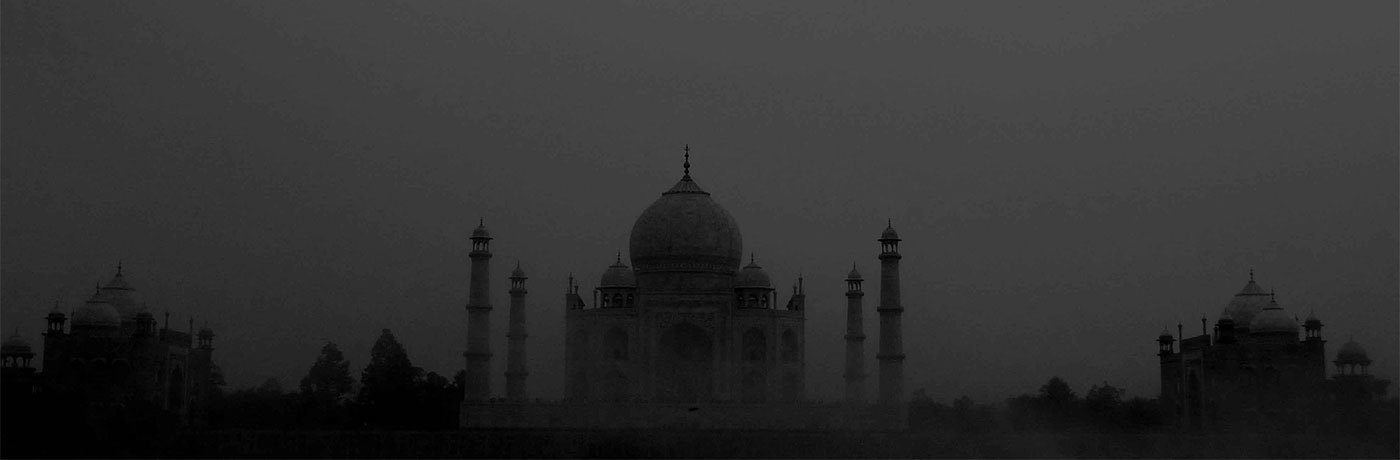
A sunrise Taj Mahal visit can be worthwhile if the travellers are comfortable waking early. The hotel should be close enough to the monument that the morning does not begin with a long drive. After the visit, travellers can return for breakfast and rest before seeing Agra Fort later in the day.
Agra to Jaipur takes approximately 4.5–5.5 hours direct. Fatehpur Sikri can be included, but this turns the transfer into a longer sightseeing day. Senior travellers with good mobility may enjoy it, while those who tire easily may prefer to see fewer sites and reach Jaipur earlier.
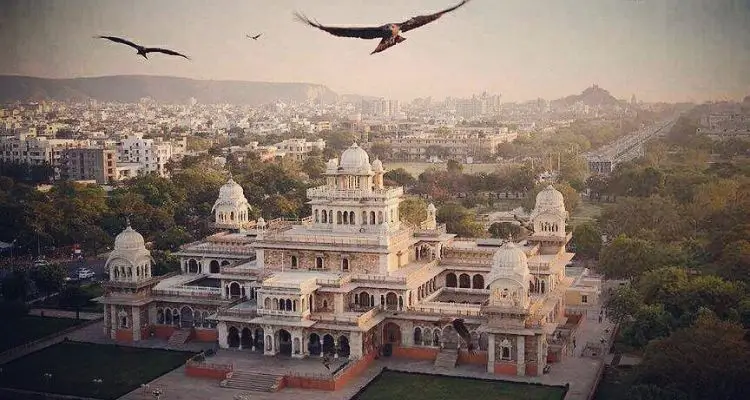
Jaipur deserves at least two nights. Amber Fort should usually receive the morning, followed by lunch and a lighter afternoon. City Palace and Jantar Mantar can be visited on another day, reducing the amount of continuous walking.
A comfortable seven-day Golden Triangle package for two senior travellers with good hotels, an Innova Crysta and selected guides can reasonably cost approximately $3,000–$4,500. A premium version can reach $4,000–$5,500, while luxury arrangements can move to $5,500–$8,500+.
A Rajasthan tour for senior travelers should contain fewer cities than a fast road itinerary of the same duration. The state is large, and the reward comes from spending time in its historic cities rather than repeatedly checking in and out of hotels.
For a ten-day journey, Jaipur, Jodhpur and Udaipur can form a very strong route. Pushkar may also be added when the travellers are comfortable with another hotel change. Jaisalmer should only be included when enough extra days are available because reaching the desert city requires significant road time.
Jaipur to Jodhpur can be handled as one road day. The following day should be largely dedicated to Jodhpur, allowing Mehrangarh Fort to be visited without rushing. Senior visitors should use available access assistance and take pauses inside the complex.
Jodhpur to Udaipur can include Ranakpur, but the complete day becomes longer. Travellers with good energy levels may appreciate the temple stop because it breaks the road journey and provides one of Rajasthan's most impressive religious sites. Those with mobility limitations may prefer a direct transfer and a quieter afternoon in Udaipur.
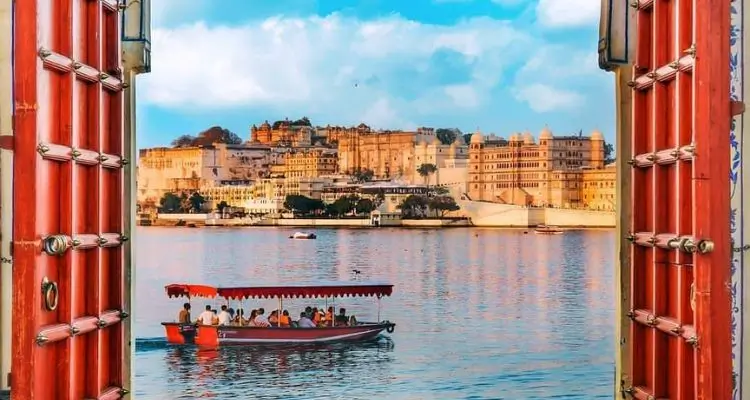
Udaipur is particularly suitable for slower travel. Staying three nights gives senior visitors time for City Palace, Lake Pichola, quieter sightseeing and long evenings without another immediate hotel change. A boat ride can also provide sightseeing with relatively limited physical effort, though boarding access should be considered for travellers with mobility issues.
Jaisalmer requires a different approach. A senior traveller who wants to include it should ideally approach from Jodhpur rather than making a very long direct journey from Jaipur or Udaipur. Jodhpur to Jaisalmer generally takes around 5–6 hours, which is far more manageable than a nine- or ten-hour road day.
At least two nights should be spent in Jaisalmer. A one-night visit is poor value considering the driving required.
A two-week easy-paced Rajasthan tour can reasonably include Jaipur, Pushkar, Jodhpur, Jaisalmer and Udaipur when the route is spaced carefully. Travellers who prefer even slower travel can remove one destination and spend additional nights in the remaining cities.
The goal should be a journey where most hotel stays last at least two nights. One-night stays should be used sparingly because they require packing, checkout and check-in with very little actual destination time.
Hotel category does not automatically indicate senior-friendly access. Some beautiful historic hotels were originally private residences or palaces and therefore contain narrow staircases, raised thresholds and rooms located far from reception. This can be charming for a younger traveller but inconvenient for someone with knee problems or limited mobility.
Before confirming a senior-friendly hotel in India, travellers should ask whether the property has elevators and whether the booked room can be reached without climbing stairs. Ground-floor rooms can be requested where available.
Distance from the lobby also matters at large resorts. A room technically on the ground floor may still require a long walk through gardens or courtyards.
Bathroom access should be checked. Walk-in showers are generally easier for senior guests than high-sided bathtubs. Travellers who require grab bars or a shower chair should request these specifically.
The hotel's dining options also matter. After a long sightseeing day, senior travellers may prefer eating at the hotel rather than taking another car to a restaurant. A property with a dependable restaurant can therefore provide additional value.
For comfortable four-star or strong heritage accommodation, two travellers can reasonably budget around $150–$250 per room per night. Quality five-star hotels can cost approximately $250–$500+, while palace hotels can move above $600–$1,000+ per night depending on destination and season.
A sensible senior itinerary often uses premium hotels in the cities where rest matters most. Spending slightly more on a Jaipur or Udaipur hotel with excellent access and comfortable rooms can improve the trip more than paying for an additional attraction every day.
Food should be treated as part of the daily comfort schedule rather than fitted in whenever sightseeing happens to end. A senior traveller may need regular meals because of medication, blood sugar management or simple energy levels.
Hotel breakfast is useful because it removes the need to leave the property immediately after waking. Travellers can eat at a comfortable pace before meeting the driver.
Lunch should generally be scheduled at a proper restaurant rather than postponed until late afternoon. A one-hour break around midday allows travellers to rest in an air-conditioned environment and recover before the next visit.
Two people can comfortably budget approximately $50–$90 per day for lunch, dinner and ordinary drinks at good restaurants when hotel breakfast is included. Premium hotel dining can increase this to $100–$180+ per day.
Foreign travellers should use sealed bottled water and remain adequately hydrated, particularly in Rajasthan's dry climate. In hotter months, dehydration can happen more quickly than visitors expect.
Travellers with dietary restrictions should communicate them before food is ordered. Vegetarian food is widely available, while low-spice requests can also be made. People with serious food allergies should carry written information describing the allergy clearly.
Alcohol can interact with medication and contribute to dehydration, particularly after long travel days, so senior visitors should follow their usual medical advice rather than treating holiday dining as completely separate from their normal health routine.
Senior visitors should travel with enough prescription medication for the complete trip plus an additional supply in case of delay. Medication should remain in hand luggage during flights and road travel rather than being packed exclusively in checked suitcases.
A copy of prescriptions and a written list of medication names can be useful. International travellers should also know the generic name of important medication because Indian brand names may differ from those used at home.
Travel insurance is particularly important for older visitors. The policy should cover medical treatment in India, emergency assistance and any pre-existing conditions that the traveller needs included. Coverage varies by insurer, so the wording of the policy matters more than simply purchasing the cheapest option.
Private-tour travellers should also keep emergency contact information accessible. Hotels can normally assist with medical support, and major Indian cities have private hospitals serving international patients.
The tour driver should know if a passenger has a major mobility or medical limitation that could affect daily travel, although travellers do not need to share irrelevant private medical details.
If regular medication requires refrigeration, this should be addressed with hotels in advance.
For travellers who use walking sticks, folding mobility aids or a compact wheelchair, the transport operator needs to know because the equipment affects luggage space. An Innova Crysta can be more practical than a sedan when additional mobility equipment is carried.
A good private guide should adapt the visit to the traveller rather than conduct the same fixed tour for every guest. Senior visitors may want more seating breaks, shorter walking sections or a different entrance when available.
A private guide can also save energy by explaining what is important rather than requiring the visitor to walk through every room of a large monument.
For example, a guide at Amber Fort can focus on the most important palace areas. At Mehrangarh Fort, the route can be adjusted to use available elevator access and avoid unnecessary backtracking. In Delhi, a guide can organize the sightseeing order according to traffic and walking requirements rather than simply following a printed list.
A private local guide can reasonably cost approximately $50–$80 for a half-day and $70–$120 for a full day, depending on the city and language.
For senior travellers, paying for a knowledgeable guide can actually reduce fatigue because the day becomes more efficient.
The guide should also understand when to stop talking and allow travellers to rest. A premium private experience is not measured by the number of facts delivered every minute.
For ten days, two senior travellers can reasonably budget approximately $4,000–$5,500 for a comfortable private journey using good hotels, an appropriate vehicle and selected guides. A premium level can cost approximately $5,000–$7,000, while a luxury journey can move to $7,500–$12,000+.
For fourteen days, a comfortable private arrangement can reasonably cost around $5,500–$7,500 for two people. A premium trip may reach approximately $7,000–$10,000, while a luxury version can cost $11,000–$18,000+.
These figures exclude international airfare and large personal shopping expenses.
The additional cost compared with a faster budget trip is often spent on things that directly improve comfort: better hotels, larger vehicle, additional nights, private guides and fewer stressful transfers.
For senior travellers, this is generally better value than spending money on a long list of optional activities while keeping the underlying itinerary exhausting.
Find the answers to all of our most frequently asked questions
Yes. India tours for senior travelers can be very comfortable when the route uses private transportation, good hotels, realistic sightseeing hours and enough nights in each city. The itinerary should be adjusted to the traveller's mobility and energy level.
Two senior travellers can reasonably budget around $400–$550 per day for a comfortable private journey. Premium travel can cost around $500–$700 per day, while luxury arrangements can reach $750–$1,300+ per day for two people.
An Innova Crysta with private driver is often a strong choice because it offers additional cabin space, easier entry and exit and more room for luggage than a standard sedan.
Yes. Delhi, Agra and Jaipur work very well for senior visitors when at least six or seven days are available. A slower schedule avoids forcing long road journeys and heavy sightseeing into the same day.
There is no fixed number, but approximately five or six major destinations is usually much more comfortable than attempting eight or ten cities. Staying two or three nights in important places reduces repeated packing and road fatigue.
Some are excellent, while others have stairs and uneven access because of their historic architecture. Travellers should confirm elevators, room location and bathroom access before booking.
Trains can be used successfully, but a private car and driver is often easier for travellers with large luggage, limited mobility or frequent hotel changes because it provides direct hotel-to-hotel transportation.
Walking requirements vary considerably. Forts and palace complexes can contain stone steps, ramps and uneven surfaces. A private guide can adjust the route and sightseeing duration according to the traveller's mobility.
Travellers should carry enough prescription medication for the trip plus extra for unexpected delays, along with copies of prescriptions and a list of generic medication names. Important medication should remain in hand luggage.
Use two- or three-night hotel stays, a private vehicle, centrally located hotels, later morning departures, regular meal breaks and fewer long road days. The strongest senior itinerary focuses on comfort and destination time rather than trying to include the maximum number of cities.