Your Travel Partner
SINCE 1989
Your Travel Partner
SINCE 1989
The Jaipur Elephant Festival was once one of Rajasthan’s most photographed cultural events. Elaborately decorated elephants, traditional musicians, folk dancers and excited spectators transformed the occasion into a colourful celebration of Jaipur’s royal heritage.
Traditionally organised around Holi, the festival attracted Indian and international travellers interested in Rajasthan’s history and cultural traditions. However, the former event - with painted elephants, races, polo and tug-of-war - has not continued due to animal-welfare and regulatory concerns.
Although outdated travel pages sometimes advertise it as an upcoming annual attraction, visitors should not plan a trip to Jaipur expecting the original Elephant Festival. Its history, however, remains an interesting chapter in the story of the Pink City.
Elephants have occupied an important place in Indian religion, art and royal history for centuries. Lord Ganesha, one of Hinduism’s most widely worshipped deities, is represented with an elephant’s head and is associated with wisdom, prosperity and the removal of obstacles.
Hindu mythology also describes Airavata, the celestial white elephant associated with Indra, king of the gods. These religious connections helped establish the elephant as a symbol of power, dignity and good fortune.
Elephants also played a prominent role in Rajasthan’s royal courts. Rajput rulers used them in ceremonial processions, state occasions and, historically, military campaigns. A richly decorated elephant leading a royal procession communicated the wealth and authority of the kingdom.
The Jaipur Elephant Festival developed against this cultural background, combining royal imagery with the festive atmosphere of Holi.
The festival was generally held shortly before Holi and was associated with venues such as Jaipur’s polo grounds. It began with a procession featuring decorated elephants accompanied by camels, horses, musicians and Rajasthani folk performers.
Female elephants were commonly selected for participation. Mahouts decorated them with embroidered cloth, anklets, jewellery and colourful designs. A competition was then held to select the best-decorated elephant.
The festival’s visual appeal made it popular with photographers and tourists. The decorated animals paraded before judges while musicians and dancers added to the celebratory atmosphere.
Other reported activities included elephant races, elephant polo and tug-of-war contests between elephants and groups of people. Visitors were sometimes invited to participate in selected activities or interact closely with the animals.
At the time, these experiences were marketed as entertaining expressions of Rajasthan’s royal traditions. Today, they are viewed differently because of increased understanding of elephant behaviour and the welfare implications of using wild animals for performances.
The traditional Jaipur Elephant Festival faced growing opposition from animal-welfare organisations and regulatory authorities.
Concerns included the use of elephants as performing animals, the validity of ownership documents, required registrations and the potential effects of paint, crowds, noise and competitive activities on their health and behaviour.
In March 2013, the Animal Welfare Board of India advised the Rajasthan government that proposed activities involving elephants raised animal-protection and regulatory issues. Elephant participation did not go ahead in the planned format. The following year, the event was again cancelled after permission to use elephants was not secured.
As a result, travellers should treat the Elephant Festival as a historical event rather than a confirmed annual festival in Jaipur. Online articles that list future dates without confirmation from Rajasthan Tourism may be recycling old information.
The discontinuation of the festival reflects a wider shift in the travel industry. Experiences once promoted as exotic or traditional are increasingly being evaluated according to their effect on animals.
Elephants are intelligent, social animals with complex physical and behavioural needs. Painting them, exposing them to large crowds or making them participate in rides and performances can raise serious welfare concerns.
Responsible travellers should carefully examine any attraction describing itself as an elephant sanctuary, rescue centre or conservation experience. A commercial venue does not automatically become ethical simply because it uses compassionate language in its marketing.
Warning signs can include elephant rides, performances, forced bathing, unrestricted touching, painting or animals being made to pose for photographs. Genuine welfare-focused facilities should prioritise the animals’ needs instead of guaranteeing close interaction for every visitor.
Travellers can still appreciate the place of elephants in Indian culture through temple art, museum collections, historical paintings and guided heritage tours without participating in exploitative activities.
The end of the former Elephant Festival does not mean Jaipur has lost its festive spirit. Holi remains one of the most colourful times to experience the city.
Celebrations may feature gulal, traditional music, dance performances, festive food and cultural programmes. However, the location and format of organised events can change each year. Visitors should confirm details through current official announcements instead of depending on an old festival calendar.
Travellers should use skin-safe colours, protect their phones and cameras, wear clothes that can be stained and avoid accepting food or drinks from unknown sources. Booking a professionally arranged Holi experience can be useful for international visitors and families seeking a comfortable and well-managed celebration.
Holi dates change every year according to the Hindu lunar calendar, so accommodation and transport should be arranged in advance.
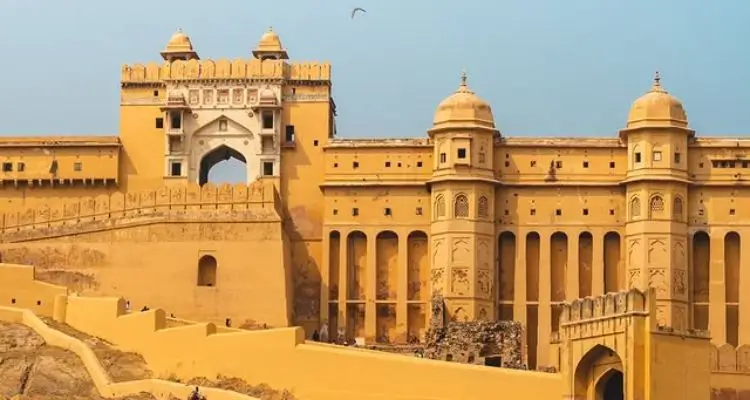
A private Jaipur tour offers many opportunities to explore the city beyond festival events. Amber Fort introduces visitors to Rajput military architecture and palace life, while the City Palace preserves royal collections and traditions.
Jantar Mantar provides a fascinating look at historic astronomy, and Hawa Mahal remains one of Jaipur’s most recognisable landmarks. Travellers can also explore local bazaars, jewellery workshops, textile studios, block-printing traditions and Rajasthani cuisine.
Visitors interested in a broader journey can include Jaipur in a private Rajasthan tour covering Jodhpur, Udaipur, Pushkar, Ranthambore or Jaisalmer. Jaipur also forms an important part of the Golden Triangle route connecting Delhi, Agra and Jaipur.
A customised Rajasthan tour package allows travellers to combine heritage monuments, cultural experiences, palace hotels and private transport according to their available time and interests.
Jaipur’s heritage extends far beyond a single discontinued event. Its forts, palaces, observatories, markets, cuisine and living craft traditions provide enough experiences for a memorable holiday without relying on animal performances.
Travel Plan Raj creates private, tailor-made Rajasthan itineraries based on each traveller’s dates, interests and preferred pace. Explore our Rajasthan tour packages or contact our local team to plan a comfortable Jaipur holiday with private transport, experienced drivers and carefully selected cultural experiences.