Your Travel Partner
SINCE 1989
Your Travel Partner
SINCE 1989

One of our guests, a retired teacher from Melbourne, arrived in Jaipur with a small laminated card in her purse and a quiet worry in her voice. She had coeliac disease and had been told by friends that Indian food was "all wheat and cream". By the end of her two weeks in Rajasthan, she had eaten better than she had on any holiday in years, and her card was covered in the signatures of the chefs who had cooked for her. That story is far more common than most people expect. India is one of the easiest countries in the world for vegetarian and vegan travellers, and its best hotels are very used to gluten-free, kosher, nut-free and dairy-free requests. The real risks lie in the details: hidden wheat in a spice, cashews ground into a sauce, clarified butter brushed onto bread, or a kitchen that treats an allergy as a preference. This guide explains how luxury hotels in India handle special diets, which dishes are usually safe, how to prepare a translation card, and where to be careful, so that meals on tour feel like a pleasure rather than a risk.
The large hotel groups that dominate luxury travel in India, including Taj, The Oberoi, ITC Hotels, The Leela and the Marriott and Hyatt brands, all run professional kitchens with trained chefs, allergen procedures and long experience with international guests. Many of their chefs have worked in Europe, the Middle East or Southeast Asia and are familiar with coeliac disease, severe nut allergies and strict vegan diets. A request for a gluten-free breakfast or a dairy-free dinner is routine for them, not unusual.
The key is to tell them early. When your tour is booked, your travel operator should pass your dietary details to each hotel in writing, usually a week or two before arrival. Good hotels will log this on your guest profile, and the restaurant team will see it each time you sit down. Many will arrange a short meeting with the executive chef or the sous chef on the first evening. That conversation is worth having, even if it feels like a fuss. The chef will ask about severity, cross-contamination, specific ingredients and which dishes you enjoy, then guide the kitchen accordingly. In palace hotels such as Rambagh Palace in Jaipur, The Oberoi Udaivilas or Umaid Bhawan Palace in Jodhpur, the chef often cooks a dedicated meal for guests with serious allergies rather than adapting a dish from the menu.
Breakfast buffets deserve special attention. They look generous and safe, but shared serving spoons, crumbs from bread baskets and nuts scattered across cereal stations make cross-contamination easy. Most luxury hotels will cook your breakfast to order from the kitchen instead, and many will bring gluten-free bread, plant milks or nut-free pastries to your table. Ask once, on the first morning, and the team usually remembers for the rest of the stay.
Expect differences between properties. Large city hotels in Delhi and Jaipur tend to stock specialist products such as gluten-free pasta, certified gluten-free bread, oat and almond milk, vegan butter and dairy-free ice cream. Smaller heritage hotels, wildlife lodges near Ranthambore and desert camps outside Jaisalmer cook beautifully but may not keep these items in stock unless they are asked in advance. A good tour operator will warn these properties ahead of time so that the right supplies are bought from the city before you arrive.
A practical tip: in-room dining menus at most luxury hotels mark vegetarian dishes with a green symbol, and many now mark common allergens as well. The symbol system is useful but not a guarantee, especially for gluten. Always confirm with the kitchen rather than relying on the icon alone. Staff at good hotels prefer a question to a problem, and none of them will think it rude.
Enjoy India's rich culinary traditions with vegan-friendly meal planning. Explore delicious plant-based options, communicate your preferences in advance and experience a more comfortable journey.
Gluten-free travel in India is easier than in many European countries, because so much traditional cooking is based on rice, lentils, chickpeas, millet and vegetables rather than wheat. South Indian food in particular is naturally rice-based. The risk comes from a few places that are easy to miss unless someone explains them.
The first is bread. North Indian and Rajasthani meals are often served with flatbreads made from whole wheat flour, refined flour or a mix of both. Breads cooked in a clay oven, flaky layered breads, puffed fried breads and stuffed breads are all wheat-based. In Rajasthan, the famous baked dough balls served with lentils are also made from wheat. Some kitchens make breads from millet, sorghum or maize flour, which are naturally gluten-free, but they are often rolled on the same surface as wheat dough and may contain a little wheat flour to help them hold together. Unless the chef confirms otherwise, treat all flatbreads as unsafe.
The second hidden source is asafoetida, a pungent spice used in small amounts in lentil dishes and vegetable curries. In its pure form it is a resin, but the powdered version sold in India is almost always mixed with wheat flour to make it easier to use. A dish can look perfectly safe and still carry gluten through this spice. Luxury hotel kitchens can buy a gluten-free version or leave it out completely, but they must be asked.
Other traps include fried snacks coated in chickpea batter that has been thickened with wheat flour, sauces thickened with flour, soy sauce in Indo-Chinese dishes, semolina in South Indian breakfasts, and vermicelli in milk desserts. Beer is brewed from barley, and many whiskies are distilled from grains.
On the bright side, a large number of dishes are naturally gluten-free when cooked carefully. Plain steamed or cumin rice, saffron rice, lentil curries made without asafoetida, chickpea curry, vegetable curries, grilled fish and meats marinated in yoghurt and spices, rice pancakes and steamed rice cakes from the south, and rice puddings are all usually safe. In Rajasthan, the slow-cooked mutton curry known locally as red meat curry and dishes made with gram flour dumplings can be safe if prepared without wheat. Fresh fruit, plain yoghurt and eggs cooked to order complete a simple breakfast.
If you are coeliac rather than simply avoiding gluten, say so clearly. Many cooks in India have heard of gluten-free as a diet trend, but fewer understand that a few crumbs can make someone ill. Using the word "allergy" and explaining the seriousness helps the kitchen take it seriously. Luxury hotels generally manage this well; roadside restaurants and small cafés usually cannot guarantee it, even with good intentions. Bring a supply of gluten-free snacks such as crackers or protein bars for long road days between cities, when the lunch stop may be a simple highway restaurant.
India is often described as a paradise for vegetarians, and that is true. Rajasthan has a long tradition of meat-free cooking, and some communities avoid even onion and garlic. But vegan travel in India is a different matter, because Indian vegetarian food leans heavily on dairy. Milk, yoghurt, cream, fresh cottage cheese and clarified butter appear in a large share of dishes, often in ways that are not obvious.
Clarified butter is the main thing to watch. It is used for tempering spices, frying, finishing lentils, brushing breads and making sweets. A lentil curry that seems entirely plant-based may have a spoonful of clarified butter stirred in at the end. Yoghurt is used in marinades, in rice dishes and in many gravies. Cream and butter define the rich northern curries that visitors love, and the soft cheese cubes found in so many vegetarian dishes are made from milk. Milk sweets dominate the dessert menu. Even spiced tea, served at every stop, is brewed with milk unless you ask for it black.
Luxury hotel kitchens are well able to cook vegan Indian food when the request is clear. Ask for dishes to be cooked in vegetable oil instead of clarified butter, with no cream, butter, yoghurt or cheese. Chefs can swap dairy for coconut milk, cashew cream (if nuts are safe for you), tomato or onion bases. Many dishes are naturally vegan when made this way: chickpea curry, black-eyed bean curry, spiced potatoes with cauliflower, okra, aubergine roasted over flame and mashed with spices, mixed vegetable curries, lentils, vegetable rice and most South Indian staples such as rice pancakes with coconut chutney and lentil-and-vegetable soup.
It helps to use the right word. In India, "vegetarian" generally means no meat, fish or eggs, but dairy is fully expected. "Pure vegetarian" restaurants are the same. The word "vegan" is now understood in big hotels and modern cafés in Jaipur, Delhi and Udaipur, but in smaller places it can be safer to list the ingredients you do not eat: no milk, no clarified butter, no butter, no cream, no yoghurt, no cheese, no honey, no egg.
Breakfast is often the trickiest meal. Hotel buffets lean on pastries, butter and milk-based dishes. Plant milks such as almond, oat and soy are generally available in luxury city hotels, but should be requested in advance for heritage properties and safari lodges. Fresh fruit, savoury flattened rice with peanuts and curry leaves, savoury semolina porridge made with oil (if gluten is not an issue), and toast with peanut butter or jam usually work well.
In Jaipur and Udaipur, a handful of independent cafés now cater specifically for plant-based travellers, often with cold-pressed juices, smoothie bowls and dairy-free desserts. They make a pleasant change on a free afternoon. Your guide can recommend current places, since cafés open and close regularly.
Every traveller deserves a comfortable holiday. Combine personalised itineraries, advance dietary communication and carefully planned dining experiences to make your Indian journey more enjoyable.
Keeping kosher in India takes more preparation than other diets, because there are very few certified kosher kitchens in the country and almost none inside hotels. Jewish travellers have still been visiting India comfortably for many years, thanks largely to the network of Chabad Houses that serve Israeli backpackers and other Jewish visitors.
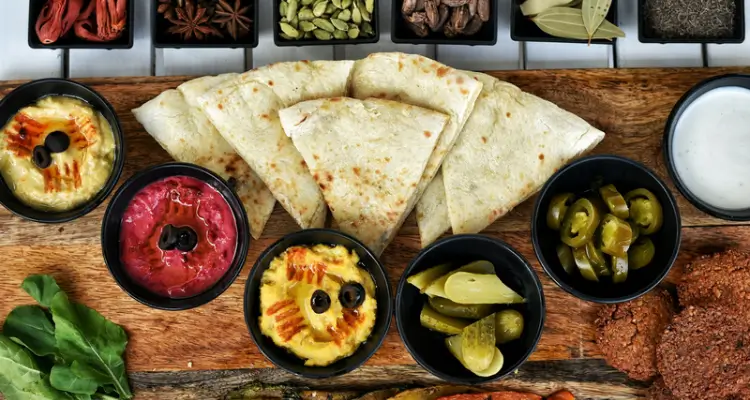
In Delhi, the best-known is the Chabad House in Paharganj, near New Delhi railway station, which has a dining room serving Israeli-style kosher meals such as hummus, falafel, schnitzel and fresh pita. A second Chabad centre in Vasant Vihar in South Delhi serves the local expatriate community. Both host Friday night and Saturday Sabbath meals and celebrate festivals such as Hanukkah and Passover. Chabad also runs centres in Mumbai, Pushkar, Dharamshala, Goa and other places popular with Israeli travellers. In Rajasthan, the Chabad House in Pushkar is the closest to the classic tour circuit and is well known for its warm Sabbath dinners.
For travellers staying at luxury hotels, the most common arrangement is sealed kosher meals. Chabad kitchens in Delhi, and some specialised caterers, can prepare double-wrapped meals that are delivered to hotels or packed for road trips. Hotels heat them in their wrapping or serve them cold according to your instructions, using disposable plates and cutlery. This needs to be organised well in advance, usually through your tour operator, because the kitchens are small and the logistics are not simple outside Delhi. Contact the relevant Chabad centre directly a few weeks before travel to confirm availability, prices and delivery, as arrangements change.
Some travellers who keep a more flexible standard prefer to eat vegetarian or vegan meals cooked in hotel kitchens, avoiding meat and shellfish entirely. Luxury hotels can prepare these on fresh cookware, wrapped in foil, or cook fish with scales and fins separately on request. Fruit, raw vegetables, eggs in their shells, sealed packaged foods and bottled drinks are other common fallbacks. Specialist kosher tour operators also run group trips to India with certified meals included, and their arrangements can sometimes be used by private travellers.
Packaged goods with international kosher certification are available in a few import stores in Delhi and Mumbai, but not reliably in Jaipur, Agra or Udaipur. Bring snacks, sealed crackers, wine for the Sabbath, and anything else you rely on daily. Long drives between Jaipur, Ranthambore and Agra can stretch to five or six hours, so a cooler box in the car with sealed meals and drinks makes the day much easier. Your driver and guide will be happy to stop wherever is convenient for meals or prayer, and Rajasthan's palace hotels are used to accommodating religious practice with discretion and respect.
Severe allergies need the most care of all, because Indian cooking uses several common allergens in ways that are hard to see. Nut allergies in India are the biggest concern for most travellers. Cashews are ground into paste to thicken the rich gravies of North Indian cooking, especially creamy curries, mild nut-based curries and royal Mughal recipes. Almonds and pistachios decorate rice dishes and desserts. Peanuts appear in snacks, chutneys, flattened rice breakfasts and sweets, and peanut oil is used for frying in western and southern India. Indian staff often call nuts "dry fruits", which can cause confusion. Sesame shows up in breads, chutneys and winter sweets, and mustard oil and mustard seeds are used across the north.
The first rule is to bring your own medication. Adrenaline auto-injectors such as EpiPen are not reliably available in Indian pharmacies, so carry enough for the whole trip, plus spares, in hand luggage. Keep them away from the heat of a parked car. Carry a doctor's letter stating your diagnosis and the medication you carry, along with antihistamines and any inhalers you use.
The second rule is to communicate clearly. An allergy translation card in English and Hindi is very helpful, even in luxury hotels, because the person cooking may not be the person you spoke to. It should state your allergy, list the foods and forms to avoid, explain that even small traces are dangerous, and ask for food to be cooked separately with clean utensils and fresh oil. Several companies sell printed chef cards in Hindi, and allergy charities in many countries offer templates. Your guide can also check the Hindi wording for you. Hand the card to the waiter and ask for it to go to the chef, every meal.
The third rule is to know where help is. In Delhi, large private hospitals such as Apollo Hospital, Max Super Speciality Hospital in Saket and Fortis hospitals have strong emergency departments. In Jaipur, Fortis Escorts Hospital in Malviya Nagar and Narayana Multispeciality Hospital are good options. Udaipur, Jodhpur and Agra all have private hospitals with emergency care. The national emergency number is 112, and an ambulance can be called on 108 in most states. Your driver usually knows the fastest route to the nearest good hospital and can often get you there faster than an ambulance.
Hotels deal with dairy, egg, shellfish and soy allergies well when warned in advance. Shellfish is less common in Rajasthan's inland cooking, which helps, but it appears in coastal-style dishes and international menus. Egg is used in many bakery items, including breads and some cakes, so ask about it at breakfast. Travel insurance that includes medical evacuation is essential for anyone with a serious allergy.
The food you eat inside a luxury hotel is the easy part. The real test comes on the road, between cities, at markets and on afternoon walks through the old town, where the smell of frying snacks and sweet milk drifts from every corner. Street food in India is a joy for many visitors, but for anyone with an allergy, coeliac disease or a strict diet, it carries extra risk.
Street vendors cook quickly, reuse oil, and handle many ingredients with the same hands and tools. A fried potato snack may be cooked in oil used earlier for wheat-coated pastries or peanuts. Chutneys often contain peanuts, sesame or yoghurt. Spice mixes may include asafoetida with wheat. Sweets are almost always made with milk, clarified butter or nuts. Even with goodwill, a vendor cannot answer detailed questions about ingredients in a noisy market. For travellers with severe food allergies, the honest advice is to skip street food entirely. For those with milder needs, a guided food walk with an experienced local guide is a much safer way to taste the city, because the guide knows the vendors, can ask the right questions in Hindi and will steer you to stalls that fry fresh.
Road stops are the other weak point. The drive from Delhi to Jaipur, Jaipur to Ranthambore or Udaipur to Jodhpur often includes a lunch break at a highway restaurant or heritage hotel. Some are excellent, others are basic. Let your driver and guide know your needs on the first day, and they will choose places with cleaner kitchens and staff who will listen. For the longest days, ask the hotel the night before to pack a lunch box suited to your diet, which most luxury hotels will happily do for a modest charge, usually Rs.1,500 to Rs.3,500 per box, roughly 17 to 40 US dollars.
Restaurants outside hotels vary widely. In Jaipur, Delhi, Udaipur and Agra, well-known fine dining restaurants inside hotels such as ITC Maurya, The Oberoi New Delhi and Rambagh Palace are reliable for special diets. Independent restaurants that serve international tourists are usually helpful, and many now print allergen information on their menus. Small local places are more of a gamble. When in doubt, eat simply: plain rice, a lentil curry without asafoetida, grilled meats or vegetables, and fresh fruit you peel yourself.
Water and hygiene still matter for every traveller. Drink bottled or filtered water, avoid ice outside good hotels, and be cautious with raw salads at street stalls. Carry hand sanitiser and some safe snacks. A small cool bag in the car is handy for yoghurt alternatives, gluten-free bread or sealed meals.
Finally, enjoy the food. Indian chefs are proud of their cooking and often delighted to create something special for a guest with particular needs. Many travellers with restricted diets find themselves eating some of the best and most personal meals of their lives in India, precisely because someone took the time to cook just for them.
It is easier than many people expect, because rice, lentils and chickpeas are staples. Watch for wheat in flatbreads, sauces, fried batters and powdered asafoetida, and tell your hotel chef if you are coeliac.
Yes. Taj, Oberoi, ITC, Leela and other luxury hotels routinely cook vegan meals on request. Ask for dishes to be made with oil instead of clarified butter, with no cream, butter, yoghurt or cheese.
Yes. The Chabad Houses in Paharganj and Vasant Vihar serve kosher meals and host Sabbath dinners. Sealed kosher meals for hotels or road trips can often be arranged through them with advance notice.
There is a Chabad House in Pushkar, popular with Israeli travellers. Elsewhere in Rajasthan, most visitors rely on sealed meals from Delhi, vegetarian food cooked on fresh cookware, and packaged items brought from home.
Adrenaline auto-injectors are not reliably sold in Indian pharmacies. Bring enough for the whole trip plus spares, keep them in hand luggage, and carry a doctor's letter.
Creamy North Indian curries often use cashew paste as a thickener. Rice dishes, desserts and sweets often contain almonds, cashews or pistachios, and peanuts appear in snacks, chutneys and breakfast dishes.
Yes. A clear card in English and Hindi explaining your allergy, the foods to avoid and the risk of traces helps the message reach the cook. Hand it to the waiter at every meal and ask for it to go to the chef.
For severe allergies, it is best avoided, because vendors reuse oil and share utensils. Travellers with milder needs can try street food safely on a guided food walk with a local guide who knows the vendors.
Ideally one to two weeks before arrival, in writing, through your tour operator. Heritage hotels, wildlife lodges and desert camps need the most notice to buy specialist products.
Bring sealed snacks such as gluten-free crackers or protein bars, any specialist items you rely on daily, allergy medication with spares, a doctor's letter and a translated chef card.