Your Travel Partner
SINCE 1989
Your Travel Partner
SINCE 1989
India can be difficult to read from the surface. A palace may look magnificent without revealing the political rivalry behind its construction. A carving inside a centuries-old temple may appear decorative until someone explains the religious meaning attached to it. A crowded lane in Old Delhi can feel chaotic until its connection with Mughal-era commerce, food traditions and local communities becomes clear. For international visitors who want more than photographs and short descriptions from a guidebook, hiring a private tour guide in India can make a substantial difference.
A professional guide does much more than recite dates. The right person can explain historical context, local customs, architecture, religion, royal families, regional traditions and the small details that visitors often miss. Guides can also help guests move efficiently through large monuments, understand entry procedures, communicate with local staff and use limited sightseeing time sensibly.
Private guiding is particularly useful in destinations such as Delhi, Agra, Jaipur, Jodhpur, Udaipur, Varanasi, Mumbai and other heritage-rich cities where a visitor may encounter several major sites in a single day.
The important part is hiring the right person. Guide credentials, language ability, destination knowledge, daily charges and the exact scope of service should be checked before confirming anything. India has different guide and facilitator frameworks, including state or local licensing arrangements and the Ministry of Tourism's Incredible India Tourist Facilitator and Incredible India Tourist Guide certification framework. The Ministry has stated that local guide licences are handled by state governments or Union Territory administrations rather than through one single local licence issued directly by the central ministry.
A private guide in India works exclusively with an individual traveller, couple, family or private group for the agreed period. Unlike a large coach tour, the conversation can be adapted to the guests. A traveller interested in Mughal architecture may spend more time discussing marble inlay work and imperial history at the Taj Mahal, while a family travelling with teenagers may prefer shorter historical explanations and more time for photographs, markets and local stories.
The distinction between a driver and a guide is equally important. A private driver in India is responsible primarily for road travel, vehicle safety, transfers and transportation between destinations. Drivers often have excellent practical knowledge of routes and cities, but they should not automatically be treated as professional monument guides. A qualified local guide has specialist knowledge of monuments, historical interpretation, visitor procedures and the destination itself.
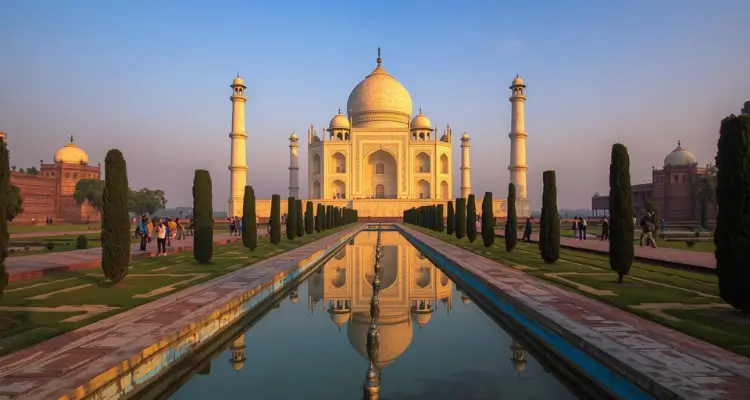
Consider a typical day in Agra. A traveller may leave the hotel before sunrise for the Taj Mahal, continue to Agra Fort, stop for lunch and later visit Itmad-ud-Daulah or Mehtab Bagh. Having a knowledgeable Agra private tour guide means the guest does not need to research every architectural feature while standing inside the monument. The guide can explain why the Taj Mahal was commissioned, how its symmetry works, the role of pietra dura decoration, the relationship between Shah Jahan and Mumtaz Mahal and how the complex fits into the broader Mughal period.
Delhi requires a different kind of knowledge. The capital contains several historical layers rather than one single period. Old Delhi, Humayun's Tomb, Qutub Minar, the colonial avenues around New Delhi and important religious sites require very different historical context. A capable private tour guide in Delhi can connect those periods without turning the day into a classroom lecture.
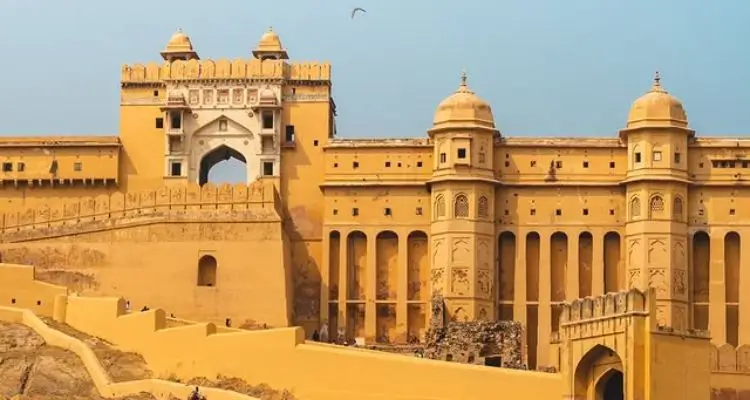
Jaipur again requires another skill set. Amber Fort, City Palace, Jantar Mantar and the old city markets make much more sense when royal history, Rajput architecture, astronomical instruments and local craft traditions are explained properly. Travellers interested in textiles, gemstones or handicrafts should tell the guide beforehand, but shopping should remain optional rather than becoming the focus of the day.
A private guide becomes especially valuable for first-time visitors, travellers with limited sightseeing time, families, senior guests and people with a serious interest in history, architecture, photography or religion. It can also be useful when visiting sites where etiquette matters. Religious buildings may have footwear rules, clothing expectations, photography restrictions or separate areas where visitors should behave differently.
Travellers should still retain control over their day. A good guide should not rush guests through a monument simply to reach a shop or restaurant. Likewise, guests should feel comfortable saying that they do not want shopping stops. Before booking, state whether the priority is history, photography, architecture, food, religion, local life or a combination of interests.
Professional guiding also matters because India does not use a single simplistic national “licensed guide” arrangement for every local situation. The Ministry of Tourism has supported professional certification through its Incredible India Tourist Guide and facilitator framework, while state and Union Territory authorities may have their own local guide licensing systems. The Ministry's guide certification framework includes eligibility and training requirements, and government material describes the objective as creating trained professional tourist facilitators and guides, including foreign-language capability.