Your Travel Partner
SINCE 1989
Your Travel Partner
SINCE 1989
A ring box feels much heavier than it really is when it travels halfway across the world in a jacket pocket. Couples who come to India to propose usually settle on one of two places: the white marble of the Taj Mahal in Agra, or the lakes and palace hotels of Udaipur. Both are deeply romantic, but they work in very different ways. The Taj Mahal is a protected monument with tight security, fixed hours and thousands of visitors every day, so the moment has to be quiet, quick and well timed. Udaipur allows far more freedom, with private boats, candlelit island dinners and lakeside terraces that can be arranged entirely around the two of you. This guide covers the actual rules at the Taj, the best moments and viewpoints, the hotels that handle a private proposal setup well, and what a marriage proposal in India realistically costs. That way, the only surprise on the day is the one you intended.
There is no rule against getting down on one knee at the Taj Mahal. Couples do it every week, and security staff are used to seeing a ring appear near the reflecting pools. What the rules do restrict is anything that looks like an organised event. The monument is managed by the Archaeological Survey of India and guarded by the Central Industrial Security Force. Banners, placards, signs and any form of publicity material are not permitted inside the complex. A "Will You Marry Me" board, a flower arch, a speaker playing music or a group of friends holding letters will all be stopped, either at the security gate or on the grounds. A successful Taj Mahal proposal is a quiet one: a few words, a ring and a photographer standing a short distance away.
The list of prohibited items matters as much as the etiquette, because it decides what you can carry in. Tripods are banned, including the small ones built into selfie sticks. Drones are strictly prohibited inside and around the complex. Other banned items include food (even toffees), tobacco, lighters, phone chargers, power banks, headphones and electrical goods other than cameras. Large bags and backpacks are discouraged and slow down the security check. Bouquets and loose rose petals are usually turned away at the gate, and candles are out of the question. A ring is perfectly fine. A small, soft pouch is easier than a hard box, because a box may be opened during the security check and spoil the surprise.
Entry timings and Taj Mahal ticket prices for foreign tourists need to be part of the proposal timing. The monument opens 30 minutes before sunrise and closes 30 minutes before sunset. It is closed every Friday. The foreign visitor ticket is Rs.1,100, and entering the main mausoleum costs an additional Rs.200, so most couples pay Rs.1,300 each, roughly 15 US dollars. Tickets bought online carry a small discount of Rs.50 per foreign visitor. Children under 15 enter free. The ticket is valid for about three hours from entry, which is more than enough time to walk the gardens, find the right spot and still visit the tomb afterwards.
Photography is allowed throughout the gardens, the main platform and the riverside terrace. It is not allowed inside the main mausoleum, so the proposal itself should happen outdoors. A hired photographer can come in as a normal ticketed visitor and shoot handheld. Commercial filming with crews or professional rigs needs separate permission from the ASI and is rarely worth the effort for a proposal. If a crowd gathers and blocks a walkway, guards may politely ask everyone to move on, so the whole moment should take a minute or two.
The famous bench in front of the main view has a queue for most of the day and very little privacy. Better spots include the far ends of the side gardens beside the water channels in the early morning, and the quieter sandstone platform near the guest house on the eastern side. The mosque on the western side is an active place of worship, so it is best avoided for anything personal or theatrical.
Timing shapes the feel of a Taj Mahal proposal more than anything else. The first hour after opening is the most popular choice, and for good reason. The marble turns pale pink and then soft gold, the gardens are cool, and the crowd is a small share of the midday rush. Couples who arrive at the East Gate about 45 minutes before opening usually get through security among the first visitors. That gives a calm window of 30 to 40 minutes before tour groups arrive. In winter, sunrise falls between roughly 6:45 and 7:10 in the morning. In early summer it can be as early as 5:30, so the opening time shifts through the year. From late December to mid-January, dense morning fog can hide the monument completely for the first few hours. A backup option for that season is essential.
Taj Mahal night viewing sounds like the most romantic option, and it can be, but it is important to know what it actually involves. It is offered on only five nights a month: the full moon night and the two nights before and after it. It is not offered on Fridays or during the month of Ramadan. Viewing runs from 8:30 in the evening to 12:30 at night, in eight batches of no more than 50 people each, and every batch gets just 30 minutes. Visitors watch from a fixed sandstone platform near the main gateway and cannot walk the gardens. Mobile phones are not allowed at night, although a still camera is permitted after the security check. The foreign visitor ticket is Rs.750. Tickets are limited and usually sell out a day or more in advance, especially around the October full moon. A moonlit proposal is possible, but expect to share the platform with dozens of strangers.
Mehtab Bagh, across the Yamuna River, is the answer for couples who want the view without the crowd. This Mughal-era garden lines up directly with the Taj and sees a fraction of the footfall. Late afternoon is especially beautiful, as the sun drops and the marble glows across the water. Foreign visitors pay an entry fee of around Rs.300. Right beside it is the Taj View Point run by the Agra Development Authority. Entry costs about Rs.200 for foreign visitors during the day and around Rs.500 on full moon nights, when it stays open until midnight. Because the Taj is closed on Fridays, Mehtab Bagh becomes the natural Friday choice. It also allows a little more freedom with flowers and a small picnic setup, although you should still ask before bringing anything elaborate.
The most private Taj view of all is from a hotel. At The Oberoi Amarvilas, every room and suite faces the monument from roughly 600 metres away. A proposal on a private balcony at sunrise, with the dome framed behind the two of you, gives the Taj in the background with no security queue, no time limit and no other visitors. Many couples split the day this way: a quiet early visit to the monument together, followed by the real proposal back at the hotel, where flowers, champagne and a photographer can all be arranged without breaking any rules.
Since the monument itself does not allow decorations, the elaborate part of an Agra proposal almost always takes place at a hotel. The leading properties have done hundreds of these and know exactly how to keep a secret. The Oberoi Amarvilas is the first choice for most couples. Taj-view premier rooms usually cost between Rs.60,000 and Rs.95,000 a night in peak season, before taxes. Suites cost considerably more, and the top suite runs well beyond Rs.250,000. The hotel can set up a private balcony breakfast or dinner with flowers, candles, a cake and a bottle of champagne. Depending on the décor and menu, a private dining setup typically costs Rs.45,000 to Rs.120,000 on top of the room. The terrace and pool area, with fountains leading toward the Taj, makes a wonderful backdrop for evening photographs.
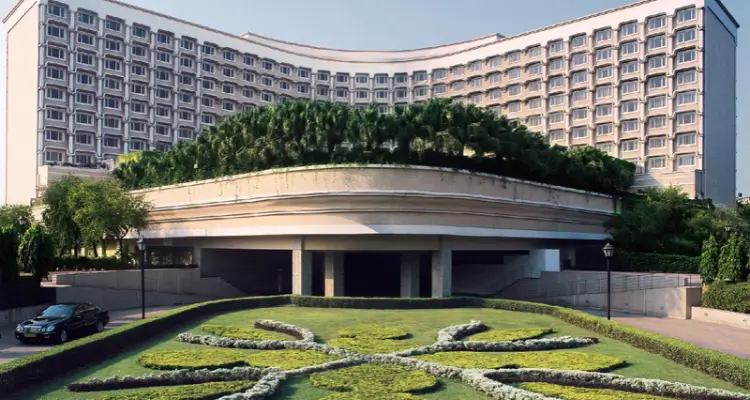
ITC Mughal takes a different approach, built around its sprawling Mughal-style gardens. Its proposal setups tend to be garden dinners under lanterns, with a private table set away from other guests and live instrumental music. A full garden setup with florals, a dedicated server and a musician usually costs Rs.35,000 to Rs.90,000, and peak season rooms run Rs.22,000 to Rs.45,000 a night. It suits couples who want more space and greenery than a direct monument view. The Taj Hotel and Convention Centre offers rooftop dining with a distant view of the Taj and is a reliable mid-luxury alternative. Trident Agra is quieter and works well for a smaller, simpler setup.
What makes a hotel setup succeed is the briefing behind it. Speak to the hotel's guest relations team, by email or through your tour operator, at least two weeks ahead. Confirm the exact table position, the sunset time, the décor style, the cake message, and what happens if your partner arrives early. Agree on a simple signal for the photographer, such as a hand on the shoulder or a particular phrase. A good butler can keep your partner occupied while the setup is finished, or bring them to the terrace at the right moment.
A proposal photographer in Agra is worth every rupee, because a phone held by a stranger rarely captures the moment well. Experienced proposal photographers usually charge Rs.25,000 to Rs.60,000 for a two to three hour session with 150 or more edited images. Short video highlights cost an extra Rs.30,000 to Rs.70,000. Many will come into the Taj as ordinary visitors, follow at a distance, and then join you at the hotel for the celebration shots. Remember that the photographer needs their own ticket and must follow the same tripod and equipment rules as everyone else.
Couples staying only one night often combine the two halves neatly. They make an early visit to the monument, propose quietly in the gardens or wait for the hotel, and then have a long celebration dinner that evening. A private car and driver from Delhi to Agra takes about three and a half hours on the expressway. It costs roughly Rs.12,000 to Rs.18,000 for a premium sedan or SUV for the day, which makes a same-day return possible, although staying overnight is far more relaxed.
A proposal in Udaipur offers something the Taj never can: complete privacy and freedom with the setup. The city is built around a chain of lakes, and its palace hotels have turned romantic occasions into a quiet specialty. Lake Pichola is at the centre of it all. The City Palace runs along its eastern shore, while two island palaces sit on the water: the Taj Lake Palace and Jag Mandir. At sunset the whole lake turns amber, and the hills behind the city fade to violet. That is the light most couples want in their photographs.
Taj Lake Palace is reached only by the hotel's own boat, which makes it one of the most private places to propose anywhere in India. Rooms usually cost Rs.75,000 to Rs.160,000 a night in peak season, and the grand suites go much higher. The hotel arranges private dinners on its terraces or on a small floating deck. A proposal setup with florals, a private chef menu and music typically costs Rs.70,000 to Rs.180,000. Non-resident dining is limited and must be booked well ahead, so most couples who choose this option stay at least one night.
The Oberoi Udaivilas sits on the western shore and looks back across the water at the City Palace. Its proposal setups often begin with a private boat ride to the hotel's own jetty, followed by dinner beside a courtyard pool or in a lantern-lit pavilion. Peak season rooms usually cost Rs.65,000 to Rs.140,000 a night, and private dining setups typically cost Rs.60,000 to Rs.150,000. The Leela Palace Udaipur is on the same shore and offers similar lakeside dinners, often at slightly lower rates.
A Jag Mandir private dinner is the most theatrical option on the lake. The island palace has courtyards, pavilions and carved elephants at the water's edge. Private candlelit dinners can be arranged there with transfers by boat from the City Palace jetty. Depending on décor, musicians and menu, these dinners typically cost Rs.80,000 to Rs.200,000 for a couple, boat included. It is ideal for couples who want a dramatic, fully decorated setting that is impossible at a monument.
A simpler and still beautiful choice is a Lake Pichola private boat. Shared sunset boats from the City Palace jetty cost around Rs.700 to Rs.1,000 per adult for about an hour. A private boat for two, booked for the sunset hour, usually costs Rs.15,000 to Rs.40,000. With flowers, a cake, sparkling wine and a violinist on board, the total typically rises to Rs.60,000 to Rs.150,000. Boats leave in the late afternoon to catch the light, usually between 4:30 and 5:30 in winter. A photographer can ride along or shoot from the shore. For a land-based alternative, the Monsoon Palace on its hilltop gives a sweeping sunset view across the city, and several lakeside restaurants can arrange private corner tables facing the City Palace.
Budgets for a proposal in India vary widely. The figures below sit on the higher, more realistic side for international couples during peak season. A simple, beautifully photographed proposal at the Taj Mahal starts with the basics. Two foreign visitor tickets including the mausoleum cost Rs.2,600. A licensed English-speaking guide for two to three hours costs Rs.2,500 to Rs.4,000. A proposal photographer costs Rs.25,000 to Rs.60,000, and a premium private car from Delhi for the day costs Rs.12,000 to Rs.18,000. Add tips and small extras, and a quiet sunrise proposal with excellent photographs usually comes to Rs.45,000 to Rs.150,000, roughly 520 to 1,700 US dollars, not counting hotels.
A luxury version in Agra adds the hotel and the private celebration. One night in a Taj-view room at The Oberoi Amarvilas plus a private balcony or terrace dinner with florals and champagne generally adds Rs.120,000 to Rs.220,000. Including a photographer and a short video, the total for a luxury Taj Mahal proposal package usually falls between Rs.200,000 and Rs.400,000, about 2,300 to 4,600 US dollars. Couples who want a suite, a string quartet or a second night will spend more.
Udaipur proposals generally cost more, because the setups themselves are more elaborate and the best hotels charge a premium. Here is a typical breakdown for a full Udaipur proposal:
All together, a complete luxury proposal in Udaipur usually costs Rs.300,000 to Rs.800,000, roughly 3,400 to 9,100 US dollars. Smaller versions are possible, such as a private boat and photographer with a stay at a heritage hotel in the old city, for around Rs.100,000 to Rs.180,000.
A few costs catch couples off guard. Hotel services and dining in India carry 18 percent GST, and some properties add a service charge on top. Rates over the Christmas and New Year period can be close to double the October or February price, and minimum stays often apply. Valentine's Day and the full moon nights around Agra also push demand up. Payments for custom setups are usually taken in advance and are often non-refundable within a week of the date. Read the cancellation terms carefully before confirming anything.
The best months for a romantic proposal in India are October to March. Both Agra and Udaipur are pleasant then, with clear evenings and comfortable daytime temperatures. Late October, November, February and early March are the easiest months overall. There are fewer foggy mornings, and the light is reliably soft. December and January bring cool nights, around 6 to 10 degrees Celsius in both cities, and in Agra there is a real chance of thick fog at sunrise. If your date falls in that window, keep the evening at Mehtab Bagh or the hotel terrace as a confirmed backup. From April to June, temperatures in Agra often cross 45 degrees, which is very uncomfortable for dressing up and standing in gardens. July to September is the monsoon. The lakes in Udaipur are at their fullest and greenest, but rain can cancel boat rides and outdoor dinners at short notice.
The Friday closure at the Taj is the single most common mistake. Check the day of the week before booking flights and hotels. If a Friday is unavoidable, move the proposal to Mehtab Bagh or the hotel. Busy holiday periods also matter. The weeks around Diwali, Christmas and New Year, and Indian long weekends, bring very large crowds to the Taj even at opening time. A weekday in early November or mid-February is far calmer.
The ring itself needs some thought. Carry it in hand luggage, never in checked baggage, and keep the purchase invoice with you in case customs officers ask about a high-value item. At the Taj, a soft pouch in an inside pocket attracts less attention at security than a box. In Udaipur, the hotel concierge can hold the ring safely and bring it out at the right moment, which many couples find reassuring.
Dress also affects the photographs. Light, elegant clothing in solid colours photographs beautifully against white marble and sunset water. Modest outfits that cover the shoulders are respectful at monuments and religious sites. Comfortable shoes help at the Taj, where there is a fair amount of walking and shoe covers are worn on the main platform.
A good private tour operator can take care of the details that are hard to arrange from abroad. That includes hotel briefings, photographer bookings, night-viewing tickets, boat reservations and a driver who knows exactly where to wait. Couples who leave the logistics to someone on the ground tend to remember the moment itself rather than the arrangements behind it.
Yes. There is no rule against a quiet proposal, and couples propose there regularly. Banners, signs, decorations, music speakers and anything that looks like an organised event are not allowed, so keep it simple and brief.
Bouquets and loose petals are usually stopped at the security gate. If flowers are important to you, arrange them at Mehtab Bagh or as part of a hotel setup at The Oberoi Amarvilas or ITC Mughal.
The first 30 to 40 minutes after opening are the quietest and most beautiful. Arrive at the East Gate about 45 minutes before sunrise to be among the first visitors through security.
Yes, as a normal ticketed visitor shooting handheld. Tripods and drones are banned, and photography is not allowed inside the main mausoleum. Commercial filming with crews requires separate ASI permission.
The foreign visitor ticket is ₹1,100, plus ₹200 to enter the main mausoleum, so ₹1,300 per person in total. Buying online saves ₹50 per ticket, and children under 15 enter free.
Night viewing is offered on five nights around each full moon, except Fridays and during Ramadan, from 8:30 in the evening to 12:30 at night. Groups of up to 50 people get 30 minutes on a fixed viewing platform, phones are not allowed, and the foreign visitor ticket costs ₹750.
The Taj Mahal gives an iconic backdrop but very little privacy or freedom with the setup. Udaipur allows private boats, island dinners and full décor. Many couples propose in Udaipur and visit the Taj as part of the same trip.
A private boat for the sunset hour usually costs ₹15,000 to ₹40,000. With flowers, a cake, sparkling wine and a musician, the total typically rises to ₹60,000 to ₹150,000.
Fog is common from late December to mid-January. Keep a backup at Mehtab Bagh at sunset or a private balcony setup at The Oberoi Amarvilas, where the view often clears later in the day.
Six to eight weeks ahead is comfortable for peak season. Allow longer for Taj Lake Palace, Jag Mandir dinners and Christmas or New Year dates, when the best hotels and setups book out early.